REVIEW · ROME
Rome: Tour by Top E-bike Ancient Appian Way Catacombs Aqueducts
Book on GetYourGuide →Operated by Aventino Bike · Bookable on GetYourGuide
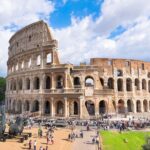
Rome doesn’t always have to be jammed sidewalks and loud buses. This Top E-bike ride takes you from Aventine out toward the old road of Via Appia Antica, so you get a quieter, more physical sense of ancient Rome. You’ll still pass famous sights like the Colosseum area, but the real payoff is cycling through the Roman countryside.
I especially liked two things: the leisure pace with pedal assistance makes 15 kilometers feel doable, and the route breaks the day into clear stops with time to look, not just rush through. The small group size (up to 9) also means the guide can keep things moving without leaving you behind.
One thing to keep in mind: if you book a later departure, especially in winter, you can lose daylight quickly and end up riding near sunset or later. Also, the catacombs visit can involve extra costs beyond what’s listed as included.
In This Review
- Key highlights worth your attention
- The big idea: why this e-bike route feels different in Rome
- Getting started near FAO and Aventino: quick setup that matters
- Porta San Sebastiano: the day’s tone turns ancient fast
- Catacombs of Rome: the one stop that becomes the centerpiece
- Circus of Maxentius and the Tomb of Cecilia Metella: short stops, smart photos
- Via Appia Antica Archaeological Park: why the ancient road feels so physical
- Aqueducts of Claudius and Felix: the views that justify pedaling
- Egeria (L’Acqua Santa di Roma): break time that can be pleasantly low-pressure
- How hard is it really? Pace, distance, and what to wear
- A quick timing reality check
- E-bikes, helmets, and the small safety details that make a smooth day
- Price and value: what you’re really paying for at about $90
- Who this tour suits best
- Should you book the Rome Appian Way e-bike tour?
- FAQ
- How long is the e-bike tour?
- How far will I ride?
- Where is the meeting point in Rome?
- What’s included in the price?
- Do I need to bring a helmet?
- What language is the live guide?
- Is the tour suitable for children?
Key highlights worth your attention
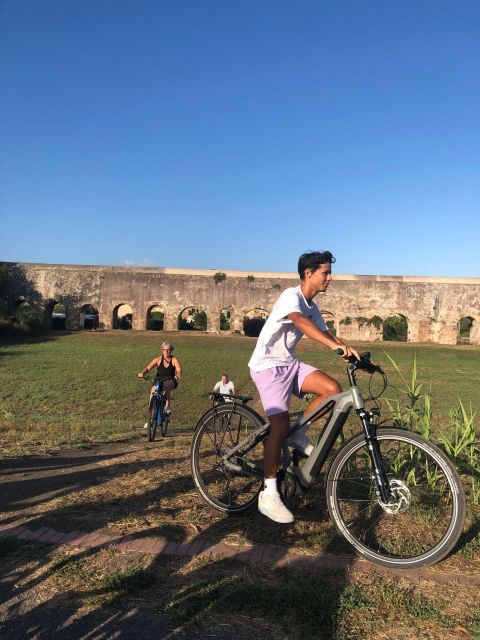
- Pedal-assisted riding that keeps the tour comfortable while you cover 15 km
- Catacombs of Rome with a full guided visit (about 1 hour)
- Appia Antica Archaeological Park time to pause and photograph the ancient road
- Aqueduct viewpoints tied to the Aqueducts of Claudius and Felix
- Egeria (L’Acqua Santa di Roma) break with free time and the chance to grab local snacks
- A small group capped at 9 participants for a calmer experience
The big idea: why this e-bike route feels different in Rome
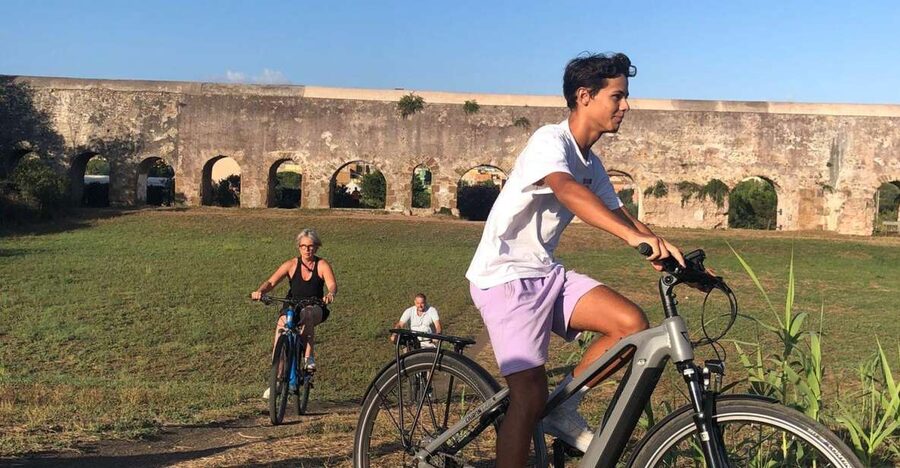
Rome’s classic sights are easy to tick off. What’s harder is getting the feeling of distance—how Rome looked when the city wasn’t packed wall-to-wall. This tour gives you that shift by guiding you away from the center and onto the road system that helped shape Roman life.
With a pedal-assisted e-bike, you’re not doing a workout that crushes your legs. The goal is steady, enjoyable movement so you can spend your energy watching the scenery change—city streets to countryside road—then stopping often enough to actually take it in.
The best part is that the ancient sites are spaced out in a way that makes sense. You cycle between them, rather than standing in one place for hours.
You can also read our reviews of more tours and experiences in Rome.
Getting started near FAO and Aventino: quick setup that matters
You’ll meet at the starting area by FAO, next to a Tamoil gas station, with the actual tour pickup tied to Aventino Roma Rent Bike / Autolavaggio a mano. Expect staff to greet you, help you with your e-bike, and walk you through basic operation before you roll.
This is a small detail that makes a real difference. If your e-bike feels confusing, your ride becomes stressful. Here, the plan is for you to understand the controls right away, and then you can focus on the road ahead.
You’ll also get a helmet (mandatory), plus a bag and a biodegradable water bottle. If you’re the type who likes to keep a phone and a light snack accessible, having that bag helps.
Porta San Sebastiano: the day’s tone turns ancient fast
The route heads to Porta San Sebastiano early (a short pass-by time). Even without a long stop, it’s a useful moment because it tells you what kind of day this is going to be: not museum-only Rome, but Rome connected by routes, walls, and movement.
Think of this as your “gear shift.” After this point, the tour leans into outer-Rome landmarks and the archaeology you don’t see while standing in the center.
If you’re picky about photos, use this early portion to get your bearings. The light and the ride angle can be better before you get tired from the day’s first big stop.
Catacombs of Rome: the one stop that becomes the centerpiece
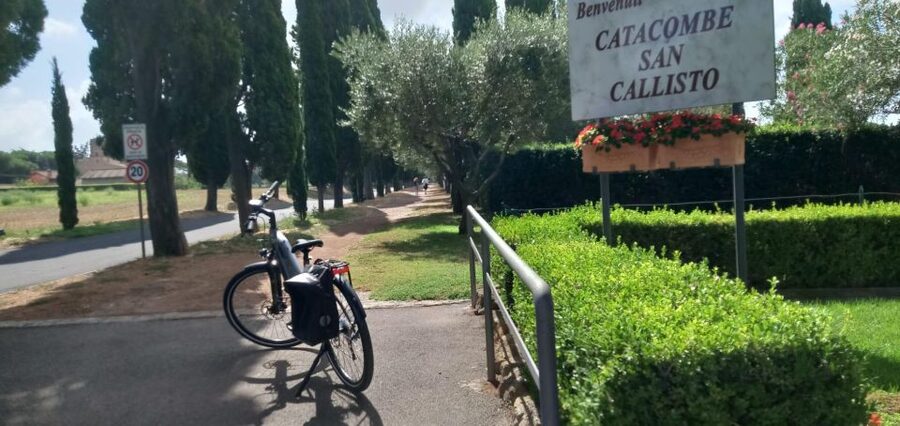
Next up is the Catacombs of Rome, with a guided tour for about 1 hour. This is the biggest time investment on the itinerary, and it’s also the one moment where the day becomes more than scenery—it turns into a structured story about how Romans used underground spaces.
The guided format matters here. Catacombs can be overwhelming if you’re just walking in on your own. With a guide, you’re more likely to understand what you’re seeing and why it matters.
Important planning note: based on real-world experience, the catacombs visit can come with extra costs not fully clear from the basic description. When you’re budgeting, assume there may be an additional fee beyond what you pay for the overall tour.
Circus of Maxentius and the Tomb of Cecilia Metella: short stops, smart photos
You’ll have two quick photo stops:
- Circus of Maxentius (about 9 minutes)
- Tomb of Cecilia Metella (about 9 minutes)
These are fast, but that’s not a flaw. They’re timed so you can capture the shapes that define these monuments without losing the rhythm of the ride.
For the Circus of Maxentius, think of it as a place to look for scale and layout. Even from a quick stop, you’ll start to notice how Roman entertainment sites were built to control crowds and movement.
At the Tomb of Cecilia Metella, you’ll get a classic stop for views and framing. This is one of those spots where a 5–10 minute pause can turn into good photos if you slow down for a moment and look beyond the postcard angle.

Via Appia Antica Archaeological Park: why the ancient road feels so physical
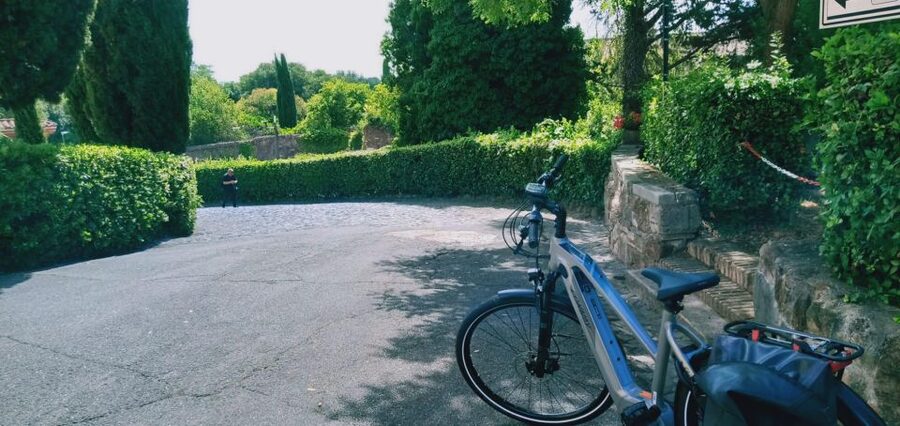
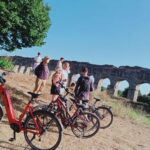
The ride spends time at the Appia Antica Archaeological Park area with a photo stop (listed around 9 minutes). This is the heart of the “ride the past” concept.
Walking through ancient sites can be slow and tiring, especially in Rome’s heat or crowds. Cycling here does something different: it lets you feel the road as a corridor, not just a location.
You’ll also be in a setting where the surroundings help the monuments make more sense. The road isn’t isolated—it’s part of a landscape of ruins, parks, and older pathways.
If you want to get the most out of this part, use your time to:
- stop and look back toward where you came from
- compare the “today path” with what you know about Roman engineering
- take at least one photo from lower and one from higher ground, if possible
Small effort, big difference in how your photos turn out.
Aqueducts of Claudius and Felix: the views that justify pedaling
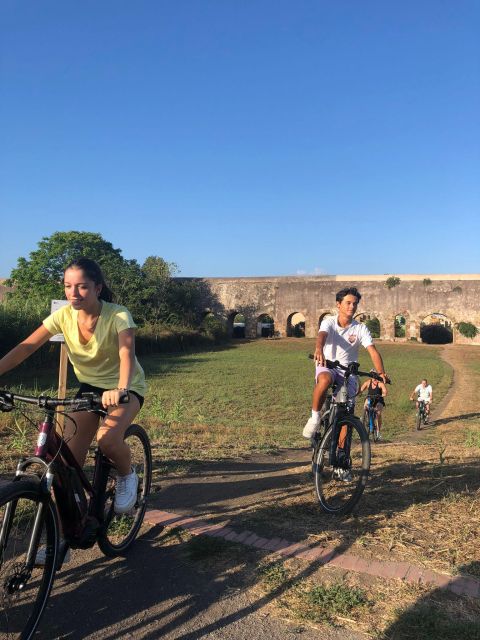
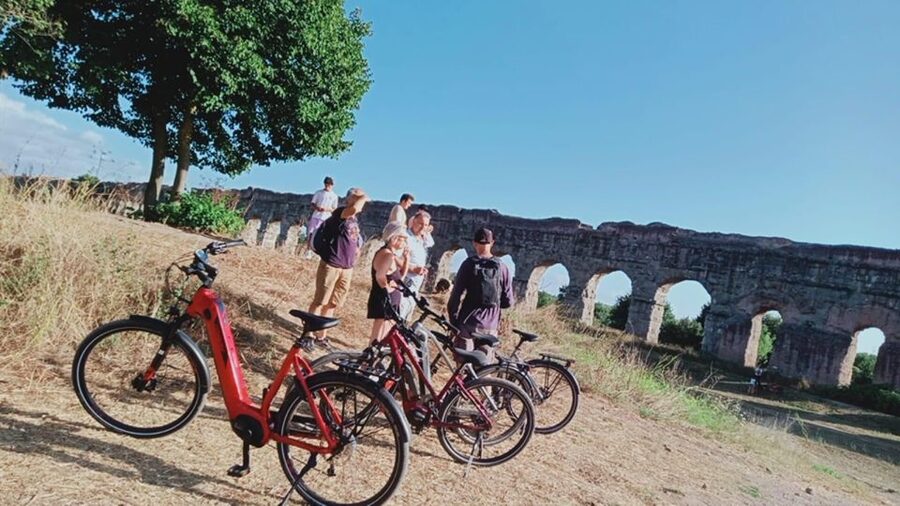
One of the stand-out concepts in this tour is visiting the Aqueduct Park area and admiring the Aqueducts of Claudius and Felix. You’re not just passing by ruins; you’re aiming at the Roman infrastructure that once supplied water to the city.
Aqueducts hit different when you see them in context. On a street tour, you might notice them and move on. Here, cycling out in calmer surroundings helps you appreciate the scale and engineering logic.
This is also where you’ll feel the “fresh air” side of Rome, because the tour is designed to get you into greener, less urban stretches than the center.
Egeria (L’Acqua Santa di Roma): break time that can be pleasantly low-pressure
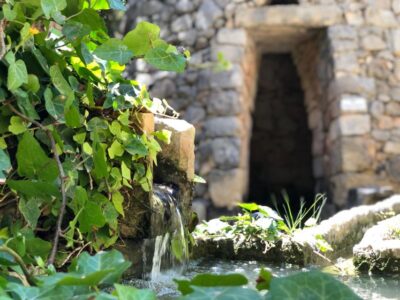
The final major stop is Egeria – L’Acqua Santa di Roma, with an 18-minute break for photo time, free time, shopping, and local snacks. This part is meant to reset you before you ride back toward Aventino.
Here’s the practical mindset I recommend: treat it as a flexible pause, not a formal picnic situation. In real-world experience, a promised picnic-style moment at the spring didn’t always happen, and the guide may not be aware of it. So don’t plan your hunger around a specific meal.
Instead, plan to use the break to:
- grab a simple snack
- take photos without rushing
- check you’ve got what you need for the ride back
If you get thirsty during the countryside stretch, you’ll thank yourself for that water bottle.
How hard is it really? Pace, distance, and what to wear
The tour is labeled leisure, and the total distance is 15 kilometers. That’s a big enough number to feel like you did something, but with pedal assist and frequent stops, it shouldn’t feel like a hard grind.
Still, come prepared. Wear comfortable shoes and comfortable clothes. If your clothing or footwear is wrong for a bike day, the ride becomes annoying fast—even if the route is easy.
Group size is also a key factor. With up to 9 participants per guide, the pace tends to stay smoother than larger group bike tours. You also get better chances to ask questions at stops.
A quick timing reality check
This tour is 4 hours, but the actual daylight you experience depends on the season. In winter, you can lose daylight quickly, and later departures (like a 3:00 tour) may mean riding around sunset or even later. If you hate night riding, choose a departure earlier in the day.
E-bikes, helmets, and the small safety details that make a smooth day
The tour includes initial operation assistance, and the helmet is mandatory and provided. That’s the basics, but it’s worth doing one extra bit of prep yourself: before you start riding, make sure you’re comfortable with how the assistance works for you.
Also, if you’re sensitive to comfort, pay attention to the bike condition at pickup. One real-world issue reported was that a bike didn’t seem fully in working order. You can reduce the odds of a bad ride by checking things quickly with staff before you leave the meeting area—seat height, brakes feel, and overall handling.
This isn’t about expecting problems. It’s about taking control early.
Price and value: what you’re really paying for at about $90
At $90.63 per person for a 4-hour small-group e-bike tour, you’re paying for three things at once: guided logistics, the e-bike (with setup help), and access to major stops that would take more time and energy if you did them independently.
Is it cheap? Not really. But it’s also not just a “ride past sights” experience. You get:
- guided time at the catacombs
- structured stops for major monuments
- riding support that keeps the route enjoyable at leisure pace
- helmet, bag, and bottle included
If your priority is maximum seeing with minimum hassle, this tends to be good value. If your priority is only one big-ticket site and you’re happy to navigate everything yourself, you might spend less on a DIY day. But DIY won’t replicate the specific mix of cycling + timed stops that makes the route flow.
Who this tour suits best
This tour is a strong match if you want:
- an easier way to get to outer-Rome sites
- a day that mixes riding with meaningful stops
- a small-group guide-led experience with a clear route
It’s also a good fit for people who don’t love long walks but still want to feel like they visited more than a couple photo points.
If you prefer deep, slow museum-style time, you’ll still get meaningful stops, but the tour is built around mobility and transitions.
Should you book the Rome Appian Way e-bike tour?
I’d book it if you want a practical, do-able way to connect the ancient monuments of Rome with the landscapes that surround them. The standout strength is the rhythm: ride out, pause for the big moments (especially the catacombs), then ride back with aqueduct views and a relaxed spring break at Egeria.
Skip it or adjust your expectations if you’re very schedule-sensitive about later-day light, since winter departures can mean less daylight and more dusk riding. Also plan for the possibility of extra fees at the catacombs and keep the Egeria time flexible rather than assuming a specific picnic-style setup.
If you match those expectations, you’ll come away with a Rome day that feels more like a route through time—and less like standing in a queue again.
FAQ
How long is the e-bike tour?
The tour runs for about 4 hours. Starting times depend on availability.
How far will I ride?
The total distance is about 15 kilometers.
Where is the meeting point in Rome?
You meet next to the FAO near a Tamoil gas station, tied to Aventino Roma Rent Bike / Autolavaggio a mano.
What’s included in the price?
Included items are e-bike initial operation assistance, local guidance, a helmet (mandatory), a bag, and a biodegradable water bottle.
Do I need to bring a helmet?
No. A helmet is provided and must be worn during the tour.
What language is the live guide?
The live tour guide speaks English, French, and Italian.
Is the tour suitable for children?
Babies under 1 year old are not allowed. Children aged 1 to 4 can participate free of charge in a child seat (up to 25 kg / 55 pounds). A child extension is provided for ages 5 to 8. Children ages 9 and under can ride independently on an appropriately sized e-bike.