REVIEW · LISBON
Queer Lisbon History Tour: scene/history
Book on GetYourGuide →Operated by Alex's Lisbon Tours and Events · Bookable on GetYourGuide
Lisbon has a second, queer map. The Queer Lisbon History Tour tells that story in real street locations, starting in Principe Real and linking centuries of crackdown and courage to the LGBTQ Portugal you see today. I especially love how Alex turns facts into scene-based storytelling, and I love that the walk also orients you to the modern bar and nightlife areas so the city feels usable, not vague.
The only real drawback is physical: it’s a 4 km route over about 3.5 hours, so bring comfortable shoes and expect some uneven ground.
In This Review
- Key takeaways before you go
- Entering Principe Real With a Rainbow Umbrella
- A Walking Timeline: Scandals, Survival, and Lisbon Today
- How Inquisition Pressure Shaped Queer Lives in Lisbon
- 1960s Censorship, Cruising Corners, and the Spaces People Found
- Fado’s Queer Angle and the Art That Refused to Behave
- Josephine Baker, WWII Espionage, and Cross-Atlantic Queer Stories
- Trans Love Stories and the Long Path Toward Rights
- From History to the Modern Scene: Principe Real and Bairro Alto
- The Most Useful Souvenir: Alex’s LONG LIST (150 Pages, Updated Monthly)
- Price and What You Get for About $58
- Who Should Book This Tour (and Who Might Want Something Else)
- Should You Book the Queer Lisbon History Tour?
- FAQ
- How long is the Queer Lisbon History Tour?
- Where do I meet the guide?
- What’s the tour language?
- What’s included in the price?
- Is food or drinks included?
- Is the tour suitable for families?
- What should I bring, and are there restrictions?
Key takeaways before you go
- Rainbow Umbrella meeting point: show up outside number 18 at Praça/Jardim do Príncipe Real by the children’s play corner.
- Principe Real + Bairro Alto focus: you’ll walk through two key gay scene areas and learn what fits different vibes.
- History + nightlife in one route: centuries of queer life connect directly to current venues, not in theory, but in the places themselves.
- Alex’s LONG LIST guide included: a 150-page, locally written guide to LGBTQ Lisbon & Portugal, readable on phones and as a downloadable PDF.
- Plenty of room for questions: the format leaves time to ask things and get context you can use later.
- Designed for solo travelers: you can come alone and still leave with new people and a clearer sense of where to go next.
Entering Principe Real With a Rainbow Umbrella
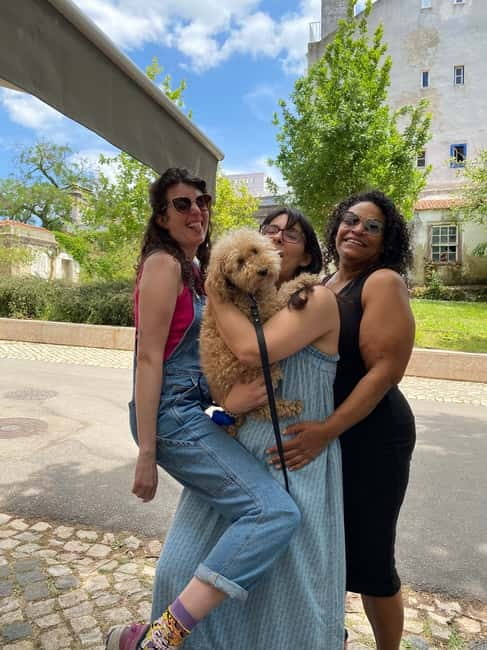
I like tours that get you oriented fast, and this one starts right in the middle of Lisbon’s queer geography. Your meetup is in the garden square of Príncipe Real, outside number 18 on Praça/Jardim do Príncipe Real, near the children’s play corner, and you’re looking for the Rainbow Umbrella.
That small detail matters because it reduces friction on a first day. You’re not hunting for a random cafe, and you’re not guessing where the guide’s starting point connects to the nightlife areas you’ll want later.
What to watch for: bring comfortable shoes. The tour covers about 4 km, and Lisbon’s sidewalks can be uneven and steep in spots. A light backpack is fine, but you should avoid luggage or large bags, since the walk is the main experience.
You can also read our reviews of more tours and experiences in Lisbon.



A Walking Timeline: Scandals, Survival, and Lisbon Today
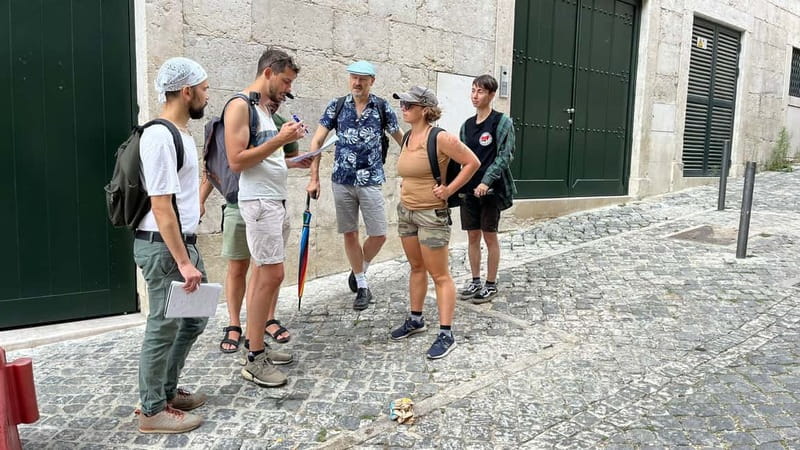
The heart of the Queer Lisbon History Tour is the way it braids together past and present. You move through the city while you hear stories that range from centuries-old punishments to LGBTQ rights and culture you can still recognize now.
You’ll notice how Alex uses the same method again and again: he places a historical moment in its likely real-world context, then brings it forward to explain why certain things took the shape they did in Portugal. That approach helps you stop treating queer history like a separate museum topic.
In practical terms, this tour is built for two goals at once:
- You learn the backstory that makes Portuguese LGBTQ life make sense.
- You get scene navigation tips so the city becomes easier to enjoy afterward, especially around Principe Real and Bairro Alto.
Even if you came mainly for nightlife, the history gives you a map of meaning. And if you came mainly for history, the modern venue context makes the past feel less distant.
How Inquisition Pressure Shaped Queer Lives in Lisbon
One of the strongest threads you’ll hear about is how state power targeted queer people. The tour includes stories about how the Inquisition dealt with gay men, and it frames that persecution as part of a longer pattern: fear changes behavior, and behavior changes public space.
That’s not just grim background. It explains why certain forms of public life had to be hidden, coded, or relocated—while other forms of community found ways to persist in smaller circles.
The tour also connects those pressures to later moments, including policing and censorship. When you hear about gay men dodging the 1950s police, you’re not just learning an isolated anecdote; you’re seeing how authorities kept pushing the same pressure points across decades. That makes it easier to understand what LGBTQ people had to negotiate in daily life, long before today’s visible scene.
1960s Censorship, Cruising Corners, and the Spaces People Found
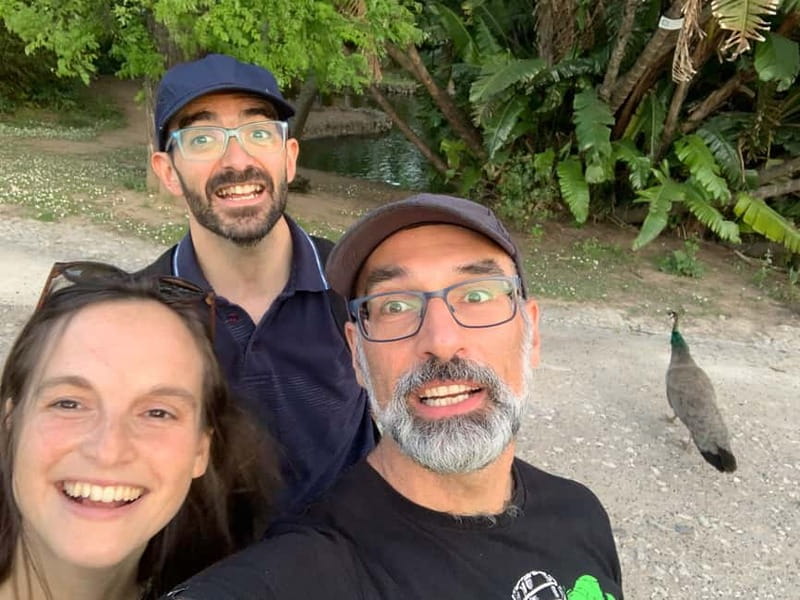
Lisbon’s queer story isn’t only about laws. It’s also about how people used space.
You’ll hear about how lesbians battled 1960s censorship, and you’ll also hear about 17th-century cruising sites—places where people sought connection even when society tried to make that connection risky. The tour’s structure is useful here: it gives you time to sit with the idea that public space was contested, then shows you how that contest evolved into later nightlife districts.
There’s also coverage of 19th-century sex-work, including how sex work created both danger and community. The tour treats these topics carefully, but it doesn’t sanitize them. The result is a sense of Lisbon as a living place where people adapted.
One of the most interesting historical segments deals with religious life, including lesbian nuns. That theme adds an extra layer, because it shows how queer identity could exist inside institutions that were officially intolerant. It’s a reminder that lived reality often complicates the official story.
Fado’s Queer Angle and the Art That Refused to Behave
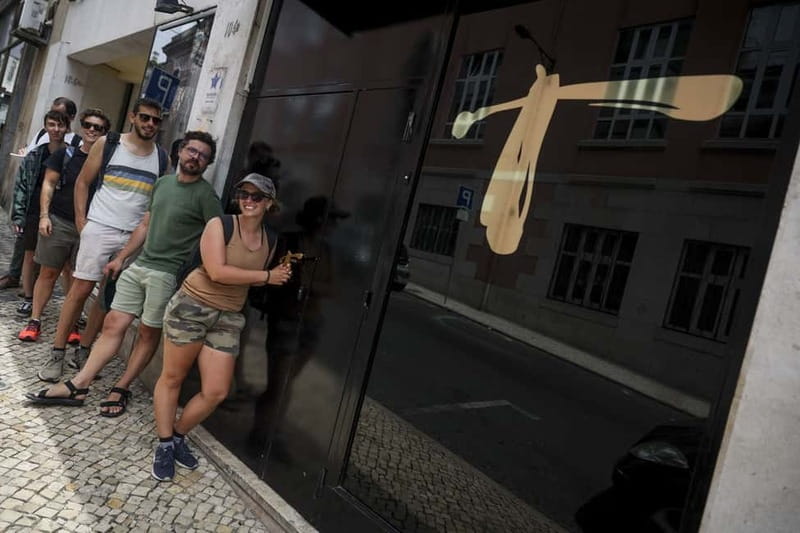
If you only know Fado as Portugal’s sad-song soundtrack, this tour gives you a reason to rethink it. You’ll hear why Fado is queer, connected to the way gender, desire, and performance show up in the music’s long tradition.
This is a smart inclusion because it connects politics and nightlife to culture. It helps you notice queer-coded performance in a place where you might otherwise look only for official signage.
The tour also touches on other cultural signals: the early rise of drag shows, gay writers, and later cultural figures like queer pop stars. Even when you’re not a deep Portugal-culture person, these stories help you recognize how artistry can be a form of resistance and a way to build audience and identity.






Josephine Baker, WWII Espionage, and Cross-Atlantic Queer Stories

The tour doesn’t keep its focus purely on Lisbon. It includes a broader queer world connection through Josephine Baker, who appears as a bisexual jazz legend and a WWII spy.
That detail is valuable for two reasons. First, it widens the context beyond local Portuguese events, so you see Lisbon as part of a bigger international story. Second, it shows how queer identity and nonconforming roles played out in high-risk, high-visibility situations—not only in hidden corners.
It’s also the kind of story that gives you something memorable to tie back to later. If you visit museums or read about Lisbon’s twentieth-century history, Baker becomes a thread you can follow.
Trans Love Stories and the Long Path Toward Rights
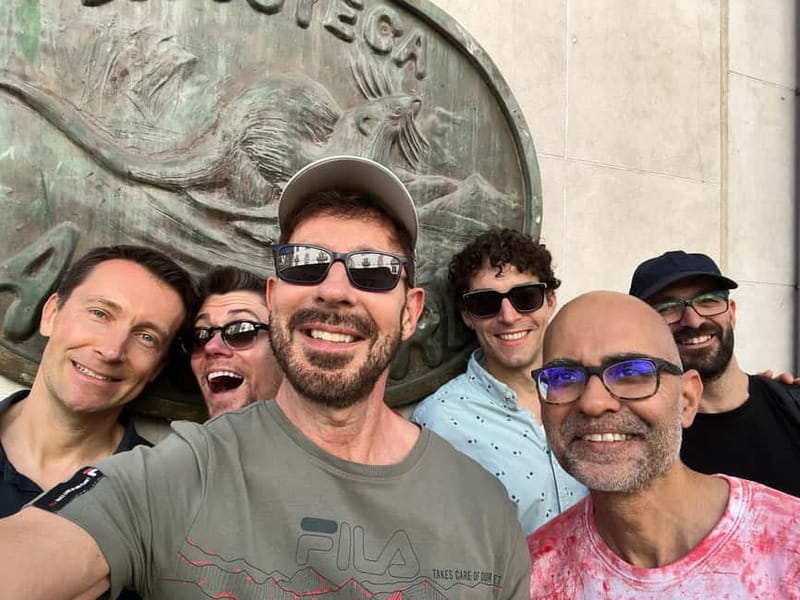
The tour includes a trans love story from the 1800s, plus stories about how LGBT rights were later established in Portugal. I like this part because it refuses to treat progress as a straight line. It shows the long timeline: desire existed before laws changed, and activism grew within constraints.
You also hear about the Two Fernandes, and you’ll get context for why certain political shifts and social movements mattered. The tour’s pacing helps here: it usually doesn’t throw everything at you at once. Instead, it uses the walk to keep momentum while still giving the big themes time to land.
There are also stories involving straight censors and disgraced politicians. That angle matters because it underlines that systems don’t run on prejudice alone. They run on institutions, careers, and paperwork—and those are often driven by people who can be named, blamed, and understood.
From History to the Modern Scene: Principe Real and Bairro Alto
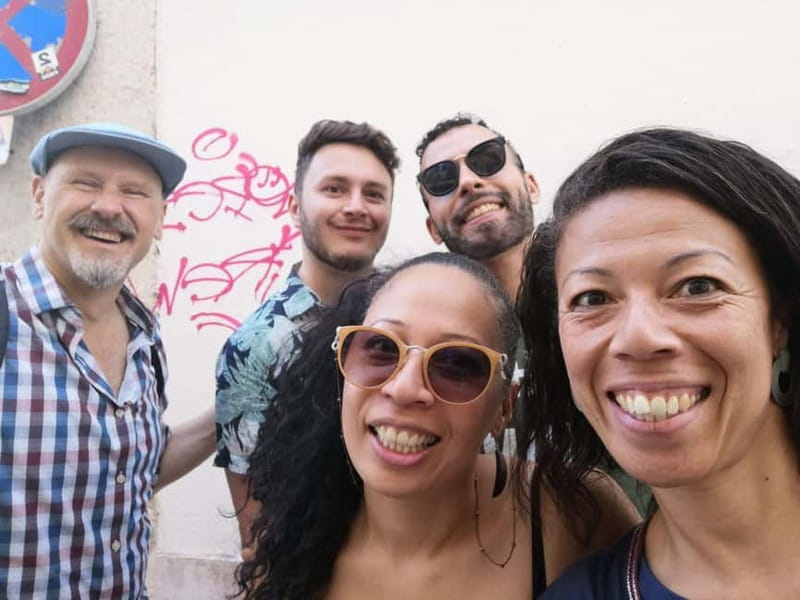
After the historical chapters, the tour turns you toward the city you’ll actually use. You’ll pass by main LGBTQ venues and you’ll walk through the Principe Real and Bairro Alto scene areas, so you can start matching places to your own tastes.
What I’d treat as especially useful here is the way the tour turns recommendations into real-world decision-making:
- Which kinds of venues fit a quieter evening versus a bigger night out
- What kinds of places exist beyond bars and clubs, including cafes and other community spaces
- How different venues cater to different crowds and energy levels
In the past, I’ve found Lisbon nightlife advice can be either too general or too hype-driven. This tour aims for the middle: it’s practical and grounded in how people actually move through those neighborhoods.
The tour also includes guidance around nightlife categories like nightclubs, bars, saunas, and relaxed bars, plus cabaret venues and other queer or Trans spaces. Even if you don’t plan to go out that night, you’ll leave with names and context that make the next day easier.
The Most Useful Souvenir: Alex’s LONG LIST (150 Pages, Updated Monthly)
This is where the value really sharpens.
You get a free copy of Alex’s LONG LIST Guide to LGBTQ Lisbon & Portugal. It’s about 150 pages, written by locals, and it’s updated every month. You can read it on mobiles and also download it as a PDF.
That update rhythm matters. Cities change, and Lisbon’s scene certainly evolves. A monthly update means your guide is less likely to send you to a place that has already closed or shifted its vibe.
In the guide, you should expect details that cover way more than nightlife lists. The guide includes:
- Queer Lisbon/Portugal maps
- This month’s queer events
- A guide to gay beaches and how to get there
- Venue categories such as nightclubs, bars, saunas, and cabaret
- Women’s venues and events, plus women’s groups and services
- Community and social groups, and health services
That’s why this tour works even if you’re busy later. The history walk helps you understand context, and the guide helps you act on it.
Price and What You Get for About $58
At $58 per person for a 3.5-hour walking tour, you’re paying for two things: time with a guide and a substantial local reference tool.
If you compare it to the cost of a few individual nightlife outings, the math starts making sense because you get:
- A guided route in two central neighborhoods
- Multiple historical themes spanning persecution, censorship, policing, and cultural expression
- Pass-by orientation to LGBTQ venues in Principe Real and Bairro Alto
- The 150-page LONG LIST guide, intended for repeated use during your whole stay
Also, solo travelers often get less value from group nightlife passes but more value from a guided explanation of the scene. This tour is priced like an experience, but it functions like an information investment.
Who Should Book This Tour (and Who Might Want Something Else)
This tour is age 16+, and it isn’t suitable for children under 16. If you’re traveling with younger kids, you’ll need a different plan.
It’s ideal if you:
- Want queer history that’s tied to real locations, not just dates
- Care about understanding how Portugal’s LGBTQ story connects to broader European history
- Plan to go out in Lisbon and want practical orientation before you pick venues
- Travel solo and like meeting fellow travelers while walking
If you hate walking routes and prefer to rely on taxis or short stops, this one might feel like too much. At 4 km over 3.5 hours, it’s not a long hike, but it’s also not a sit-and-watch option.
Should You Book the Queer Lisbon History Tour?
Yes—if you want Lisbon to feel personal and legible, not just scenic. I’d book it early in your trip, because the story context and the scene navigation tend to improve everything you do afterward.
Book it especially if you like your history with names, conflict, culture, and consequences. And definitely book it if you’re the type who wants to walk away with a tool you’ll use again—because Alex’s LONG LIST is the kind of guide that earns its space in your phone or bag.
FAQ
How long is the Queer Lisbon History Tour?
The tour lasts about 3.5 hours, with around 4 km (2.5 miles) of walking.
Where do I meet the guide?
Meet in the garden square of Príncipe Real, outside number 18 on Praça/Jardim do Príncipe Real, by the children’s play corner. Look for the Rainbow Umbrella.
What’s the tour language?
The tour is offered in English.
What’s included in the price?
You get the guided queer history stories, a tour through LGBTQ scene venues in Príncipe Real and Bairro Alto, time to meet fellow travelers, and a free copy of Alex’s LONG LIST Guide to LGBTQ Lisbon & Portugal (150 pages).
Is food or drinks included?
No. Food and drinks are not included.
Is the tour suitable for families?
It’s not suitable for children under 16.
What should I bring, and are there restrictions?
Wear comfortable shoes. You should not bring luggage or large bags.