REVIEW · RIO DE JANEIRO
Rio de Janeiro: Little Africa Heritage Walking Tour
Book on GetYourGuide →Operated by Sou Mais Carioca · Bookable on GetYourGuide
Samba has a backstory, and you’ll walk it. This Rio de Janeiro Little Africa Heritage Walking Tour ties African heritage to the port streets where communities formed, changed, and left a lasting mark on Brazil.
I love the way the guide starts with Brazil’s colonial period so the rest of the walk makes sense fast. I also love the rooftop pause: you get panoramic views over Mauá Square and Guanabara Bay while the story is still fresh in your head.
One consideration: it runs rain or shine and it’s mostly walking, so bring real walking shoes, plus water and sunscreen if the sun shows up.
In This Review
- Key things that make this tour worth your time
- Starting at Museu de Arte do Rio: you’ll learn the context first
- Morro da Conceição and the port’s “Little Africa” identity
- Rooftop views at Rio Art Museum: the skyline pause that makes history stick
- Largo da Prainha: African influence in Brazilian gastronomy
- Mercedes Baptista statue: Afro dance pioneers in public space
- Pedra do Sal: the place samba was born
- Jardim Suspenso do Valongo and Cais do Valongo: ending at the Valongo sites
- Timing, pacing, and what to bring for a 150-minute walk
- Guides and storytelling: what the best ones do (and what you can look for)
- Price and value: why $40 feels fair for this route
- Who should book this Little Africa tour?
- Should you book this tour?
- FAQ
- Where is the meeting point?
- How long is the tour?
- What language is the tour offered in?
- Does the tour run if it rains?
- What should I bring?
- Is this tour suitable for young children?
- Can I cancel or change my plans?
Key things that make this tour worth your time
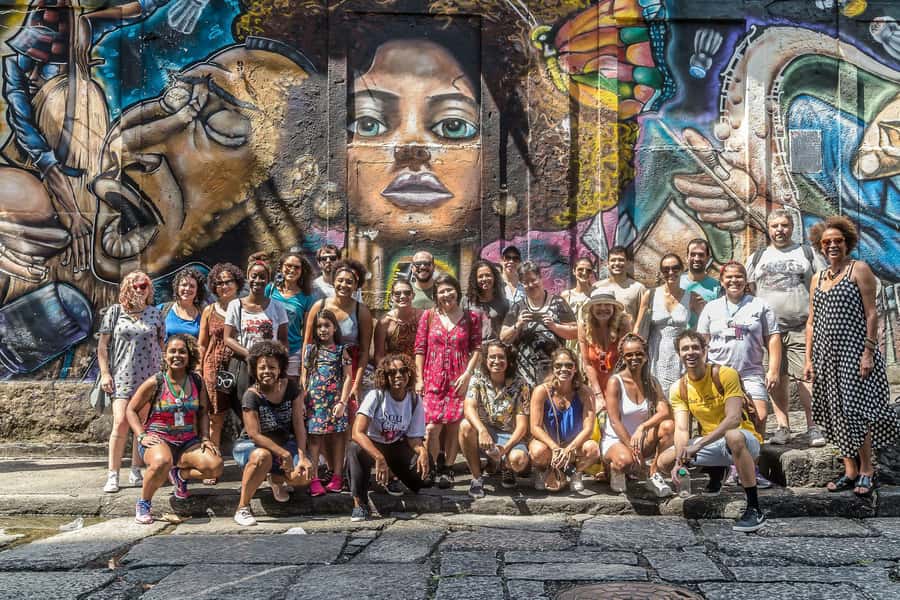
- Rooftop viewpoint over Mauá Square and Guanabara Bay for context plus great photos
- Pedra do Sal and the story of where samba was born
- Mercedes Baptista statue honoring an Afro dance pioneer
- Valongo area ending at Cais do Valongo and the Hanging Garden of Valongo
- African influence on Brazilian gastronomy at Largo da Prainha
- Guides such as Luana, Nathalia, Ryane, Eddie, and Raquel are repeatedly praised for clear, caring storytelling
Starting at Museu de Arte do Rio: you’ll learn the context first
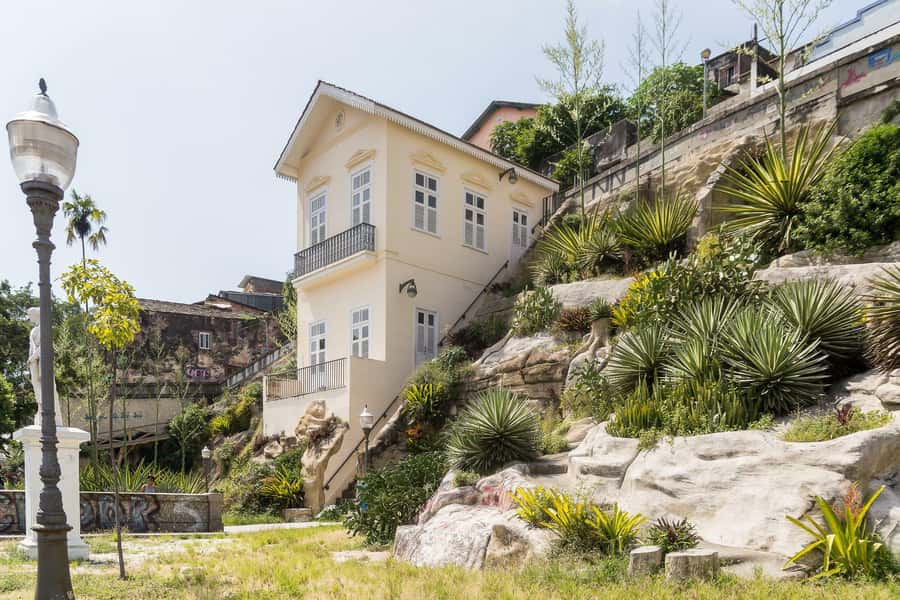
You meet your guide in front of Museu de Arte do Rio. The tour starts with an introduction to Brazil during the colonial period, and I’m glad they do this up front. You’ll hear the big picture—how power worked, who was moved and controlled, and how that history shaped culture later.
This matters because the places you visit are not just pretty street corners. They’re anchors. When you understand the forced labor system and how communities were able to survive and build culture, the rest of the walk becomes more than sightseeing.
Expect a short early rhythm, then a brief break (about 10 minutes) tied to the museum area before you head into the port neighborhoods.
You can also read our reviews of more tours and experiences in Rio De Janeiro.


Morro da Conceição and the port’s “Little Africa” identity
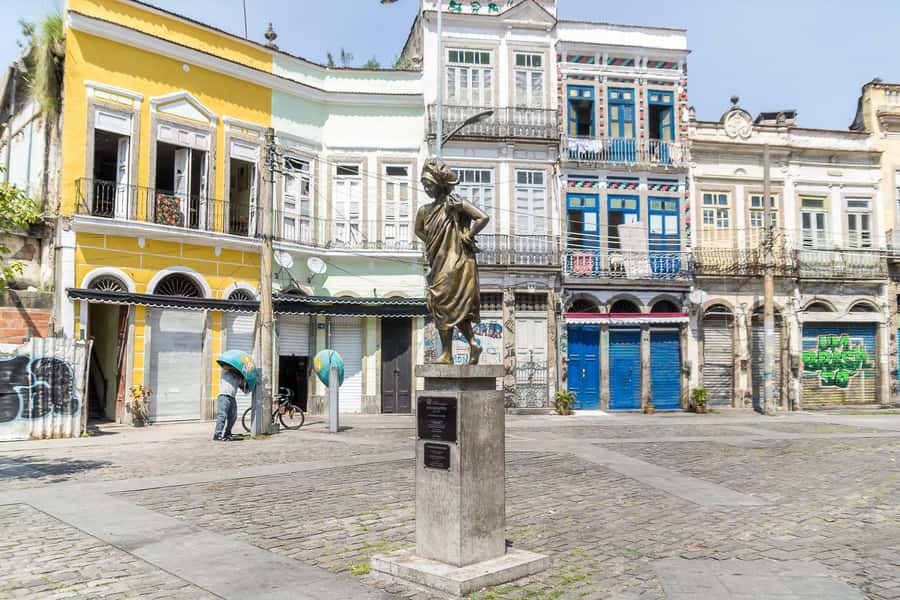
After the start, the route turns toward Morro da Conceição for a guided walk segment. This is where the idea of Little Africa comes into focus. In the port region of Rio, the nickname grew around the turn of the 20th century, when freed people kept living and working in the area after Brazil made the slave trade illegal.
That detail changes how you see the neighborhood. You’re not just passing through a historic district—you’re tracing how people kept building community even after laws shifted. The guide’s job here is to connect dates, policy, and daily life to the streets you’re walking on.
It’s also a good moment to notice how the city layers eras. Rio doesn’t wipe the past off the map. It stacks it.
Rooftop views at Rio Art Museum: the skyline pause that makes history stick
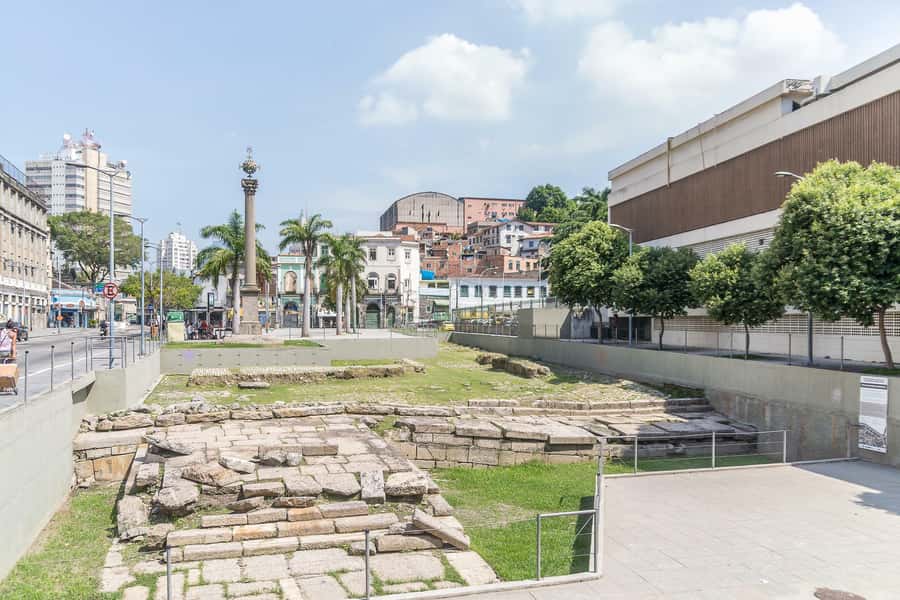
A standout moment is the brief explanation from a rooftop with sweeping views of Mauá Square and Guanabara Bay. This is one of those simple tricks that works: you look outward while you listen inward.
Why it helps: the port mattered. Shipping routes, movement of goods and people, and the city’s economic gravity all connect back to why certain neighborhoods grew and why cultural traditions developed where they did.
Practical tip: bring your phone for photos, but don’t rush. The tour gives you a short, focused window to take it in—so use it.
Largo da Prainha: African influence in Brazilian gastronomy
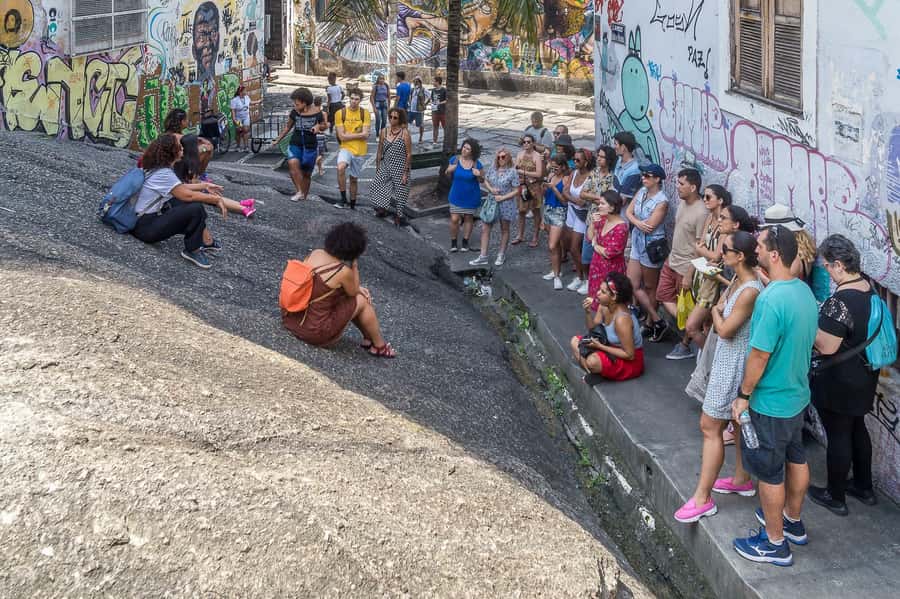
Next you head to Largo da São Francisco da Prainha (often just called Largo da Prainha in tour talk). Here the guide focuses on African influence in Brazilian gastronomy.
This is smart because food is one of the easiest ways to understand cultural survival. The tour doesn’t treat cuisine as an afterthought. Instead, it links cooking traditions and ingredients to the people who carried knowledge with them—through pressure, loss, and adaptation.
If you’re the kind of person who plans meals while traveling, this stop will pay off later. You’ll spot why certain flavors, techniques, and staples show up across Afro-Brazilian communities.
Mercedes Baptista statue: Afro dance pioneers in public space
Then comes a stop for the statue erected in honor of Mercedes Baptista. She’s remembered as a forerunner of Afro dance in Brazil and the first Black dancer at the Municipal Theater in Rio de Janeiro.
I like this kind of stop because it flips the usual default. Too often, famous performing arts histories get told as if they were invented by one group. Here, the city itself points you toward the artists who broke barriers.
The guide uses this to connect dance to identity and resistance. Samba, capoeira, and Afro-Brazilian performance aren’t only entertainment—they’re ways of keeping culture alive and expressing it publicly, even when society pushed back.

Pedra do Sal: the place samba was born
The tour’s heart for music lovers is Pedra do Sal, described as the place where samba was born. This area is also considered the oldest continuously-inhabited Black neighborhood in the country.
Standing there, you get why the guide built the walk the way they did. You’ve heard about the port’s shifting laws and the people who remained. You’ve walked through the cultural threads—food, dance, community. Now you’re at a site tied to the sound people carried forward.
What to watch for: small details like how the space feels today compared to what it used to represent. It’s a useful lesson in how culture can outlive the conditions that created it.
And yes, this is where you’ll want your best walking pace. It’s an important stop, and the guide will slow down enough for you to take it in.
Jardim Suspenso do Valongo and Cais do Valongo: ending at the Valongo sites
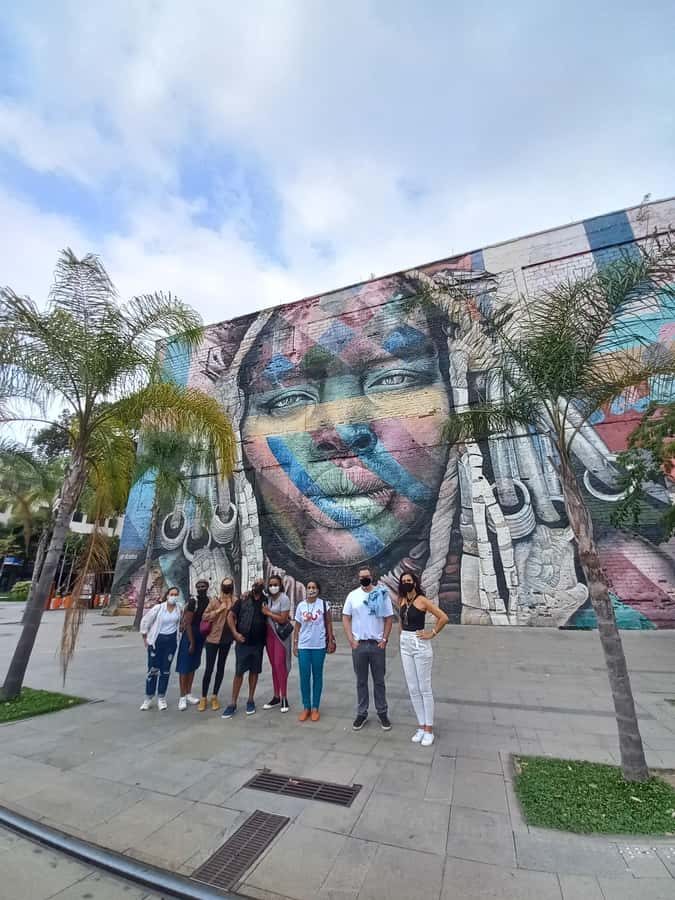
The final stretch takes you to Jardim Suspenso do Valongo (Hanging Garden of Valongo) and ends at Valongo, with time at Cais do Valongo as part of the closing segment.
If you’ve ever visited a memorial and felt that the site itself was doing the talking—this is the kind of place that can hit you. The names alone point to the Valongo area’s role in the painful movements of the past and the communities that followed afterward.
Even if you don’t know the details beforehand, the guide’s narration helps you connect the location to what people endured and how history left physical traces in the city. And ending here gives the tour a clear emotional arc: you start with colonial foundations, you move through cultural anchors, and you finish at a place tied to the broader story of African presence in Rio.
Timing, pacing, and what to bring for a 150-minute walk
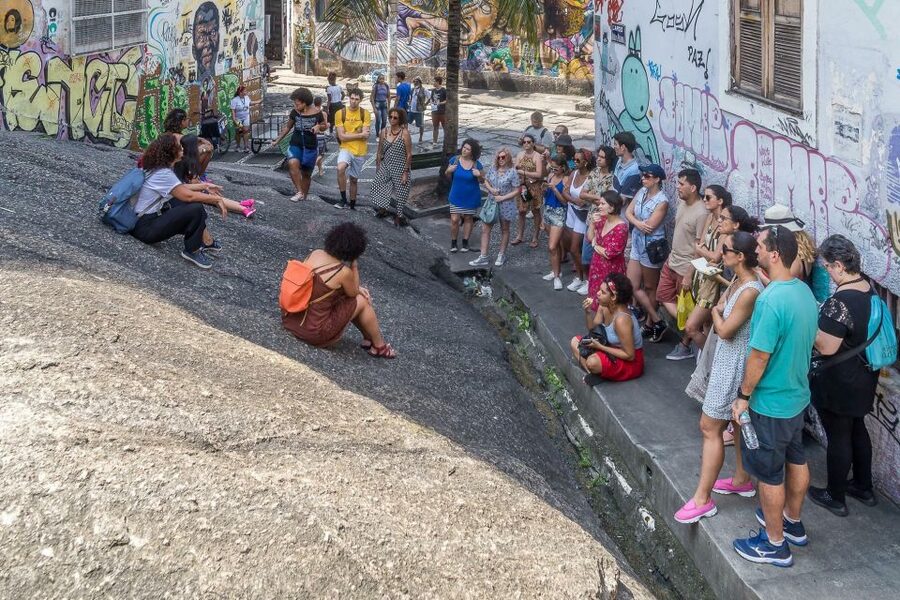
This tour lasts about 150 minutes (around 2.5 hours). You’ll walk outdoors across multiple stops and you should assume you’ll be out in changing light and heat depending on the day.
Here’s how to set yourself up for an easy experience:
- Wear comfortable shoes you trust for uneven streets.
- Bring water and sunscreen.
- Dress for sun and sudden rain since the tour runs in rain or shine.
- Plan to keep moving. The walking segments are part of the pacing, not breaks.
Also, the guide can wait for 15 minutes if you’re delayed. Arrive about 5 minutes early so you’re not negotiating that time window.
Guides and storytelling: what the best ones do (and what you can look for)
The tour is led by an English-speaking guide. What consistently comes through in how people talk about the experience is the care in the telling—especially when the topics touch slavery and structural racism.
You’ll likely notice:
- A clear teaching style that keeps the story grounded in real locations.
- A balanced tone: serious content handled with sensitivity, sometimes with humor to keep the group engaged.
- Space for questions, including tricky ones people may hesitate to ask.
The guides you might encounter include names like Luana, Nathalia, Ryane, Eddie, Marina, Larissa, and Raquel. The point isn’t who leads on your date—it’s that the role matters. In this tour, the guide is how the city’s history becomes understandable instead of just dates and plaques.
Price and value: why $40 feels fair for this route
At $40 per person, this tour is priced like a standard guided walking experience, but you’re getting more than a basic stroll.
You’re covering:
- Multiple landmark stops tied directly to African heritage in Rio
- A rooftop viewpoint with major skyline context
- Cultural reference points like Mercedes Baptista and samba origins at Pedra do Sal
- Ending at major Valongo sites, including Jardim Suspenso do Valongo and Cais do Valongo
That mix is the value. You’re not just seeing places—you’re walking between them in a way that builds meaning. And you don’t need to piece it together yourself across the port area.
If you have limited time in Rio or you want the emotional weight and cultural context without doing it alone, this is a good use of a half day.
Who should book this Little Africa tour?
This tour is a strong fit if you want:
- A guided route through Little Africa that explains how African heritage shaped Brazilian culture
- Stops connected to samba origins, Afro dance history, and Valongo’s significance
- A walk that takes history seriously, not in a classroom way, but through real streets and sites
It may not be the best choice if:
- You’re traveling with very young kids (it’s not suitable for children under 5)
- You hate walking outdoors for extended stretches
- You want something purely light and entertainment-focused (this one deals with heavy topics)
Should you book this tour?
I think you should book it if you’re the type of person who wants Rio to make sense—socially, historically, and culturally. The route focuses on African heritage in a way that most quick city plans don’t manage, and the rooftop-to-street-to-Valongo flow makes the big picture feel connected.
If you’re worried about the heat or rain, don’t skip it—just come prepared. Bring water, sunscreen, and the shoes you’d wear for a long walk.
This is the kind of tour that changes how you hear the city afterward. Even if you only remember a couple of stops, those places will pull more meaning from everything you see next.
FAQ
Where is the meeting point?
You meet your guide in front of Museu de Arte do Rio. Arrive about 5 minutes early.
How long is the tour?
The tour runs for about 150 minutes.
What language is the tour offered in?
The experience is offered in English.
Does the tour run if it rains?
Yes, the tour takes place rain or shine.
What should I bring?
Bring comfortable shoes, sunscreen, water, and comfortable clothes.
Is this tour suitable for young children?
It is not suitable for children under 5 years.
Can I cancel or change my plans?
You can cancel up to 24 hours in advance for a full refund. There’s also a reserve now & pay later option.
![[Day trip bus tour from Kanazawa Station] Weekend only! World Heritage Shirakawago Day Bus Tour - The bus ride itself: orientation, maps, and guide personality](https://l.myfavoritehistorytour.com/wp-content/uploads/day-trip-bus-tour-from-kanazawa-station-weekend-only-world-heritage-shirakawago-day-bus-tour-400x267.jpg)