REVIEW · HOI AN
Hoi An Ancient Town – Walking Tour with Local Guide
Book on GetYourGuide →Operated by CÔNG TY TNHH THANH HAI TRAVEL · Bookable on GetYourGuide
Hoi An makes more sense with a local guide. In about 150 minutes, you’ll walk through the old town’s best-known landmarks and some tucked-away corners, with multiple indoor break moments so the heat and crowds don’t steamroll your afternoon.
I especially like the small-group feel, because the guide can actually keep an eye on everyone and adjust when the streets get packed. I also love the human touch: guides such as Trung, Duy, and Tom are funny, quick to answer questions, and they end with practical tips for where to eat, drink, and even find a good tailor—plus help with photos at key sights.
One possible drawback: the UNESCO-area entrance ticket is not included, and it needs to be paid in cash (120,000 VND per person). If you’re visiting during busy periods like Tet, it’s also smart to expect tighter walking space and plan to move with the group.
In This Review
- Key Highlights I’d Prioritize
- A 150-Minute Hoi An Orientation Without the Guesswork
- Where You Meet and How the Tour Starts Smoothly
- Price and What You’ll Really Pay in Hoi An
- Route Walkthrough: From Ba Mu Temple to the Folk Culture Museum
- 1) Ba Mu Temple Gate: Starting With the Local Landmark
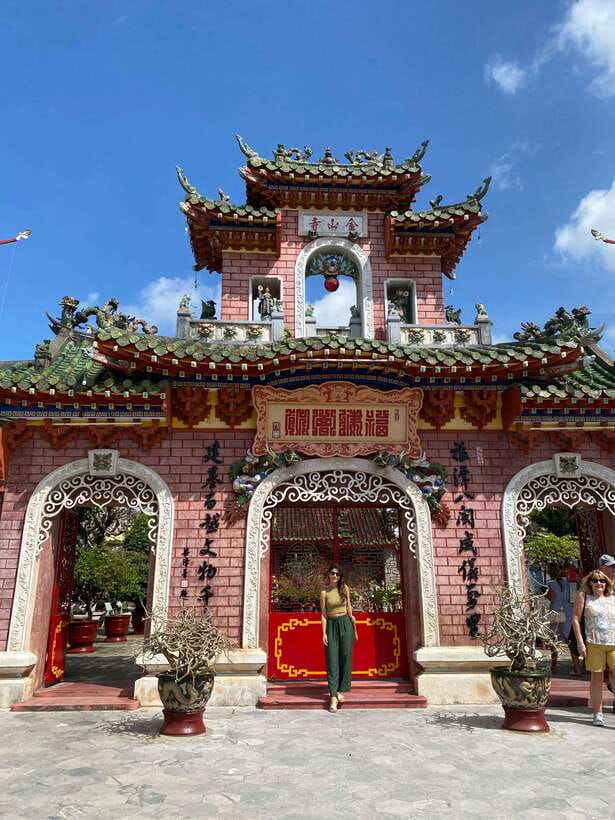
- 2) Fujian/Cantonese Assembly Hall: Why Community Buildings Matter
- 3) Japanese-Covered Bridge: The Stop Everyone Photos
- 4) Kazik Park: A Breather in the Middle of the Walk
- 5) Tấn Kí Heritage House: Architecture With a Story
- 6) Hoi An Traditional Art Performance House: Where Culture Becomes Action
- 7) Museum of Folk Culture: Short on Time, Long on Context
- 8) Hoi An Market: See Daily Life, Not Just Heritage
- Tea, Dessert, and the End Stop You’ll Remember
- The Best Part: Guides Like Trung, Duy, and Tom
- Tips for Getting More From This Walk (Without Overthinking)
- Who This Tour Fits Best
- Should You Book This Hoi An Walking Tour? My Take
- FAQ
- Do I need to pay an entrance ticket during the tour?
- Is this tour a small group?
- What’s included in the tour price?
- How long is the walking tour?
- Where do I meet the guide?
- Is pick-up or drop-off included?
- Can I cancel if my plans change?
Key Highlights I’d Prioritize
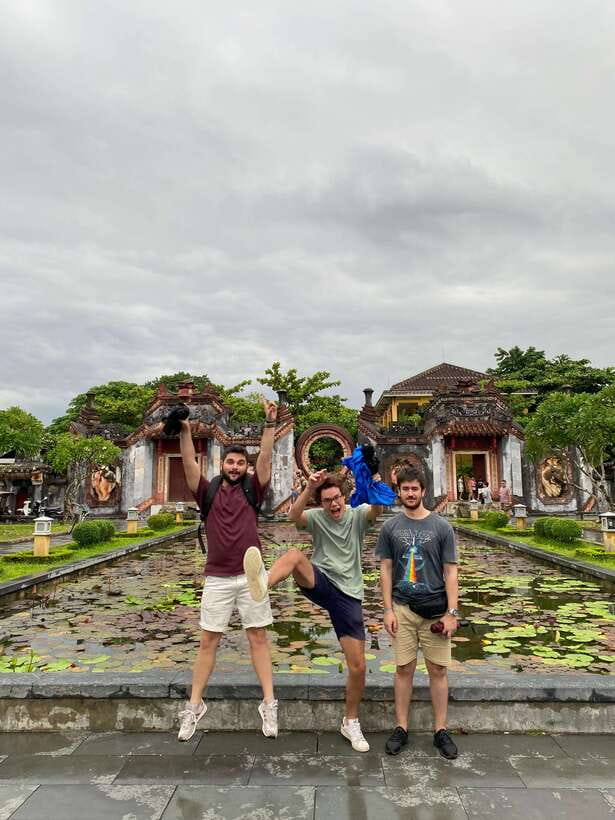
- Max 10 guests: easier pacing and better attention in a busy old town.
- Skip-the-line entry: use a separate entrance for the heritage site areas.
- Full circuit of iconic stops: temples, assembly halls, the Japanese-covered bridge, heritage houses, and the market.
- Indoor breaks: less suffering, more time to listen to the stories.
- Tea or local dessert included: a real pause that feels part of the experience.
- Guides who give usable recommendations: coffee, restaurants, and tailor shops to check after the walk.
A 150-Minute Hoi An Orientation Without the Guesswork
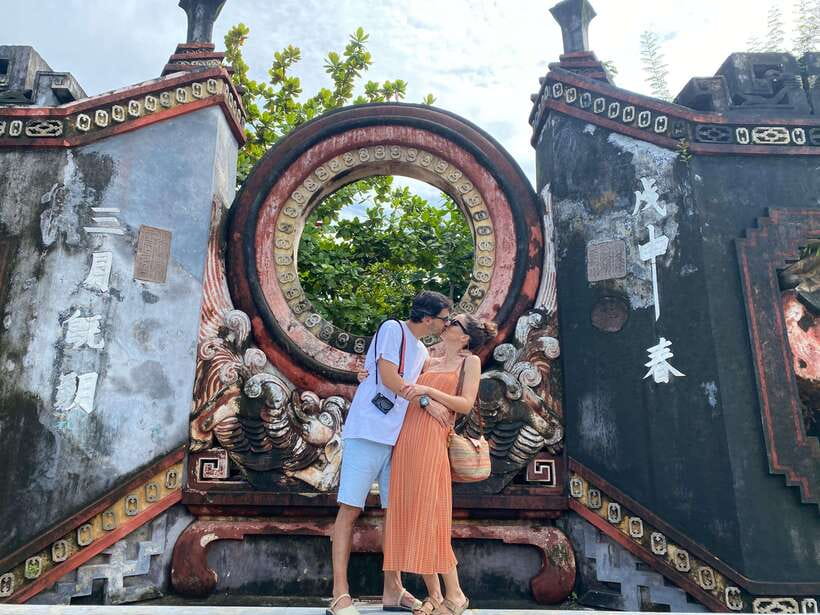
If you only have a short window in Hoi An, this is the kind of tour that helps you move smarter. The route is built to show you the old town’s “why” behind the “what,” so you don’t just take photos—you understand what you’re looking at.
The timing is also practical. At roughly 150 minutes, you get a concentrated introduction before you go exploring on your own, whether that means shopping lanes, late-evening lantern streets, or hunting down the best bánh mì later.
And yes, the walk works even when the streets feel chaotic. On busy days, guides like Trung have kept groups close so nobody gets separated—like sticky rice, one guest joked.
You can also read our reviews of more tours and experiences in Hoi An.



Where You Meet and How the Tour Starts Smoothly

The meeting point is easy to find once you know what to look for: 95 Đ. Phan Chu Trinh Street, in front of a tailor shop at the corner of the intersection. That matters because the old town can be a maze, and you want the first 5 minutes to be simple.
You’ll be walking with an English-speaking local guide, and the group stays small (up to 10). The tour is set up for comfortable movement, and you’ll also get some time at each stop to take photos and look around—not just a rush-by.
A quick reality check: this isn’t a stroller-friendly tour (baby strollers aren’t allowed), and it’s not suitable for babies under 1 year. If you’re traveling with a stroller, you’ll want to plan a different activity for mobility.
Price and What You’ll Really Pay in Hoi An

The headline price is $14 per person, which is strong value for a guided circuit that hits multiple heritage sites and includes a drink or dessert. For many visitors, paying for a good guide is the smartest “time saver” money can buy in Hoi An.
But here’s what you should budget for: the UNESCO-area entrance ticket is 120,000 VND per person, and it’s not included. It’s also listed as cash-only, so I’d come prepared before you start wandering.
So the best way to think about the value is this: you’re paying for the guidance, the route, and the context. The entrance ticket is the only extra fee you need to plan for—and once you factor that in, the tour still compares well to paying separately for multiple sights and then trying to figure out the story behind them.
Route Walkthrough: From Ba Mu Temple to the Folk Culture Museum
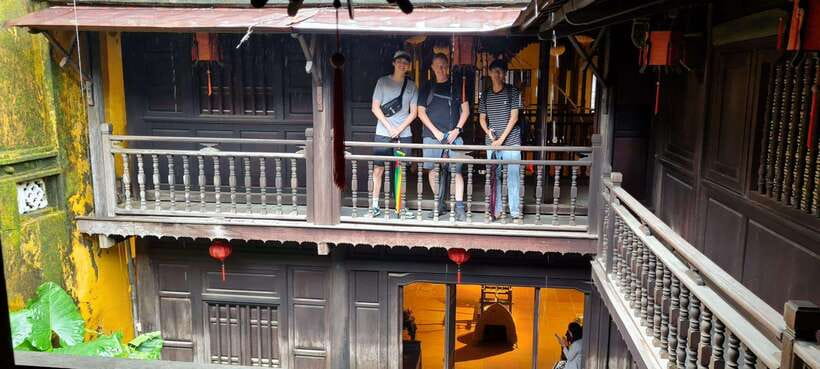
This tour is designed like a guided “layers of Hoi An” walk. You’ll move through religious and community sites, then into architecture that shows different historical influences, and finally end at a market area where everyday life kicks in.
It also includes plenty of photo spots and hidden alley moments. That’s the difference between walking and learning the town’s layout, because the guide knows where to stop for both views and details you might otherwise miss.
1) Ba Mu Temple Gate: Starting With the Local Landmark
You’ll begin at the Ba Mu Temple gate area—an early cue that Hoi An isn’t just a pretty streetscape. This is the kind of stop that helps you grasp how the town’s culture is tied to community beliefs and long-standing traditions.
What to watch for here: look at how the gate and nearby space set the tone for the rest of the walk. The guide’s job is to connect symbols and layout, so keep your camera ready but your ears even more ready.






2) Fujian/Cantonese Assembly Hall: Why Community Buildings Matter
Next comes the Fujian/Cantonese Assembly Hall in Hoi An. Assembly halls in places like this often tell you how migrant communities organized themselves—where they met, how they celebrated, and how they stayed connected.
The value for you: instead of seeing “another old building,” you’ll understand why it exists and what it meant to people living there. This is where guides like Duy and Tom tend to shine in Q&A, because guests love asking what the architecture is trying to say.
3) Japanese-Covered Bridge: The Stop Everyone Photos
Then you hit the Japanese-covered bridge. Even if you’ve seen it in photos already, seeing it in context changes the experience. You’ll understand what it represents in the town’s long exchange of influences—not just that it looks great.
You’ll also get opportunities to take photos at the right angles. Multiple guests mention that their guides helped them capture landmarks, which is a nice bonus when the streets are crowded and timing matters.
4) Kazik Park: A Breather in the Middle of the Walk
Kazik Park is a useful pause point. Even on days when the old town feels tight, this stop gives you a reset—space to regroup, grab water if you need it, and refocus before the next cluster of indoor heritage sites.
This is also where the “many indoor break stops” idea starts making sense. The tour doesn’t treat rest as a failure. It treats rest like part of how you experience Hoi An without rushing.
5) Tấn Kí Heritage House: Architecture With a Story
You’ll visit the Tấn Kí Heritage House next. Heritage houses are where Hoi An turns from “landmark sightseeing” into “human scale.” These are the places that show daily life patterns, family space, and how homes were built to fit their era.
What I’d do as a visitor: slow down at the points your guide highlights. These houses reward attention—details are often the whole point, and the guide’s explanation helps you see what you’re otherwise likely to overlook.
6) Hoi An Traditional Art Performance House: Where Culture Becomes Action
Then there’s the Hoi An Traditional Art Performance House. This stop connects the dots between architecture, community identity, and how traditional culture gets shown in performance.
If you’re planning to watch any kind of traditional show later, this is the kind of stop that can make the performance easier to understand. One guest even noted that doing the walk first makes a later show feel more meaningful.
7) Museum of Folk Culture: Short on Time, Long on Context
The Museum of Folk Culture is a strong “explain it plainly” stop. When the guide takes you through, you get the big-picture view: what folk traditions look like in real life and how they connect back to the town.
If you enjoy learning without being stuck reading wall text for an hour, this works well. You’ll get the highlights, and you’ll likely feel ready to explore the town’s other cultural venues afterward.
8) Hoi An Market: See Daily Life, Not Just Heritage
Finally, you end up at the Hoi An Market. This is where the tour shifts from heritage storytelling to the everyday rhythm of the city. Markets can be overwhelming if you arrive with no plan, so arriving with a guide helps you understand what you’re seeing.
This stop also pairs well with the tour’s pacing. By the time you reach the market, you’ve already learned the key “sight landmarks,” so you can focus on the human side: vendors, products, and the motion of normal life.
Tea, Dessert, and the End Stop You’ll Remember
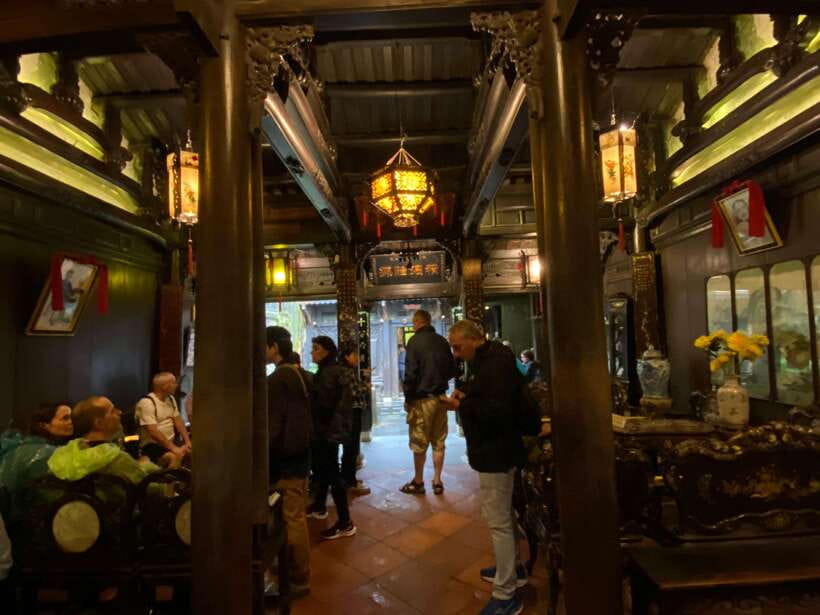
Food and drink are not an afterthought here. The tour includes a traditional dessert or local tea, which gives you a real break instead of a vague “somewhere nearby, good luck.”
Some guests also mention the end stop at Mót for a refreshing herbal drink included in the tour. That’s the kind of finish that feels practical: you cool down, you sit, and you digest what you just walked through.
If you’re the kind of person who hates tours that feel like a checklist, this element helps. It turns the experience into a normal human afternoon, not a staged museum run.
The Best Part: Guides Like Trung, Duy, and Tom
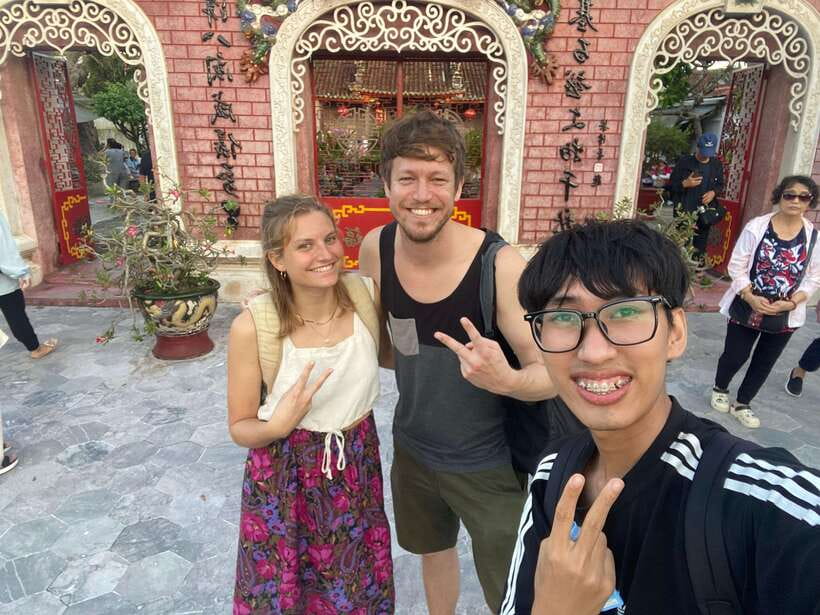
This is a walking tour, but the guide is the product. The high praise across the board focuses on a few things: clear English, humor that doesn’t feel forced, and real answers to questions.
Trung is repeatedly praised for being friendly, attentive, and flexible in crowded conditions—especially around Tet when streets can feel extra tight. Duy shows up in reviews as energetic, funny, and willing to answer just about anything about Hoi An and Vietnam. Tom and Yui also get credit for being engaging and keeping the pace relaxed.
Here’s what that means for you: you’ll likely spend more time understanding the town and less time Googling explanations while everyone else walks ahead.
Tips for Getting More From This Walk (Without Overthinking)
A small group tour is only small if everyone stays together. So do yourself a favor: keep your pace aligned with the guide, and don’t drift for long photo breaks. The guides do a lot of work managing spacing, and your job is just to stay present.
Also, bring comfortable clothes. You’re walking in a dense heritage area, and you’ll be moving between open and indoor spaces. Comfortable shoes matter more than you think because the old town can feel endless when you’re not used to it.
If you’re visiting during a busy holiday season, expect crowds. The good news is that the guide’s role becomes more important then, not less. You’ll feel more protected from the chaos and better able to enjoy the sights.
Who This Tour Fits Best
This tour is ideal if you’re:
- Doing your first visit to Hoi An and want the main landmarks with context
- Short on time but still want a guided route through heritage sites
- Traveling with a group of mixed ages or interests where everyone benefits from clear explanations
- The type who likes practical recommendations for food, coffee, and shopping afterward
It may be less ideal if you’re:
- Traveling with a stroller (baby strollers are not allowed)
- Bringing a baby under 1 year
- Hoping for a slow, independent roam with zero guidance
Should You Book This Hoi An Walking Tour? My Take

Yes, you should book it if you want your first Hoi An day to feel organized and meaningful. For the money, you’re getting a guided loop of major heritage sites, a small-group experience, and included breaks with tea or dessert—plus restaurant and tailor recommendations you can use immediately after.
The main thing to get right is the UNESCO entrance ticket planning. Bring the cash for 120,000 VND per person, and you’ll avoid the annoying scramble that can happen when you’re excited and slightly hot.
If you want a smooth start that turns into better self-guided exploring later, this is an easy yes.
FAQ
Do I need to pay an entrance ticket during the tour?
Yes. The UNESCO heritage site entrance ticket is 120,000 VND per person, and it is not included. You’ll need cash to pay it.
Is this tour a small group?
Yes. The tour is limited to a small group of up to 10 participants, which helps with pacing and staying together.
What’s included in the tour price?
You get a local English-speaking guide, the walking tour with key heritage-site visits, photo spots and hidden alley stops, and a traditional dessert or local tea. You’ll also receive recommendations for places to eat, coffee shop options, and tailor shops.
How long is the walking tour?
The tour duration is 150 minutes (about 2.5 hours).
Where do I meet the guide?
Meet at 95 Phan Chu Trinh Street in Hoi An, in front of a tailor shop at the corner of the intersection.
Is pick-up or drop-off included?
No pick-up or drop-off is included.
Can I cancel if my plans change?
Yes. The listing states free cancellation up to 24 hours in advance for a full refund.