REVIEW · ROME
Rome: Colosseum, Arena and Ancient Rome Private Guided Tour
Book on GetYourGuide →Operated by Maya tours · Bookable on GetYourGuide
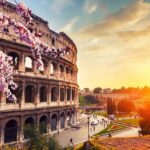
Getting into the Colosseum is the hard part. This private, small-group tour uses a separate entrance from the Gladiator’s Arena and pairs it with Palatine Hill views plus Roman Forum highlights, all guided in English.
I like that it’s structured and human-sized, not a cattle-queue style march. And because you’re with a real guide (not just signage), you get the stories behind what you’re seeing as you move from the Forum’s civic core up to the hilltop palaces.
One possible drawback: the timing is strict. The Colosseum reservations have no room for late arrivals, and entry is tied to photo ID and matching names—miss that window and you can be turned away with no refund.
In This Review
- Key things that make this tour worth your time
- The meeting point and the clock: don’t miss your Colosseum slot
- Entering the Colosseum via the Gladiator’s Arena entrance
- 1 hour in the Arena: what you should expect to learn
- Roman Forum (45 minutes): where civic life shaped the city
- Palatine Hill (45 minutes): Rome’s origins and the best viewpoints
- Private guide and small group: where the value really lands
- Price and what you get for it (and what you don’t)
- Practical packing and rules that can ruin your start
- Timing realities: how to protect the full three-stop route
- Who this tour suits best (and who should think twice)
- Should you book this private Colosseum, Arena, and Ancient Rome tour?
- FAQ
- How long is the Rome Colosseum, Arena and Ancient Rome private guided tour?
- Where is the meeting point for the tour?
- Is this tour private or shared?
- What does the tour include?
- Does it include hotel pickup or drop-off?
- Are refreshments provided?
- What language is the guide?
- How strict is the arrival time at the Colosseum?
- What ID do I need to bring?
- Is the tour wheelchair accessible?
Key things that make this tour worth your time
- Gladiator’s Arena entrance access: easier entry flow than the main crowd route.
- A private English guide for a small group: more explanation, less waiting around.
- Three major sites in one plan: Colosseum (1 hour), Roman Forum (45 minutes), Palatine Hill (45 minutes).
- Strict ID and name matching: photo ID is mandatory, and full names must match your documents.
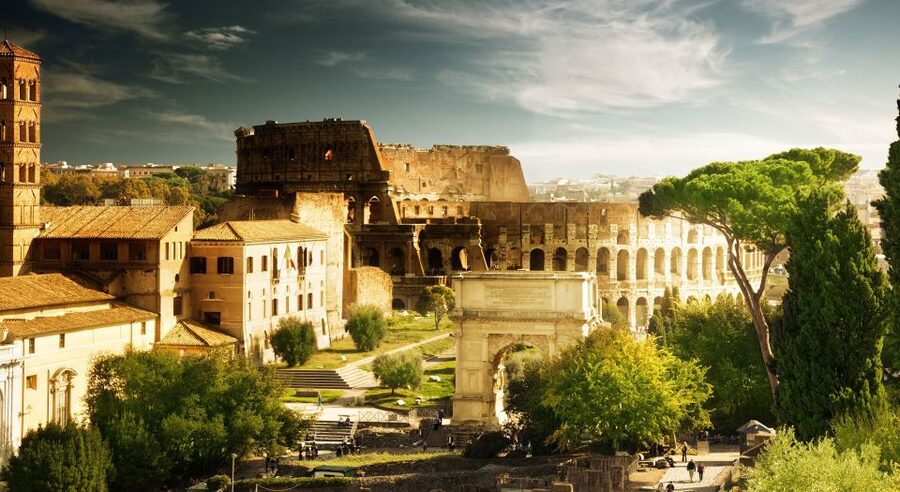
- Views from Palatine Hill: you get that classic look over the Forum area and beyond to Circus Maximus.
The meeting point and the clock: don’t miss your Colosseum slot
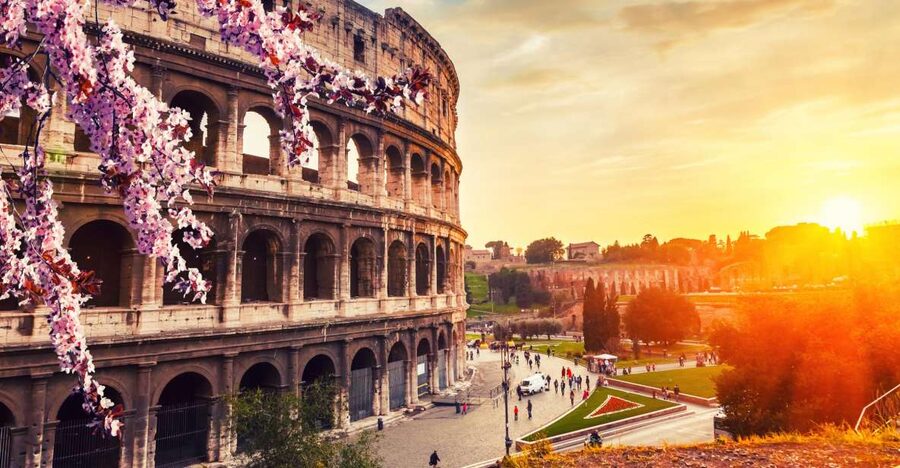
This tour starts right at the Colosseum area: Piazza del Colosseo, 21, at the Green Kiosk outside the Colosseo Metro (ground floor entrance). After you book, the operator organizes the rest, and your guide will be holding a Maya tours flag to escort you inside.
Here’s the big practical point: you must be early enough to clear the Colosseum process. The guidance is consistent: arrive 15 minutes before your booked time, and also note the monument requirement of being there at least 20 minutes prior to departure. If you’re late, you may not be able to join and you won’t be entitled to a refund.
No hotel pickup helps here—this is very much a show-up-and-go plan. That can be a plus if you like control, but it means you should plan your metro/walk time carefully and give yourself a buffer.
You can also read our reviews of more tours and experiences in Rome.
Entering the Colosseum via the Gladiator’s Arena entrance
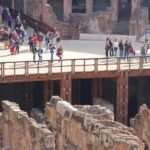
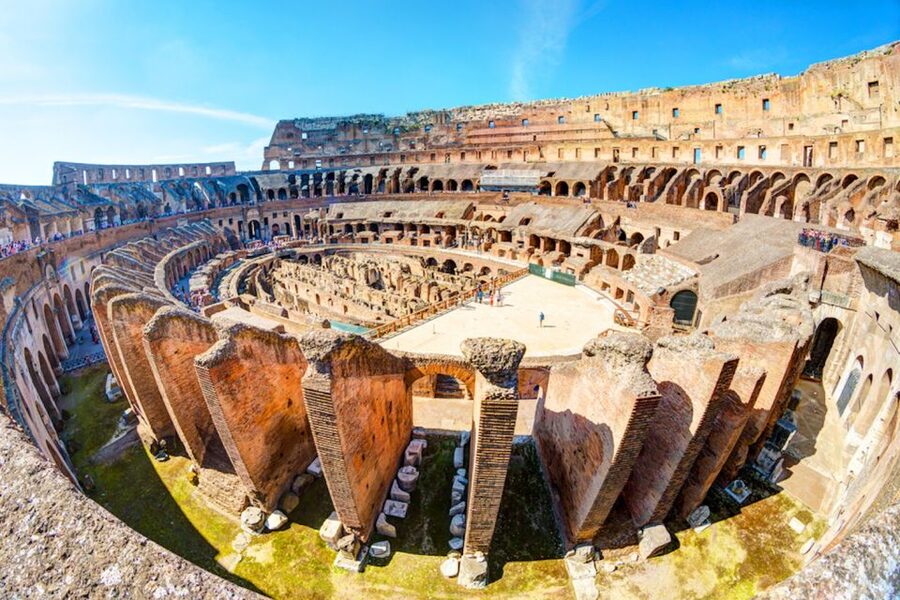
Most first-timers expect the Colosseum experience to be mostly about the outside. On this tour, you get the advantage of entering from the Gladiator’s Arena entrance, which makes the whole start feel smoother and more dramatic.
Your guide helps you through the gate process, including security, and then gets you onto the right track with your ticket in hand. The tour includes admission, so you’re not stuck hunting for a ticket kiosk while everyone else moves ahead.
Also pay attention to what you can bring. The rules say no luggage or large bags, and no glass, sharp objects, alcohol, spray, or weapons. Traveling with minimal carry-on is the easiest way to avoid delays.
And if you’re visiting during the Jubilee period, keep in mind that some areas can be under restoration and may close with last-minute changes. That’s not something you can fully control, so build in flexibility.
1 hour in the Arena: what you should expect to learn
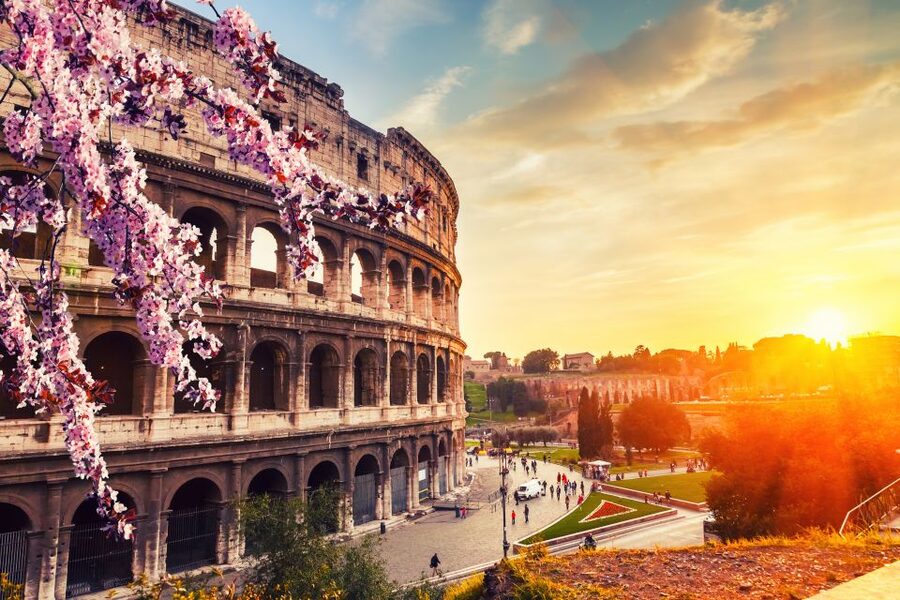
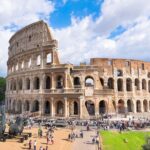
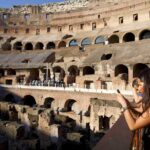
The Colosseum stop is listed as 1 hour, and it’s the heart of the tour for many people. This is where a good guide changes the experience from seeing ruins to understanding how it functioned.
You’ll focus on the Arena level and the logic of the spectacle. The guide’s job is to connect three things:
- how the games worked (and who organized them),
- where different types of people sat,
- and the human stories behind gladiators and their training.
That matters because the Colosseum can feel like a giant shell until you know what to look for. With a guide, you can start noticing how the seating and access would shape who had comfort and status. You’re also more likely to catch the legends and the less-obvious details that explain why people still talk about gladiators like they were celebrities—and why the show was tied to power.
A quick reality check: timing here is strict. If your group runs long at the start, the rest of the route can get pressured. So it’s smart to arrive early, be ready for security, and keep your schedule calm.
Roman Forum (45 minutes): where civic life shaped the city
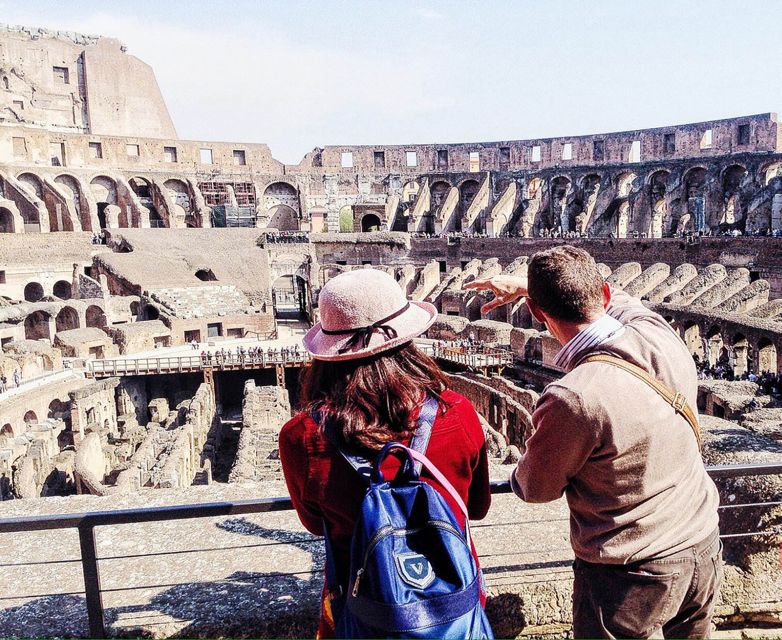
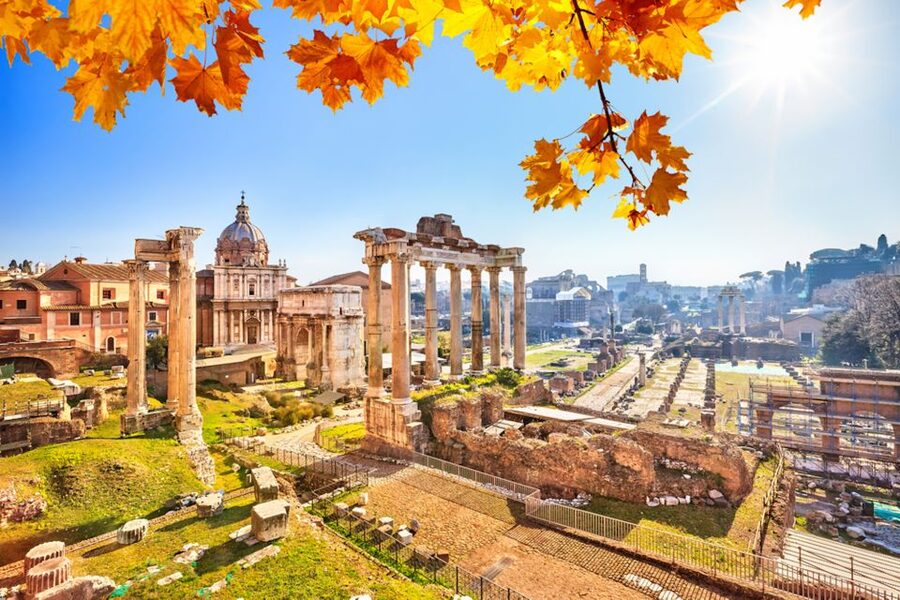
After the Colosseum, you head to the Roman Forum, with a 45-minute guided segment. This is the stop that turns the Colosseum from a performance venue into a piece of a larger political machine.
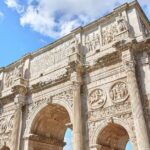
The Forum is described as once being a marketplace and then evolving into the center of public life—politics, religion, and commerce. That’s a lot, and the key is that you’re not wandering aimlessly. The guide should help you see the layout as something intentional: plazas, temples, basilicas, and monumental arches.
One useful angle is the idea of reading inscriptions and architecture as evidence. Even if you can’t interpret everything yourself, your guide can point out patterns—what different structures signal, and how they connect to the way Romans practiced government and worship.
Because the Forum stop is under an hour, you won’t have time to fully wander each corner like an independent day trip. But as a guided introduction, it’s excellent. You’ll leave with a clearer sense of what mattered and why, so your later strolls feel more grounded.
Palatine Hill (45 minutes): Rome’s origins and the best viewpoints
Your final major stop is Palatine Hill, another 45-minute guided visit. If the Forum is about civic power, Palatine is about prestige—where emperors and elite Romans lived and projected authority.
This is also where the tour leans into myth and origin stories. Palatine Hill is often described as where Rome was born, and the guide’s job is to connect those origin myths to what you can actually see in the ruins and remaining palace areas.
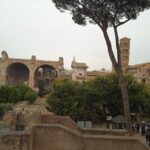
And then there are the views. Palatine Hill is famous for looking down onto the Forum area, and it also offers sightlines toward Circus Maximus. That matters because it shows you the scale and the geography of ancient Rome—how venues, neighborhoods, and centers of authority fit together.
In a compact tour like this, the viewpoints are a payoff. You’ll likely end the tour feeling like you finally understand where everything sits, not just what’s standing in front of you.
Private guide and small group: where the value really lands
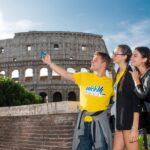
This is a private group tour with a professional private guide in English, so you’re not competing with a huge herd. The guide’s role is the difference-maker, especially at the Colosseum and Forum, where the stone details can be confusing without context.
I also appreciate that the tour’s design favors interaction. You’re meant to ask questions, and the guide can steer you toward the most meaningful sights rather than trying to cover everything.
The provided review-style information highlights guide personalities too. Names like Susi show up with notes about a personable, easy-going style with lots of information delivered in a pleasant way. Another guide, Renè, is described as professional with humor, and the organization was called out as a strong point. That suggests the operator takes guide quality seriously, not just logistics.
Still, remember that private tours are only as strong as their on-the-day execution. The schedule is tight, and if something slips, you may feel it more because there are fewer people and time slots to absorb delays. That’s why arriving early and showing up ready is your best insurance.
Price and what you get for it (and what you don’t)
At $477.67 per person for a 3-hour experience, this isn’t a budget option. The value comes from three things you do get:
- Admission ticket included
- Professional private guide
- Access to the Colosseum, Roman Forum, and Palatine Hill
You’re paying for reduced friction (like skip-the-line-style routing via a separate entrance) and for the guide time that helps you convert ruins into stories. If you’re traveling with a group of two or four and want an explanation-focused visit, it can start to feel more reasonable than DIY plus multiple ticket hassles.
What you don’t get: hotel pickup/drop-off and refreshments. Those add-ons can matter. If you expect a snack break or you don’t want to navigate meeting points, you’ll need to plan for that yourself.
Practical packing and rules that can ruin your start
This tour is strict about entry. Plan to bring:
- Passport or ID card (a copy is accepted, but the tour notes ID is mandatory)
- The correct full names for all travelers, matching what appears on your ID
On the restrictions side, follow these basics:
- No weapons or sharp objects
- No large bags or luggage
- No glass objects, alcohol, spray
- No unaccompanied minors
One more “be ready” item: the tour is listed as not suitable for wheelchair users. That’s something to take seriously, because ancient sites often have uneven surfaces and steps.
If you’re traveling light and you arrive early, you reduce the odds of any nasty surprise at security.
Timing realities: how to protect the full three-stop route
The planned itinerary is Colosseum 1 hour, then Roman Forum 45 minutes, then Palatine Hill 45 minutes. Total on paper is 2 hours 30 minutes, but the overall duration is listed as 3 hours, which usually accounts for movement time, orientation, and the on-site entry process.
So you should expect it to feel brisk but not frantic—if the group runs on time. The tight Colosseum rules make this especially important. Your best move is simple: arrive early at the Green Kiosk, be ready with your ID, and don’t treat this as a “we’ll find them” meeting.
If you’re someone who hates rushing, consider booking an earlier departure slot or choosing a day when you don’t have a same-area plan immediately afterward. The Colosseum timing can set the tone for the rest of your day.
Who this tour suits best (and who should think twice)
This tour is a strong match if you want:
- a structured intro to the Colosseum + Forum + Palatine in one pass,
- a guide who can connect the visible ruins to how the ancient world worked,
- and a smoother entry process than the main walk-in crowd.
It’s also a good fit for families who want clarity without spending hours trying to piece it together. The style notes in the provided guide information suggest some guides are very family-friendly in pacing and explanation.
Where it may not fit as well: if you rely on mobility accessibility, or if you need a very slow, linger-long pace. The route is compact, and the monument timing requirements mean you can’t casually wander at the start.
Should you book this private Colosseum, Arena, and Ancient Rome tour?
If your priority is getting into the Colosseum efficiently and leaving with a clearer sense of how Rome’s power worked—games, politics, elite life—this is a smart choice.
Book it if:
- you value an English guide and want explanations as you walk,
- you’re okay meeting at Piazza del Colosseo, 21 and handling security quickly,
- and you can arrive early enough to meet the strict timing rules.
Skip it or look for another format if:
- you need long pauses for photos or slow strolling,
- you have mobility/access needs,
- or you’re traveling with a very flexible schedule and might risk being late.
For the money, the best case is when you treat this as a focused guided route. Do that, and you’ll walk away with more than pictures—you’ll have a mental map of how the Colosseum, Forum, and Palatine Hill connect.
FAQ
How long is the Rome Colosseum, Arena and Ancient Rome private guided tour?
The tour duration is listed as 3 hours, with specific start times available based on availability.
Where is the meeting point for the tour?
The meeting point is Piazza del Colosseo, 21, at the Green Kiosk outside Colosseo Metro ground floor entrance.
Is this tour private or shared?
It’s a private group tour, meaning you have a private guide experience for your group.
What does the tour include?
It includes the admission ticket, a professional private guide, and access to the Colosseum, Roman Forum, and Palatine Hill.
Does it include hotel pickup or drop-off?
No. Hotel pick-up/drop-off is not included.
Are refreshments provided?
No. Refreshments are not included.
What language is the guide?
The live guide is English.
How strict is the arrival time at the Colosseum?
Colosseum reservations are strict. You’re required to be at the meeting point at least 20 minutes prior to departure time. If you arrive late, it will not be possible to join or reschedule and you won’t be entitled to a refund.
What ID do I need to bring?
Bring a passport or ID card. A copy is accepted, but photo ID is mandatory for monument entry. You must also provide full names matching the ID before entry.
Is the tour wheelchair accessible?
The activity is not suitable for wheelchair users.