REVIEW · NEW DELHI
Old Delhi Food, Heritage&Cultural Walk with Rickshaw ride to Masterji Kee Haveli
Book on Viator →Operated by Masterji kee haveli dot com · Bookable on Viator
Old Delhi tastes like a story. This small-group walk mixes safe street-food tastings with an easy rhythm—so you’re not just walking until your feet rebel. You also get a rickshaw ride to catch your breath as you move through tight lanes and busy markets.
I like that the guides bring Old Delhi to life with real on-the-street context (some guides I’ve seen leading tours include Varun and Vivian, both praised for clear storytelling). The main consideration: Old Delhi is a working area with conservative expectations, so plan for modest dress and expect that you might need to remove footwear before entering a home.
In This Review
- Quick Hits
- Old Delhi Food and Heritage: Why This Style of Tour Works
- Getting Your Bearings Near Ajmeri Gate and Chandni Chowk
- Masterji Kee Haveli: The Best Reason to Choose This Tour
- Khari Baoli Spice Market: Asia’s Wholesale Spice Hub in 30 Minutes
- Street Food, Breakfast, Lunch or Early Dinner: What You Actually Get
- Rickshaw Riding and Bazaar Time: Slower Than a Taxi, Faster Than Walking
- Price and Value: Is $52.73 Worth It?
- Who This Tour Fits Best (and Who Might Want a Different Plan)
- Should You Book This Old Delhi Food, Heritage & Cultural Walk?
- FAQ
- How long is the Old Delhi food and heritage walk?
- What does the tour cost and how far in advance do people book it?
- What’s included in the tour?
- Are there admission tickets required for the stops?
- What is the maximum group size?
- Where do I meet and where does the tour end?
- Do I need to tip the guide?
- What should I wear for Old Delhi?
- How can I get there easily?
- What if I need to cancel?
Quick Hits
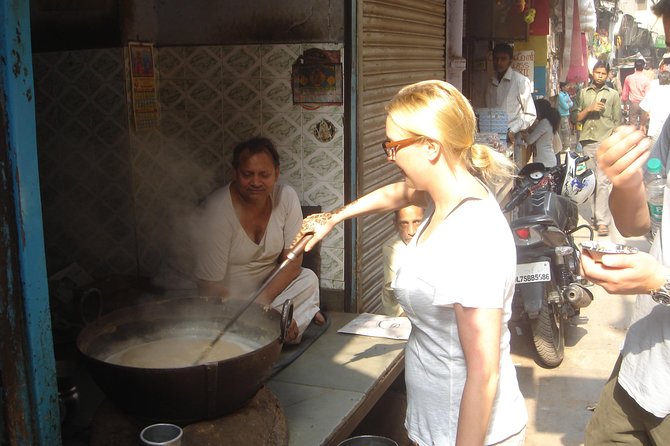
- Small group pace (max 8): more time for questions and smoother movement through lanes
- Masterji Kee Haveli meal: a traditional home-cooked complimentary food experience inside an Old Delhi mansion
- Khari Baoli in half an hour: Asia’s largest wholesale spice market, operating since the 17th century
- Rickshaw + street-level access: you get a ride to rest your legs and still see the real shopping corridors
- Food built into the timing: breakfast plus lunch or an early dinner, depending on your tour start time
Old Delhi Food and Heritage: Why This Style of Tour Works
Old Delhi can feel like sensory overload on your own. That’s exactly why a guided walk helps: you get direction fast, plus context for what you’re seeing. This tour keeps things human-scale with a small group (up to 8 people), so you’re not stuck following a giant pack or shouting over traffic.
The heart of the experience is simple: food, stories, and a direct look at how people live and trade. You’ll walk through local bazaar streets and wholesale areas, and you’ll also get time to step behind the storefront curtain—specifically through a visit to Masterji Kee Haveli, an old private mansion that’s been home to a single family for generations. Instead of treating Old Delhi like a theme park, you’re seeing the living parts: shops, household culture, and the everyday social mix that shapes the neighborhood.
And yes, you’ll taste things. But this isn’t random “street food roulette.” The plan includes safe street-food tastings plus meals (breakfast and then lunch or early dinner depending on when you go). That matters because it turns food into a guided education: what’s served, why it’s used, and how it fits into local life.
You can also read our reviews of more tours and experiences in New Delhi.



Getting Your Bearings Near Ajmeri Gate and Chandni Chowk
You meet in Old Delhi near Ajmere Gate Road (Bazar Sirkiwalan, Chawri Bazar area). The tour ends at the Hamdard Building on Asaf Ali Road near Chandni Chowk. If you’re not staying close, plan your arrival around that location—this is not a “pickup at your hotel” kind of deal by default.
Two practical tips make a big difference:
- Use the Metro (Yellow Line) from the nearest station if possible. This part of Old Delhi is easier to reach on rail than by trying to fight road traffic.
- Come from the Ajmeri Gate side if you’re driving. The tour team notes that the driver should call the tour leader so everyone finds the exact starting point smoothly.
Also keep your day flexible. Start and finish times can shift due to participant levels, weather, traffic, and other real-world factors. Old Delhi doesn’t run on a schedule you can force.
If you need help coordinating where to get dropped afterward, the tour team can coordinate a ride drop-up to your car near the Hamdard Building area. That can save you time when your legs are tired and you’re trying to get back to a ride-hailing pickup zone.
Masterji Kee Haveli: The Best Reason to Choose This Tour
The tour’s standout moment is the visit to Masterji Kee Haveli. This is described as an Old Delhi private mansion where one family has lived for generations. That “single-family over time” detail changes the feeling of the experience. You’re not just touring a building; you’re visiting a home-space with long continuity.
Inside, you’ll get a chance to see how daily life works “behind the doors.” You’ll also be part of a traditional home-cooked complimentary meal tied to the visit. Food here isn’t an extra—it’s the point. It lets you understand what hospitality looks like in a home setting, not only in restaurants built for tourists.
One small but important etiquette heads-up: you may need to remove footwear to enter parts of the home. The tour notes this rule may apply in some areas, and it’s best to follow your host’s guidance when you arrive.
If you enjoy religious and community context, this stop also tends to deliver. In feedback tied to this experience, people highlight learning about how Hindu, Muslim, and Sikh communities shaped Old Delhi—and how that shows up in everyday life, not just in big monuments.
Khari Baoli Spice Market: Asia’s Wholesale Spice Hub in 30 Minutes
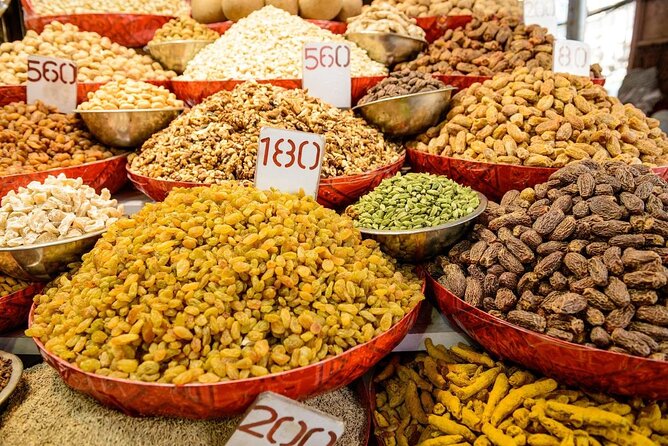
After the haveli and street-level wandering, you’ll move to Khari Baoli, one of the most famous spice corridors in Old Delhi. It’s described as Asia’s largest wholesale spice market selling spices, nuts, herbs, and related food products like rice and tea. It also operates as a market going back to the 17th century, which gives you a quick historical anchor as the scents hit you.
The timing here is clever. You get enough time (about 30 minutes) to take in the scale and the sensory chaos—without turning this into an hour of standing in place while your energy drains.
What you can expect:
- Tons of spice varieties you’ll likely recognize and some you won’t
- A busy, working-market atmosphere centered on wholesale buying and local trade
- A chance to connect the meal flavors you tasted earlier with the ingredients sold here
Also note: the spice market stop is listed as admission ticket free, which is good value if you compare it to other paid market tours that charge entry just to walk around.
If you’re the type who likes to buy souvenirs, this is one of the key areas where shopping time is built in. You’ll also have chances to browse for Indian souvenirs elsewhere during the walk, but this stop is the one with the most direct spice connection.
Street Food, Breakfast, Lunch or Early Dinner: What You Actually Get
A lot of Old Delhi food tours sell “tastings.” The difference here is that food is structured around the tour timing, so you leave fed.
Included meals depend on whether you go in the morning or afternoon:
- You’ll get breakfast plus safe street food tastings.
- Then you’ll get lunch for the morning start, or an early gala dinner for the afternoon start.
You also get drinks: coffee and/or tea are included, and during summer it’s noted that fresh lemon juice/lemonade is available. Bottled water is also included, which is not a small thing when you’re walking in heat and humidity.
Here’s the practical benefit: the tour handles the ordering and the “what’s safe” part with its local approach. You still want to be sensible—pace yourself, try small bites first, and follow your guide’s guidance on what to taste—but you’re not making these calls alone.
And because the guides are local friend–type storytellers and also work as photographers in the flow, you’re likely to get more than a checklist. You’ll get explanations for why certain foods are common in Old Delhi and how the street-food scene relates to local neighborhoods.
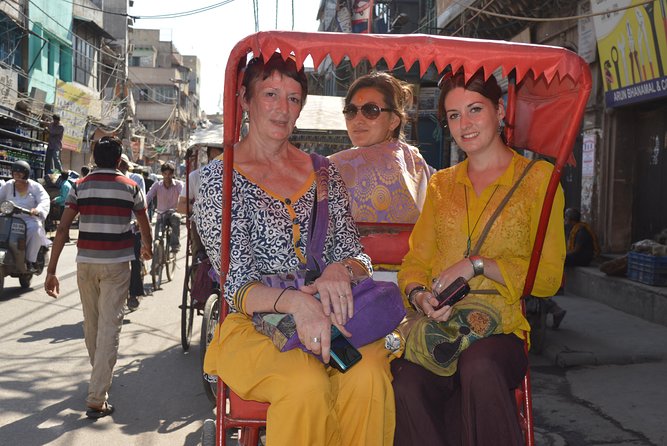
One more detail that helps: you won’t be stuck walking the entire time. Between the cycle/electric rickshaw ride and the walking sections, the tour builds in leg-saving movement so you can actually enjoy the tastings without feeling wrecked.




Rickshaw Riding and Bazaar Time: Slower Than a Taxi, Faster Than Walking
Old Delhi is packed. If you try to “do it all” on your own, you end up crisscrossing in a way that wastes time and energy. This tour uses two modes—walking and a cycle/electric rickshaw ride—so you get access to lane-level life while still keeping your body functional.
The ride does two things:
- It gives your feet a break at the exact moment you usually need one.
- It helps you cover small distances without losing the sense of being in the neighborhood.
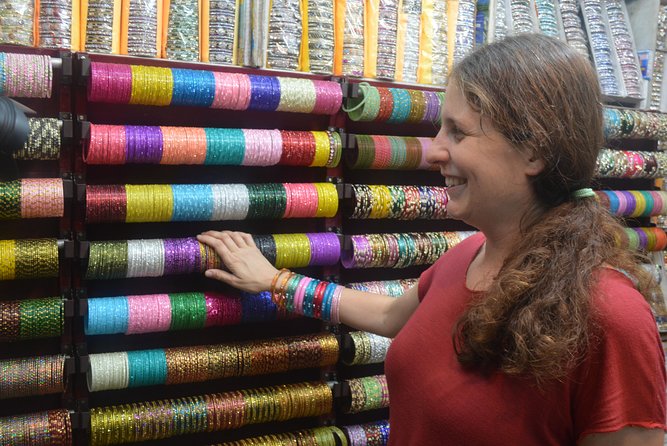
Shopping is also part of the plan. You’ll have time to shop for Indian souvenirs at bazaar stops, including areas tied to spices and jewelry. That combination works well because you can shop when your guide has contextual knowledge—what’s local, what’s common, what fits the neighborhood’s trading lanes.
A quick note on expectations: shop stops are time-boxed. If you go in hoping for hours of wandering to hunt bargains, you might feel rushed. If you want a guided route plus browsing time that doesn’t eat your whole day, it’s a strong setup.
Price and Value: Is $52.73 Worth It?
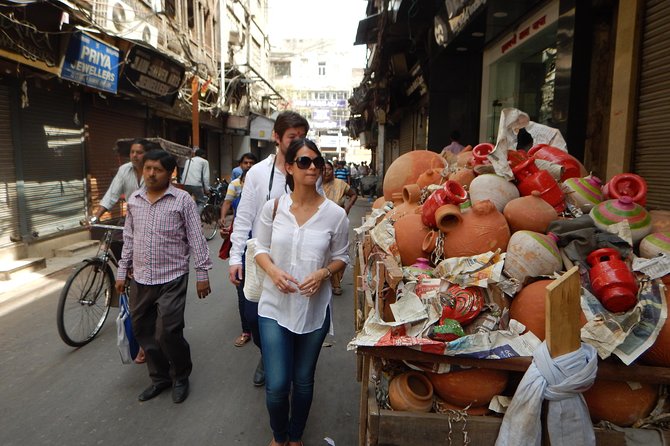
At $52.73 per person for about 4 hours, this tour can feel like a “deal” or feel pricey, depending on what you expect.
Here’s the value math that matters:
- You’re not just paying for a guide. You’re paying for included meals (breakfast plus lunch or early dinner), safe street-food tastings, and drinks (coffee/tea and sometimes lemonade/lemon juice).
- You also get bottled water, rickshaw rides, and a Masterji Kee Haveli visit with a complimentary home-cooked meal.
- The group size is small (max 8), which usually means you get better attention and fewer bottlenecks.
If you compare it to paying for a guide separately plus buying street food plus transport plus entry/experience costs, the package starts to make sense. You’re basically buying one guided day in a concentrated area: Old Delhi streets, a major spice market, and a home-based heritage stop, all linked to food.
One “watch your budget” point: the tour notes hotel pickup/drop-off can be arranged for an additional cost if you want it. If you’re already planning to use Metro or ride-hailing, you can keep spending under control.
Who This Tour Fits Best (and Who Might Want a Different Plan)
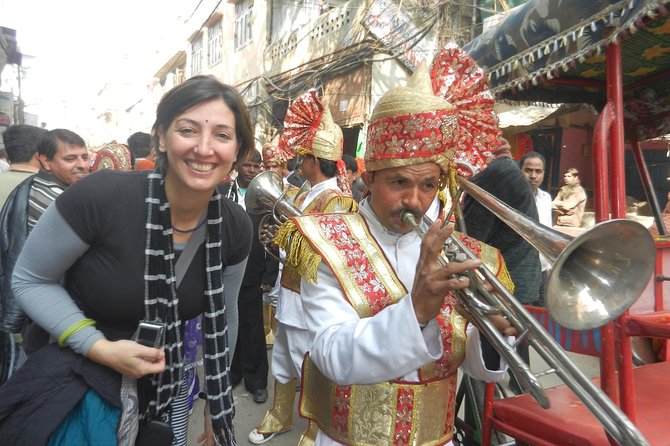
This is a good match if you:
- Want Old Delhi without navigating it alone
- Like food tied to stories and local context
- Prefer a small-group experience
- Appreciate community and religious history explained at street level, not only in museums
- Want a mix of walking and riding, so you don’t arrive home completely spent
It’s also a strong option for families. In the feedback for this experience, people mention kids around 9 and 10 enjoying the mix of food sampling and culture learning, and even asking for more.
You might reconsider if you:
- Strongly dislike street markets and tight lanes (this is very much that)
- Want a fully air-conditioned, slow-paced day
- Are unprepared for modest dress expectations in Old Delhi areas (cover shoulders and legs at least to the knee, plus a scarf is suggested, and a cap helps with sun)
- Get thrown off by occasional timing changes due to weather or traffic
Should You Book This Old Delhi Food, Heritage & Cultural Walk?
My take: book it if you want a high-impact Old Delhi day built around food, a spice-market hit, and a meaningful heritage stop with a home-style meal. The strongest reason is the combination—street food tastings paired with Masterji Kee Haveli, so you’re not just eating, you’re learning how the neighborhood feeds itself.
If you’re the type who enjoys asking questions and getting practical, local guidance from a guide who’s part of the area (Varun and Vivian are examples of praised guides), this tour fits your style. The small group size also helps you move through Old Delhi without feeling lost.
If you want the easiest day possible with zero cultural etiquette moments, then consider that Old Delhi includes modest dressing norms and possible footwear rules at a home visit. Plan for that, and you’ll get a tour that feels like a real introduction to the city’s everyday life.
FAQ
How long is the Old Delhi food and heritage walk?
It lasts about 4 hours (approx.).
What does the tour cost and how far in advance do people book it?
The price is $52.73 per person, and it’s commonly booked about 21 days in advance on average.
What’s included in the tour?
It includes bottled water, breakfast, safe street-food tastings, coffee and/or tea (and fresh lemon juice/lemonade in summer), lunch for morning tours or an early gala dinner for afternoon tours, cycle/electric rickshaw rides, and a visit to Masterji Kee Haveli.
Are there admission tickets required for the stops?
The itinerary shows admission tickets are free for both Old Delhi (including the Haveli visit) and Khari Baoli.
What is the maximum group size?
The tour has a maximum of 8 travelers.
Where do I meet and where does the tour end?
You start at Ajmere Gate Rd, Bazar Sirkiwalan, Chawri Bazar, Old Delhi, New Delhi. You end at the Hamdard Building, Asaf Ali Rd, Kalyanpura, Chandni Chowk, Delhi.
Do I need to tip the guide?
The tour asks that you do not offer tips and to not offend them by offering tips.
What should I wear for Old Delhi?
The tour recommends modest clothing: cover shoulders and dress so legs are covered at least to the knee. Ladies are advised to carry a scarf if possible, and a cap is suggested for sun protection. You may also need to remove footwear when visiting Indian houses, depending on the host’s rules.
How can I get there easily?
The tour strongly suggests using the Metro (Yellow Line) from the nearest metro station, or using Uber/Radio Taxi to reach the meeting area.
What if I need to cancel?
You can cancel for a full refund if you cancel at least 24 hours before the experience’s start time. Changes made less than 24 hours before start time aren’t accepted, and cancellations within 24 hours don’t get refunded.