REVIEW · KOCHI
Kochi Offbeat Shore Excursion-4 Hour Old Kochi Heritage Tour with Private Guide
Book on Viator →Operated by Iris Holidays · Bookable on Viator
Kochi hits hard in just four hours. This small-group, guide-led day mixes coastal Fort Kochi classics with Kerala food culture and Hindu ritual art, so you don’t just see landmarks—you understand why people build their lives around them. I especially love the chance to watch a real kolam (rice-flour line art) being created, and the way the route layers different communities through the streets, markets, and temples. One possible drawback: it’s not a food-and-drinks tour, so plan on buying water or snacks if you get hungry.
The value is strongest if you’re short on time—especially if you’re starting from a cruise area. You get entrance fees included, a professional English-speaking guide, and transport to keep the day from turning into constant tuk-tuk math. If you’re hoping for the most famous “postcard” stops like St. Francis Church or a Dutch Palace interior, note that those aren’t part of the standard route unless you request them.
In This Review
- Key points to know before you go
- Why a 4-hour Kochi Heritage Tour makes sense
- Getting from Ernakulam Wharf to Fort Kochi at 10:30am
- Chinese Fishing Nets: history, views, and a try-at-it moment
- Fort Kochi streets: Dutch Cemetery, Fort Emmanuel, temples, and henna
- Markets and coconut tools: how Kerala food work shows up in the tour
- Mattancherry and Princess Street: a walk that explains the neighborhood
- Koonankurishu Church: St. George relics and old Syrian Orthodox identity
- Tirumala Devaswom Temple and Sarpa Kavu (Abode of Snakes)
- The kolam demonstration: geometric rice-flour art you can actually watch
- Value for money: what $68.39 buys you in real terms
- Who should book this Kochi heritage tour (and who might not)
- Should you book it?
- FAQ
- What’s the duration of the Kochi heritage tour?
- What time does the tour start?
- Where do I meet the guide?
- Is pickup included?
- How big is the group?
- What does the tour include?
- Are food and drinks included?
- Can I add crowded attractions like St. Francis Church or the Dutch Palace?
Key points to know before you go
- Up to 12 people, private feel: Small-group size keeps questions easy and walking pace reasonable.
- Kolam demo by Brahmin women: You’ll see the geometric rice-flour artwork style made in front of a home.
- St. George Orthodox Koonan Kurish Church: Visit a place where relics of St. George are stored.
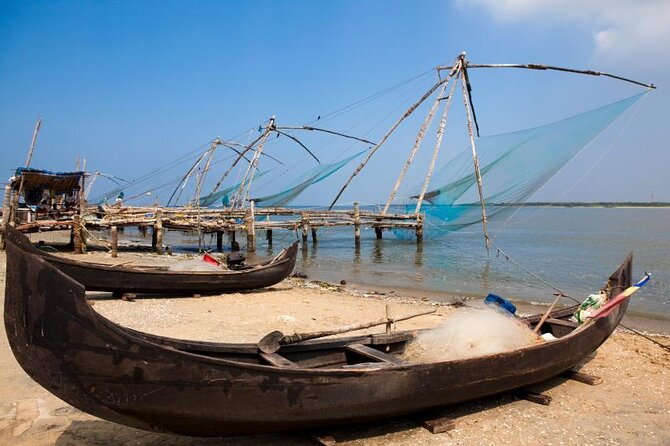
- Chinese fishing nets with a try-it moment: You’ll learn the background and get a chance to try fishing from the nets.
- Markets + coconut tool demonstrations: You’ll see how everyday food work happens in Kerala.
- Cruise-friendly timing: Pickup/drop-off ties to the Cruise Ship Terminal and the tour starts at 10:30am.
Why a 4-hour Kochi Heritage Tour makes sense
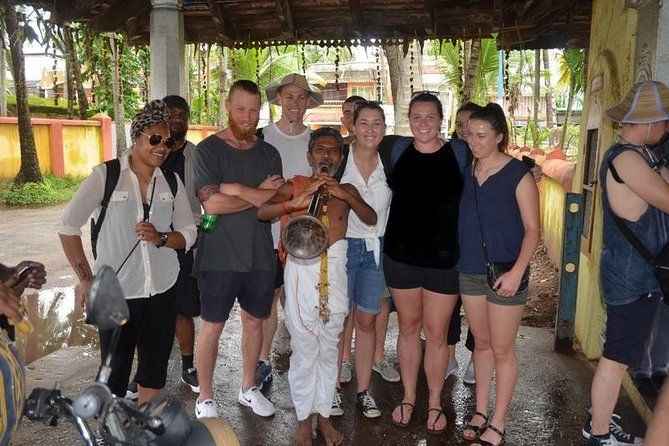
Kochi can feel like a scavenger hunt: Fort Kochi lanes, Mattancherry streets, temples tucked beside markets, and churches that don’t look like they belong to the same century. This tour is designed to stitch those pieces together without burning your whole day in transit. You’re out for about four hours, you’re with a guide the entire time, and you’re not left guessing which building matters.
I also like that the tour mixes “see it” with “watch it.” The kolam demonstration isn’t just a photo stop. The coconut tool viewing and local-market time give you context for daily life in Kerala, not only sightseeing.
The big thing to calibrate: this is heritage and culture, not a long museum day. If your dream in Kochi is a slow, deep walk through every church and palace, you’ll probably want to add extra time afterward. But if you want a smart hit of the area in one go, this format fits.
You can also read our reviews of more tours and experiences in Kochi.
Getting from Ernakulam Wharf to Fort Kochi at 10:30am
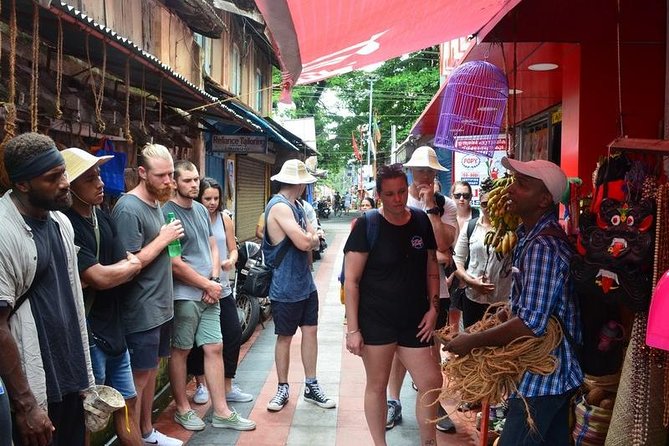
The start point is Ernakulam Wharf (Willingdon Island). The tour runs from 10:30am, and you’ll meet near the cruise area. If you’re selecting the option that includes hotel pickup and drop-off, that’s handled too—otherwise you’ll connect at the meeting point.
A practical detail that matters: the tour notes that you should share your ship details and pickup time after booking so the operator can arrange the right permit to come near the ship. If you’re on a cruise, do this promptly. It’s one of those quiet steps that saves you stress on the day.
Transportation is by air-conditioned cab/van, and you’ll move between Fort Kochi and Mattancherry areas. That reduces friction, especially in the middle of the day when heat and crowds can make foot-only touring tiring.
Chinese Fishing Nets: history, views, and a try-at-it moment
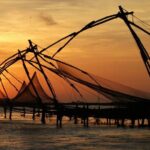
Your tour begins at the Chinese Fishing Nets in Fort Kochi. You get about 45 minutes here, and admission is included. This stop works for two reasons.
First, it’s a living sight. These nets are tied to the coastline rhythm, so you’re not just looking at a monument—you’re watching an active coastal practice. Second, the guide gives the history, then you get time to orient yourself along the shore.
The standout twist is that fishing isn’t purely theoretical. The tour includes a chance to try your luck with fishing in the nets. You shouldn’t expect a professional haul—this is more about the experience and learning how the system works—but it’s a memorable way to interact with the landscape.
If you care about photos, arrive mentally ready for quick angles. You’ll have time to look around, but the stop is timed, so don’t over-plan a giant photo shoot at the expense of listening to the guide’s explanation.
Fort Kochi streets: Dutch Cemetery, Fort Emmanuel, temples, and henna
After the nets, the route shifts from coast to old neighborhood lanes. You’ll head toward the Dutch Cemetery and Fort Emmanuel, then continue along a beach lane toward Manjal Bhagvati Temple. The temple visit is described as an outside viewing, which keeps the tour moving without turning it into a long ceremony block.
This is also where the tour becomes about textures and daily life. You’ll have market time where you see how common foods are made and you can wander colorful stalls. That matters because Kochi isn’t only churches and colonial stones. It’s also spice, coconut, grain, and the kind of work you smell before you fully see.
Henna is another optional-and-included piece. The plan mentions time for a henna treatment nearby if desired (own expense), and it also includes henna application for ladies in the group at a local house with floral designs using organic paste. If you have strong preferences, ask your guide how it’ll be handled for your group before you wander off.
Markets and coconut tools: how Kerala food work shows up in the tour
One of the most practical parts of this itinerary is the stop that shows tools for coconut dehusking and winnowing, plus other food-related items used in Kerala. It’s one of those experiences that sounds small until you see how much labor and process sits behind a simple ingredient.
Even if you’re not buying anything, this helps you read what you’re seeing later in the markets. You’ll understand why certain products are handled a certain way and why textures matter in Kerala cooking. It’s also a good break from standing in traffic-heavy streets—this is a focused demonstration.
What to watch for: take your cues from your guide. If they point out what happens first and what comes after, you’ll get more from it than if you just film. These demonstrations can be short, and the “why” is the best part.
Mattancherry and Princess Street: a walk that explains the neighborhood
The next section brings you to Mattancherry with about one hour on the ground. This includes walking through Princess Street in Fort Kochi. That street-level portion is valuable because it slows the story down. You get to see shopfront rhythm, street-scale architecture, and how the area feels to move through.
This is also where you’ll likely feel the blend of influences your guide talks about. The tour explicitly frames Kochi’s development through contributions from Hindu, Christian, Arab, Dutch, and British communities. You’ll feel those layers in different buildings and the way markets and religious sites sit side by side.
A small practical note: one hour can pass fast on foot, especially if the guide is stopping to explain details. Stay with the group, then linger after if you want to shop or snack.
Koonankurishu Church: St. George relics and old Syrian Orthodox identity
Your church stop is the St. George Orthodox Koonan Kurish Old Syrian Church (also called Koonankurishu Pally). You’ll spend about 30 minutes here, and admission is listed as free.
The big reason this stop matters is what’s housed there: the relics of St. George are stored at the church. Even if you’re not deeply religious, the idea of relics changes how people treat space. It’s not just a building to photograph; it’s a place with spiritual weight and a long identity in the community.
The tour plan also emphasizes the church’s architecture and history, so you’ll likely get a guided explanation of what you’re seeing rather than a quick “stand here, take a picture, move on” stop. That guided framing is the difference between “I visited a church” and “I understand what this place represents.”
Keep your expectations realistic: 30 minutes is not enough to read every corner of a major sacred site. It’s a targeted visit—focused on the highlights and the story.
Tirumala Devaswom Temple and Sarpa Kavu (Abode of Snakes)
Next up: religious Kochi in a different register. You’ll view Tirumala Devaswom Temple from the outside, then visit the Abode of Snakes at Sarpa Kavu.
The Sarpa Kavu stop is described as containing representations of snake deities, and it’s believed to be inhabited by snakes. That combination—artful representation plus local belief—is the kind of detail that gives Kochi personality. It explains why people treat certain spaces with special care.
This is a good stop if you like cultural oddities that are meaningful, not just strange. The tour also positions snake worship as part of the broader local belief system tied to protection and reverence.
A practical way to enjoy it more: keep your tone respectful and slow down. Outside viewing still works best when you don’t rush past what the guide is pointing out.
The kolam demonstration: geometric rice-flour art you can actually watch
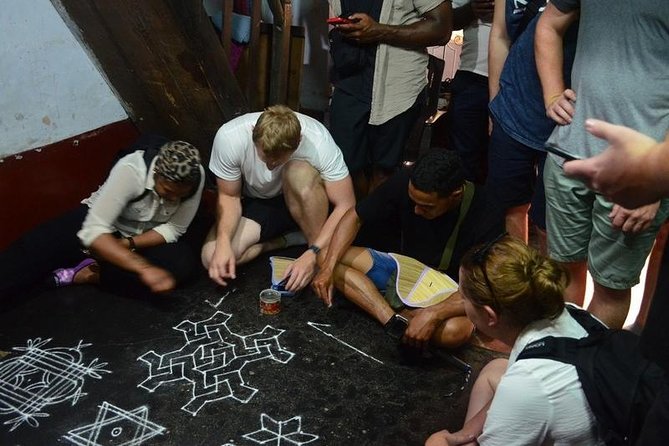
The grand finale is a kolam making demonstration at a Brahmin Hindu Agraharam (ancestral home). This is one of the tour’s most distinctive elements. The style is explained as geometric line painting traditionally placed in front of Hindu homes by female family members.
What you’ll appreciate here is not just the final look—it’s the process. Kolam is built step by step, and watching it created helps you see it as skill and rhythm, not just decoration. It’s also a rare cultural moment because it’s happening in a domestic setting, which makes the art feel grounded in everyday life.
If you like photography, ask your guide about where you can stand. Demonstrations often have a “quiet zone” to keep the makers focused. If you plan to watch carefully instead of only shooting, you’ll learn more and feel less like you’re interrupting.
This stop is also a strong way to end the tour because it ties together the day’s theme: communities shaping Kochi through lived traditions, not only famous monuments.
Value for money: what $68.39 buys you in real terms
Price is about more than the number. For $68.39 per person (4 hours), you’re paying for:
- A professional English-speaking guide
- Air-conditioned transport during the tour
- Admission fees included for the stops that charge
- Two structured market/heritage experiences (including coconut tool demonstrations)
- A kolam demonstration
- Pickup/drop-off tied to the Cruise Ship Terminal, plus the option to add hotel pickup/drop-off
If you were to DIY this, you’d spend time coordinating transit, figuring out which entrances cost money, and trying to find someone to explain what you’re seeing at places like the St. George church and Sarpa Kavu. Here, you buy the explanation and the routing.
The one “value watch” is that the tour avoids the biggest crowds and certain mega-stops by default. That can be good (less time trapped in queues), but it means your day may not include places you expected. The good news: the tour notes you can include crowded attractions like St. Francis Church or Dutch Palace by special request, at an extra cost. If those are your must-sees, factor that into your planning early.
Who should book this Kochi heritage tour (and who might not)
This tour is a strong fit if you:
- Want a balanced introduction to Fort Kochi and Mattancherry without juggling logistics
- Are traveling on limited time, especially from a cruise schedule
- Like culture that’s explained—church stories, temple context, market food work, and kolam art
- Prefer small-group touring (up to 12) with a private feel
It may not be your best match if you:
- Want a long, slow deep dive into every major church or Dutch colonial site
- Expect food and drinks as part of the package
- Plan to maximize shopping time more than sightseeing time
Also, the tour says most people can participate, which usually means the pace is moderate. Still, you’ll be walking portions of streets, and you’ll spend time outdoors near markets and coastal areas.
Should you book it?
Book it if you want a smart four-hour snapshot of Kochi that mixes the big icons—Chinese fishing nets and St. George Orthodox Church—with the everyday craft side of Kerala, like coconut tool work and kolam. It’s also a nice choice for first-timers who don’t want to spend their limited time asking taxi drivers what to do next.
Skip it or add on carefully if your priority is a full list of the most famous churches and Dutch-era stops. This tour focuses on heritage highlights and avoids some of the largest-name crowd magnets unless you request them.
If your schedule is tight and you want your guide to connect the dots between Hindu, Christian, Arab, Dutch, and British influences, this is a practical way to get it done in one morning.
FAQ
What’s the duration of the Kochi heritage tour?
The tour runs for about 4 hours.
What time does the tour start?
The start time is 10:30am.
Where do I meet the guide?
You meet at Ernakulam Wharf (Willingdon Island), Kochi.
Is pickup included?
Pickup is included from the Cruise Ship Terminal. There’s also an option to include hotel pickup and drop-off.
How big is the group?
It’s limited to a maximum of 12 people per day, and it’s described as private, meaning only your group participates.
What does the tour include?
It includes a professional English-speaking guide, transport by air-conditioned cab/van, admission fees, a kolam demonstration, visits to key sites including St. George Orthodox Koonan Kurish Church and Sarpa Kavu, and a Chinese fishing nets experience.
Are food and drinks included?
No. Food and drinks aren’t included, though you’ll visit markets during the tour.
Can I add crowded attractions like St. Francis Church or the Dutch Palace?
Yes, the tour notes these can be included by special request at an additional cost.