REVIEW · UJI
Uji Tea Ceremony and UNESCO Heritage Walking Tour
Book on Viator →Operated by TripGuru · Bookable on Viator
Matcha dreams start with a temple. This Uji walking tour pairs Byodoin Temple with a hands-on Taihoan tea ceremony, then strings in shrines and suspension bridges along the way. It runs about 3 hours, starts at Uji Station at 9:45am, and keeps the group small enough that your guide can actually explain what you’re seeing.
I like two things a lot: first, the way the guide turns big sights into understandable stories, with helpful context and practical tips that make the whole town feel less random. Second, the pace feels efficient without feeling rushed, and the route naturally balances temple time with quieter walks and photo stops, so it works well even if you’re traveling with kids.
One possible drawback: the tea ceremony is scheduled for a set block of time, so if you want a long, slow, fully hands-on class, this tour will feel a bit short—more like a polished introduction than a deep workshop.
In This Review
- Key highlights worth planning around
- A focused Uji walk that starts at the right spot
- Byodoin Temple and the Phoenix Hall: the UNESCO anchor
- Taihoan tea ceremony: what you’ll learn in the 30-minute ritual
- Asagiri and Tachibara views: suspension bridges and quick scenic breaks
- Uji Shrine and Ujigami Shrine: adding quiet meaning to the route
- Uji Bridge finish: green tea culture you can taste and act on
- Price and value: why $70 makes sense for what’s included
- What the pacing feels like on the ground
- Who should book this Uji experience
- Should you book this Uji Tea Ceremony and UNESCO Heritage Walk?
- FAQ
- How long is the Uji Tea Ceremony and UNESCO Heritage Walking Tour?
- Where does the tour start and what time does it begin?
- Where does the tour end?
- How big is the group?
- Is there an English-speaking guide?
- What is included in the price?
- What is not included?
- Do I need admission tickets for every stop?
- What if the weather is bad?
- Can I cancel for a full refund?
Key highlights worth planning around
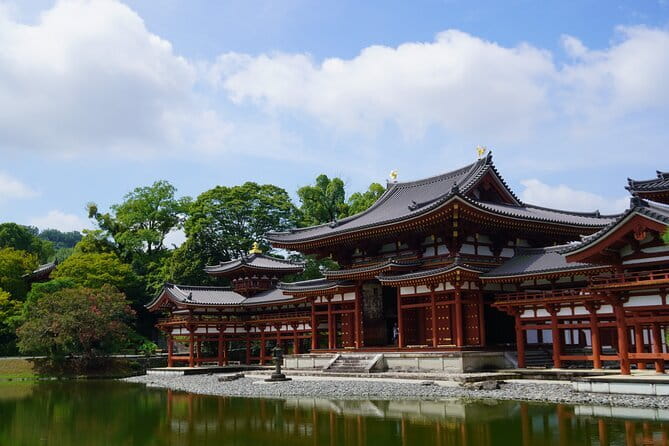
- UNESCO Byodoin Temple and Phoenix Hall: see one of Japan’s most iconic temple complexes in a focused 1-hour visit.
- Taihoan tea ceremony at the green-tea birthplace: learn the ritual at Taihoan, linked to Japan’s famed tea origins.
- Small group of up to 9 people: easier questions, clearer explanations, and a more personal feel on the walk.
- Suspension bridges photo moments: quick, scenic stops at Asagiri Bridge and related views across Uji.
- Shrines for calm and context: Uji Shrine and Ujigami Shrine add atmosphere beyond the main tourist hits.
- End at Uji Bridge for tea and local treats: a natural finish point where Uji’s food scene is right there.
A focused Uji walk that starts at the right spot
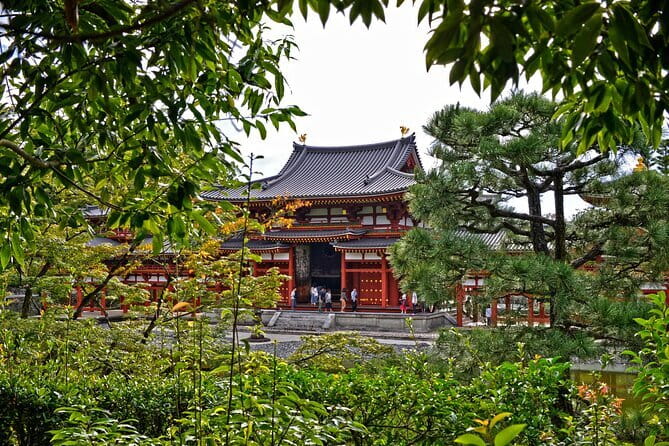
Uji is close to Kyoto, but it feels like its own world once you’re there. This tour makes that happen by keeping the route compact: you begin at Uji Station, meet your English-speaking guide, and move through the town in a tight loop of cultural stops.
The group size cap (up to 9) matters more than you might think. With fewer people, the guide can slow down when questions pop up, and you don’t spend half the tour waiting for someone to catch up. For photos, it also helps you avoid constant crowd herding.
No hotel pickup is included, so plan to arrive on your own. The start address is at Uji Station (Kyoto side), and the tour ends at Uji Bridge. If you like the idea of sightseeing that still lets you control your next step, this structure is convenient.
You can also read our reviews of more tours and experiences in Uji.
Byodoin Temple and the Phoenix Hall: the UNESCO anchor
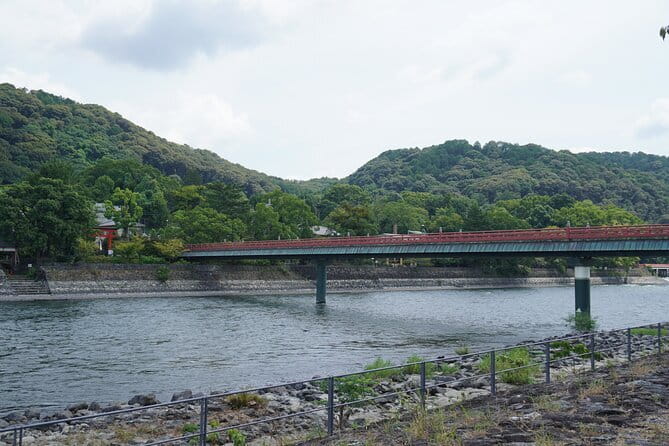
Byodoin Temple is the main reason most people come to Uji, and this tour gives it the time it deserves. You get about an hour, with the highlight being the Phoenix Hall, known for its architecture and a history that reaches back more than 1,000 years.
What I like about building the day around Byodoin is simple: once you understand what makes the Phoenix Hall special, the rest of Uji stops make more sense. Your guide explains significance instead of just pointing at buildings, which helps you notice details you might otherwise miss—like what you’re actually looking at and why it matters.
Practical note: Byodoin is part temple, part heritage site, so be ready for respectful pacing and some walking on uneven ground. If you’re carrying a bag, keep it lightweight so you can move comfortably between viewpoints and indoor areas.
Taihoan tea ceremony: what you’ll learn in the 30-minute ritual
The tea ceremony is at Taihoan, tied to the origin story of Japan’s green tea. This is not a performance-only stop; it’s built so you learn the basic art of tea preparation and the rhythm behind the ritual.
The included tea segment is listed as 30 minutes, and the overall Taihoan stop is around 40 minutes. That means you should treat it as a real introduction. You’ll get the steps, the meaning behind the motions, and enough structure to walk away knowing what you just watched and how to appreciate it later.
From what shows up in high marks for this tour, the guide’s explanation is a big part of why it feels good. If your guide is on point, you’ll leave with more than a sip—you’ll understand the logic of the procedure.
One thing to consider: because it’s a scheduled chunk of time, it won’t replace a longer, more specialized tea workshop. If you’re the type who wants to practice every motion, you may want a second tea experience later. If you want a smart taste of tradition that fits into a sightseeing day, this works.
Asagiri and Tachibara views: suspension bridges and quick scenic breaks
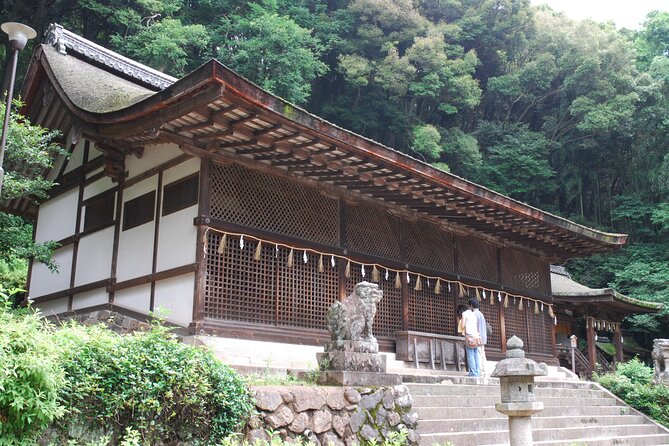
After Byodoin, the route shifts into gentler scenery with bridge viewpoints. The tour includes a short stop at Asagiri Bridge with mention of Tachibara and Asagiri Suspension Bridges, so you’ll get that classic Uji river-and-bridge look without turning it into a long detour.
This part of the day is often what helps the whole experience feel balanced. You’re not stuck in indoor heritage spaces back-to-back. You get fresh air, photo time, and a chance to reset before the shrines.
Timing is tight (about 15 minutes here), so think of this as a scenic pulse rather than an extended walk. If you want extra time for pictures, arrive a few minutes early and be ready to move quickly when your group gathers.
Uji Shrine and Ujigami Shrine: adding quiet meaning to the route
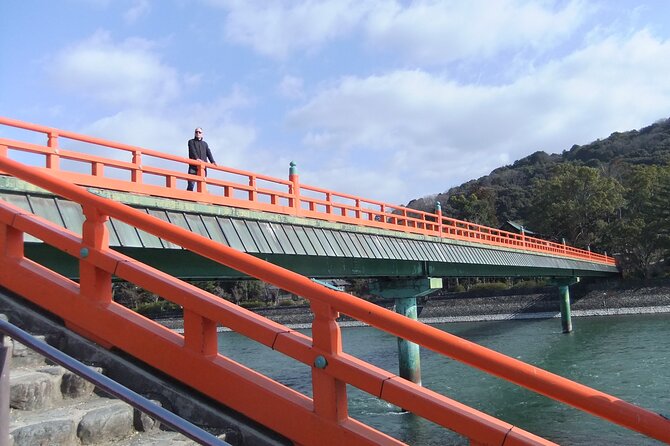
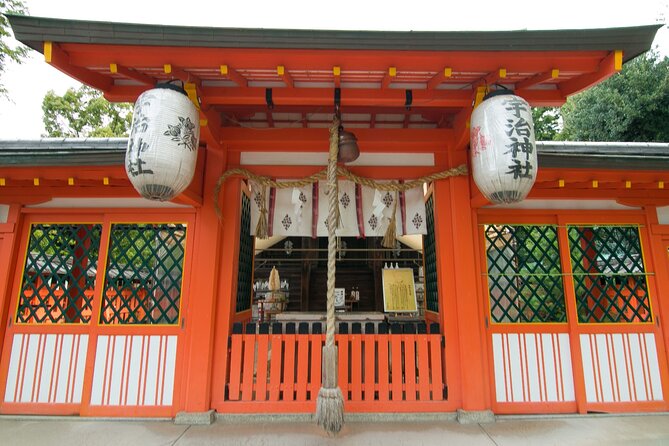
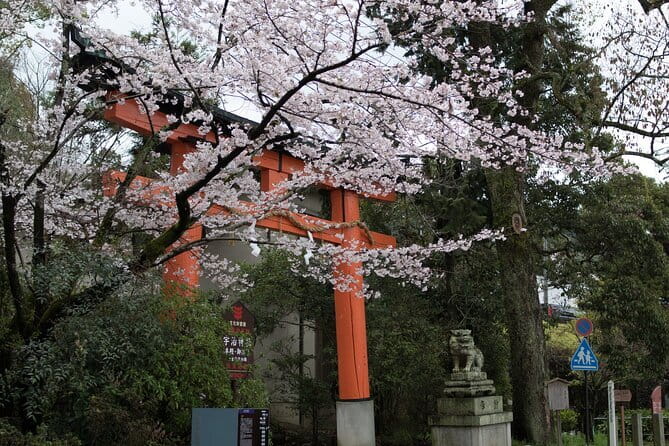
Next come the shrines—Uji Shrine and Ujigami Shrine—with around 20 minutes allocated to soak up the atmosphere. These stops don’t come with the immediate spectacle of a UNESCO hall, but they do something valuable: they round out your sense of Uji as a place with layered spiritual history.
I like shrine time on tours like this because it gives contrast. After temple architecture and a tea ritual, the shrine calm slows your pace naturally. Your guide’s job here is to connect what you’re seeing to the cultural context, so you’re not just checking boxes.
Because the time is limited, don’t expect to wander endlessly. Instead, use the window to look closely: the setting, the approach paths, and the details that feel consistent with Japanese sacred architecture. Even a short visit can feel satisfying when you know what to look for.
Uji Bridge finish: green tea culture you can taste and act on
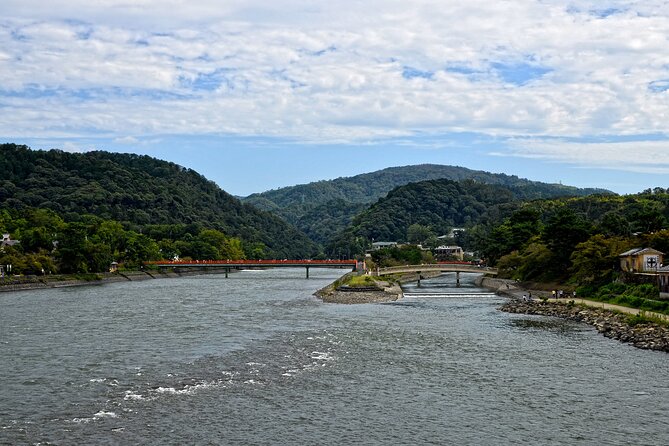
The tour ends at Uji Bridge, and you get about 45 minutes there. This is where Uji’s reputation for green tea becomes practical. You’ll have time to enjoy tea and local culinary items, and this is also the easiest place to keep your day going after the tour.
A smart way to use this time: treat it as a tasting and decision point. If you’re serious about matcha, you can sample lightly now and decide what to chase later. If you’re more casual, you can grab a simple bite, enjoy the scenery, and call it a day.
Because personal expenses aren’t included, you should expect to pay for what you order. That’s normal. The value here is that you finish in the right neighborhood, with the right cultural focus, rather than ending in the middle of nowhere.
If you’re traveling in cooler or peak seasons, plan to dress for walking and lingering outside. A bridge area can be breezy, and a comfortable layer makes the whole ending feel more relaxed.
Price and value: why $70 makes sense for what’s included
The price is $70 per person, and the biggest reason it can feel like good value is what’s included. You get an English-speaking guide, Byodoin Temple entrance, and the tea ceremony. That’s three core parts of a cultural visit: guided interpretation, a major paid site, and an experience that requires dedicated time and staffing.
Also, the group cap (maximum 9) leans toward better attention per person. In practice, that often means you get more explanation during stops and more confidence about what to do next in Uji. One review theme points to guides who are friendly and knowledgeable and help people appreciate the significance of each attraction, which is exactly what you want when you’re trying to understand a town fast.
Where the value equation gets a little tricky is the tea timing. The tour gives a taste, not a long masterclass. If you’re expecting a full-length course, you might end up wishing for more ceremony time. But if you want a well-planned introduction that still leaves room for other Uji sightseeing, this structure fits.
What the pacing feels like on the ground
This is a 3-hour walking tour, starting at 9:45am. The itinerary mixes about an hour of temple time, a tea ceremony segment, and shorter scenic and shrine stops. In real life, that adds up to a day that feels busy but not exhausting.
The pacing is especially good if you have a mixed group. One of the strongest signals from feedback is that the timing works well even when children are involved, which usually means the guide avoids long dead stretches and keeps moving at a sensible pace.
Still, bring realistic expectations: it’s a walk. Wear comfortable shoes and give yourself a little extra time to keep a steady rhythm. You’ll enjoy the bridges and shrines more when you’re not already tired.
Who should book this Uji experience
I’d steer you toward this tour if you want:
- UNESCO plus tea culture in one morning block
- a small-group guide who explains meaning, not just locations
- an easy way to learn why Uji is famous for green tea
It’s also a strong fit if you’re staying in Kyoto and want an efficient break from the big-city pace. Uji isn’t as massive as Kyoto, but it can still feel confusing without context. A guide fixes that fast.
If you’re only interested in tea and none of the temples or shrines interest you, you may prefer a longer tea-focused workshop. If you want the biggest possible pile of monuments in one day, you might want a larger itinerary. But for a balanced Uji introduction, this tour hits a sweet spot.
Should you book this Uji Tea Ceremony and UNESCO Heritage Walk?
If you like guided culture and you want Uji’s highlights in about 3 hours, I think it’s a smart booking. You’re getting the UNESCO temple entrance, a tea ceremony at Taihoan, and a route that balances major sights with calm shrine time and quick scenic bridge views.
Book it if you want a clear, friendly guide experience and a practical way to end with green tea and local flavors at Uji Bridge. Skip it if you’re chasing a longer, more hands-on tea workshop. For most people visiting Uji for the first time, this tour offers strong value and a satisfying sense of place.
FAQ
How long is the Uji Tea Ceremony and UNESCO Heritage Walking Tour?
The tour lasts about 3 hours.
Where does the tour start and what time does it begin?
It starts at Uji Station (Uji, 611-0021 Kyoto) at 9:45am.
Where does the tour end?
The tour ends at Uji Bridge (Otsukata Uji, Kyoto 611-0021).
How big is the group?
The maximum group size is 9 travelers.
Is there an English-speaking guide?
Yes, the tour includes an English-speaking guide.
What is included in the price?
Entrance fees to Byodoin Temple are included, along with the tea ceremony portion and the guide service.
What is not included?
Personal expenses are not included, and hotel pick up and drop off are not provided.
Do I need admission tickets for every stop?
Byodoin Temple admission is included. The other listed sites have admission marked as free.
What if the weather is bad?
This experience requires good weather. If it’s canceled due to poor weather, you’ll be offered a different date or a full refund.
Can I cancel for a full refund?
Yes. You can cancel up to 24 hours in advance for a full refund. Changes inside 24 hours of the start time aren’t refundable.