REVIEW · ROME
Private Colosseum Arena Tour with Expert Guide – all inclusive
Book on Viator →Operated by Europe Odyssey Tours di Rahul Raghavan & C.sas · Bookable on Viator
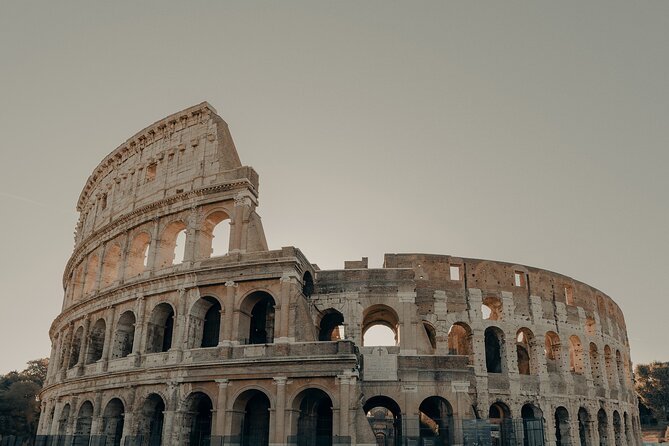
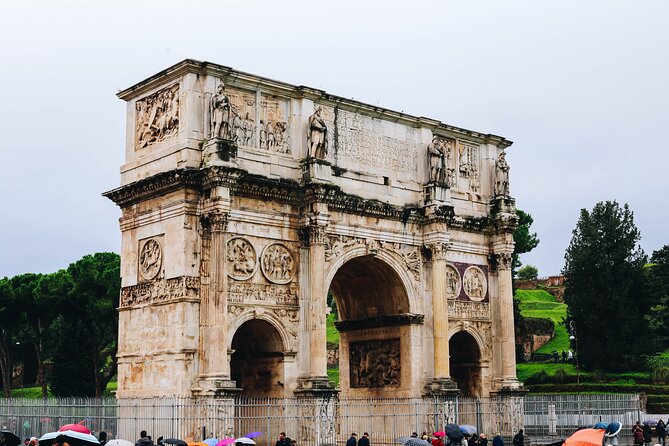
Rome’s roar still echoes in the Colosseum. This private tour strings together the Colosseum, Roman Forum, and Palatine Hill with expert storytelling and visual aids, so the ruins make sense fast. You meet right by the Arch of Constantine, which keeps things simple before the tour even starts.
What I like most is the pace and focus: you get a guided visit that’s broken into smart chunks—Colosseum, then Forum, then Palatine—so you don’t end up rushing the good parts. I also love that admission to all three areas is included, which turns a “planning headache” into a straightforward three-hour plan led by someone who can explain what you’re actually looking at.
The main thing to watch: your passport or ID name has to match exactly what you provide at booking. If the names don’t line up, entry can be denied at the ticket office—annoying, and 100 percent avoidable with a quick check.
In This Review
- Key things that make this Colosseum tour work
- Where the tour starts: Arch of Constantine meeting point
- Entering the Colosseum with the right kind of context
- Roman Forum: the political and religious heart of ancient Rome
- Palatine Hill: where emperors lived and the myth began
- How the expert guide elevates the whole route
- Why the tour price feels reasonable (and when it doesn’t)
- Who this private Colosseum Arena Tour suits best
- Before you go: a few things that matter on-site
- Should you book this private tour?
- FAQ
- What’s included in the private tour?
- How long is the tour?
- Is this a private tour?
- Where do we meet for the tour?
- Do I need to bring an ID for entry?
- What if the weather is bad?
Key things that make this Colosseum tour work
- Arena-focused Colosseum visit with a 1-hour slot that keeps the experience from dragging
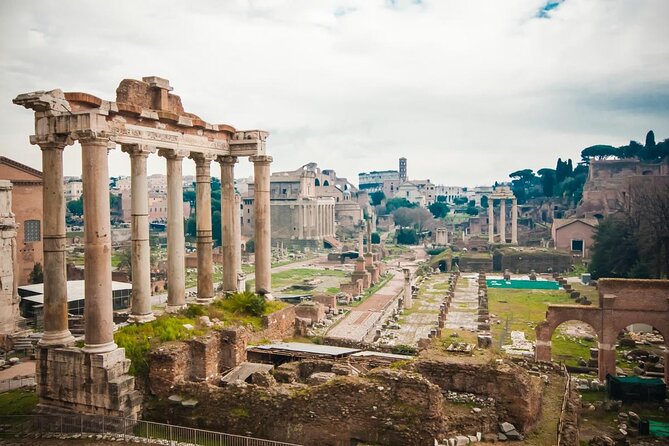
- Roman Forum + major landmarks like the Arch of Titus and the Temple of the Vestal Virgins
- Palatine Hill finale with viewpoints over the Forum and Circus Maximus
- Visual aids + an expert guide to connect stories to what’s still standing
- Tickets included for all three stops, so you’re not hunting for separate entry
- Central meeting point at the Arch of Constantine, close to public transport
Where the tour starts: Arch of Constantine meeting point
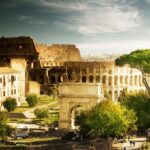
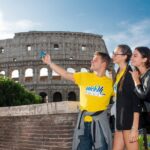
Your tour begins at the Arch of Constantine in Piazza del Colosseo (00184 Roma RM). This is a great choice because it’s obvious, central, and easy to reach using public transport. No complicated “meet by an alley” game—just go to the big landmark, and you’ll find your group quickly.
Since this is a private tour, you’ll only be with your group. That matters more than people expect at the Colosseum. When you’re not sharing space with dozens of strangers, you can actually hear the guide’s explanations, and the route feels smoother.
And because the whole experience is built around a tight schedule (about 3 hours), being in the right place at the right time helps. Rome runs on foot traffic and lines, and this tour is designed so you get a meaningful visit without turning the day into logistics.
You can also read our reviews of more tours and experiences in Rome.
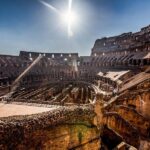
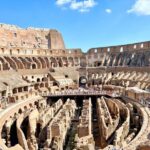
Entering the Colosseum with the right kind of context
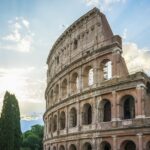
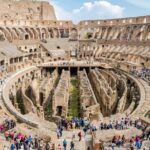
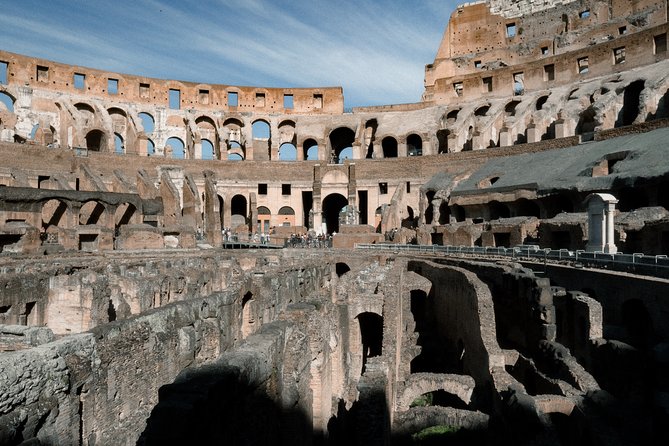
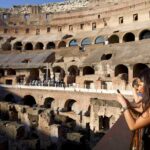
The first stop is the Colosseum, where you’ll spend about 1 hour. This isn’t just a “look at the building” stop. It’s framed as the world’s largest amphitheater—where gladiator contests, animal hunts, and reenactments of famous battles weren’t random entertainment. They were part of how power and public life mixed together in ancient Rome.
Here’s the kind of context your guide brings that I think you’ll appreciate: the emperor paid for the events so they were free to Roman citizens. That detail changes how you see the scale of the Colosseum. You stop thinking only about spectacle and start thinking about audience, politics, and why this place mattered so much for everyday Romans.
What you’ll gain from the guide here
- You’ll connect the structure you see today to the kinds of events it hosted back then
- Visual aids help you picture what the space likely looked like in use
- The stories keep you moving, but not at a speed that feels like you’re being herded
A small reality check
A Colosseum visit always includes walking and standing in crowds at certain points, even on a private tour. The good news: with a structured 1-hour stop and a guide steering the sequence, you spend less time wandering and more time learning what you’re seeing.
Roman Forum: the political and religious heart of ancient Rome
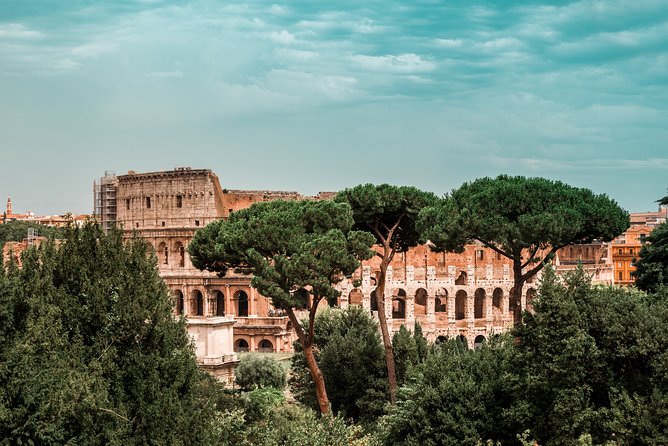
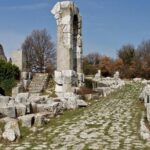
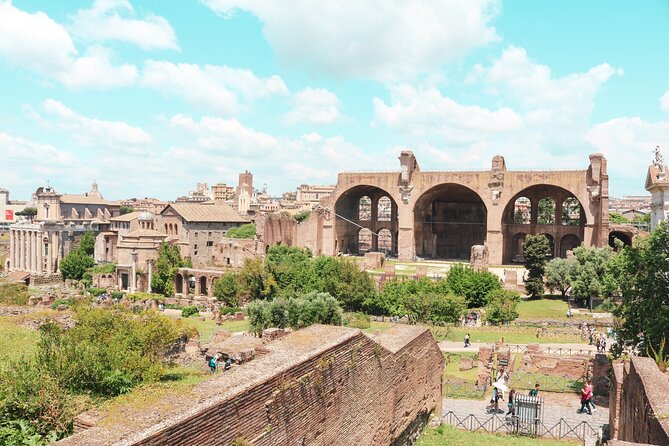
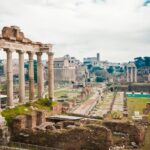
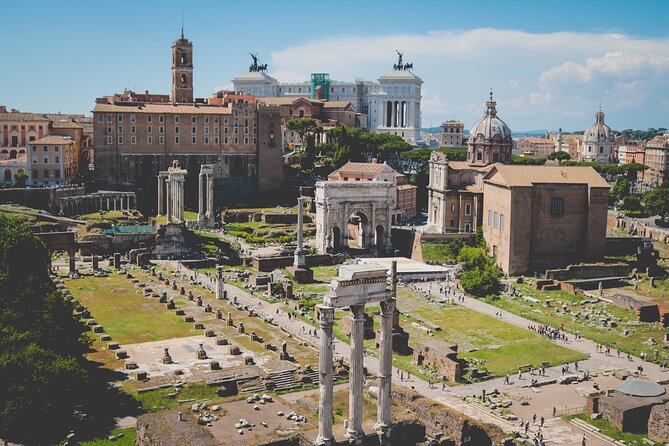
Next comes the Roman Forum for about 1 hour 15 minutes. This stop is your “why Rome worked” section of the day. The Forum was the political, administrative, and religious center, which means it’s where leaders, institutions, and beliefs intersected.
The best part is that you won’t just stare at scattered stones. You’ll move through ruins tied to specific landmarks, including:
- the Arch of Titus
- the Temple of Antoninus and Faustina
- the Temple of the Vestal Virgins
- the Ancient Senate house
What makes the Forum special on a guided route is that it helps you understand what elite Roman life looked like. These weren’t generic public areas. This was where important decisions got made, where religious authority supported political power, and where the “official Rome” of the ancient world operated.
The Forum can feel overwhelming if you’re doing it solo, because the names blur and the layout can be hard to picture. A guide makes the route logical: they point out the significance of each surviving piece, so your brain stitches the picture together.
Possible drawback to keep in mind
Ruins are not classroom walls. You’ll be outside, and the ground can be uneven. If you’re sensitive to walking on rocky, uneven surfaces, wear proper shoes and take it slow at first—don’t wait until you’re mid-Forum to realize your footwear choice wasn’t the best.
Palatine Hill: where emperors lived and the myth began
Your final stop is Palatine Hill for about 30 minutes. That shorter time can sound like a trade-off, but it’s actually a good match for how Palatine works. It’s a viewpoint-and-story kind of place, not a slow museum experience.
Palatine Hill is one of Rome’s seven hills, and it’s closely linked with emperors like Tiberius, Domitian, and Nero. You’ll also learn why the name connects to the idea of the palace, which matters because Palatine wasn’t only “where people lived.” It became a symbol of residence tied to authority.
The views are part of the payoff too. Palatine overlooks the Roman Forum on one side and Circus Maximus on the other. Seeing that relationship helps your understanding. You start to grasp how close daily life, politics, and entertainment really were—just separated by lines of architecture and the passage of centuries.
And then there’s the myth layer: Palatine is tied to the story of the she-wolf finding Romulus and Remus, and it represents the birthplace of the Roman Empire. Even if you don’t care about legends, the myth gives you a frame for why the hill carried cultural weight.
A quick consideration
Palatine Hill involves climbing to reach the top. Thirty minutes means you’ll want to pace yourself, especially if you’re dealing with heat, long days, or any mobility limits. The experience is still designed to fit comfortably within the overall 3-hour plan, but you’ll be moving uphill.
How the expert guide elevates the whole route
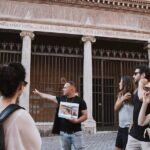
This tour lives or dies by the guidance quality, and that’s where it shines. The tour is led by an expert guide who doesn’t just recite facts—they tell stories that help you mentally rebuild the past. Visual aids add structure, too, so you’re not left guessing what you’re looking at.
In the guide feedback that comes with this tour, names like Rahul and Christine show up often. The common thread is that they connect details to real places, not just speeches about history. When a guide explains something like why an emperor funded public spectacle, it changes your “wow” into understanding.
Also, the private setup keeps the explanations from feeling rushed. Instead of your group being absorbed into a larger crowd, your guide can keep moving at the speed of your questions. If you want to ask what a specific ruin likely meant in daily Roman life, you’re more likely to get a direct answer here than on a large group tour.
Why the tour price feels reasonable (and when it doesn’t)
The price is $226.47 per person, and it’s positioned as all-inclusive for this route: admission tickets are included for the Colosseum, Roman Forum, and Palatine Hill.
For Rome, that’s the key value piece. You’re paying for:
- guided interpretation across three major sites
- admission included for each stop
- a private format that keeps the experience focused on your group
Does it mean it’s cheap? No. But for a private tour on a route like this—when you’d otherwise be juggling multiple tickets and trying to figure out what matters—the total package can feel fair.
One practical tip: this tour can also include group discounts. If you’re traveling with friends or family and can book together, that’s where the math often gets friendlier. Even if you don’t get a discount, you’re still not paying separately for admission tickets, which reduces planning stress.
Who this private Colosseum Arena Tour suits best
This experience is a great fit if you want Roman history that’s readable and location-specific, not just a list of names. You’ll also like it if you:
- want the day planned for you across three classic sites
- prefer an English guide and a private group setup
- enjoy visual storytelling that links the ruins to how Rome functioned
It also tends to suit many travelers because most people can participate. Service animals are allowed too, which is useful information if you travel with one.
You might think twice if you need a slow, sit-everywhere tour. This one is paced for a 3-hour route. You’ll be walking and climbing a bit, especially with the Palatine Hill top section.
Before you go: a few things that matter on-site
A couple of on-the-ground details can make or break smooth entry.
First: when booking, you must provide the full names of all travelers. At the ticket office, the names have to match what you bring on arrival. If you don’t, you may be denied entry to the Colosseum and Roman Forum. It’s one of those annoyances that’s not the tour provider’s fault—it’s just how the ticketing system works—so check your passport exactly.
Second: the experience needs good weather, and if it’s canceled due to poor weather you’ll either get a different date or a full refund. Rome weather can be unpredictable, so having flexibility helps.
Should you book this private tour?
I’d book this if you want a guided, ticket-included run through the Colosseum + Forum + Palatine Hill that doesn’t waste time. The structure is strong: the 1-hour Colosseum stop sets the scene, the 1 hour 15 minutes at the Forum turns that scene into politics and religion, and the 30 minutes on Palatine gives you both views and the myth-and-power angle.
It’s also a smart choice if you’ll actually use the guide’s storytelling and visual aids. If you’re the type who likes to ask follow-up questions, the private format helps a lot.
Skip it only if you’re price-sensitive or you’re hoping for a very slow, minimal-walking experience. Otherwise, this is the kind of Roman day that turns iconic ruins into something you can explain to friends afterward.
FAQ
What’s included in the private tour?
Admission tickets are included for the Colosseum, Roman Forum, and Palatine Hill, plus an expert guide in English.
How long is the tour?
The tour lasts about 3 hours.
Is this a private tour?
Yes. It’s private, and only your group participates.
Where do we meet for the tour?
The meeting point is at the Arch of Constantine, Piazza del Colosseo, 00184 Roma RM, Italy. The tour ends back at the meeting point.
Do I need to bring an ID for entry?
Yes. Each traveler must present a valid passport or ID document that matches the name provided at booking. If the voucher names don’t match, entry may be denied.
What if the weather is bad?
The experience requires good weather. If it’s canceled due to poor weather, you’ll be offered a different date or a full refund.