REVIEW · TANGIER
Walking Tangier Tour from ancient Kasba to Bustling Souks
Book on Viator →Operated by TANGIER EXPLORER · Bookable on Viator
Tangier makes sense on foot. This private walking tour connects the Kasbah area to the medina and souks with local guides who know how to turn streets into stories. I love how the route gets you moving past the usual confusion and right into the daily rhythm of the city. One thing to consider: the old medina roads and the Casbah area involve lots of walking on uneven, crowded lanes.
I also like that you get strong structure without feeling boxed in. Stops include the Grand Socco, the Musee de la Kasbah at Dar El Makhzen, and the American Legation Museum, with admission tickets built in. Based on guide feedback I’ve seen for Anas, Bilal, and Rabab, the tone is friendly and confident, including a steady insistence on no pressure to buy things.
In This Review
- Key Stops and Why They Matter
- From Grand Socco to the Kasbah: Getting Oriented Fast
- Tangier Casbah and Dar El Makhzen: Fort Streets and Museum Highlights
- Medina of Tangier: Souks, Noise, and the Real City Feel
- The American Legation Museum: A Strong Anchor for Big-Picture History
- Moshe Nahon Synagogue: A Quiet Detour in Beni Idir
- Price, Walking Time, and Real-World Value
- Should You Book Tangier Explorer for the Kasbah to Souks Walk?
- FAQ
- How much does the Walking Tangier Tour cost?
- How long is the tour?
- Is it a private tour and do I get pickup?
- What stops are included during the walk?
- What time does the tour run?
- Can I cancel for a full refund?
Key Stops and Why They Matter
- Grand Socco (Place du Grand 9 Avril 1947): your first big orientation point between old medina life and Tangier’s older colonial mix.
- Tangier Casbah: high-point fort walls and maze streets that explain how Tangier defended itself for centuries.
- Musee de la Kasbah (Dar El Makhzen): a former sultan’s palace museum with standouts like the Venus mosaic and huge replica maps, including one made in 1154.
- Medina of Tangier: the sensory walk—spices, call to prayer, and back-alley scenes that feel like real Tangier, not a theme park.
- Tangier American Legation Museum: a must-see for anyone curious about how Morocco and the U.S. started diplomatic ties so early.
- Moshe Nahon Synagogue (Beni Idir): a smaller, calmer museum stop tucked off the main lanes, tied to Moïse Nahon and a later restoration.
From Grand Socco to the Kasbah: Getting Oriented Fast
I like tours that help you stop guessing. The walk starts at Place du Grand 9 Avril 1947, better known as the Grand Socco, which sits right in the center of Tangier’s busy in-between zone. It’s named around the idea that Socco comes from souk—market—and that’s exactly the point: you see how trade, movement, and meeting happen here.
As a first stop, Grand Socco works because it acts like a map in real life. The square connects the old medina to the more modern city fabric, and you can feel that shift just by watching where people go next. If you’ve ever wandered into a medina and immediately wondered which way is which, you’ll appreciate having this “gateway” moment early on.
Then you start turning upward toward the Casbah area. The terrain and the street layout change in a hurry, and that’s important. The Casbah isn’t just another neighborhood stop—it’s where Tangier’s defensive past and layered cultural influences show up in the physical design of the place.
You can also read our reviews of more tours and experiences in Tangier.

Tangier Casbah and Dar El Makhzen: Fort Streets and Museum Highlights
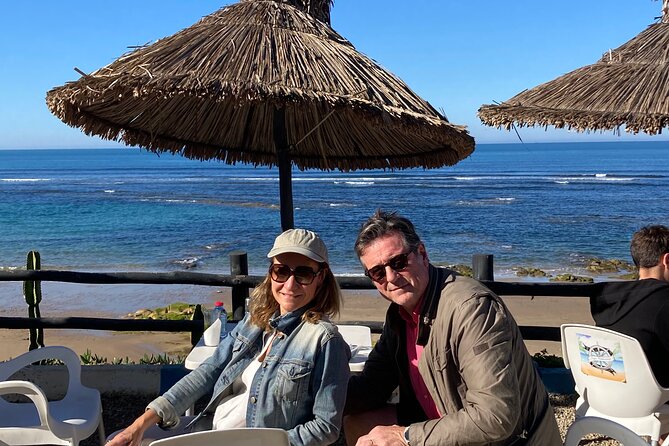
The Tangier Casbah sits at the city’s higher point, and that positioning matters. Narrow streets and tall walls weren’t built for tourists—they were built to watch for trouble and control movement. Even if you don’t know every detail of the fortress, you’ll feel the logic quickly as you move through the lanes.
From there, you go into the Musee de la Kasbah, housed in the former sultan’s palace at Dar El Makhzen. I enjoy museum stops like this when they do more than store artifacts. This one is tied to place: you’re walking through former palace spaces, with a garden and a courtyard flow that helps the history land more naturally than a cold, generic building.
A practical tip: the museum plan described here is to work anticlockwise around the first courtyard before moving into the rest of the displays. That kind of guidance saves time and keeps you from wandering in circles. Inside, the exhibits run in French and Arabic only, so it helps to treat this museum as a visual and story-based experience rather than a purely text-heavy one.
The showstoppers you should look for:
- The mosaic of Venus from Volubilis, which stands out for its subject and craftsmanship.
- Giant replica maps, which are fun even if you only spend a short time on them.
- One map that traces trade routes from early Phoenician metal trade all the way to 21st-century electronic goods.
- Another gorgeous map of the known world made in Tangier in 1154, with a helpful hint that it’s upside down—exactly the kind of detail a good guide will point out so you notice it.
Medina of Tangier: Souks, Noise, and the Real City Feel
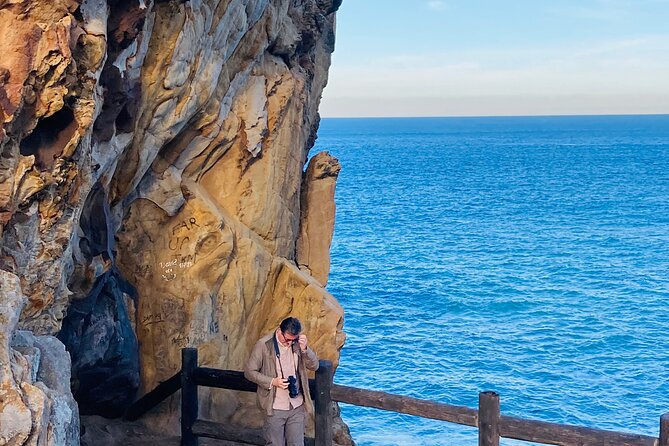
After the palace-museum break, the tour moves into the Medina of Tangier, sometimes called the switchboard zone because so many daily paths intersect here. This is where the walking tour stops being a sequence of attractions and starts feeling like real life.
The medina is a maze of narrow alleys and compact streets, so the guide matters a lot. You’ll want someone who can help you navigate quickly without treating it like a scavenger hunt. One of the strongest points I’ve seen emphasized across guide experiences is how personal the route feels—guides like Rabab are specifically praised for spotting what you care about, whether that’s architecture, maps, or the little layers that make the old city tick.
This stop is also where you get a sensory blend that’s hard to replicate on a bus ride. Expect the mix of market smells, street sound, and the call to prayer drifting through the lanes. It’s not about forcing a perfect photo moment. It’s about understanding why this area shaped artists and writers for generations—because it keeps producing new scenes at every turn.
If you’re the type who gets overwhelmed in dense neighborhoods, slow down. This is the part where you’ll move slower than you think you should, and it’s worth it. Wear comfortable shoes, keep your pace steady, and let the guide do the heavy lifting.
The American Legation Museum: A Strong Anchor for Big-Picture History
One of my favorite parts of this itinerary is the pivot to the Tangier American Legation Museum. It’s not just a random museum stop—it connects Tangier to the early timeline of U.S.-Morocco relations.
This place matters because it was established in 1821, described as the first property acquired abroad by the U.S. government and the oldest American diplomatic property in the world. That’s a big claim, and it gives the museum a gravity that the surrounding medina streets can’t supply by themselves.
You’ll also see the reference point for the relationship: the Moroccan-American Treaty of Friendship in 1786, which predates the U.S. Constitution and marks the beginning of diplomatic relations between the two nations. Even if you don’t memorize dates, you’ll leave with the idea that diplomacy here has longer roots than many people expect.
I like museum stops that break the pattern of souks-to-palaces-to-souks. This one gives you a calm, organized setting after the chaotic energy of the lanes, and it gives the rest of the tour more context.
Moshe Nahon Synagogue: A Quiet Detour in Beni Idir
The final stop is smaller and a little unexpected: Moshe Nahon Synagogue, in the Beni Idir quarter off the rue des Synagogues. This is the kind of place you might miss if you were walking alone, mostly because it’s described as being on a dead-end street.
The history is specific and human. The synagogue was constructed in the 19th century by Moïse Nahon, an educator and scholar from a prominent Jewish family in Tangier. Activity later ceased in the second half of the 20th century, and the synagogue fell into disrepair before restoration in 1994, after which it functions as a museum.
In practice, I think this stop is valuable because it balances out the tour’s bigger public-facing highlights. After fort walls, palace spaces, and major museums, you get a quieter scene that still reflects Tangier’s layered community history.
Price, Walking Time, and Real-World Value
The price is $48.50 per person for a 2 to 4 hour experience. That range matters because it tells you what kind of pacing you’ll get: you should plan for a real walk, not a quick drive-by. With the Casbah and medina sections, you’ll be on your feet in dense areas where slowing down is part of the experience.
Value here comes from three things working together:
- Admission tickets included across the key stops, including the Casbah area museum and the major historical museums.
- A private, flexible format, meaning the guide can steer the walk toward your interests instead of dragging you through a fixed script.
- Pickup is offered, which helps if you’re starting from a hotel location that’s not easy to reach on foot.
Also, this tour tends to book ahead—on average around 41 days in advance—so if your dates are set, I’d secure it earlier rather than later. Tangier tours can fill unevenly depending on season, and planning early keeps options open.
Who this suits best:
- You want history plus street-level reality, not just one or the other.
- You like walking with guidance, especially in a medina where getting lost can waste time fast.
- You’d rather learn in a human way than read plaques for hours.
Should You Book Tangier Explorer for the Kasbah to Souks Walk?
Yes, I’d book it if you want a tour that respects how Tangier actually works day to day. This itinerary is built around strong anchors—the Casbah, Dar El Makhzen museum, the American Legation, and the medina itself—so you get variety instead of repeating the same kind of scene.
I’d especially choose it if your priority is a guide who keeps things easy and pleasant. The standout praise in the experiences shared centers on guides like Anas and Bilal for being informative, entertaining, professional, and kind, and on Rabab for tailoring the walk based on interests. More practically, there’s repeated emphasis on no pressure to purchase things, which makes a medina walk feel less like an obstacle course.
Hold off only if you know you struggle with lots of uneven walking and crowds. This is a walking tour through older parts of town, so shoes and stamina matter.
FAQ
How much does the Walking Tangier Tour cost?
It costs $48.50 per person.
How long is the tour?
You should plan for about 2 to 4 hours.
Is it a private tour and do I get pickup?
Yes. It’s a private tour/activity, meaning only your group participates. Pickup is offered, and there’s also mention that it’s near public transportation.
What stops are included during the walk?
The route includes Place du Grand 9 Avril 1947 (Grand Socco), Tangier Casbah, Musee de la Kasbah (Dar El Makhzen), the Medina of Tangier, the Tangier American Legation Museum, and Moshe Nahon Synagogue.
What time does the tour run?
The listed hours are 10:00 AM to 1:00 PM, Monday through Sunday (for the date range shown).
Can I cancel for a full refund?
Yes. Free cancellation is available. You can cancel up to 24 hours in advance for a full refund. If you cancel less than 24 hours before the start time, the amount paid is not refunded.