Old Dubai has a way of slowing you down. You start in Al Fahidi’s courtyards, then drift through the city’s older lanes with a focus on how life once worked here. I also love the Abra Creek crossing and the included coffee tasting, while the main thing to watch is that the Dubai Museum at Al Fahidi Fort may be limited since it’s listed as in restoration.
This is a private 3 hours 30 minutes with a fixed start time at 9:30 am, and you get a mobile ticket. The price ($55.83) lands in the sweet spot for a walk + crossings combo because you’re not just seeing markets—you’re also stopping for tastings and using the local boat transport.
In This Review
- Why This Old Dubai Tour Feels Different
- Meeting at Sharaf DG and Getting Oriented Fast
- Coffee Museum Stop: Arabic Coffee With Dates Included
- Al Fahidi Historical Neighborhood: Courtyards, Wind Towers, Quiet Streets
- Dubai Museum at Al Fahidi Fort: Worth Seeing, but Plan for Restoration
- Bur Dubai Abra Station: Crossing the Creek the Local Way
- Textile Souk: Colorful Fabrics and Simple Browsing Time
- Deira Old Souk and the Spice-and-Gold Photo Zone
- Dubai Spice Souk: Smells, Colors, and a Date Tasting Moment
- Dubai Gold Souk: Ten Tons of Gold and That Big Ring Moment
- Private Guide Power: Why Noha’s Style Matters Here
- Price and Value: What You’re Really Paying For
- Practical Tips So You Enjoy It More
- Who Should Book This Tour
- Should You Book This Old Dubai Tour?
- FAQ
- What is the duration of the tour?
- Where do we meet for the tour?
- What time does the tour start?
- Is this tour private or shared?
- Is a mobile ticket provided?
- What is included in the price for admission or activities?
- Are there any stops with free admission?
- Will the Dubai Museum at Al Fahidi Fort be fully available?
- What is the cancellation policy?
Why This Old Dubai Tour Feels Different
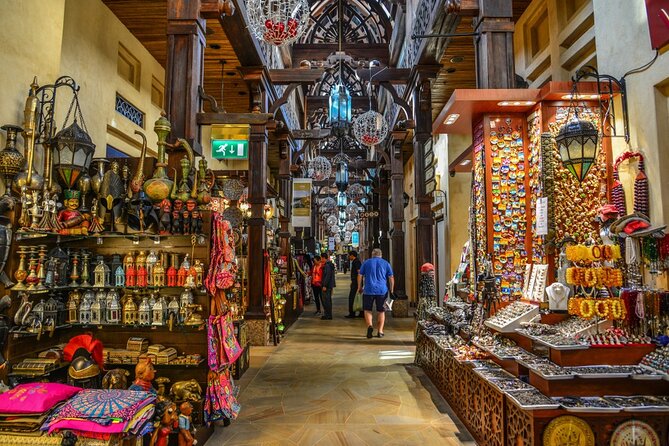
If you’ve only seen Dubai through tall buildings and fast malls, this tour gives you the earlier version of the city. You’ll spend time in Al Fahidi (also known through its older name, Al Bastakiya), where the streets feel narrower and the architecture is all about cooling designs—wind tunnels and traditional layouts that make sense in a hot climate.
What makes it work is the pacing. You get a bit of walking, then a change of scene: metro-area start, a coffee break that’s actually about ingredients and flavor, then the creek crossing, and finally the souk area where you’ll see Dubai’s famous trading culture close up.
And yes, you’ll finish in the Gold Souk area. But the real payoff is how you get there—by moving across neighborhoods that feel like different chapters of the same story.
Meeting at Sharaf DG and Getting Oriented Fast
You’ll meet at Sharaf DG Metro Station Exit 4. It’s a smart starting point because it’s tied to public transit, so you’re not stuck guessing how to reach an isolated meeting point.
From there, you move on foot and by nearby connections. For you, that means the tour avoids the “wait around in a van” trap. For the guide, it means you can cover more ground in a short 3.5-hour window.
You can also read our reviews of more tours and experiences in Dubai.
Coffee Museum Stop: Arabic Coffee With Dates Included
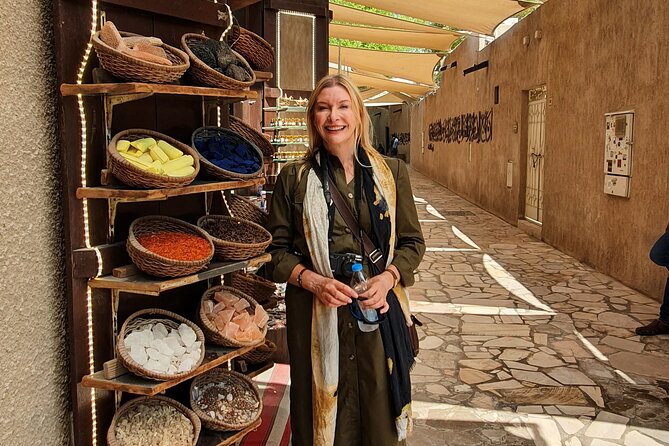
Early on, you head to the Coffee Museum for a tasting that’s more specific than a generic “try some coffee.” The experience is built around Arabic coffee with green coffee plus cardamom and saffron—spices that change the whole mood of the cup.
You’ll also get traditional dates to pair with the coffee. That pairing matters because it turns the stop into a quick sensory lesson: sweet, aromatic, and warming, which fits the tradition of serving coffee in a social setting.
Time on this stop is about 20 minutes. It’s enough time to taste, ask questions, and reset your energy before the walking portion.
Al Fahidi Historical Neighborhood: Courtyards, Wind Towers, Quiet Streets
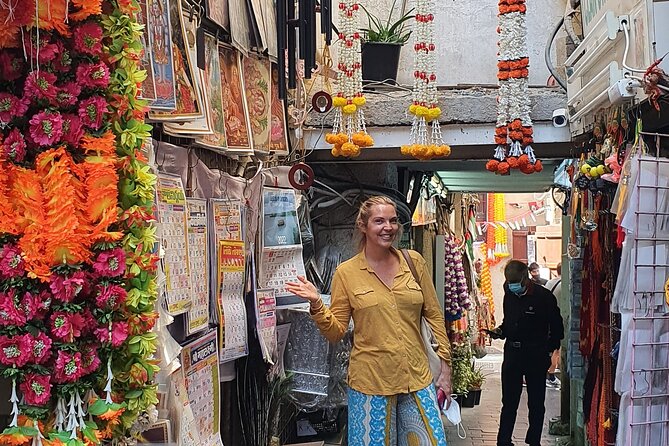
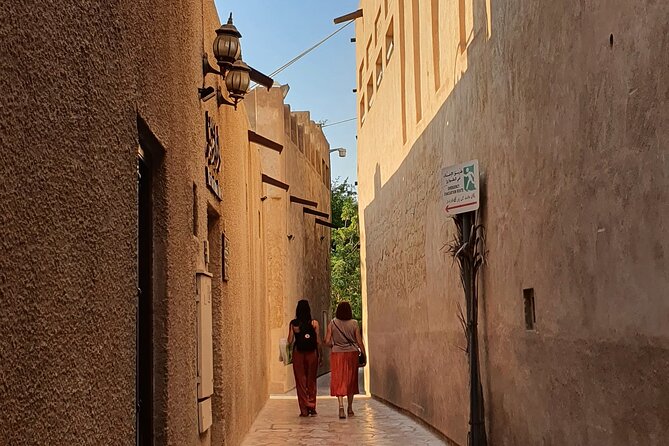
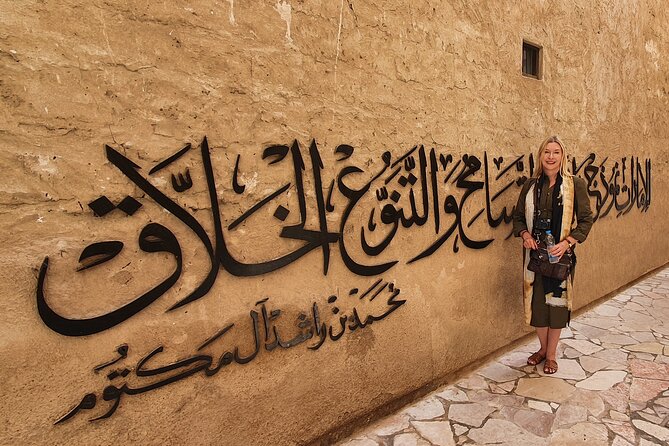
This is the heart of the tour, and it’s where you start to feel why people come back to Old Dubai. You’ll walk through the lanes of Al Fahidi, known as the oldest district with distinctive architectural features—traditional houses with structures designed for cooling, plus the famous wind-tunnel style design elements you can still spot.
What you do here isn’t just looking from the street. You also go into the courtyards of the houses, which changes the experience. Courtyards are quieter, cooler, and more intimate, and they make the buildings feel lived-in rather than staged.
You’ll spend about 30 minutes here. After that, you return for a shorter follow-up time (around 15 minutes) to focus on the streets and wind-tunnel details again. That two-part feel is useful: it helps you slow down, then zoom in on what you might have missed the first time.
Dubai Museum at Al Fahidi Fort: Worth Seeing, but Plan for Restoration
You’ll pass by the Dubai Museum at Al Fahidi Fort, described as Dubai’s oldest fortress dating back to the late 18th century. The catch is that it’s listed as in restoration, so you may not get the full museum experience the way you’d expect on a normal day.
Even if interior access is limited, the fortress area is still a useful reference point. It gives context: this isn’t just “old buildings for photos”—it’s tied to how Dubai defended itself and managed trade and settlement long before the skyline became the main event.
If your top priority is a museum visit, you’ll want to treat this portion as a viewpoint and historical stop rather than a guaranteed deep dive inside.
Bur Dubai Abra Station: Crossing the Creek the Local Way
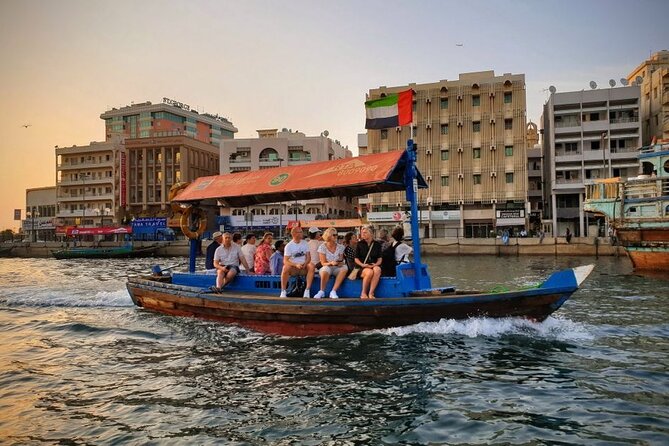
Next comes one of the most practical and memorable parts: taking an Abra. These small wooden boats are a public-transport style ferry across Dubai Creek.
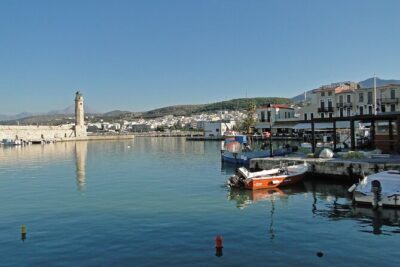
You’ll start from the Bur Dubai side and cross the creek (a natural arm of the Arab Gulf). The included boat time is about 15 minutes, but the experience stretches in your mind because the views change as you move across the water. On one side you feel older neighborhoods; on the other you shift toward Deira’s market energy.
This is also where you get a real contact point with locals. Even if you’re just a rider, the way people move on and off the boat makes the city feel less like a theme park and more like a place where daily routines still matter.


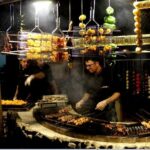

Textile Souk: Colorful Fabrics and Simple Browsing Time
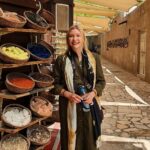
After the creek crossing, you head toward the historic market area, stopping at the Textile Souk. This is where you can browse fabrics in a way that feels hands-on: you’ll see raw silk and cotton, plus embroidered materials in many colors and styles.
This stop is about 20 minutes and is mostly free browsing, which is good. It means you can enjoy the variety without feeling pressured to buy anything right away. If textiles are your thing, it’s also a nice contrast to the spice and gold stops later—different sensory focus, different kind of bargaining rhythm.
Deira Old Souk and the Spice-and-Gold Photo Zone
You’ll pass by the Deira old market area, including a quick stop at the Abra station side that connects you to the older trading streets. This is where the market vibe really ramps up.
A short, practical pause happens at the Deira side where the Spice Souk and the Gold Souk are known for being major attractions. You’ll have about 5 minutes here—just enough time to get your bearings and snap a few photos before you’re pulled into the smells and shine.
Dubai Spice Souk: Smells, Colors, and a Date Tasting Moment
Then you arrive at the Dubai Spice Souk, and it does what you’d hope a spice market would do: it hits your nose first. You’ll see lots of colors and heaps of spices, and the atmosphere is described as oriental and storybook-like—think markets that look and smell like they belong in a 1001 tale.
You’ll spend about 30 minutes here. That’s long enough to understand the basic categories of spices and talk prices without feeling rushed. It’s also an opportunity to shop locally with the guidance of your host rather than wandering blindly.
There’s also a tasting moment with local dates. It’s simple, but it fits the theme of the tour: sweet, aromatic, and traditional, placed at the points where you’re already seeing and smelling the ingredients.
Dubai Gold Souk: Ten Tons of Gold and That Big Ring Moment
Finally, you finish at the Dubai Gold Souk. If spice is about smell and texture, gold is about shine and scale. The tour description highlights that the store windows hold around ten tons of gold.
There’s also a specific headline photo attraction: the largest ring in the world, noted as a Guinness World Record piece. You’ll spend about 20 minutes here—enough time to look around, compare displays, and enjoy the contrast between the market’s flashy exterior and the older trading neighborhoods you just walked through.
Private Guide Power: Why Noha’s Style Matters Here
This tour is led by Noha, and the repeated theme in the guide’s approach is clear: warm, attentive, and organized. That matters more than you’d think on a short 3.5-hour tour because you only have so much time to cover Al Fahidi, cross the creek by Abra, and finish in two major souk areas.
A good guide also helps you read what’s in front of you. In Old Dubai, you’ll notice details like wind-tunnel architecture and traditional courtyard layouts, but you might not automatically know what you’re looking at. The best part is having someone guide the pace so you don’t feel lost—and you still get time for coffee, photos, and shopping.
It’s also private, meaning your group moves together. That reduces the chaos that can happen in bigger walking tours, especially in market areas where crowds can slow you down.
Price and Value: What You’re Really Paying For
At $55.83 per person, you’re paying for more than a “walk around.” You’re getting:
- Time in Al Fahidi with courtyard access and wind-tunnel style architecture
- A Coffee Museum stop with an Arabic coffee tasting plus dates
- An included Abra crossing (a real local transport experience, not a photo stunt)
- Time in Textile, Spice, and Gold souks, plus a date tasting in the spice market
If you were to price these pieces separately—coffee tasting + guided route + boat crossing—this tour starts to look like a practical bundle rather than just sightseeing.
Also, the duration matters. At 3 hours 30 minutes, you get an overview of Old Dubai without turning your day into a full marathon.
Practical Tips So You Enjoy It More
Old Dubai tours reward the prepared traveler. Here are a few practical things to plan for:
- Wear comfortable shoes. The streets are older and the walking adds up.
- Bring a light layer. Some indoor courtyard spaces can feel cooler than the open sun.
- If you plan to shop, keep some flexibility in your budget. Textile, spice, and gold stops can tempt you quickly.
- Expect the Dubai Museum fort portion to be limited because it’s listed as in restoration, so base your excitement on the surrounding historic area too.
If you like markets, tastings, and local transport, this format is exactly your speed.
Who Should Book This Tour
This works best if you want Old Dubai with structure. It’s a great match for:
- First-time visitors who want the older neighborhoods without a long day
- People who enjoy food-related stops (coffee and dates)
- Travelers who like markets but prefer guided pacing over wandering
- Groups that want a private tour experience led by Noha
If you only want modern Dubai, this will feel more “slow and human” than flashy. If museums are your absolute priority, you’ll likely want to keep expectations flexible around the Dubai Museum restoration.
Should You Book This Old Dubai Tour?
I think you should book if your ideal Dubai day includes Al Fahidi courtyards, an Abra creek crossing, and real market time in Spice and Gold souks—especially if you’d rather have a guide keep things organized than stress over logistics. The price looks fair for what’s included, and the private setup makes it easier to enjoy the details without getting swallowed by crowds.
Skip it only if your main goal is a guaranteed museum visit inside the fort. Since that stop is listed as in restoration, plan for this tour as a streets + souks + local transport experience first.
FAQ
What is the duration of the tour?
The tour lasts about 3 hours 30 minutes.
Where do we meet for the tour?
The meeting point is Sharaf DG Metro Station Exit 4.
What time does the tour start?
The start time is 9:30 am.
Is this tour private or shared?
It is a private tour/activity, so only your group will participate.
Is a mobile ticket provided?
Yes, the tour uses a mobile ticket.
What is included in the price for admission or activities?
Coffee Museum admission and tasting are included, and the Abra crossing is included.
Are there any stops with free admission?
Most of the other sightseeing stops listed in the experience are free admission.
Will the Dubai Museum at Al Fahidi Fort be fully available?
It’s listed as in restoration, so you may not get the full museum experience.
What is the cancellation policy?
Free cancellation is available up to 24 hours before the experience’s start time for a full refund.