REVIEW · GIZA
2-Day Private Tour Ancient Egyptian Pyramids Giza and Saqqara
Book on Viator →Operated by Ahmed Nady Tours · Bookable on Viator
Two days, four eras, one clear story. This private route links the big rock legends of the Giza Pyramids to the Step Pyramid era at Saqqara, then follows Egypt forward through Christianity in Coptic Cairo and later Islamic Cairo streets. I like that the pacing is private, so you’re not stuck shuffling with a crowd just to get one decent photo.
I also like the way the guide’s style brings the sites to life—Ahmed is known for mixing clear history with practical tips, plus a sense of humor that keeps the day moving. One thing to plan for: admissions are not included, so you’ll want to budget extra tickets for Giza area, Saqqara, and the Egyptian Museum.
In This Review
- Key highlights at a glance
- The big idea: a two-day timeline you can actually feel
- Pickup and private transportation: the quiet advantage
- Great Pyramid of Khufu and the Sphinx: 3–4 hours that’s worth planning for
- Uncommon angles at Giza: how Ahmed turns “sightseeing” into photos and meaning
- Saqqara and the Step Pyramid of Djoser: where the earlier idea shows up
- Day 2 starts indoors: the Museum of Egyptian Antiquities
- Islamic Cairo: minarets, schools, mausoleums, and quieter architectural stories
- Coptic Cairo and the Holy Family story: Christianity in Egypt in concrete spaces
- Memphis and other additions: when your guide has flexibility
- Food strategy: what to eat in the places you actually visit
- What the tour is best for
- Price and value: $120 plus tickets, but fewer headaches
- Should you book this 2-day Cairo monuments and faith tour?
- FAQ
- How long is the tour?
- Is pickup included?
- What’s included in the price?
- Are admission tickets included?
- Where does the tour start and end?
- Is this tour private?
- Do I get a ticket for entry on my phone?
- What are the operating hours?
- Does the tour require good weather?
Key highlights at a glance
- A private guide (Ahmed Nady Tours) who focuses on photo-friendly viewpoints and makes the story easy to follow
- Giza and Sphinx with time to see more than the obvious angles
- Saqqara’s Step Pyramid of Djoser plus tomb sights and carved hieroglyph details
- Day 2 museum time at the Museum of Egyptian Antiquities, not just outdoor stops
- Islamic Cairo and Coptic Cairo covered in one continuous arc of belief and daily life
- Pickup from Marriott Mena House and private transportation included for a smoother start
The big idea: a two-day timeline you can actually feel
What makes this tour work is the flow. You start with the Pyramid Age—when Egypt’s beliefs about power, kingship, and the afterlife were built into stone. Then you move to Saqqara, where the Step Pyramid era shows the earlier thinking that helped set up the later, more famous Giza monuments.
From there, the story keeps going through Egypt’s religious shifts. You’ll connect the dots from ancient funerary culture to Christianity in Egypt through Coptic Cairo, including the kind of revered spaces tied to the Holy Family story. Then you finish with Islamic Cairo, where you’ll see how faith shows up in streets, architecture styles, and everyday landmarks.
This matters because Cairo can feel like one long list of sites. This route gives you an order. That order makes the monuments easier to remember when you’re back home.
You can also read our reviews of more tours and experiences in Giza.

Pickup and private transportation: the quiet advantage
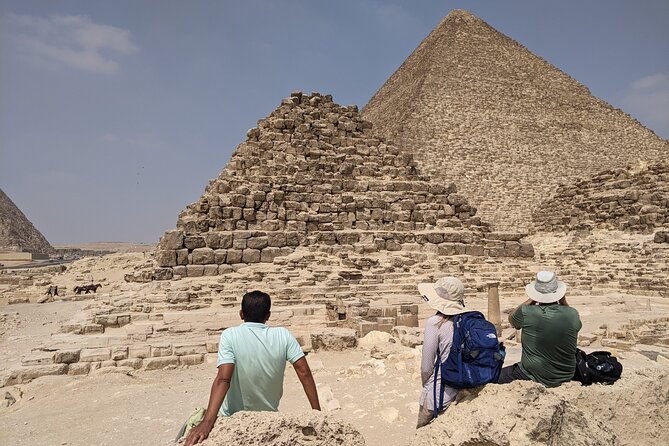
Starting at Marriott Mena House makes a big difference. You’re not hunting for your meeting point at random streets. The tour also includes private transportation plus bottled water, which helps when you’re moving between Giza, Saqqara, and central Cairo.
Private transport also means fewer stress points. You can ask for quick stops when you need them. You can adjust your pace if you’re tired. And if you’re planning photos, it’s a lot easier when the guide can respond in real time rather than waiting for a schedule.
The tour is private, so it’s only your group. That usually keeps things calmer, especially at the busiest monuments.
Great Pyramid of Khufu and the Sphinx: 3–4 hours that’s worth planning for
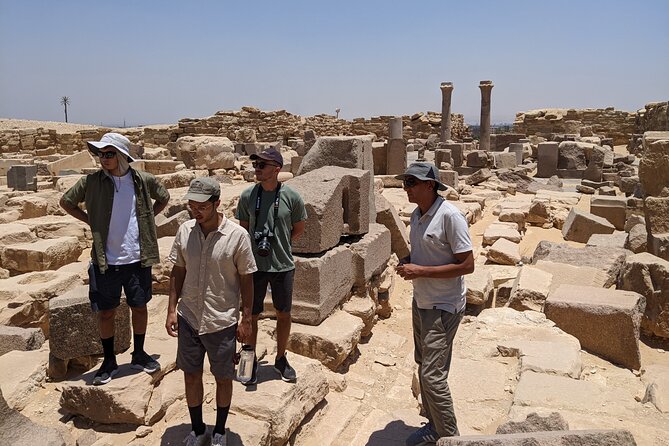
At the Great Pyramid of Khufu, you’re looking at one of the most engineered buildings ever attempted. The best part of this section isn’t only the pyramid itself—it’s the total setting. You’ll see the Sphinx nearby, and the guide helps you find angles and viewpoints that can feel more spacious and less like a traffic jam.
This is listed as a 3–4 hour experience for the Giza Pyramids and the Sphinx. That’s long enough to slow down. You can take photos, read the space with your own eyes, and not feel like you’re being rushed past the details.
A practical note: this stop depends on your energy and the crowds outside the main rush times. If you’re the type who likes to linger, use some of that time for breaks in the shade. If you’re there for the big visuals, focus your time on the Sphinx/pyramid relationships—the way the monuments line up is what sticks in your memory.
Admission here isn’t included. The Giza pyramids area ticket is listed as 12 USD.
Uncommon angles at Giza: how Ahmed turns “sightseeing” into photos and meaning
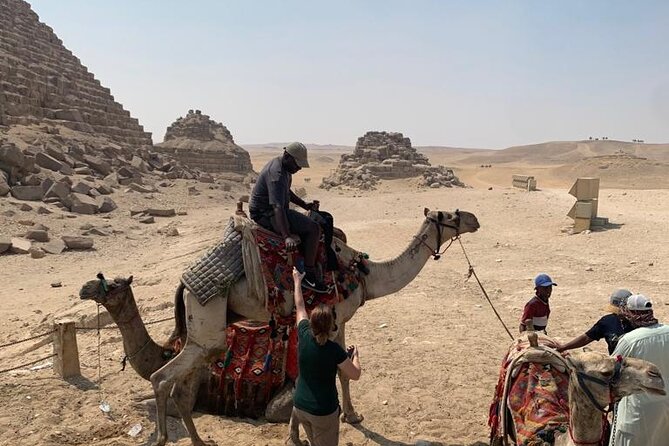
One of the most consistent themes from Ahmed’s past tour experience is how he handles viewpoints. In the reviews, people highlight that he’s good at finding photo spots with little to no people and that he knows history without turning it into a lecture.
That matters because Giza’s crowds can erase the sense of scale if you’re constantly stuck behind someone’s hat. A good guide can change the feel of your day without changing your destination.
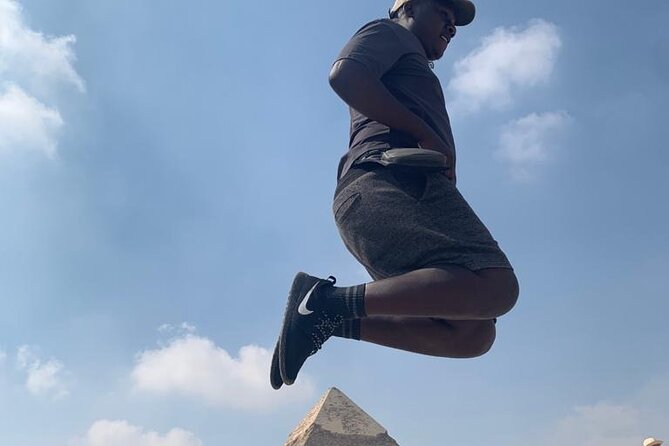
I’d treat this part like a photo-and-story session. Ask your guide where to stand for the best pyramid perspective. Then—after you get the shot—walk a bit and look again. The pyramid will feel different when you’re no longer fighting for position.
This stop is also where you start connecting religion and engineering. The pyramids weren’t only royal display. They were part of a belief system about eternity, status, and what comes after death. When you understand that, you’ll notice more in the ruins and surroundings than just “big rocks.”
Saqqara and the Step Pyramid of Djoser: where the earlier idea shows up
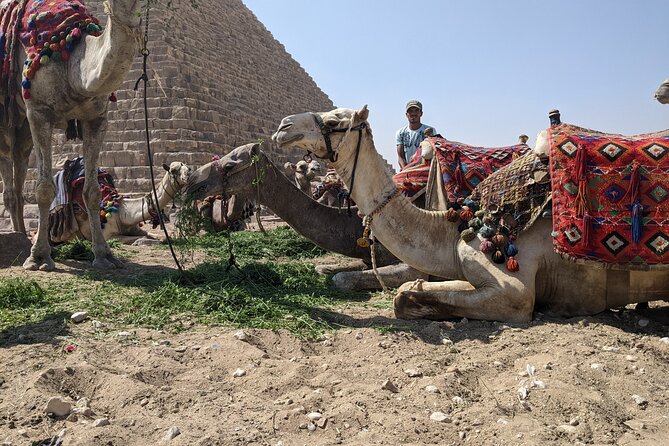
Day 1 continues with Saqqara (Sakkara), with about 4 hours available. If Giza is the legend you already know, Saqqara gives you the origin feeling.
You’ll visit the Step Pyramid of Djoser—often described as magical for a reason. It’s the kind of monument that helps you see the development of Egyptian thinking. Instead of only the final form at Giza, you get a sense of an earlier step in the process.
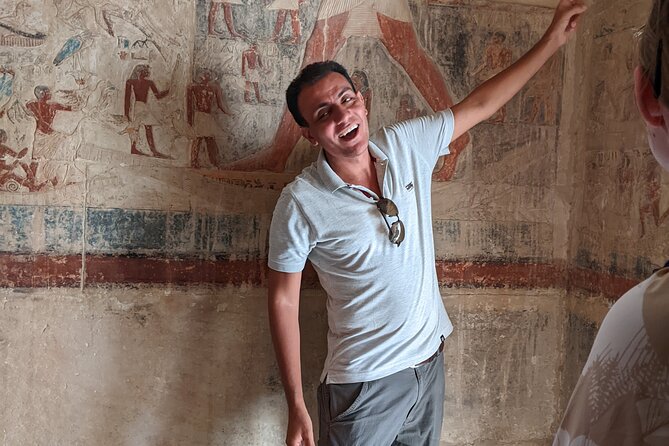
What makes Saqqara special in this tour context is the emphasis on more than one photo stop. You’ll see in-tact tombs, historical burial shafts, and sumptiously carved hieroglyphs. That’s the stuff that makes the site feel like a working history, not just a skyline.
This is also a flexible block. The tour says Saqqara can be completed in the morning or afternoon based on your preference. If you want better light for photos, you might pick the time that matches your comfort—just know that midday sun can be punishing in Egypt.
Admission here isn’t included either. The Saqqara ticket is listed as 10 USD.
Day 2 starts indoors: the Museum of Egyptian Antiquities
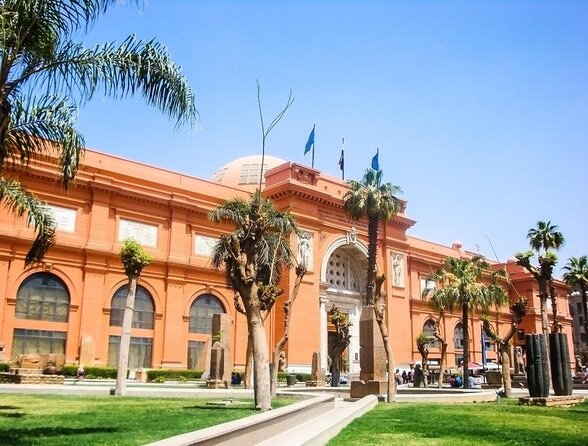
After two major outdoor sites, you get a museum reset on Day 2 at the Museum of Egyptian Antiquities. This stop is listed as 3 hours, and it helps connect what you saw in stone to what Egypt made, used, and buried.
The big payoff is that you’ll be looking at a broader spread of Egyptian life and artifacts—mummies and sarcophagi included. It’s also the best place in this itinerary to slow down and read. Outside, you’re moving. Inside, you can actually absorb details.
If you’re picky about museum time (and who isn’t on day two?), aim for a path that supports the beliefs you saw earlier—funerary items, royal symbolism, and the way artifacts match the eras you just visited.
Admission for the museum isn’t included, and it’s listed as 10 USD.
Islamic Cairo: minarets, schools, mausoleums, and quieter architectural stories
Next up is Islamic Cairo for about 3 hours. The tour description focuses on more than mosques. You’ll see minarets, hidden houses, schools, mausoleums, and other buildings shaped by layered eras.
This kind of stop is valuable because Cairo’s Islamic architecture isn’t only about one famous structure. It’s also about the city pattern—how different eras leave their marks, and how streets carry those marks forward.
If you like architecture, take your time here. Notice how different buildings sit next to each other. If you like history, ask your guide how these structures reflect changing power and belief.
A note from the earlier tour experience: Ahmed’s route has included the Mosque of Sultan Hasan for some groups. That’s not listed as a guaranteed single stop here, but it’s a helpful example of the kind of landmark Islamic Cairo can include when there’s time.
Coptic Cairo and the Holy Family story: Christianity in Egypt in concrete spaces
Coptic Cairo is the spiritual pivot of the second day. You’ll spend about 2 hours here, focused on Christianity in Egypt’s history. The description specifically ties the area to the Holy Family story, including the flight from Bethlehem to Egypt under King Herod’s tyranny.
You’ll visit churches that are part of that tradition, including mention of the Hanging Church, plus crypts connected to the legend of where the Holy Family sought shelter.
This section is also one of the best reasons to book this tour at all if you like religious history shown in real places. You’re not just reading. You’re standing somewhere that has carried belief through centuries.
There’s also an optional addition mentioned: the Museum of Coptic Cairo. If you enjoy details and you still have energy after the churches, this can be a strong way to extend the story beyond the visible architecture.
Memphis and other additions: when your guide has flexibility
One review mentions a visit to Memphis along with other sites. Memphis isn’t listed in the main day-by-day blocks you’re given, so treat it as a possible addition depending on your day and timing.
That said, it hints at something important: Ahmed seems to shape the route based on what fits. If you want one clear “standard” plan, you’ll still get it. If you want a bit more variety when the schedule allows, this guide approach can be a plus.
Food strategy: what to eat in the places you actually visit
The tour description includes a plan for authentic Egyptian food recommendations during the day, and that’s where a guide can save you from tourist traps.
Since the food guidance isn’t pinned to a single restaurant name in the info you provided, I’ll keep this practical:
- I’d ask Ahmed what’s best to try near the sites you’re visiting.
- I’d pick foods you can eat without rushing—things that work well when you’re moving between monuments.
- If you have dietary needs, mention them early so the recommendations match your reality.
One smart idea for Cairo is to treat food as a second storyline. For example: after a long pyramid day, you often want something warming and filling. After a museum or mosque visit, you may want lighter bites. A good guide helps you match food to energy.
What the tour is best for
This is a great fit if you want:
- A private pace across major monuments and major religious eras
- A guide who makes the story readable, plus helps with photos
- Two days that don’t feel like separate checklists
It may be less ideal if you want only the most famous sites, with no interest in Islamic Cairo or Coptic Cairo. Also, if you’re very sensitive to heat and walking, you’ll need to pace yourself—these are outdoor-heavy days.
Price and value: $120 plus tickets, but fewer headaches
The price listed is 120 USD per person for the 2-day private experience. What you get included is private transportation and bottled water, plus pickup from Marriott Mena House.
What you’ll add on top:
- Pyramids area ticket: 12 USD
- Saqqara ticket: 10 USD
- Egyptian Museum ticket: 10 USD
That’s a straightforward extra spend for key sites. So yes, admissions will push the total higher, but you’re paying for priority logistics: private transport, a guide’s time across both days, and an itinerary that covers more than just one monument cluster.
If you’re traveling as a small group, private tours can feel expensive compared to group buses. But the value usually shows up in time saved, comfort gained, and less standing around waiting for others.
Should you book this 2-day Cairo monuments and faith tour?
If you want a Cairo experience that tells a story instead of only naming places, I’d book it. The mix is the point: Giza and Saqqara for Egypt’s early monumental power, then Islamic Cairo and Coptic Cairo for the next turns of belief. Ahmed’s reputation for humor, friendly service, and strong photo viewpoints also looks like the kind of guidance that makes a long day feel easier.
Book it if you:
- Like seeing the big famous sites and the “why it came next”
- Want a private setup starting at Marriott Mena House
- Appreciate a guide who can explain what you’re looking at while helping with practical photo spots
Skip it if you only care about one monument family and don’t want religion-and-history stops beyond ancient Egypt.
FAQ
How long is the tour?
It’s a 2-day private tour, with each day’s stops running for several hours. Giza and Sphinx is about 3–4 hours, Saqqara is about 4 hours, the museum is about 3 hours, Islamic Cairo is about 3 hours, and Coptic Cairo is about 2 hours.
Is pickup included?
Yes. Pickup is offered, and the meeting point listed is Marriott Mena House, Cairo.
What’s included in the price?
The tour includes private transportation and bottled water.
Are admission tickets included?
No. Admissions are not included for the pyramids area (12 USD), Saqqara (10 USD), and the Egyptian Museum (10 USD).
Where does the tour start and end?
It starts at Marriott Mena House, Cairo, and ends back at the same meeting point.
Is this tour private?
Yes. It’s a private tour/activity, so only your group participates.
Do I get a ticket for entry on my phone?
Yes. The tour includes a mobile ticket.
What are the operating hours?
The listed hours are Monday through Sunday from 7:00 AM to 5:00 PM, within the stated date range.
Does the tour require good weather?
Yes. The experience requires good weather, and if it’s canceled due to poor weather you’ll be offered a different date or a full refund.