REVIEW · BARCELONA
Barcelona: La Boqueria Food, Wine & History Walking Tour
Book on Viator →Operated by Barcelona Local Experiences · Bookable on Viator
This Barcelona food, wine, and history tour is built for people who want flavor plus context, not just photo stops. You start at La Rambla, then the route threads through Gothic and El Born in a tight loop that makes the old streets feel logical. It also includes lunch and multiple tastings, so you’re not standing around wondering when the food starts.
I like two things a lot: the small size (up to 12) keeps the pace human and the guide’s stories clear, and the focus stays local with tastings at several typical tapas places instead of one big “set menu” stop. The guide talent gets praised by name too—Dasha, Brian, Valerie, Francesc, Andres, Nachos, Berta, Cam, Pau, and Joaquin show up repeatedly in feedback, which is a nice sign you’re likely to get someone who can explain Catalonia without lecturing.
One consideration: La Boqueria Market may not be fully accessible on some days. There’s specific feedback about Sundays when the market is closed, plus at least one note that the market visit can feel more like a quick pass than a long wander. If La Boqueria access is your top priority, it’s worth planning your expectations around the day you book.
Key things to know before you go
- Max 12 travelers means you’ll move easily through tight streets and actually hear the guide.
- La Boqueria sampling plus Catalan sparkling wine (cava) sets the tone fast.
- Four tastings stops across atmospheric neighborhoods keep variety high without a marathon day.
- Gothic Quarter + El Born history ties architecture and street layout to Catalonia’s past.
- Lunch included is practical value, not a later add-on.
- Dietary options available for vegan, vegetarian, gluten-free, and lactose-free diets.
In This Review
- Why this Barcelona Food, Wine & History Tour Works
- The Pace: 3 Hours, Four Eating Stops, and a Small Group
- Starting at La Rambla: A Simple Way to Get Oriented
- Mercat de la Boqueria: What You Should Expect (and Plan For)
- Gothic Quarter: Long Enough for Meaning
- El Born: More Streets, More Stories
- Santa Maria del Mar: A Quick Stop That Adds Weight
- Food and Wine Tastings: How the Lunch Fits In
- Value for $114.89: Not Cheap, But It’s Not Just Walking
- Guides Matter: Why the Names You See Give Confidence
- What Could Go Wrong: Walking, Timing, and Market Reality
- Who This Tour Is Best For
- Should You Book This Barcelona Food, Wine & History Tour?
- FAQ
- How long is the Barcelona La Boqueria Food, Wine & History Walking Tour?
- What’s the group size for this tour?
- Where does the tour start and end?
- What’s included in the price?
- Are there dietary options?
- Is hotel pickup included?
- Is the tour offered in English?
- What if La Boqueria Market is closed on your day?
Why this Barcelona Food, Wine & History Tour Works
Barcelona can be a lot at once. One minute you’re staring at a Gothic façade; the next minute you’re hunting for a decent plate of tapas that isn’t trapped behind a menu board written in eight languages. This tour tackles that problem by packaging food + drink + neighborhood history into one short walk.
The format makes it easy to absorb. In about three hours, you see the market energy, then the old-town logic in two key quarters. Meanwhile, the tastings and lunch keep your body from turning into a grumpy tourist engine.
It’s also a good way to learn how Barcelona thinks about eating. Catalan food isn’t just about “what” you try. It’s about the rhythm: market culture, shared small plates, and wine that fits what’s on the table.
The Pace: 3 Hours, Four Eating Stops, and a Small Group
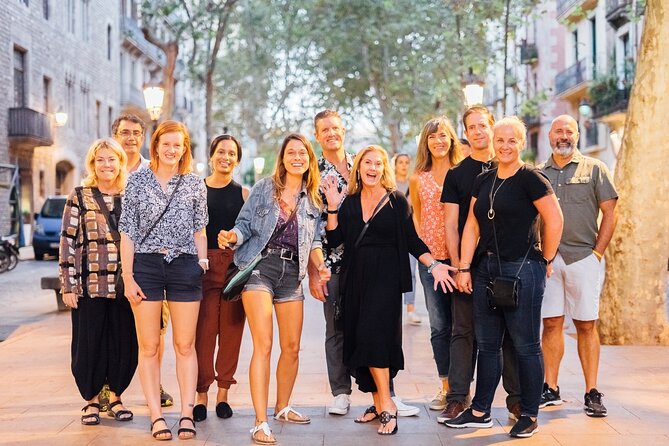
This experience runs about three hours and stays small, with a maximum of 12 travelers. That matters more than you’d think. Big tours are loud and slow in the wrong ways. Small-group tours let you hear the guide’s explanations, and you’re not constantly waiting for people who missed the last turn.
You’ll also do a fair amount of walking, but it’s generally structured. The itinerary breaks the day into short blocks—market time, then longer history windows in the streets—so you’re not stuck in a long line without food, or stuck in a long church explanation without a break.
You can also read our reviews of more tours and experiences in Barcelona.
Starting at La Rambla: A Simple Way to Get Oriented
The meeting point is La Rambla, 97 in Ciutat Vella, and the tour ends back at the same location. That’s helpful if you’re trying to build your first-day plan. La Rambla sits at the center of the walking-world, and it’s easy to get back to for later dinner plans.
One more practical note: the tour is near public transportation, and there’s no hotel pickup. So you’ll want to arrive a few minutes early, then just treat it like your “orientation walk” plus lunch.
Mercat de la Boqueria: What You Should Expect (and Plan For)
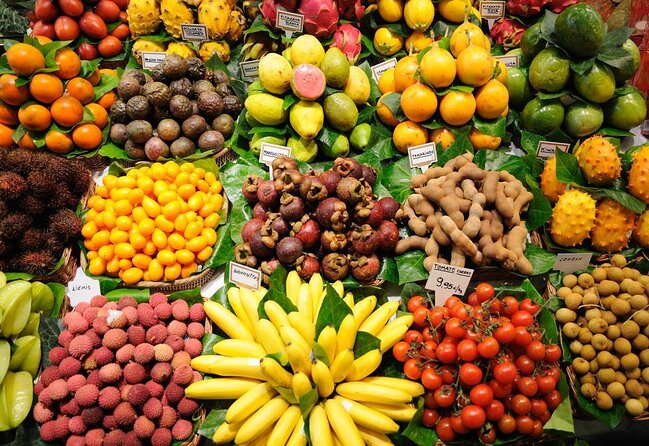
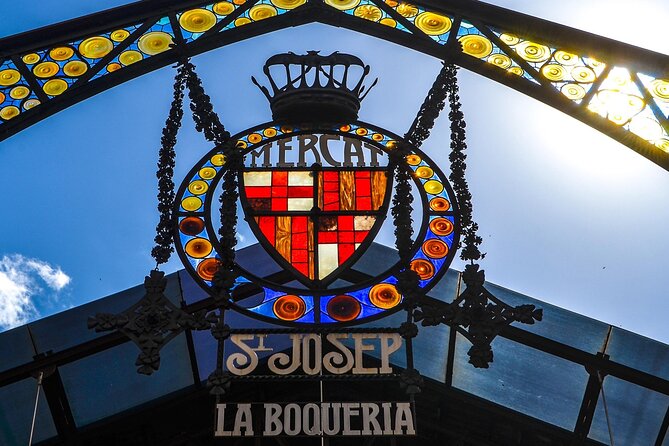
The first stop is Mercat de la Boqueria, with around 30 minutes on site and admission included. This is the kind of place where you quickly understand why Barcelona treats food as culture. You see the sections, the hustle, and the ingredients that make tapas make sense.
You can also expect the tour to use the market as a springboard. The guide doesn’t just point at stalls; the market is used to explain food and wine culture. That’s where the tour earns its “history” label early: the market represents a living tradition, not a museum display.
Still, be aware of the one big wildcard. There’s direct feedback that La Boqueria can be closed on Sundays, and that can change what you experience. On those days, you may not get the same in-market time you hoped for. If your travel dates include a Sunday, I’d treat the market portion as a possibility rather than a guaranteed full roam.
Gothic Quarter: Long Enough for Meaning
Next comes the Gothic Quarter segment, about 1 hour 20 minutes, again marked with admission included. This is the neighborhood where Barcelona feels like a story you can walk through. Narrow lanes, old stone, and the sense that the city grew in layers.
What I like about this setup is that it gives the guide enough time to connect history to what you’re actually seeing. You’re not just handed dates. You’re shown how the city’s layout and buildings reflect power, trade, and community life.
If you’re the type who gets impatient in “history tours,” this is where you’ll either love it or tune out. The difference seems to be the guide. Feedback names several strong guides—Brian and Nachos show up with specific praise for knowledge and humor—so you’ll want to check the guide assignment when you book, if that option is available.
El Born: More Streets, More Stories
Then you head to El Born for about 1 hour, also with admission included. El Born has that artisan-shop energy and old-world street feel, but it also connects to Catalonia’s broader story. For food-focused travelers, it’s also where tapas culture feels natural—this is where you’d actually wander for a drink after work, not just for a “tourist bite.”
This stop tends to be where the tour shifts from big picture history into daily life. That’s important because Barcelona isn’t only a heritage city; it’s a living city with eating habits you can still copy today.

Santa Maria del Mar: A Quick Stop That Adds Weight
You’ll finish with Basilica de Santa Maria del Mar, a 10-minute stop that’s free. Ten minutes doesn’t sound like much, but it works here as a punctuation mark. You’ve spent the earlier part of the walk in market and neighborhood history mode, and this gives you a visual anchor.
The main value is not a deep religious lesson. It’s the feeling of the place: a real landmark that makes the old-town story feel complete. Even if you’re not the church type, you’ll probably enjoy the architectural atmosphere for the short time you have.
Food and Wine Tastings: How the Lunch Fits In
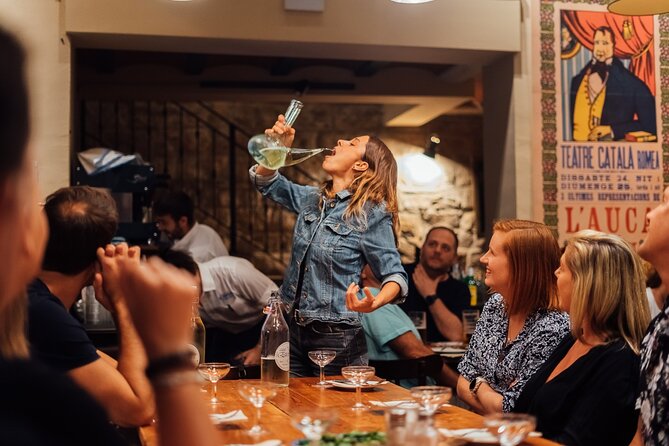
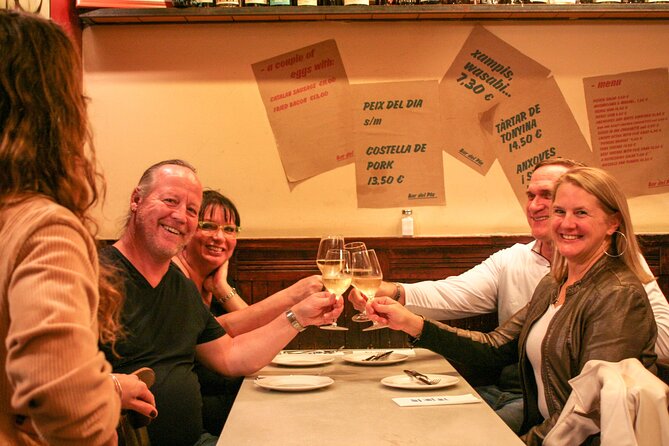
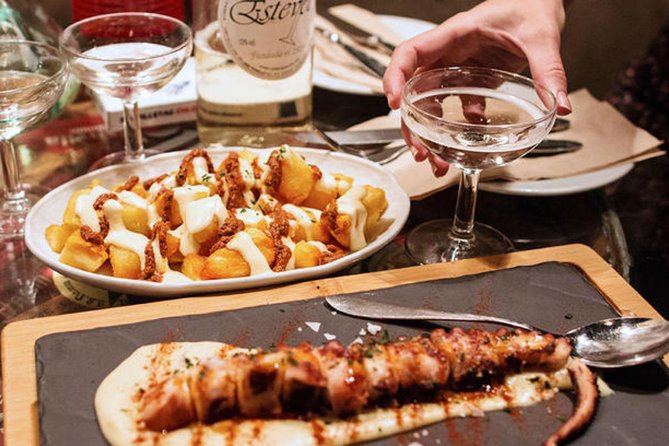
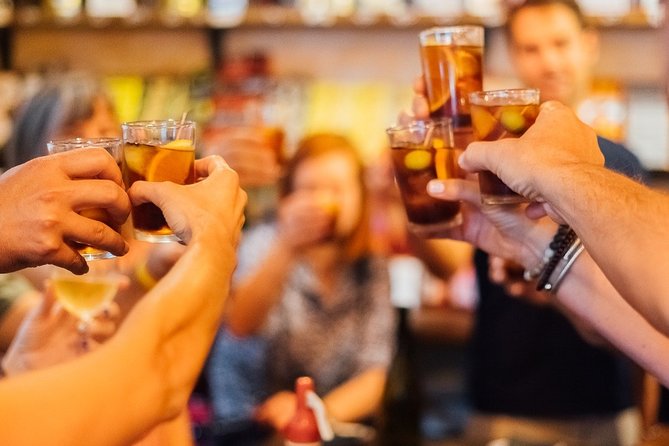
The tour includes lunch and wine and food tastings across about four typical tapas restaurants. That’s a smart structure. You get variety without the “one restaurant, too much food at once” problem.
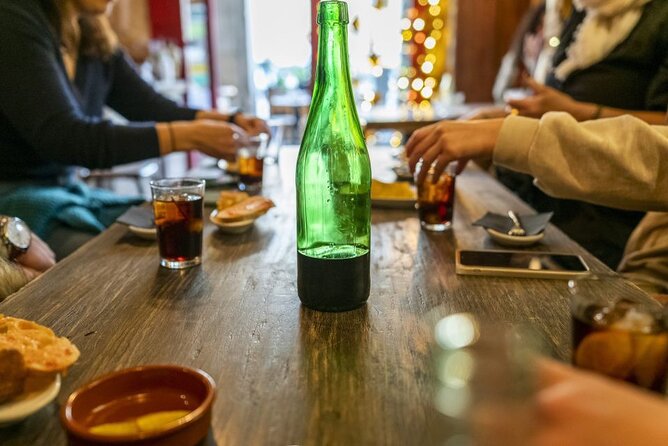
You can expect Catalan staples and drinks. Specific feedback mentions things like fried sardines, vermouth, and cava. The wine tastings are tied to the food, which helps you understand why Barcelona pairs flavors the way it does. It also makes you more confident when you order later.
One of the best signs here is how the tour handles different diets. Vegan, vegetarian, gluten-free, and lactose-free options are available. That doesn’t mean every ingredient will vanish, but it does mean the guide can guide you toward choices that fit your needs rather than forcing you into a token plate.
Also, plan to eat. With multiple tastings plus lunch, you’re not going to need a second big meal right after unless you’re traveling with extreme snack discipline.
Value for $114.89: Not Cheap, But It’s Not Just Walking
At $114.89 per person, this isn’t a bargain. But it’s also not “pay for a stroll and a poster history lesson.”
You’re paying for:
- A local foodie guide
- Tastings at around four eateries
- Lunch included
- Wine and food tastings
- Market and other admission elements where noted
If you tried to recreate it on your own, you’d spend time figuring out where to go, then money buying individual tastings and drinks. This tour reduces the guesswork by bundling the meal planning into a route.
The small group size (max 12) also supports the price. For a city like Barcelona, that level of attention costs money.
Where price feels least justified is if you already have a strong handle on tapas spots and you prefer to wander freely without structured tastings. If that’s you, you might prefer a self-guided route. But if you want tastings plus guidance, it’s closer to “buy convenience” than “buy luxury.”
Guides Matter: Why the Names You See Give Confidence
It’s a small detail, but it matters. Feedback repeatedly calls out specific guides by name, and those names cluster around a few traits: humor, clarity, and real local knowledge.
Some names showing up with strong praise include:
- Dasha (great information and a memorable experience)
- Brian (knowledge plus humor)
- Valerie (friendly, professional, and informative)
- Francesc (local plates and interesting commentary)
- Andres (friendly and knowledgeable)
- Berta (exceptional storytelling; Catalonia-focused)
- Cam (detailed explanations and great Q&A)
- Pau (loved the city and culture; distinct stops and drinks)
- Joaquin / Jay (history-heavy with fun pacing)
Even if you don’t get one of these exact guides, the fact that multiple named guides are credited for the same core strengths is a good indicator that the tour system works.
What Could Go Wrong: Walking, Timing, and Market Reality
There are three practical friction points to keep in mind.
First: walking time adds up. Reviews mention lots of walking, though commonly described as at an easy pace. Still, it’s not a “sit down every five minutes” tour.
Second: La Boqueria access can vary by day. Sunday closure feedback is clear, so if you’re traveling over a Sunday, plan for the possibility that you’ll get a shorter market experience than you expected.
Third: the market time is limited. Some feedback says you may want more time in the market itself. That’s the tradeoff for packing in history and multiple tapas stops.
If you’re the type who loves lingering in markets with zero schedule, you might add time on your own before or after the tour. The tour is excellent for getting oriented, not for being your all-day market day.
Who This Tour Is Best For
This tour is a great fit if:
- You want a first taste of Barcelona that also teaches you how the city developed.
- You enjoy small-group walking over big bus tours.
- You’d rather spend your energy eating well than researching restaurants mid-trip.
- You care about food culture and want drink pairings that make sense.
It’s also a solid choice for couples and small friend groups. The max 12 limit helps the guide keep a rhythm that doesn’t break when one group lags behind.
If you’re traveling with kids, children must be accompanied by an adult. If your group needs very long seated breaks, you may find the pace a bit active.
Should You Book This Barcelona Food, Wine & History Tour?
Yes, I’d book it if you want a structured route that still feels local. The combination of La Boqueria market culture, history in the Gothic Quarter and El Born, and the meal setup (multiple tastings plus lunch and cava/wine) gives you a high chance of leaving full and informed.
But if your trip includes a Sunday and La Boqueria is the headline for you, adjust expectations or consider an alternate plan for the market day. And if you hate walking or want maximum time inside the market, you’ll likely want to pair this with some extra free time after.
For most visitors who want real Barcelona flavors and a sense of place fast, this tour earns its place on your schedule.
FAQ
How long is the Barcelona La Boqueria Food, Wine & History Walking Tour?
It runs about 3 hours.
What’s the group size for this tour?
The tour has a maximum of 12 travelers.
Where does the tour start and end?
It starts at La Rambla, 97, Ciutat Vella, 08002 Barcelona, Spain and ends back at the meeting point.
What’s included in the price?
It includes a local foodie guide, stops at four typical tapas restaurants with food tastings, lunch, and wine and food tastings. Admission is included where noted for the market and the other specified stops.
Are there dietary options?
Yes. Vegan, vegetarian, gluten-free, and lactose-free options are available.
Is hotel pickup included?
No, hotel pickup and drop-off are not included.
Is the tour offered in English?
Yes, it is offered in English.
What if La Boqueria Market is closed on your day?
There is feedback indicating La Boqueria Market can be closed on Sundays, which can limit what you can access inside the market.