REVIEW · BARCELONA
Barcelona: 3-Hour Esoteric, Spiritual & Historical Tour
Book on GetYourGuide →Operated by Sandra Burela · Bookable on GetYourGuide
Forget the usual Barcelona story.
On this 3-hour walk with Sandra Burela, you follow the spiritual threads in Barcelona’s Gothic Quarter and learn how symbols, myths, and belief systems can live side by side with street-level history.
I love two things most. I like the way the tour connects Western esoterica to places you can actually see and point at, from medieval churches to carved clues in sacred buildings. I also like the small-group feel, limited to 8 participants, which makes it easy to ask questions and get clear, friendly answers.
One consideration: this isn’t a standard facts-only history tour. If you want strictly documented, academic proof for every claim, you may find the tone more interpretive than textbook.
In This Review
- Key highlights you’ll actually notice
- Why Barcelona suddenly feels mystical in 3 hours
- Meeting at Plaça Catalunya: a smart start point
- The Gothic Quarter walk: medieval streets as a spiritual map
- Finding Templar and Masonic symbols in the Gothic cathedral
- The Jewish call, rabbis, and Kabbalah in Catalonia
- From dragons to hermetic symbolism: reading the city’s clues
- Freemasonry through eras: modern design and Gaudí’s place in the story
- Price and value: is $88 a good deal for this kind of tour?
- Who this tour fits best (and who might prefer something else)
- What you’ll leave with: a new way to navigate Barcelona
- Should you book this esoteric, spiritual and historical tour?
- FAQ
- How long is the Barcelona esoteric walking tour?
- Where is the meeting point?
- What group size should I expect?
- Is the tour offered in English?
- Do I need to know anything about esotericism before I go?
- What should I wear or bring?
- Can I cancel and get a full refund?
Key highlights you’ll actually notice
- Gothic Quarter walking route built around the mood of medieval Barcelona, not just landmarks
- Templar and Masonic symbols spotted in the Gothic cathedral setting
- Jewish call and Kabbalah as part of the city’s story, including famous rabbis and schools
- Hermetic symbolism and dragons that show up as you learn how people read the world spiritually
- Freemasonry across eras, including claims that connect modern Barcelona and Gaudí to the craft’s lore
Why Barcelona suddenly feels mystical in 3 hours
Barcelona gives you layers. You see them if you know where to look. This tour is built for that exact moment when the city stops being just a backdrop and starts acting like a living museum of ideas.
The core idea is simple: Barcelona has always been a mix of cultures and faiths—Romans, Visigoths, Jewish communities, sailors and merchants from across the Mediterranean—so it makes sense that spiritual traditions would leave traces. What’s different here is the lens. You’ll walk through the old streets and then get a second way to read the same stones, whether the subject is Templars, Freemasons, Kabbalah, or other strands of Western esoteric thought.
And yes, the tone is warm and human. Several people highlighted how Sandra explains things clearly, stays humorous, and keeps the pace engaging. That matters because esoteric topics can drift into jargon fast. Here, you’re given context as you go, so the symbols don’t feel like random graffiti.
You can also read our reviews of more tours and experiences in Barcelona.


Meeting at Plaça Catalunya: a smart start point
You meet in front of the Zurich Café at Plaça Catalunya, by the newsstand between the two metro entrances. It’s a practical choice. You’re right where most people begin their Barcelona day, so you’re not hunting through side streets before the walk even starts.
What you’ll feel from the first minutes is that you’re being guided to pay attention, not just to follow along. Sandra tends to tailor the discussion to the group’s interests and questions—useful if you’re new to this topic or if you already know a bit (including astrology or related esoteric systems).
If you’re visiting in summer, bring water. The tour is only three hours, but the Gothic Quarter can feel like an outdoor oven at peak time.
The Gothic Quarter walk: medieval streets as a spiritual map
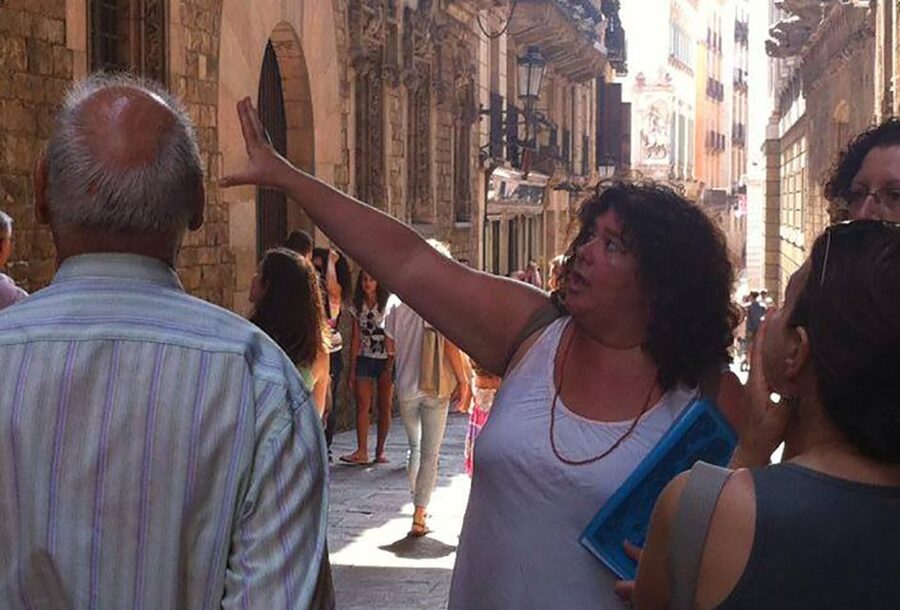
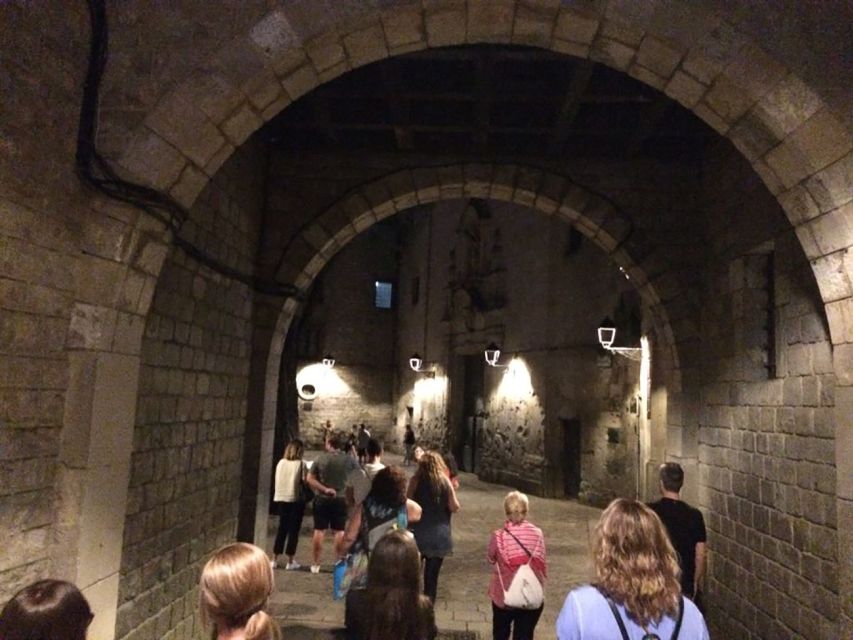
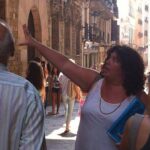
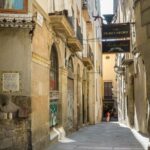
The route centers on the Gothic Quarter, where medieval Barcelona still feels close enough to touch. This isn’t just for atmosphere. The point is that the quarter’s narrow streets, churches, and old civic spaces create a perfect backdrop for how symbolism is often used: not in a museum case, but integrated into daily life and sacred buildings.
As you walk, you’re shown connections that span eras. You’ll hear about Roman Barcino and then move forward into the medieval period, when Barcelona’s power grew and different communities left stronger marks. The tour frames the city as a place where history isn’t a single straight line. It’s more like overlapping stories written on the same page.
That overlap is where the experience becomes useful for you as a visitor. After the tour, you won’t just see Gothic architecture. You’ll start noticing patterns—where the city seems to invite interpretation, and why certain symbols would matter to people living in that time. It’s a different kind of orientation. Less about where you are on a map, more about how to read the city as you pass it later.
Finding Templar and Masonic symbols in the Gothic cathedral
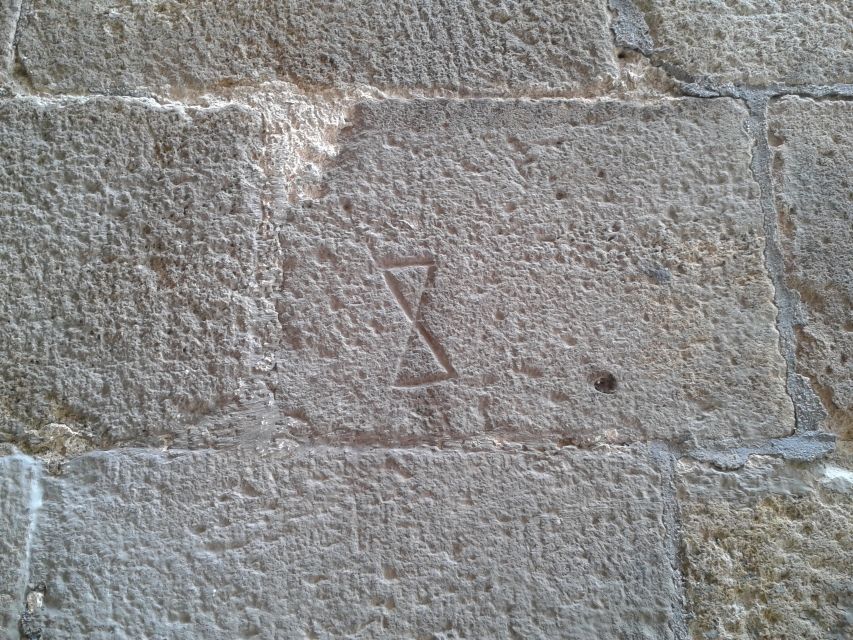
One of the most specific and praised moments of the tour is the stop at the Gothic cathedral, where you’ll look for Templar and Masonic symbols.
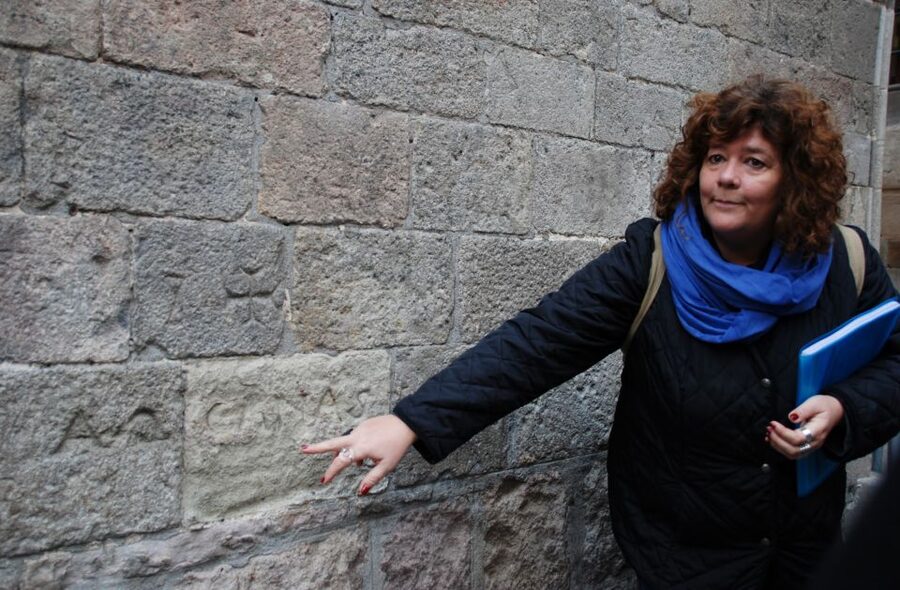
This is where you’ll probably notice the tour’s real skill: Sandra doesn’t toss out symbols and move on. She places them in context, relating them to the Western esoteric tradition and explaining why such groups might be linked to architectural language, stonework, and sacred spaces.
A big reason I think this stop works so well is that it pulls you out of the usual sightseeing rhythm. Barcelona is full of famous façades and big views. Here, you get trained attention on details people often speed past: carved motifs, placement, and the way symbols can communicate ideas about initiation, order, and the sacred.
Important note, in plain terms: the tour treats these connections as part of Barcelona’s mystical story—how the city can be understood through esoteric traditions. If you want one universal answer to what every carving means, this won’t give you that. What it will give you is a strong framework to interpret what you see.
The Jewish call, rabbis, and Kabbalah in Catalonia
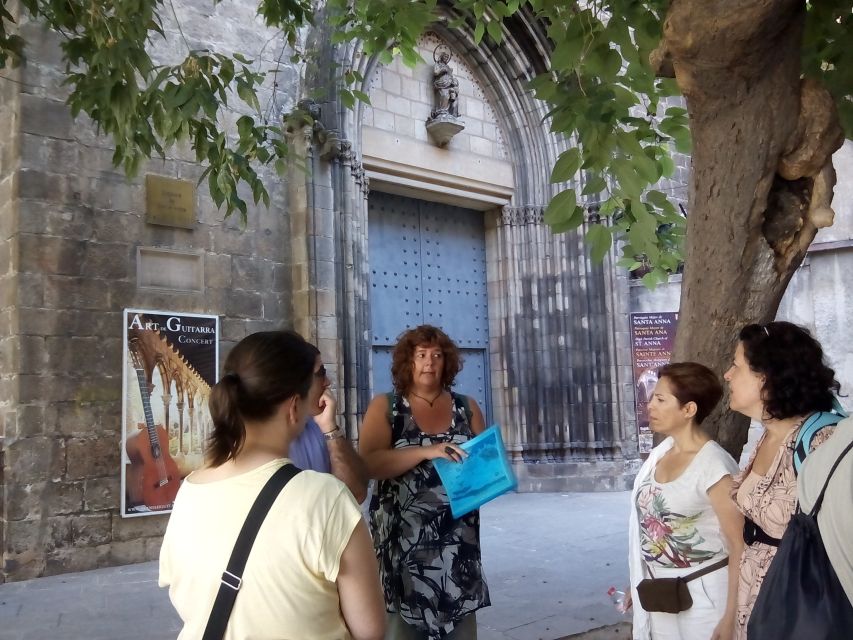
Another standout theme is the Jewish history of Barcelona, especially the old Jewish call, which is the Catalan term for a Jewish quarter. You’re not only told that Jewish life existed; you’re guided through why that presence matters in the city’s spiritual history.
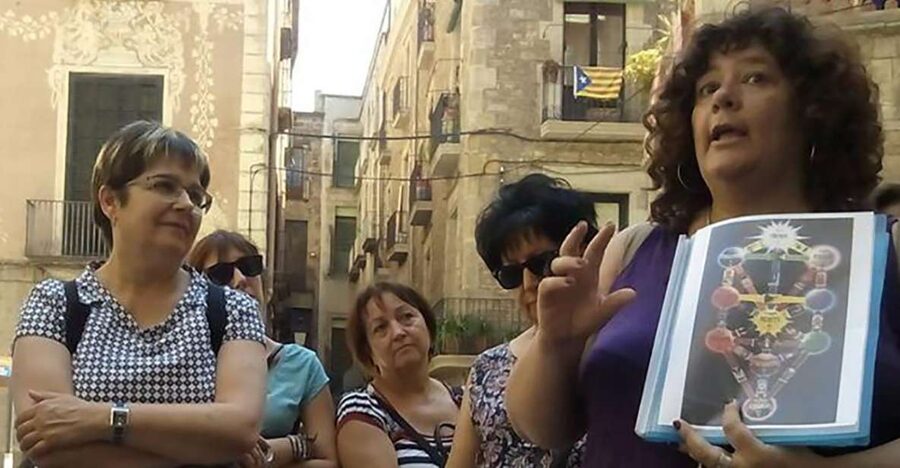
From there, the tour connects Jewish spiritual traditions to the broader emergence of Kabbalah in Catalonia. You’ll hear about famous rabbis and Kabbalist schools and how ideas traveled through time and across Mediterranean networks.
This part matters because it broadens the story beyond the usual “Barcelona = Catholics and Gaudí” script. You come away with a more accurate sense that Barcelona’s intellectual and spiritual life was shaped by many communities. And once you learn that, you start noticing that the city’s symbols and spaces can hold more than one meaning.
If you’re the kind of traveler who likes history that has texture—human communities, ideas, schools, lineages—this segment is likely to stick with you long after the walk ends.


From dragons to hermetic symbolism: reading the city’s clues
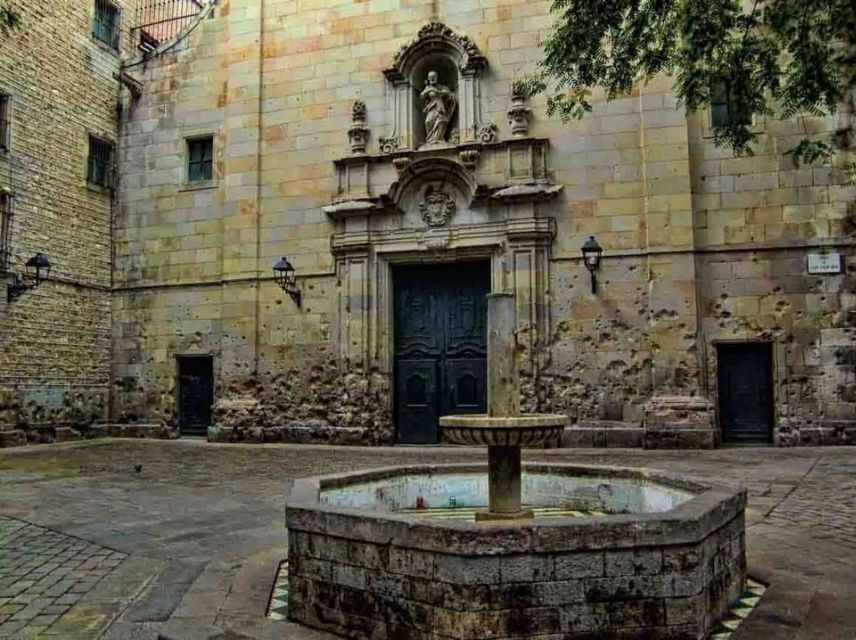
The tour doesn’t stay only in medieval Europe. It stretches outward, then snaps back to the present with a message: Barcelona has always been a city where different ways of seeing the world coexist.
You’ll hear the story of a temple dedicated to Jupiter, then jump forward to modern homes and mystery schools tied to esoteric traditions. You’ll also explore the idea of hermetic symbolism, plus the theme of dragons—because in a city like Barcelona, symbolic creatures are never just decoration. They’re part of how people expressed belief, protection, transformation, and cosmic order.
Here’s the practical payoff for you. Once you’ve had this framing, your next Barcelona stroll changes. You start asking questions as you pass façades and churches. You might not go hunting for symbols every minute—but you’ll stop ignoring them.
And because Sandra answers questions during the walk, you’re not left with a list of claims. You get conversation, clarification, and a sense of how the different threads connect.
Freemasonry through eras: modern design and Gaudí’s place in the story
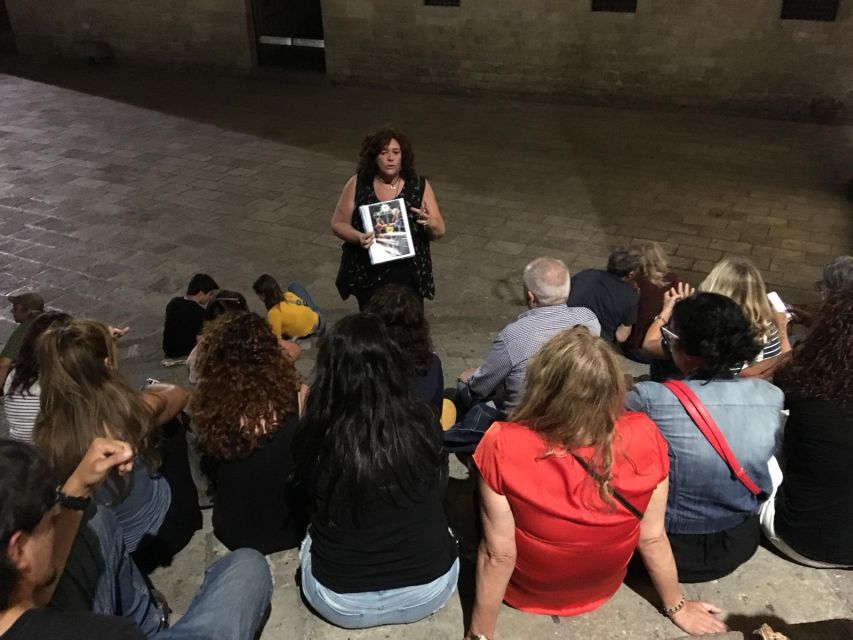
A fascinating angle of the tour is Freemasonry—not only its 19th-century presence in Barcelona, but the tour’s claims about connections to modern design.
You’ll hear an idea that modern Barcelona was designed by a Freemason, and you’ll also get the question of whether Gaudí himself was a Freemason raised within the tour’s narrative. Even if you come in unsure about those claims, this segment helps you understand why esoteric groups attract historical speculation in the first place: their symbols, influence, and social networks lend themselves to mystery.
Think of it as story-reading, not courtroom testimony. The tour gives you a way to track how societies use architecture, geometry, and symbolism to communicate status and worldview. That’s helpful even if you ultimately decide you don’t buy every claim.
One more reason this works: it makes the city feel current. You’re not only looking back. You’re learning how belief systems can echo into what you’re seeing today.
Price and value: is $88 a good deal for this kind of tour?
At $88 per person for a 3-hour small-group walk, the price sits in the midrange for specialized city tours. You’re paying for two things that you can’t fake with a phone app: an expert guide and an interpretation system that turns ordinary streets into meaningful reading.
Here’s the value calculation that matters. You get:
- A specialist guide focused on Western esoteric tradition and Barcelona
- A group capped at 8, which keeps the pace personal
- An English live guide who answers lots of questions
- A clear “how to look” method for symbols and history
- Extra resources after the tour (Sandra is known for sharing helpful follow-up material)
If your goal is simply to tick off major sights, you’ll likely find cheaper options. But if you want Barcelona with a second lens—one that connects architecture, sacred spaces, and spiritual traditions—this price starts to make sense fast.
Who this tour fits best (and who might prefer something else)
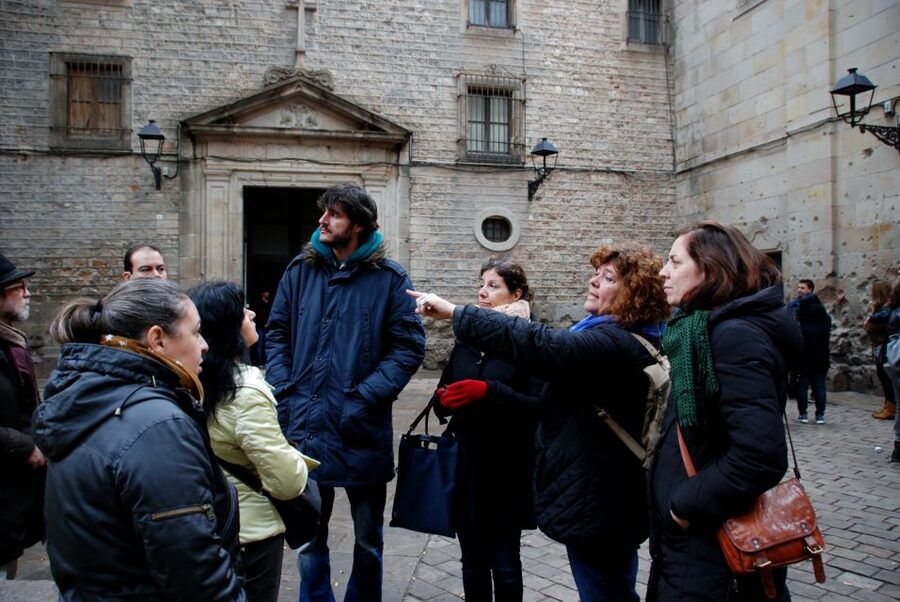
This is a great match if you:
- Want to see the Gothic Quarter beyond the obvious postcard stops
- Enjoy esoterica, spirituality, or symbols, even if you’re starting from scratch
- Like history that includes communities and belief systems, not only dates
- Prefer small groups and conversation over a lecture
You might think twice if you:
- Want a purely academic, evidence-only history format
- Don’t enjoy interpretive stories or symbolic reading
- Are short on walking stamina, since it’s still a city walk even in 3 hours
Also, if you love asking questions, you’ll have a good time. Sandra’s style is friendly and responsive, and the tour doesn’t feel like you’re stuck listening without room to engage.
What you’ll leave with: a new way to navigate Barcelona
By the time you finish, you shouldn’t just feel entertained. You should feel more equipped. You’ll know where to look for symbolic clues in churches and Gothic spaces. You’ll understand why Jewish and esoteric traditions are part of Barcelona’s layered identity. And you’ll have a storyline that connects past to present, so the city feels less random.
Best of all, you’ll likely keep noticing things on your own. The tour gives you a mental map: not just roads, but meaning. That makes your future Barcelona walks better, because you’re no longer sightseeing on autopilot.
Should you book this esoteric, spiritual and historical tour?
Yes, if you want Barcelona in a different key. This is one of those tours that can upgrade your whole trip, because it teaches you how to read symbols in real spaces instead of treating them as trivia.
Skip it only if you’re firmly in the “I want dates, no symbolism” camp. Otherwise, bring comfortable shoes, a bottle of water in summer, and a curious mind. In three hours, you’ll walk out with a Barcelona story that feels stranger and more alive than the usual one.
FAQ
How long is the Barcelona esoteric walking tour?
The tour lasts 3 hours.
Where is the meeting point?
Meet in front of the Zurich Café at Plaça Catalunya. Look for the guide next to the newsstand between the two metro entrances.
What group size should I expect?
It’s a small group capped at 8 participants.
Is the tour offered in English?
Yes, the live tour guide speaks English.
Do I need to know anything about esotericism before I go?
No. The tour is designed to work whether you know nothing, have some background, or are already studying related traditions.
What should I wear or bring?
Wear comfortable walking shoes. In summertime, bring a bottle of water and keep your belongings secure.
Can I cancel and get a full refund?
Yes. You can cancel up to 24 hours in advance for a full refund.