REVIEW · LIVERPOOL
Best Of Liverpool Heritage, History & Culture Guided Walking Tour
Book on Viator →Operated by Liverpool Famous Walking Tours · Bookable on Viator
Want the quick Liverpool picture? This guided walk pairs big-name sights with real city details, from docks and architecture to Beatles storytelling, all on foot in about two hours. If you’re new to Liverpool, it’s a fast way to understand how the port helped shape the city, and why Mathew Street still pulls people in.
I especially like the on-foot efficiency: you skip the traffic problem and cover a smart loop instead. I also love the Beatles context built into the walk, including chances to stop for photos around the Cavern quarter and the famous Beatles Statue moment.
One thing to plan for: it’s not a sit-and-sip tour. You’ll be on cobbles and uneven spots, and there’s no food or drink included, so you’ll want water and comfortable shoes ready.
In This Review
- Key highlights I’d circle first
- Getting your Liverpool bearings in 2 hours 15 minutes
- Price and value: what $31.90 really buys you
- Start at Bluecoat School Lane: the tour’s tone-setter
- Sailors Home Gateway and the golden Liver bird photo
- Henry Street and the Ropewalks: why the street name makes sense
- Campbell Square and the Bridewell: a Victorian gaol story
- Thomas Steers Way: Liverpool’s first dry dock, plus the selfie sign
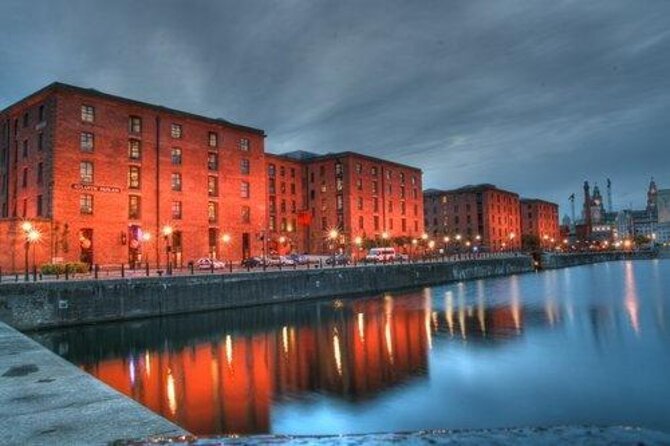
- Royal Albert Dock Liverpool: architecture, Titanic context, and Bill Fury
- Beatles Statue and the Fab Four selfie moment
- The Three Graces: Cunard, Port of Liverpool, and the Liver Building
- Castle Street and medieval connections
- Liverpool Town Hall and its 1500s predecessors
- Exchange Flags and the Nelson Monument courtyard
- Derby Square: where Liverpool Castle used to stand
- Finishing at Mathew Street: go deeper after the tour
- Terrain, pace, and who should book
- Real-world expectations: route changes and statue access
- Should you book this Liverpool walk?
- FAQ
- What’s the duration of the Best Of Liverpool Heritage, History & Culture Guided Walking Tour?
- Where do I meet the guide, and where does the tour end?
- Is food or drink included?
- Is this tour suitable for someone with moderate mobility or fitness needs?
- Will I be able to see Beatles sights during the walk?
- What language is the tour offered in?
- Can I bring a service animal or a dog?
- What happens if it’s poor weather?
- Can the route or access change on the day?
Key highlights I’d circle first
- A 2h15 city-center plus docks loop that helps you get bearings fast
- Small-group feel (max 20), so you can actually hear your guide
- Beatles stories woven into local history, not tacked on at the end
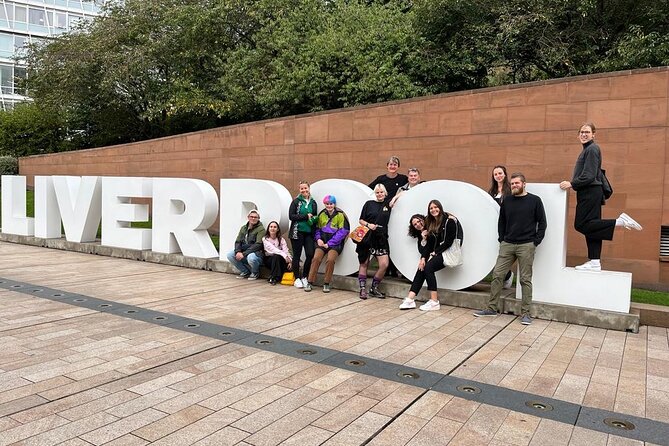
- Photo moments built in, like the golden Liver bird and the changing LIVERPOOL sign
- Stops that mix architecture with purpose, from dry docks to an old gaol
- Flexible route in real life, since access can vary for specific sights
Getting your Liverpool bearings in 2 hours 15 minutes
This is the kind of tour that works like a map you can walk through. You start in the Ropewalks/Bluecoat area and finish at Mathew Street, so you end right where most first-timers want to be: in the Beatles orbit, close to the Cavern Club area.
The time commitment is friendly. At around 2 hours 15 minutes, you still have energy left to explore on your own afterward, and you don’t feel like you’ve surrendered your whole day. And because it’s a walking tour, you get the street-level feel that you miss when you only hop between landmarks by taxi.
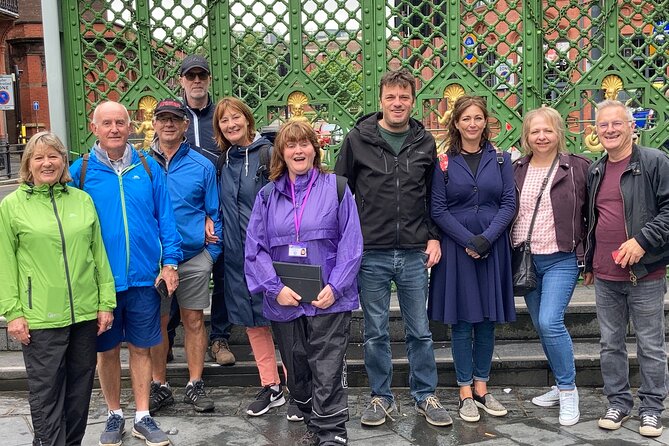
The group size also matters. With a cap of 20 travelers, it’s easier to track the route, ask questions, and hear your guide when you’re near the front. Many guides you’ll see leading these walks have a knack for mixing humor with clear explanations. For example, on past departures you might spot guides like Mike, Carl, Roy, Pam, or Allan mentioned for their engaging delivery and quick answers when people ask about specific details.
You can also read our reviews of more tours and experiences in Liverpool.
Price and value: what $31.90 really buys you
At $31.90 per person, you’re paying for something practical: a guided route that covers a lot of Liverpool in a short time, with a local point of view. The stops are mostly exterior sights, monuments, and short viewing moments, which means you’re not stuck paying extra for admissions at every turn.
You also get real sequencing. The tour doesn’t just scatter famous names; it walks you through how Liverpool grew from maritime power into a city that built famous buildings and became culturally loud. That’s hard to replicate on your own if you don’t know what to look for, especially around the docks and the Ropewalks district.
The main trade-off is simple: it’s guided walking, not a museum-style experience with long indoor time. If you want lots of sit-down time, this may feel brisk. But if your goal is orientation plus a handful of iconic photo stops, it’s good value.
Start at Bluecoat School Lane: the tour’s tone-setter
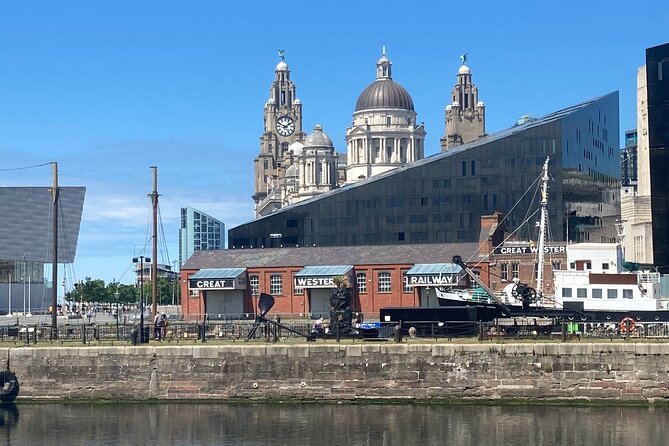
You meet at the gates of the Bluecoat building on School Lane (Liverpool L1 3BX). This is a strong starting point because it signals that the walk isn’t only about Beatles trivia. It frames Liverpool as a place with institutions, learning, and identity—not just a stage for pop culture.
From there, the guide sets you up for the rest of the route with themes you’ll keep noticing: maritime trade, Victorian power, and how the city’s architecture tells its story. Even if you’re not a “history person,” you’ll likely find yourself looking at facades differently by the time you hit the docks.
Sailors Home Gateway and the golden Liver bird photo
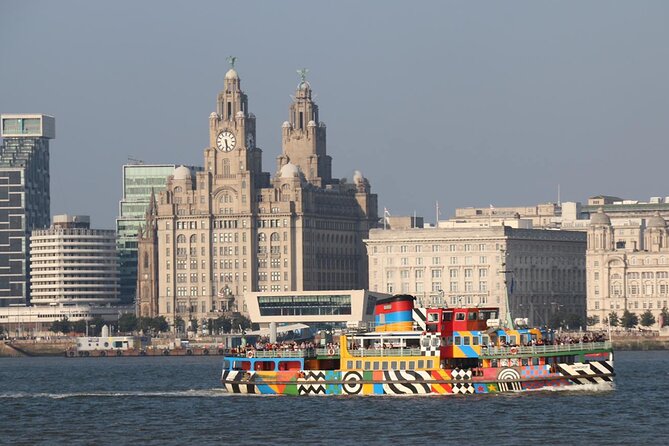
Next you pause at the Liverpool Sailors Home Gateway. This is one of those monuments that’s easy to photograph if you know what to look for, and the highlight here is the golden Liver bird you can frame for a picture.
Why this stop matters: it reinforces that Liverpool’s waterfront story is human too. Sailors weren’t just names in a book; the city built places to support maritime workers, and those building efforts are part of the heritage you’ll keep seeing as the walk progresses.
Henry Street and the Ropewalks: why the street name makes sense
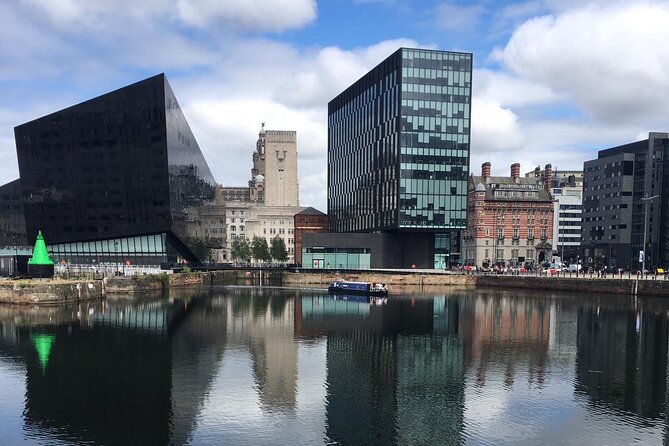
At Henry Street, you move into the Ropewalks area. The point of the stop isn’t just the name—it’s the explanation of why rope-making mattered for sailing ships. That detail connects everyday industry to global movement, which is a big Liverpool theme.
If you like street-level “wait, now I get it” moments, this is one of them. The city’s past is literally encoded in place names, and a guide helps you decode it quickly rather than spending your limited time guessing.


Campbell Square and the Bridewell: a Victorian gaol story
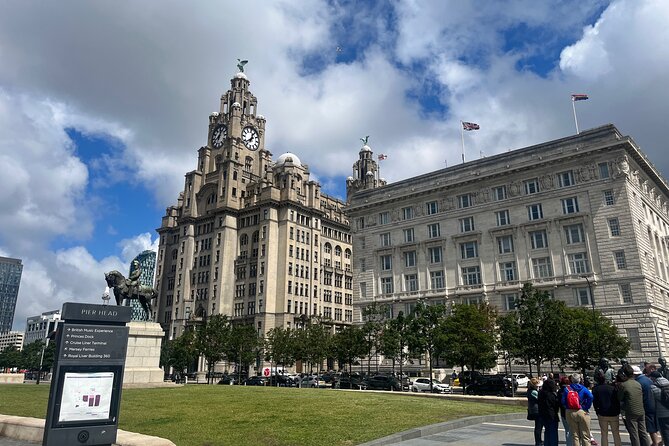
At Campbell Square, you’re near The Bridewell, a converted Victorian gaol. The walk includes the chance to see inside one of the original cells if access allows, which adds a sharper edge to the day. It’s a reminder that Liverpool’s story includes law, punishment, and control—not only shipbuilding and music.
A drawback here is that access can depend on operational reasons. If you don’t get the cell viewing moment, you’ll still get the context and exterior viewing, but the “extra” may not happen.
Thomas Steers Way: Liverpool’s first dry dock, plus the selfie sign
Thomas Steers Way sits on the site of Liverpool’s first dry dock. That’s a big deal, because dry docks are where ships get repaired and prepared—industrial infrastructure that helped the port stay powerful.
You also get a visual storytelling feature: a water fountain capturing maritime history, plus the chance to have a quick look down through a port-hole. And yes, there’s also the oversized LIVERPOOL selfie sign, where the colors change depending on season or events. It’s a modern pop-culture moment, sitting right next to older dock history.
This stop is a great example of why I think the tour works for both types of visitors. You’ll care if you like history. You’ll also care if you mostly want photos and iconic landmarks, because you get both in the same short span.
Royal Albert Dock Liverpool: architecture, Titanic context, and Bill Fury
As you head around the waterfront to Royal Albert Dock Liverpool, the guide connects the docks’ role in Liverpool’s growth with how the Titanic story became part of the city’s identity. The docks are also where you’ll see standout architecture—old and new side by side.
You’ll also encounter a bronze statue to Bill Fury. For fans, it functions like a shrine, and for non-fans it’s still a nice reminder that music culture isn’t separate from the city’s economic base. Liverpool made money and ships; it also made stars.
This portion is often where your photos improve. The waterfront gives you space for pictures, and the guide’s comments help you frame what you’re seeing rather than just snapping random buildings.
Beatles Statue and the Fab Four selfie moment
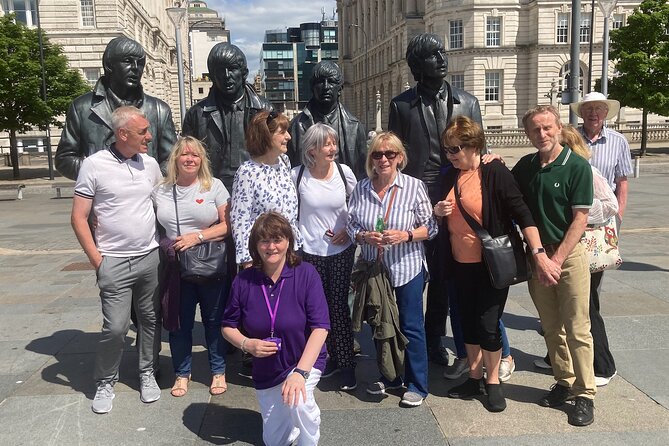
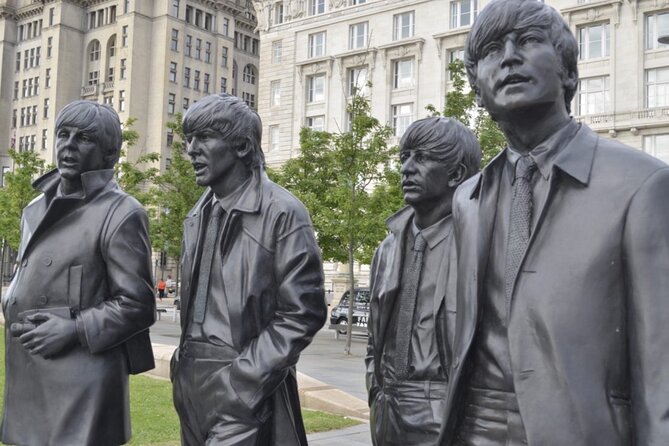
Then comes the Beatles Statue stop, with a chance to take a selfie with the Fab Four as you pass. One practical note: access to the Andy Edwards statue can be restricted on occasion, and if that happens, the tour visits alternative statues instead.
Either way, you’ll get the Beatles beats without losing the plot. The guide links it back to the places you’ve just walked through, so the Beatles stops feel rooted in Liverpool rather than floating in from nowhere.
If you’re a Beatles fan and short on time, this is a smart way to see the icons while still learning what made Liverpool the kind of city that produces cultural momentum.
The Three Graces: Cunard, Port of Liverpool, and the Liver Building
Next are the Three Graces: the Grade II listed Cunard Building, the Port of Liverpool Building, and the iconic Liver Building. The name alone makes people look up, but the tour’s payoff is the explanation of how these buildings fit together and what they represent.
Why it works: these aren’t just pretty facades. They’re symbols of Liverpool’s trading era and civic confidence. Even if you don’t memorize dates, you’ll leave with a mental picture of how the waterfront business world gave Liverpool its skyline personality.
Castle Street and medieval connections
On Castle Street, you get a stretch that ties Liverpool to medieval times. The guide points out that connections from that era still show up in the urban pattern and surrounding architecture.
This is a good place to slow your pace for a minute and look around. Castle Street gives you a bridge feeling—moving from maritime industry up into older city layers.
Liverpool Town Hall and its 1500s predecessors
As you walk toward the current Grade I listed Liverpool Town Hall, you’ll hear about the history of its predecessors dating back to the 1500s. That’s one of those details that makes a city hall stop feel bigger than you expect.
The practical benefit: it adds structure. When you know that institutions and governance in Liverpool have older roots than you assumed, the city story clicks together. You’re not only following famous buildings; you’re seeing how the city organized itself.
Exchange Flags and the Nelson Monument courtyard
Exchange Flags is a Grade II listed area, with buildings forming a courtyard facing the Town Hall. The tour explains the area’s role in the Second World War and introduces the Nelson Monument, plus the large bronze monument to Nelson from the early 1800s.
If you’re wondering why Nelson belongs in Liverpool, this is the stop that helps. It reframes the city’s maritime connection as a wider national story, not only a local one.
Derby Square: where Liverpool Castle used to stand
At Derby Square, you hear about the history of Liverpool Castle, which once stood here, and you’ll see the Queen Victoria monument. This stop brings you back into civic symbolism again—power expressed in stone and public spaces.
It’s also a good moment for photos if the weather cooperates. Derby Square has a different open feel than the docks, so your eyes reset after all the waterfront imagery.
Finishing at Mathew Street: go deeper after the tour
Your tour ends at the entrance to Mathew Street, which is a convenient city center location. From there, you can explore Mathew Street and the Cavern quarter on your own.
If you want even more Beatles focus, there’s also the option to book a dedicated Beatles walking tour afterward. The nice part is you can choose your level: this tour gives you city orientation plus the key Beatles sights, and then you decide whether you want to go full fan mode.
Terrain, pace, and who should book
This walk is described as having no hills or stairs, but there will be cobbles and uneven surfaces. The guidance is clear: wear comfortable, non-slip shoes. Bring a bottle of water, too, since there’s no food or drink included.
In terms of fitness, a moderate level is fine. If you’re comfortable walking for a couple of hours and you can handle uneven pavement, you should be good.
Who this suits best:
- First-time visitors who want a fast orientation loop
- Beatles fans who also want real context beyond merch photos
- People who like architecture, monuments, and city districts rather than only museum rooms
Who might prefer something else:
- Anyone who hates uneven walking surfaces
- Visitors who want long indoor stops and a snack break every hour
Real-world expectations: route changes and statue access
Liverpool is a working city, and the tour plans around reality. The route can change sometimes for operational reasons, and access to specific locations isn’t guaranteed.
There’s also that Beatles statue access detail: if the Andy Edwards statue area is restricted, the guide shifts to alternative statues. It’s still Beatles-focused, but the exact photo moment may vary.
Should you book this Liverpool walk?
I think it’s a strong pick if your goal is to understand Liverpool quickly. For $31.90, you get a guided route that links docks, architecture, and pop culture into one easy loop—ending at Mathew Street so you can keep the momentum going.
Book it if:
- You want a first-timer-friendly overview
- You like mixing famous icons with city clues you can notice later
- You’d rather walk and ask questions than rely on read-ahead research
Skip it only if you strongly dislike cobbles or you’re looking for food-included pacing. Otherwise, bring your walking shoes, keep a spot near the front so you can hear the guide, and use Mathew Street after the tour to explore at your own speed.
FAQ
What’s the duration of the Best Of Liverpool Heritage, History & Culture Guided Walking Tour?
The tour runs for about 2 hours 15 minutes.
Where do I meet the guide, and where does the tour end?
You meet at the Bluecoat building on School Lane, Liverpool L1 3BX. The tour ends at the entrance to Mathew Street in Liverpool city centre.
Is food or drink included?
No. You should plan to bring your own water since nothing is provided during the walk.
Is this tour suitable for someone with moderate mobility or fitness needs?
It’s described as having no hills or stairs, but there will be uneven surfaces like cobbles. Comfortable non-slip shoes are recommended, and a moderate physical fitness level is suggested.
Will I be able to see Beatles sights during the walk?
Yes. The tour includes a Beatles Statue selfie opportunity as well as Beatles storytelling and time around the Mathew Street/Cavern quarter area.
What language is the tour offered in?
The tour is offered in English.
Can I bring a service animal or a dog?
Service animals are allowed. Well behaved dogs are welcome, but you’ll be in a group and around busy areas at times.
What happens if it’s poor weather?
The experience requires good weather. If it’s canceled due to poor weather, you’ll be offered a different date or a full refund.
Can the route or access change on the day?
Yes. Due to operational reasons, the route may be changed or some locations may not be accessible. Access to the Andy Edwards Beatles Statue can also be restricted at times, and alternative statues may be visited.