REVIEW · PORTO
Braga Heritage Walking Tour
Book on Viator →Operated by Trek Portugal · Bookable on Viator
Braga is a story you can walk through. This full-day small-group outing focuses on Braga’s major landmarks and ends at the UNESCO-listed Bom Jesus Sanctuary in a way that feels organized, not rushed. I like that the day is paced around meaningful stops, with a guide who helps you connect the dots between centuries of faith, Roman roots, and city life today.
I especially like two parts: you’ll get photo support so you can actually enjoy what you’re seeing, and you’ll visit the Cathedral of Se de Braga with time for chapels, the high choir, and the treasury-museum. I also like the practical touch that the day includes monument entrances and the Bom Jesus funicular lift.
One consideration: it’s a long 9-hour day and it runs on good-weather conditions, so plan for walking and bring what you need for comfort. Also, lunch isn’t included, so you’ll want a plan for food breaks.
In This Review
- Key highlights worth planning around
- From Porto to Braga: how the day actually flows
- Braga on foot: Roman roots and what to notice first
- Igreja da Lapa: why this church has a backstory worth knowing
- The old castle keep: surviving traces at the highest point
- Jardim de Santa Barbara: a calm reset near the Archbishop’s Palace
- Arco da Porta Nova: the arch behind the Braga phrase
- Se de Braga cathedral: chapels, high choir, and treasury time
- Bom Jesus do Monte: funicular ride, stairs, and views over Braga
- Price and what you’re really paying for (including that lift)
- Who should book this day trip, and who might skip it
- Practical tips that make the day smoother
- Should you book the Braga Heritage Walking Tour?
- FAQ
- FAQ
- What is the duration of the Braga Heritage Walking Tour?
- How much does the tour cost?
- Where does the tour start and when?
- Is pickup and drop-off included?
- How large is the group?
- What language is the tour offered in?
- Is lunch included in the price?
- Is the funicular/lift to Bom Jesus do Monte included?
- What if the weather is poor or I need to cancel?
Key highlights worth planning around
- Small group size (max 6) for more attention from your guide
- Bom Jesus do Monte UNESCO finish with included lift/funicular or stairs
- Ricardo-style guiding energy with clear history and a friendly pace
- Se de Braga access beyond the main nave, including chapels, high choir, and treasury-museum
- Free stops built into the route so you spend money only where it counts
- Porto pickup/drop-off in an air-conditioned vehicle so you’re not doing transit math all day
From Porto to Braga: how the day actually flows
This is a full-day commitment, with a start time of 8:30 am from Av. dos Aliados in central Porto. You’ll ride out to Braga in an air-conditioned vehicle with pickup and drop-off handled, which makes the whole thing feel like a real day trip rather than a DIY scramble.
Once you’re in Braga, the format is simple: walk, pause, learn, see, move on. The biggest benefit of the small group (up to 6 travelers) is that your guide can slow down when the group has questions, and you don’t feel like you’re being shuffled along for a photo line.
The tour is offered in English, and you’ll use a mobile ticket. It also helps that the tour is typically booked about 40 days in advance, so if your dates are firm, you’ll want to lock it in early.
You can also read our reviews of more tours and experiences in Porto.
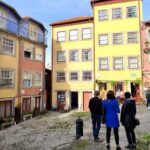

Braga on foot: Roman roots and what to notice first
Your day begins in Braga with a big-picture orientation that makes the rest of the stops make sense. Braga is over 2,000 years old, and the city has one of Europe’s oldest Sacro-Montes connected to the region’s famous tradition. If you’re trying to understand why Bom Jesus is such a big deal later, this first stop sets up the theme early.
You’ll also get the Roman angle. Braga is often called Portuguese Rome because it traces back to the Roman city of Bracara Augusta. As you walk, look for how the old town feels layered: not just monuments, but churches, museums, and even homes that reflect later periods too, including 18th-century houses and well-kept garden areas.
This stop is marked with free admission, which matters because it keeps more of your ticket value focused on the paid monuments that follow. It’s a good “get your bearings fast” start, and it helps you shift from seeing buildings to understanding why they’re there.
Igreja da Lapa: why this church has a backstory worth knowing
Next up is Igreja da Lapa. This is the kind of stop that would be easy to miss if you were walking on your own, because the interest isn’t just in the structure—it’s in how it connects to an event and a stamp.
The story goes back to 1757, when a priest and canon linked to the Cathedral of São Paulo was preaching in Portugal. In Braga, the religious event took place in what’s described as the Arcada, and devotion grew strong enough that D. Gaspar de Bragança, Archbishop of Braga, authorized the construction of a chapel.
So what should you notice while you’re there? Think about the name itself: Our Lady of Lapa. The description highlights that a stamp of Our Lady of Lapa was placed as part of the preaching, prayer, and singing that drew people in. It’s a quick stop, but it adds meaning to what you’re seeing.
This church stop is listed with free admission too, which keeps the route balanced.
The old castle keep: surviving traces at the highest point
From there, you’ll reach a medieval reminder: the castle keep, which is described as almost the only thing remaining from Braga’s old castle. It sits at the highest point of the medieval town, so even if you’re not visiting for the drama, you’ll likely feel the change in altitude as you get closer.
Here’s what’s especially interesting about this stop: it’s tied to documented history and later conflict. The keep is mentioned in documents from the beginning of the 14th century, but construction was ordered after invasions in 1369. Later, it was demolished in 1906, and the original castle had six towers—only traces survive.
There’s also a visual detail to look for: a coat of arms of D. Fernando over the door. When you’re on a walking tour, these small markers help you read the building like a historical page, not just a leftover wall.
Jardim de Santa Barbara: a calm reset near the Archbishop’s Palace
After the castle keep, the route shifts into a quieter rhythm with Jardim de Santa Barbara. This is a small public garden, and that’s part of the charm. It’s located beside the eastern wing of the 14th-century Archbishop’s Palace, and the garden design uses the historic setting instead of fighting it.
You’ll see medieval arches incorporated from an earlier arcade. The layout also follows a Romantic style, laid out in the 1950s by Jose Cardoso da Silva. In the center, there’s a statue of Saint Barbara on a fountain, giving the garden a focal point even when you’re only stopping briefly.
Why this garden stop is worth it: it’s one of the best ways to keep the day from becoming nonstop sightseeing fatigue. The tour notes that it’s open all year and stays fairly central, so it works as a short escape from streets and crowds.
This stop is also free, so you get a mental break without adding cost.

Arco da Porta Nova: the arch behind the Braga phrase
Then comes one of Braga’s most iconic urban landmarks: Arco da Porta Nova. It’s described as iconic not only for architecture and city planning, but also for how it became part of local speech.
The arch is linked to the expression people use when someone leaves a door open: You are from Braga? The logic is that this arch is a recognizable point of reference in the city, so the phrase acts like an identity marker.
Even if you don’t memorize the urban-planning reason behind it, the practical takeaway is this: you’re looking at a structure that people historically used as an orientation tool. On a heritage walk, that’s important, because it helps you understand how cities shape daily life, not just how they look.
This is another free admission stop, timed for a quick but satisfying photo moment.
Se de Braga cathedral: chapels, high choir, and treasury time
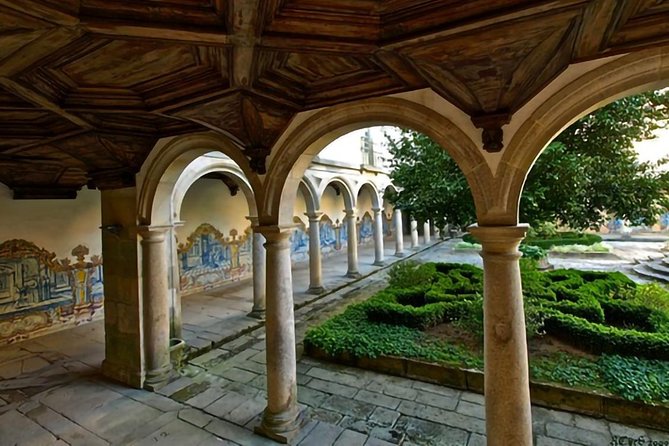
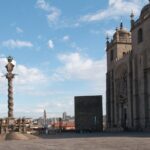
Now for the big indoor payoff: Se de Braga. This cathedral is a Roman Catholic church and the seat of the Archdiocese of Braga. It also serves as seat of the Primate Archbishop of Portugal and Spain, which tells you this isn’t a small-town church—it’s a major religious institution.
The visit includes more than walking through the nave. You’ll see the Cathedral, chapels, the High Choir, and the Treasury-Museum. That combination matters because it shifts you from general appreciation to understanding how the cathedral functions as a cultural and spiritual center.
If you like architecture, you’ll enjoy the contrast between what you see at street level and how the cathedral space changes once you’re inside. If you like stories, the chapels and treasury-museum angle help you connect art objects to the broader role of the cathedral.
Expect around 2 hours here. It’s one of the most “worth the time” sections of the day, and it’s also marked as admission included, so this is where your ticket value really shows.
Bom Jesus do Monte: funicular ride, stairs, and views over Braga
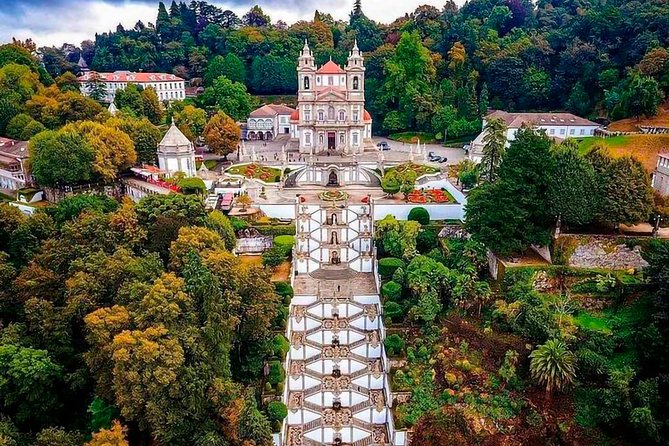
The final highlight is Bom Jesus do Monte, the hillside sanctuary that’s part of the UNESCO recognition tied to this religious landscape. The tour is structured to bring you here near the end of the day, which is smart because the payoff is visual.
You’ll either take a ride on the lift/funicular, or you can climb the stairs if you prefer. The funicular is described as one of the world’s oldest still in operation, using a water counterbalance system. That detail is worth remembering while you’re on the ride: you’re not just getting transportation, you’re experiencing a piece of living engineering tied to the site’s accessibility.
Once you reach the top, there’s a view over Braga before you make your way back toward Porto. This part is listed with lift access included, so you don’t have to make decisions or track separate tickets on the fly.
Also, Bom Jesus is a UNESCO site, so you’ll want to give yourself time to slow down, look around, and take in how the sanctuary’s design shapes movement uphill.
Price and what you’re really paying for (including that lift)
The price is $150.20 per person, and it’s worth judging the day by what’s included. This tour covers a lot of the common hidden costs:
- Pickup & drop-off in an air-conditioned vehicle
- Entrance to monuments along the route
- Lift to Bom Jesus do Monte
- Insurance, fees, and taxes
What’s not included is lunch and tips/gratuities (optional). You’ll also want to cover any extra expenses not mentioned.
Here’s my value take: for a full day with transport, small-group attention, multiple monument entrances, and the funicular lift, the cost is less about “shopping for tickets” and more about paying for planning. The small group size also changes the feel. You’re not just buying access—you’re buying time with a guide who can explain what you’re looking at in plain terms.
Who should book this day trip, and who might skip it
This tour fits best if you want a guided heritage day with structure. The route mixes Roman and medieval remnants, religious landmarks, a cathedral interior with museum time, and the big UNESCO finish at Bom Jesus do Monte.
It’s also a strong match if you appreciate smaller groups. With a max of 6 travelers, you’re more likely to get answers and not feel like background noise.
You might consider another option if you’re not comfortable with a long walking day. Even with well-paced stops, it’s still about moving between sites. And if you’re sensitive to weather, note that good weather is required; if conditions are poor, the tour may be rescheduled or refunded.
Practical tips that make the day smoother
A few smart prep steps can make the difference between a good day and a comfortable one:
- Wear supportive shoes. The day includes walking between hillside areas, plus options like stairs at Bom Jesus do Monte.
- Bring a camera/phone with enough battery. This route has multiple photo-friendly moments, especially the arches and viewpoints.
- Plan for food. Since lunch isn’t included, set expectations and consider grabbing something before or after the tour.
- Expect a lot of talking—but in a useful way. Reviews tied to the guide highlight that explanations help you connect history to what you’re seeing. Guides like Ricardo are praised for friendliness and for making sure nothing feels like a hassle.
Also, because you’re using a mobile ticket, make sure your phone is charged before the start time at 8:30 am.
Should you book the Braga Heritage Walking Tour?
I’d book it if you want a well-structured day that combines big-name highlights like Bom Jesus with a smart set of Braga stops that explain the city’s layers. The small group size, the included monument entrances, and the included lift are the main reasons it feels like solid value.
If you’re the type who likes to understand what you’re looking at, this tour is designed for that. It doesn’t just point; it explains. If you’re okay with a full day on foot and you can handle weather-dependent plans, it’s an efficient way to experience Braga without turning your day into logistics.
FAQ
FAQ
What is the duration of the Braga Heritage Walking Tour?
The tour runs for about 9 hours.
How much does the tour cost?
The price is $150.20 per person.
Where does the tour start and when?
It starts at Av. dos Aliados 266, 4000-125 Porto, Portugal, with a start time of 8:30 am. It ends back at the meeting point.
Is pickup and drop-off included?
Yes. Pick up & drop off are included in an air-conditioned vehicle.
How large is the group?
This activity has a maximum of 6 travelers.
What language is the tour offered in?
It’s offered in English.
Is lunch included in the price?
No. Lunch is not included.
Is the funicular/lift to Bom Jesus do Monte included?
Yes. The lift to Bom Jesus do Monte is included.
What if the weather is poor or I need to cancel?
The experience requires good weather, and if it’s canceled due to poor weather, you’ll be offered a different date or a full refund. You can also cancel for a full refund up to 24 hours in advance.