REVIEW · PORTO
Porto Region Across the Ages Museum: History and Heritage
Book on Viator →Operated by WOW Porto – The Cultural District · Bookable on Viator
Porto’s past moves in front of you. This museum is built like a guided time machine, using video mapping, cinema, and a life-sized tram replica to help you understand why Porto looks the way it does today. I like that it gives you a citywide overview in a short visit, instead of making you piece together history one church at a time. One thing to consider: the experience leans heavily on screens and room-by-room explanations, so if you hate reading walls of text, you may want to skim.
The best part for me is the mix of formats. You don’t just stand still—you watch historical footage, notice how themes connect across periods, and use the multilingual audio to keep your place. A guide named Sandra was specifically praised for being patient and answering questions, which can make the visit feel more human when you want extra context. On the flip side, the “interactive” level is more about walking through designed spaces than hands-on activities, so go with the right expectations.
In This Review
- Key points to know before you go
- Where this museum fits in your Porto plan
- Entering the Porto Region Across the Ages Museum
- Video mapping and cinema: how the show supports the story
- The life-sized tram replica and why it’s more useful than you’d think
- The room-by-room “time zones” approach (and a reading warning)
- Duration, pacing, and when you should schedule it
- Price and value: what $24.08 buys you in real terms
- Is it self-guided, or will you have help?
- Who should book this museum (and who might skip)
- Quick practical tips before you go
- Should you book Porto Region Across the Ages Museum?
- FAQ
- How long does the Porto Region Across the Ages Museum take?
- What does the ticket include?
- Is the tour guided?
- Is there an English option?
- Do I get a mobile ticket?
- Where is it located?
- What are the opening hours?
- Is hotel pickup included?
- Are service animals allowed?
- How much does it cost?
- Can I cancel for a refund?
Key points to know before you go
- Video mapping and cinema turn big historical themes into something you can follow without studying a textbook
- Life-sized tram replica helps you picture Porto’s everyday street life, not just dates on a timeline
- Self-guided with multilingual audio means you can set your own pace in each room
- Rooms are organized by time periods so your brain builds a sequence instead of random facts
- You’ll do a lot of screen content, which is great for some visitors and less fun for others
Where this museum fits in your Porto plan
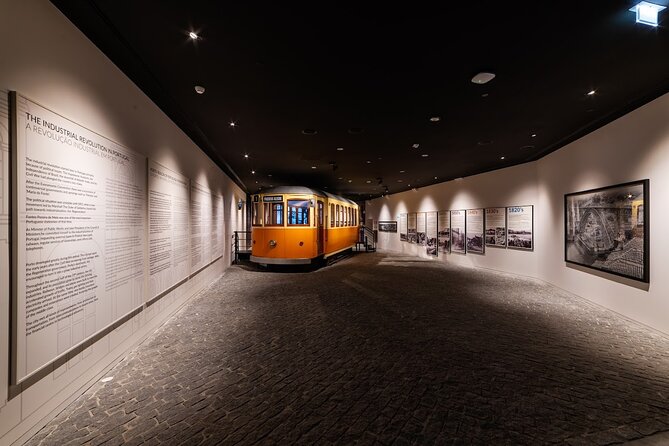
Porto is easy to love—especially once you start connecting the dots between the riverfront, the neighborhoods, and the city’s older layers. This museum is designed for that “wait, now I get it” moment. In about 1 to 2 hours, you can get a structured overview of Porto and the surrounding region, from very early settlement to the present day.
That time-saving is the real value. Porto has plenty of stand-alone sights, but it’s not always obvious what order to see them in. This helps you set the background so when you later walk the streets, you’re not just taking photos—you’re spotting why things developed the way they did.
It’s also a good “weather plan.” With the content living indoors—cinema, screens, and audio—bad weather won’t derail your day.
You can also read our reviews of more tours and experiences in Porto.



Entering the Porto Region Across the Ages Museum
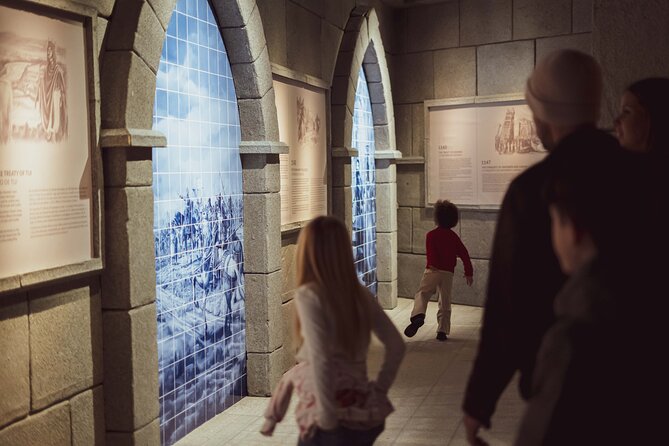
The experience is straightforward once you’re inside: you move through exhibition spaces that are organized by historical periods. Think of it as a guided path, even if it’s self-paced. There’s a multilingual audio guide, and you can let the narration steer you while you explore the scenes and explanations.
I like the pacing structure: you don’t need to make decisions like which exhibit to choose first. The route is built for flow, so you can focus on understanding rather than planning mid-visit.
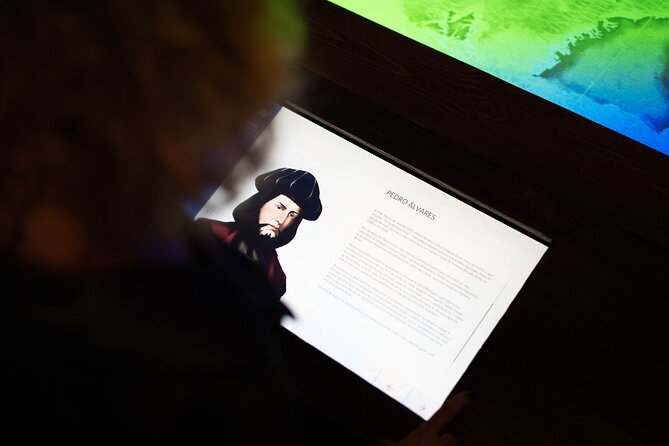
A practical note: some areas lean more toward reading and wall text, while other rooms rely more on audio-visual displays (screens where you sit or watch). One visitor complained that the walls felt text-heavy and that the “WOW factor” wasn’t always there. That doesn’t mean it’s bad—it means your enjoyment will depend on whether you like interpretive exhibits or prefer lots of physical objects.
Video mapping and cinema: how the show supports the story

A big reason people recommend this museum is the multimedia layer—especially the video mapping and cinema-style presentation. Instead of history as a static timeline, the museum turns key moments into moving visuals that you can follow quickly.
Here’s what that does for you as a visitor: it gives you mental anchors. When you later see Porto landmarks, you’re more likely to remember the themes behind them—trade, navigation, political turning points, and how the city evolved over time.
The cinema component is particularly useful if you don’t want to read everything. If you’re the kind of traveler who likes to get context fast (then move on to streets and viewpoints), this format respects your time. One review highlighted a film that covers Porto from the era of great navigation through the war against France during the French Revolution period. Even if you’re not a history fanatic, that kind of storyline helps you understand why certain eras matter.
The life-sized tram replica and why it’s more useful than you’d think
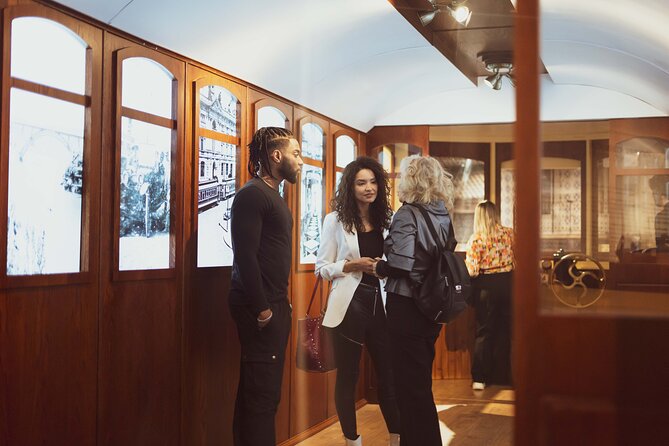
Porto’s look is shaped by movement—streets, routes, and the way people traveled around town. That’s where the museum’s life-sized traditional tram replica comes in. It’s not just a photo moment. It’s a physical cue that connects the past to the city you’re standing in.
When a museum includes a real-scale object, it tends to do two things well:
1) It gives you a break from screens and text
2) It helps your brain translate history into daily life
If you’re planning to spend time riding or walking around central Porto, this tram can act like a “reference point” for how the city used to work as an everyday place—not only a set of monuments.
The room-by-room “time zones” approach (and a reading warning)
The museum organizes the story across different periods. You walk through rooms that represent those time zones, and you’ll encounter a mix of text panels and screens. For many people, this is a win because it’s structured: you build an ordered timeline as you go.
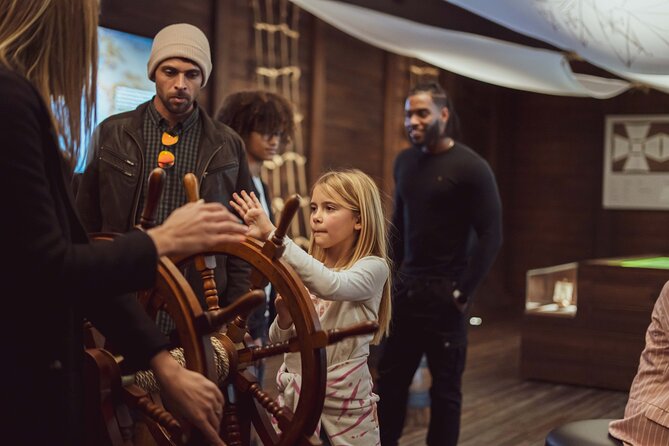
But it’s worth saying plainly: some exhibits may feel like they rely on reading masses of information. If you prefer short labels and lots of interactive features, you might feel impatient. One visitor even suggested it wouldn’t be a great match for children, because it can turn into watching screens and reading explanations rather than hands-on discovery.
Still, other reviews call the overall approach interactive and engaging, and one visitor specifically said the museum offers a quick but complete look at Porto’s history from prehistory to the present. So the “right fit” depends on your learning style more than on the content itself.




Duration, pacing, and when you should schedule it
Plan on 1 to 2 hours. That’s enough time to move at an easy walking pace, catch the main cinema/video content, and use the audio guide without rushing.
Timing matters. The museum is open daily from 10:00 AM to 7:00 PM (within the published operating range). If you’re trying to avoid crowds and keep your attention, aim for earlier in the day. If you want this as an afternoon reset after a morning of walking along the river, that can work too—this is designed to be comfortable indoors.
Also note: on average, this is booked around 45 days in advance. That doesn’t mean it’s impossible to get last-minute tickets, but it does suggest demand is steady enough that planning ahead is smart.
Price and value: what $24.08 buys you in real terms
At $24.08 per person, the price is not “impulse cheap,” but it also isn’t outlandish for a purpose-built multimedia museum. Here’s how to judge the value fairly:
You’ll feel it’s worth it if you:
- like structured storytelling across many time periods
- enjoy video and screen-based explanations
- want a quick city overview before focusing on specific neighborhoods and monuments
You might feel the price is high if you:
- want lots of hands-on interaction
- strongly dislike wall text
- expect more physical artifacts than interpretive display
A balanced way to think about it: the museum sells understanding as the product. If you come in wanting context, you’ll likely leave with a stronger “map in your head.” If you come in wanting lots of tactile exhibits or a big hands-on experience, you may leave wishing for more.
One review even said it was expensive but that it still delivered great value for money—because the content covers the arc of Porto’s history rather than a narrow slice.
Is it self-guided, or will you have help?
The format is self-guided with a multilingual audio guide. That means you’re in control of your pace: you can linger in rooms that click for you and speed through ones that don’t.
That said, human support can still matter. One visitor praised a professional guide named Sandra for being patient and very informative while answering questions. So while you’re mainly moving on your own, you may find staff support at key moments or when you ask questions.
If you’re the type who likes to learn by asking, this is a good setup: you can go at your own speed, and still get help when you need it.
Who should book this museum (and who might skip)
This works best for:
- first-timers in Porto who want a big-picture introduction
- travelers who like history but don’t want a multi-day study plan
- people who learn well from audio + video
- anyone planning to see multiple Porto sights and wanting them to feel connected
It may not be your best choice if:
- you’re mainly seeking hands-on interactive activities
- you strongly dislike reading long wall text
- you’re bringing kids who get bored with screens and explanations
Also, it’s a good option for most people: the experience notes that most travelers can participate. Service animals are allowed too, which is a plus for many visitors.
Quick practical tips before you go
- Plan 1 to 2 hours, not a half-day. This is an overview stop, not an all-day museum marathon.
- Bring a curious mindset. Even if some rooms are text-heavy, the audio guide helps you keep moving.
- If you have questions, ask. One guide named Sandra was highlighted for patience and clear answers.
- If you’re sensitive to reading fatigue, be ready to rely more on the audio-visual displays.
Should you book Porto Region Across the Ages Museum?
Yes, if you want a fast, structured sense of Porto’s historical arc and you’re comfortable with a multimedia, audio-guided format. For the money, it’s a practical way to make the rest of your Porto trip click—especially before you start hopping between neighborhoods and major landmarks.
I’d skip it only if you’re chasing hands-on interaction or you know you’ll resent lots of reading. In that case, you may prefer more object-focused museums or walking-based historic routes.
If you’re flexible and curious, this is a strong “get your bearings fast” stop in Porto.
FAQ
How long does the Porto Region Across the Ages Museum take?
The experience is listed as about 1 to 2 hours.
What does the ticket include?
Your admission includes the museum experience, immersive cinema and video mapping shows, a life-sized tram replica, and a self-guided tour with a multilingual audio guide.
Is the tour guided?
It’s self-guided with a multilingual audio guide. The museum also has staff support available for questions, and one guide named Sandra was specifically praised.
Is there an English option?
Yes, the experience is offered in English.
Do I get a mobile ticket?
Yes, you receive a mobile ticket.
Where is it located?
It’s in Porto, Portugal, as part of WOW Porto – The Cultural District, and it’s near public transportation.
What are the opening hours?
The published hours are Monday through Sunday from 10:00 AM to 7:00 PM (for the listed operating date range).
Is hotel pickup included?
No, hotel pickup and drop-off are not included.
Are service animals allowed?
Yes, service animals are allowed.
How much does it cost?
The price is listed as $24.08 per person.
Can I cancel for a refund?
Yes. Free cancellation is available up to 24 hours in advance for a full refund.