REVIEW · PORTO
Porto Jewish Heritage Walking Tour Small group
Book on GetYourGuide →Operated by Porto Craft Tours · Bookable on GetYourGuide
Porto hides its Jewish past in plain sight. This Porto Jewish Heritage Walking Tour turns a few side streets into a timeline, starting in the 12th century and working toward the painful era of the Inquisition. You move at a human pace through narrow lanes, staircases, and viewpoints where the city’s stories feel close to the sidewalk.
I especially love the way the guide, Maria Sanchez, connects local details to big themes, like coexistence and the later pressure on the New Christians. I also like the focus on places that aren’t obvious at first glance, including the hidden synagogue entry and the “Synagogue Steps” climb.
One possible drawback: if you care about exact numbers—like how many families fled Porto or how many later returned to Judaism—you’ll probably want to ask Maria directly, since the tour’s emphasis can skew toward the broader persecution story.
In This Review
- Key Things You’ll Notice Right Away
- Entering the Story: What Makes This Walking Tour Worth 3 Hours
- Starting at Vimara Peres: Getting Your Bearings Fast
- Rua Sant’ana and Rua do Comércio do Porto: Streets Where Life Actually Happened
- Iglesia de S. Bento da Vitória: Seeing How Stories Coexist
- Vitória Viewpoint and the Escadas da Esnoga: The City Turns into a Clue
- Virtudes Garden and Montanha dos Judeus: Closing the Walk on Higher Ground
- The Hidden Synagogue Visit: Why an Entry Matters
- Captain Arthur Carlos de Barros Basto: Names You’ll Carry After the Tour
- Inquisition and the New Christians: The Part You Should Think About Before Booking
- Price and Value at $57: What You’re Really Paying For
- Small-Group Comfort: Languages, Shoes, and Pace
- Who Should Book This Porto Jewish Heritage Tour?
- Should You Book It?
- FAQ
- How long is the Porto Jewish Heritage Walking Tour?
- Where does the tour start?
- Where does the tour end?
- What’s included in the price?
- Is the hidden synagogue entry part of the tour?
- Are kids allowed?
- What languages are offered?
- Is the tour good for mobility impairments?
- How much walking is involved?
- What historical topics does the tour cover?
Key Things You’ll Notice Right Away
- Maria Sanchez’s storytelling ties streets, buildings, and names to real Jewish life in Porto
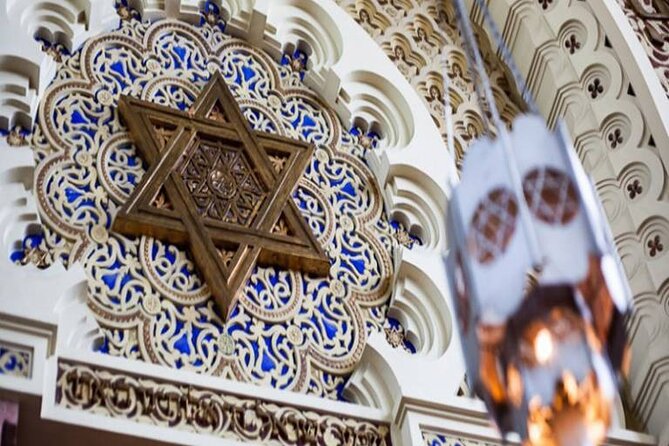
- Hidden synagogue entry helps you move beyond guesswork and see the setting firsthand
- Escadas da Esnoga gives you a physical sense of how the community lived above and around the city center
- Multiple viewpoints (including Vitória) show why geography mattered for safety and connection
- Walking routes through working streets like Rua do Comércio do Porto, not just postcard spots
- A sad chapter gets context, from the Inquisition to the lives of the New Christians
Entering the Story: What Makes This Walking Tour Worth 3 Hours
This tour is built for people who like history with street-level details. You’re not just collecting landmarks—you’re learning how a community formed, spread wealth and trade ties, prayed, and then faced growing danger. Porto’s Jewish heritage stretches back to the 12th century, and the walk helps you understand how that presence could exist alongside Christian neighbors.
The tour’s value, for me, is the mix of “where” and “why.” You stop at specific streets and stairways, then get the meaning behind them: how neighborhoods shaped daily life, how religion and commerce overlapped, and how later persecution changed the story. If you’ve only seen Jewish history in museums, this is a different style—more on-the-ground, less behind glass.
Plan on moderate walking. The route includes stair climbs like the Escadas da Esnoga, plus sloped sections as you move between the central area and higher ground. Bring comfortable shoes and expect to work your legs a bit, not just stroll.
You can also read our reviews of more tours and experiences in Porto.

Starting at Vimara Peres: Getting Your Bearings Fast
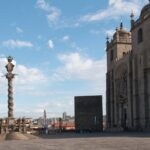
You meet at the Vimara Peres Statue at Porto Cathedral, and that’s a smart start. From the beginning, you’re set in the heart of the old city, where many layers overlap. The guide uses the opening minutes to frame what you’re about to see—Jewish presence in Porto dating back to the 1100s, and how that presence evolved over centuries.
This is also where the small-group feel matters. With a smaller group, you’re more likely to hear answers to questions as they come up, instead of watching your guide speak into the distance. Maria Sanchez’s English is described as excellent, and that kind of clarity helps you track details like names, places, and the cause-and-effect of historical events.
One practical tip: if you’re the type who likes context before photos, you’ll be happy here. The tour sets the story early, then keeps feeding it as you move.
Rua Sant’ana and Rua do Comércio do Porto: Streets Where Life Actually Happened
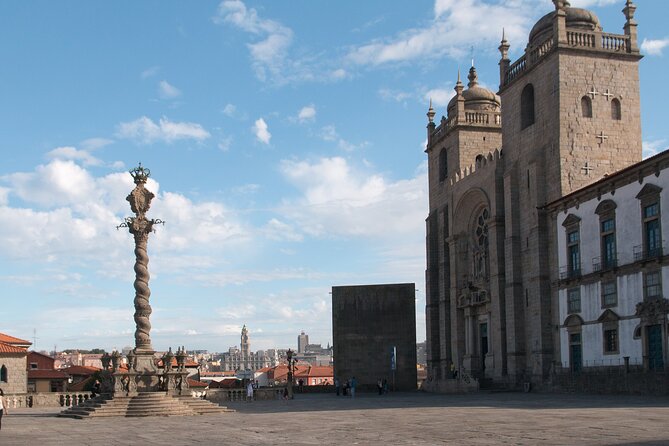
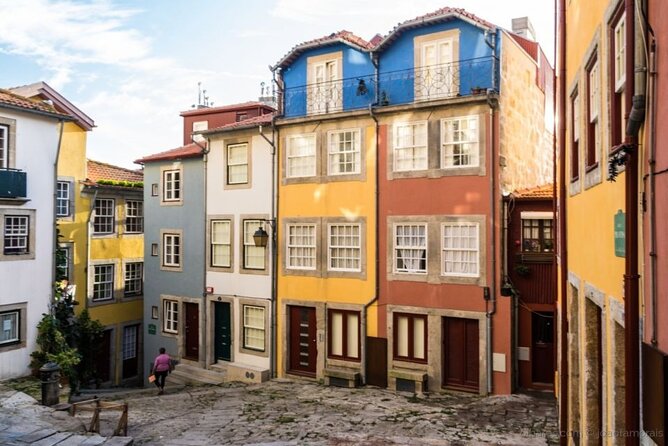
Soon you’ll be walking through Rua Sant’ana and Rua do Comércio do Porto—streets that feel connected to how people moved, traded, and lived. This matters because the Jewish community in Porto wasn’t just spiritual. It was also social and economic, with commercial relationships between Jews and Christians playing a key role.
The guide’s approach helps you notice how “normal” streets can carry major history. You learn where the wealthiest Jewish families settled and how business ties could exist in the same urban fabric as religious differences. That’s the kind of context that’s easy to miss when you only look at the most famous religious buildings.
If you want a tour that doesn’t feel like a checklist, this street segment is a good sign. You’ll hear stories tied to small details—street names, architectural clues, and what’s missing now—so the walk becomes more than scenery.
Iglesia de S. Bento da Vitória: Seeing How Stories Coexist
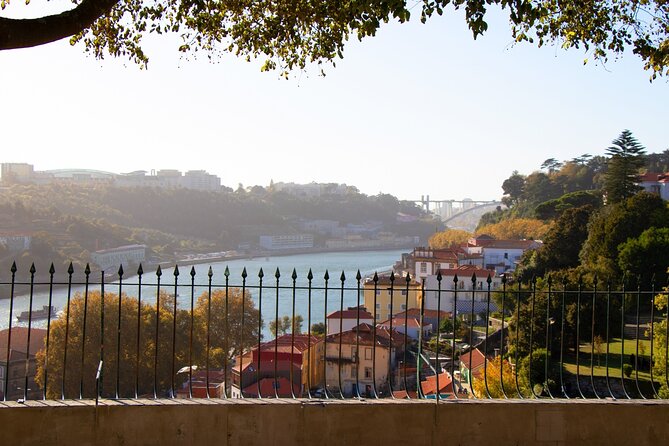
A stop at Igreja de S. Bento da Vitória brings another layer to the walk. Even when you’re focused on Jewish heritage, the guide’s narrative keeps pointing out how Christian and Jewish histories interacted in the same city.
This is where the tour’s themes—coexistence, everyday life, and later conflict—start to feel less abstract. Porto becomes the “stage,” and the different communities become actors shaped by time. You don’t just learn that relationships existed; you learn what it meant to live through periods of harmony and later fear.
This stop is also a good moment to slow down and look closely. Church spaces tend to pull your attention visually. Use that time to connect what you’re seeing to what you’re hearing, so the tour’s story sticks.
Vitória Viewpoint and the Escadas da Esnoga: The City Turns into a Clue
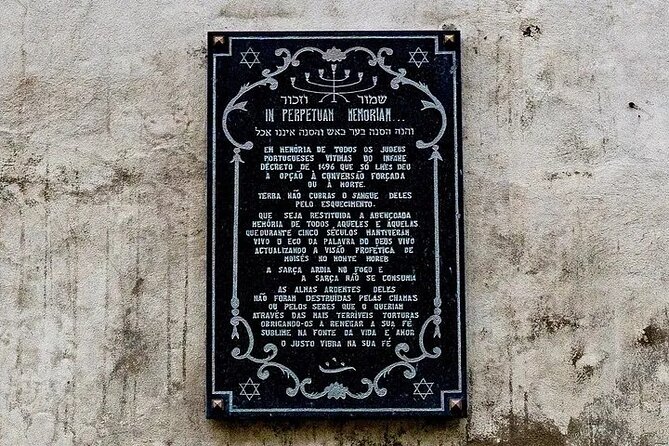
Then comes a turning point: the Vitória viewpoint and the climb of the Escadas da Esnoga, also called the Synagogue Steps. This is one of the most memorable parts because you’re not only learning about history—you’re physically experiencing the terrain.
When a tour takes you upward, it changes your thinking. You start to understand how location could influence safety, visibility, and movement through different parts of Porto. The “Synagogue Steps” name isn’t just catchy; it nudges you to connect the steps with the community’s presence in the area.
The viewpoint at Vitória also helps you see the city as a layout, not just a collection of buildings. It’s easier to track why certain areas became important once you can look around and orient yourself.
If you’re planning photos, this is the moment. You’ll likely get the best sense of scale here, and you’ll see how the streets connect below.


Virtudes Garden and Montanha dos Judeus: Closing the Walk on Higher Ground
As you approach the end near Parque das Virtudes, the walk finishes with both calm and meaning. Virtudes Garden is a pleasant break from the harder climbs, giving you time to reset and reflect on what you learned.
Then there’s Montanha dos Judeus, the Mountain of the Jews. Even though the physical landscape is only part of the story, the name carries weight. You’re reminded that the Jewish community’s story is tied to Porto’s geography and how neighborhoods developed over time.
This ending works well because it doesn’t just stop at “we saw the sites.” It helps you connect the journey with the big emotional arc: long-term community life beginning in the 12th century, and later the pressure of religious persecution tied to the Inquisition.
When the tour ends at Parque das Virtudes, you’ve moved from central streets up toward areas that help you understand the city’s shape. That kind of closure makes it easier to remember what you learned.
The Hidden Synagogue Visit: Why an Entry Matters
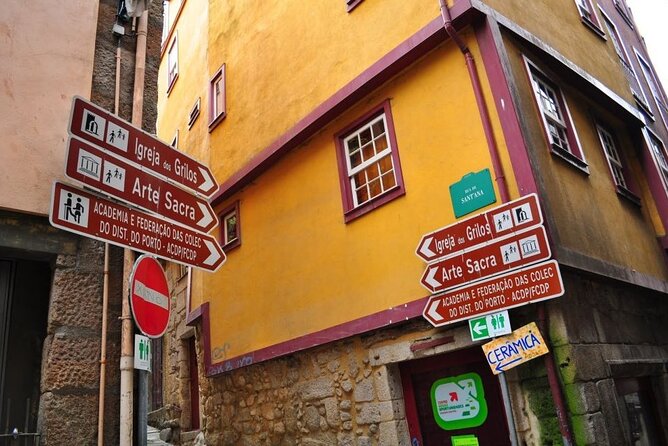
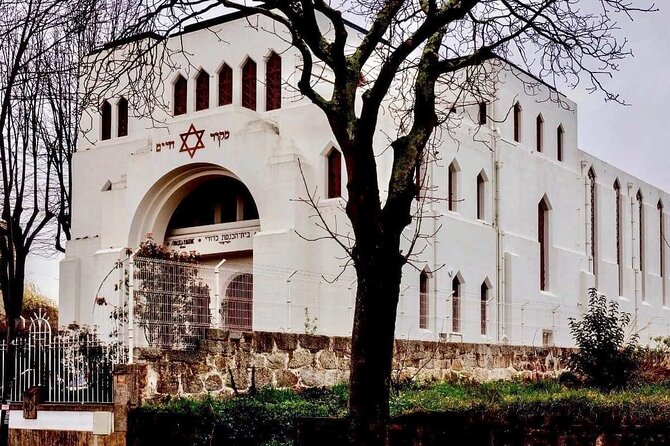
One of the key inclusions here is entry into a hidden synagogue. That’s not a minor add-on. Access changes how you process the story.
It’s the difference between hearing history as information and experiencing it as place. The guide’s context helps you understand what you’re seeing and why it would have mattered to the people who used that space. You also learn that Jewish heritage in Porto isn’t only represented by surviving grand monuments. It’s also carried through smaller, lesser-known corners of the city.
This is one of the most highly praised aspects of the tour experience. Maria’s ability to connect the setting to the broader historical narrative seems to be a big reason people rate the tour so highly.
If you’re someone who learns best through physical context—doors, corridors, and the feeling of the room—this stop is worth your ticket alone.
Captain Arthur Carlos de Barros Basto: Names You’ll Carry After the Tour
The tour also introduces figures who turn history into something personal. Captain Arthur Carlos de Barros Basto—also known by his Jewish name, Abraham Israel Ben-Rosh—is highlighted as a founder figure connected to Porto’s Jewish community. You’ll hear how he contributed to community life and to construction ties involving the Kadoorie Mekor Haim Synagogue.
Why does this matter? Because history often feels distant until you meet names. When the guide places Arthur Carlos de Barros Basto into the story, Porto stops being a chapter in a textbook and becomes a living network of people and decisions.
This segment also helps you understand how Jewish heritage didn’t just “happen” centuries ago. It continued to be shaped through later efforts, memory, and community-building.
Inquisition and the New Christians: The Part You Should Think About Before Booking
Expect a clear look at the Inquisition and the persecution of the New Christians. The idea of New Christians is central to how Jewish families were treated when religious identity was forced and policed.
I like that the tour doesn’t pretend this chapter is comfortable. It’s a hard part of the story, and it changes how you read earlier moments of coexistence. Once you understand what pressure looked like, the emotional tone of the walk makes sense.
One note for your planning: in at least one tour experience, the discussion focus can skew toward the larger persecution story rather than a detailed breakdown of specific numbers—like how many families fled Porto or how many later returned to Judaism after the official end of the Inquisition. If that level of detail matters to you, bring a question for Maria Sanchez. This tour format is built for Q&A as you go.
Price and Value at $57: What You’re Really Paying For
At $57 per person for about 3 hours, you’re paying for more than walking. You’re paying for a professional local guide, taxes and insurance included, and—most importantly—entry to the hidden synagogue. Those inclusions help justify the price, especially if you’ve ever tried to “self-guide” Jewish heritage sites in Porto and realized how hard it is to find the right context on your own.
The tour also has a strong small-group angle. A minimum of 3 participants keeps things from getting too large, and if only 1 or 2 people book, the option exists to pay for 3 tickets to run it as a private tour. That structure can feel worth it if you want a more conversational experience.
Also check the kid policy: kids are free until age 12. If you’re traveling with family, that can turn a history-focused afternoon into a good-value outing.
Just know the tour isn’t suitable for people with mobility impairments, since the route includes stair work and moderate walking.
Small-Group Comfort: Languages, Shoes, and Pace
The tour runs in English, Portuguese, and Spanish. That matters in Porto because you’ll be hearing history with proper names and timeline details. You’ll want a guide who can keep those details clear, and Maria Sanchez’s communication gets highlighted as a strength.
Comfort is practical here:
- Wear comfortable shoes for a route with stairs
- Bring yourself for about 3 hours of active walking
- Keep an eye on your pace on the climbs
The tour is also pet friendly, which is helpful if you travel with a dog and don’t want to leave them behind.
And because the meeting point is at the Vimara Peres Statue by Porto Cathedral, you can also pair the walk with a bit of Cathedral-area time before or after—so your day stays efficient.
One extra perk mentioned in this tour style: there may be time for a sweet stop for pastel de nata. Don’t count on it as a guaranteed schedule feature, but it’s the kind of local touch that fits the way this tour builds atmosphere rather than just facts.
Who Should Book This Porto Jewish Heritage Tour?
This is a great fit if you want Jewish heritage explained through streets, stairways, and real places—especially if you care about context, not just photos. It’s ideal for curious travelers who like their history organized as cause-and-effect: community life, coexistence, trade relationships, then persecution under the Inquisition and the experience of New Christians.
It also works well if you’re the kind of person who asks questions. Maria Sanchez answers openly, and the tour format gives you chances to steer the conversation toward what you personally want to understand.
If you have mobility limitations, you’ll want to skip this one because it’s not suitable for that. If you only want flat ground and short stops, this tour may feel like more work than you’re looking for.
Should You Book It?
Yes, if you want Porto’s Jewish story told in a way that’s easy to follow and hard to forget. The combination of a hidden synagogue entry, stair-and-viewpoint route design, and a guide who connects details to the bigger historical arc makes the $57 price feel fair rather than inflated.
Book it especially if you’re aiming for something more meaningful than a quick walk past a few plaques. The route gives you more than scenery. It gives you a sense of how Porto’s Jewish community lived, prayed, worked, and suffered—then how the city still carries echoes in its stone and streets.
If you’re very focused on specific factual breakdowns about forced conversions or return-to-Judaism numbers after the Inquisition, plan to ask about that directly. You’ll get more out of the tour when you bring your own curiosity.
FAQ
How long is the Porto Jewish Heritage Walking Tour?
It lasts about 3 hours.
Where does the tour start?
The meeting point is the Vimara Peres Statue at Porto Cathedral.
Where does the tour end?
It finishes at Parque das Virtudes.
What’s included in the price?
The price includes a professional local guide, taxes and insurance, entry into a hidden synagogue, and gratuities are not included.
Is the hidden synagogue entry part of the tour?
Yes. Entry into the hidden synagogue is included.
Are kids allowed?
Yes. Kids are free until age 12.
What languages are offered?
The live guide speaks English, Portuguese, and Spanish.
Is the tour good for mobility impairments?
No. It is not suitable for people with mobility impairments.
How much walking is involved?
There’s a moderate amount of walking, including stair climbing, so comfortable shoes are important.
What historical topics does the tour cover?
It covers Jewish heritage in Porto dating back to the 12th century, plus the Inquisition and the persecution of the New Christians.