REVIEW · LONDON
British Museum Private Tour: Ancient Daemons and Timeless Beauty
Book on Viator →Operated by MyLondonGuide · Bookable on Viator
A museum this big needs a guide. This private British Museum tour turns the chaos into a clean, story-led walk with fast-track entry and a theme that connects artifacts across civilizations. I like that it’s small-group focused, so you get time to ask questions instead of racing the crowds. One thing to consider: with only a couple of hours, you’ll see a best-of set rather than every single masterpiece.
Two stops in particular did the heavy lifting for me: the chance to understand what you’re looking at behind the Rosetta Stone, and the way the tour frames iconic works like the Parthenon Marbles in plain, human terms. The guide flexibility can also be a real win, like extending the tour an extra half hour when your group wants more. The only real drawback is simple math—if you’re hoping to cover everything, you’ll still have to choose.
In This Review
- Key Highlights You Should Know Before You Go
- Private, Fast-Track Entry at London’s British Museum
- How the Ancient Daemons Theme Keeps Everything Understandable
- Major Stops: Rosetta Stone, Parthenon Marbles, and Egyptian Mummies
- Rosetta Stone: The Shortcut to Forgotten Languages
- Parthenon Marbles: Empire, Craft, and Meaning
- Egyptian Mummies: The Calm Reality of Death
- Sutton Hoo and the Lewis Chessmen: Power, Play, and Strategy
- Sutton Hoo: The Last Voyage of an Anglo-Saxon Warrior
- Lewis Chessmen: Strategy Made Visible
- Shiva Nataraja and Ancient Sculpture: Beauty Standards That Actually Change
- Shiva Nataraja: Creation and Destruction in One Figure
- Ancient Sculpture: How Beauty Standards Evolved
- Price and Value: When $203.65 per Group Makes Sense
- Who This Tour Suits (and Who Might Want a Different Plan)
- Book It or Skip It?
- FAQ
- How long is the British Museum private tour?
- Is this a private tour?
- What’s included in the price?
- Is the museum admission ticket included?
- Do I need to bring snacks?
- Where does the tour start and end?
- Is the tour in English?
- Is free cancellation available?
Key Highlights You Should Know Before You Go
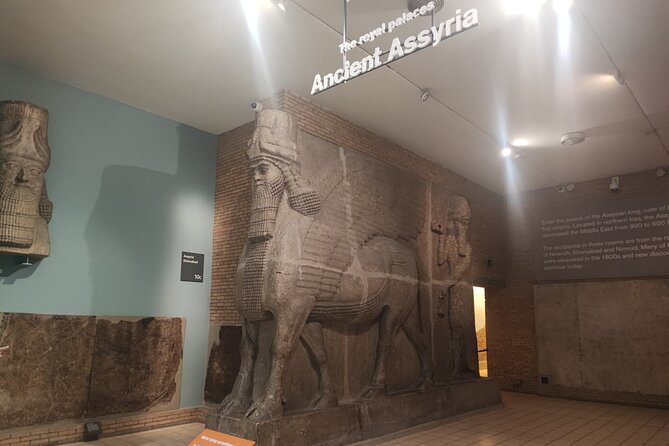
- A private, themed route that makes connections between objects instead of treating them as random displays
- Fast-track entry plus a straightforward plan, so you spend less time stuck in museum logistics
- Big-name anchors like the Rosetta Stone, Parthenon Marbles, and Egyptian mummies tied to clear story beats
- Small-group pacing with Q&A time, where guides like Richard and Yulia can adjust to your interests
- Admission is part of the deal, while snacks aren’t, so plan a quick meal or bring your own if you need it
Private, Fast-Track Entry at London’s British Museum
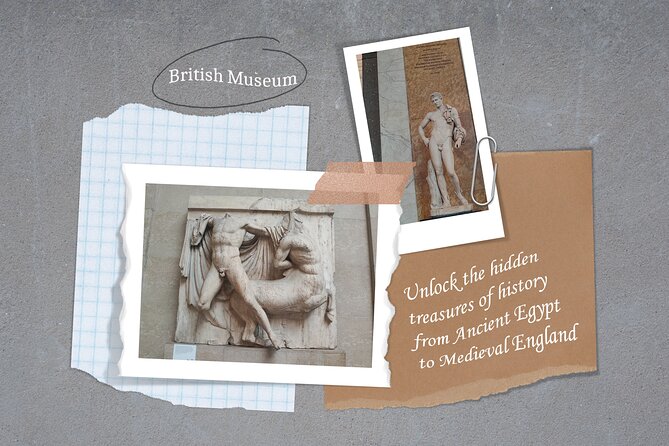
If you’ve ever walked into the British Museum, you know the problem fast: it’s glorious, and it’s also a little overwhelming. This experience is built for that exact moment. Your group starts at Montague Place (Montague Pl, London), and you’re met with a plan that helps you get your bearings quickly.
The tour is private, priced per group (and described for small groups up to 8, with the highlights also noting up to 6). Either way, it’s not a cattle-car experience. Expect about 2 hours of guided touring with a total visit that can run around 2 to 3 hours, depending on questions and pacing. If you’re the kind of person who likes to stop and read a few things closely, you’ll appreciate the time.
One practical point I really like: there’s a mobile ticket. That’s one less thing to manage in a big city with a tight schedule. Also, fast-track entry is included, which typically matters most when you hit security and entry lines during busy museum hours.
You can also read our reviews of more tours and experiences in London.



How the Ancient Daemons Theme Keeps Everything Understandable
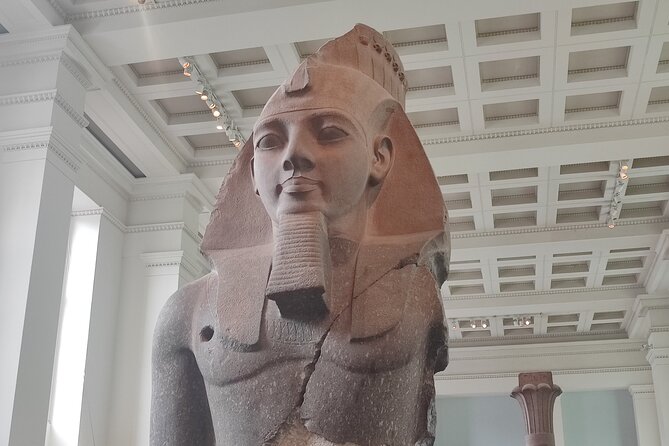
The title leans into myth and spiritual symbolism, but the real strength is that the tour uses a storyteller’s structure. The artifacts aren’t just named; they’re placed into a “what does this mean, and how do we know?” pattern. That’s what makes the museum feel less like a warehouse and more like a set of conversations across time.
Guides you may meet include Richard, and also Yulia (with a few spellings floating around like Yulywa or Yuliya). In the best cases, the guide doesn’t just recite facts. They explain why an object mattered to the people who made it, and they translate big ideas into language you can actually hold in your head.
You’ll also notice the tour’s logic: it doesn’t stay in one culture for the whole time. You move between civilizations, which can sound random until the guide connects the dots through themes like language, empire, power, death, and cosmic symbolism. That’s the “ancient daemons and timeless beauty” idea in action: the supernatural and the aesthetic show up everywhere, even when the artifacts come from totally different worlds.
Major Stops: Rosetta Stone, Parthenon Marbles, and Egyptian Mummies
The British Museum roof is the opening act. The building’s light-and-glass canopy (designed by Norman Foster) is a great breather before you lock into the collections. Then your tour starts handing you specific objects tied to clear story questions.
Rosetta Stone: The Shortcut to Forgotten Languages
This is one of the stops that really helps you understand how knowledge travels. The Rosetta Stone isn’t just an ancient slab behind glass. With a good guide, it becomes a story about translation and what happens when writing systems and political worlds collide. You’ll come away feeling like the museum isn’t only about old things—it’s also about how humans figured out how to read.
If you’ve ever looked at the Stone and thought, I don’t know where to start, this tour is exactly the fix.
Parthenon Marbles: Empire, Craft, and Meaning
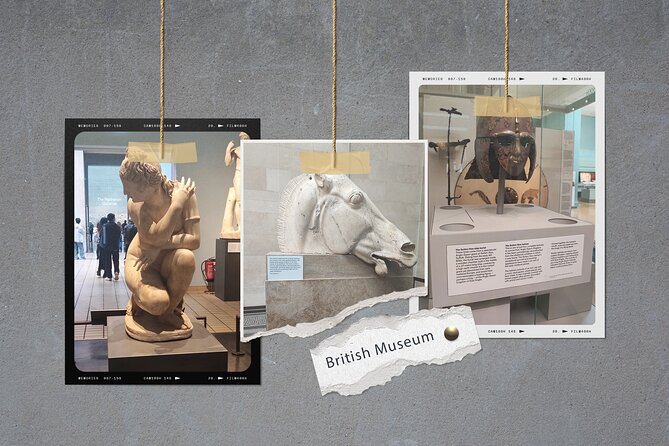
Next comes the Parthenon Marbles. This is where you’ll likely appreciate the guide’s framing. It’s easy to treat the marbles as just famous sculpture. A good tour pushes beyond that to talk about what empires display, what artists build into stone, and how cultural “ownership” is a complicated topic.
You won’t be stuck in vague admiration. You’ll get a clearer mental picture of what these pieces were meant to communicate.





Egyptian Mummies: The Calm Reality of Death
Then you’ll pause for Egyptian mummies. This part can land differently depending on your temperament. If you want a respectful, grounded explanation, you’ll like how the guide slows the pace enough for you to actually look.
The key is the tone: it’s not sensational. It’s quiet, reflective, and designed to help you understand Egyptian burial beliefs through what you’re seeing.
Tip I’d use: when the tour slows down, step into that moment. Read the nearby context labels, but also look at posture, surface wear, and how the display is staged. The guide will point out what matters most, but you still do your part.
Sutton Hoo and the Lewis Chessmen: Power, Play, and Strategy
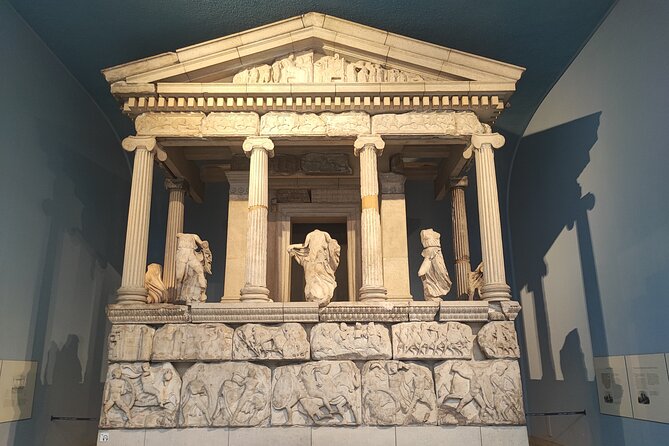
The tour keeps moving, and this is where the route starts to feel like more than a checklist.
Sutton Hoo: The Last Voyage of an Anglo-Saxon Warrior
Sutton Hoo is one of those stops that makes the past feel suddenly close. You’ll see the story of an Anglo-Saxon warrior’s final journey, and the guide connects artifacts to what we can reasonably infer—without turning it into fantasy.
This is also a good stop if your group includes people who usually struggle with ancient history. It’s concrete. It has stakes. It has a narrative arc.
Lewis Chessmen: Strategy Made Visible
Then comes the Lewis chessmen. These are perfect for a private tour because a guide can help you see them from multiple angles: as art, as gaming culture, and as a snapshot of how people thought.
Chess is such a familiar concept that it creates an easy entry point. The guide’s job is to explain what the objects likely meant in their original world, so you don’t just admire them for being old.
If you like interactive thinking—like how a game reflects society—you’ll enjoy this stop.
Shiva Nataraja and Ancient Sculpture: Beauty Standards That Actually Change
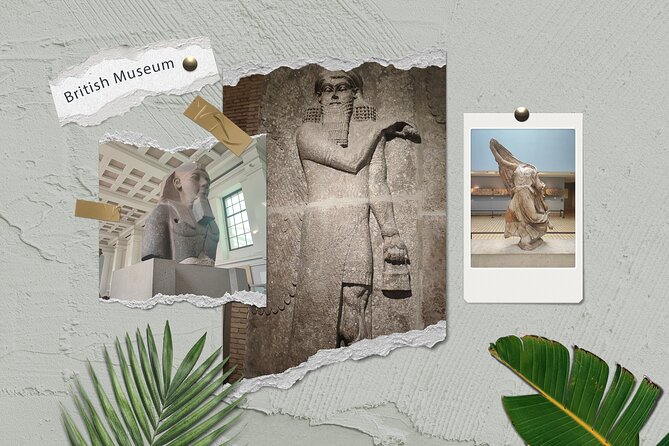
This tour doesn’t treat “beauty” like decoration. It treats it like a value system, something people shaped and argued over in stone.
Shiva Nataraja: Creation and Destruction in One Figure
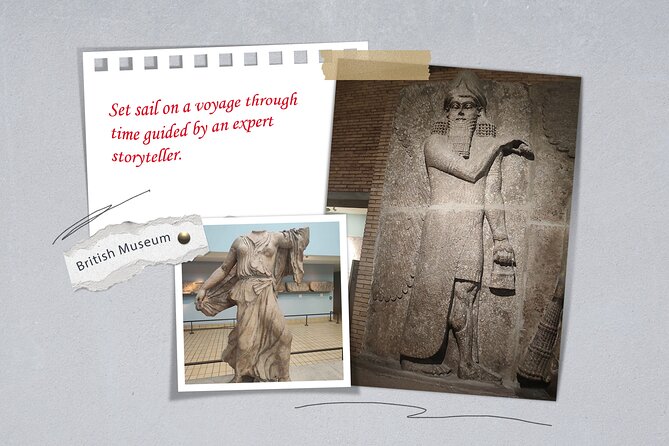
Standing before Shiva Nataraja is a different kind of experience. The idea of creation and destruction—cosmic cycles rather than a single “event”—is visual here. With the guide’s narration, you’ll understand what the dancing form symbolizes and how art communicates spiritual concepts.
This stop is also a nice contrast after the more historical storytelling. You’re still learning, but the focus shifts to meaning expressed through movement and form.
Ancient Sculpture: How Beauty Standards Evolved
Finally, you’ll spend time on ancient sculptures tied to the evolution of beauty standards. This part can be surprisingly relevant if you’ve ever wondered why different eras value different body types, hairstyles, proportions, or expressions.
A good guide keeps it grounded: the goal is not to tell you a single answer but to show how artistic choices reflect what a society admired and what it wanted to project.
If your group includes teens or non-museum people, this is often where they perk up. Beauty standards are a “human” topic, and a storyteller can make the argument land fast.
Price and Value: When $203.65 per Group Makes Sense
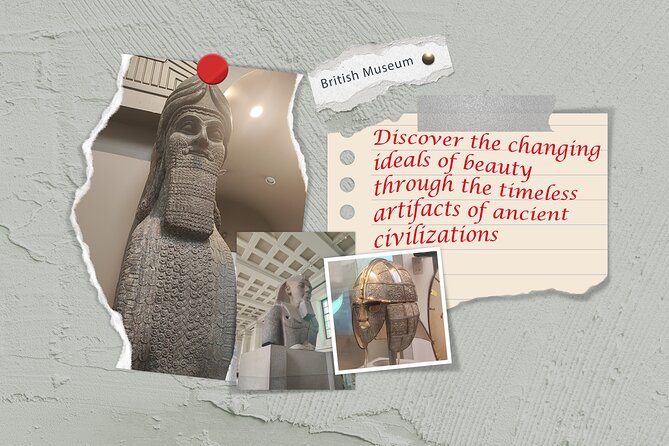
The price is $203.65 per group, and it’s set for small private groups (up to 8, with other notes indicating up to 6). To judge value, I look at what you buy: time, access, and a mental map.
- If your group is closer to 8 people, that’s roughly $25 per person.
- If your group is closer to 6, that’s roughly $34 per person.
Those are ballpark math estimates, but the bigger point is this: you’re not paying for “watch someone talk.” You’re paying for a guide who helps you walk into a museum with a strategy. That’s often worth it at the British Museum, because without a plan you can end up bouncing from room to room, losing time and missing the connections.
Also, admission is listed as free in the experience details, which matters a lot. You’re getting the guided tour plus fast-track entry. Snacks aren’t included, so plan your own pre- or post-museum bite.
Who This Tour Suits (and Who Might Want a Different Plan)
This works best for people who want structure without feeling trapped.
You’ll be a good fit if:
- You like major highlights but also want the “what it means” layer.
- Your group includes mixed ages or interests, and you want someone to shape the route.
- You’d rather spend 2 to 3 hours doing fewer things well than trying to conquer the whole museum alone.
You might reconsider if:
- You want to do a full museum sweep with hours of browsing in every wing.
- Your group has very specific niche interests not reflected by these anchor stops (Rosetta Stone, Parthenon Marbles, mummies, Sutton Hoo, chessmen, Shiva Nataraja, and sculpture).
One more “watch for this” note: the tour can be flexible. In one case, the guide extended the tour by an extra half hour free of charge when the group wanted more. That’s a big advantage of private guiding—your pace matters.
Book It or Skip It?
Book it if your main goal is to understand the British Museum fast and feel oriented while you look. The guided storytelling approach turns famous objects into meaningful stops, and the private format makes it easier to ask questions and tailor the pace.
Skip it if you already know exactly which galleries you want, and you’re comfortable spending a long afternoon threading your way through the museum on your own. In that case, a self-guided route may feel better.
FAQ
How long is the British Museum private tour?
The guided tour is about 2 hours, and the total experience runs approximately 2 to 3 hours.
Is this a private tour?
Yes. It’s a private tour/activity where only your group participates.
What’s included in the price?
Included are the guided museum tour, fast track entry to the British Museum, and a duration of about 2 hours. Admission is listed as free, and a mobile ticket is provided.
Is the museum admission ticket included?
Yes. Admission Ticket Free is listed as part of the experience details.
Do I need to bring snacks?
Snacks, food, and drinks are not included, so plan for your own break if you need one.
Where does the tour start and end?
The start is Montague Pl, London (Montague Place). It ends back at the meeting point.
Is the tour in English?
Yes, it’s offered in English.
Is free cancellation available?
Yes. You can cancel for a full refund up to 24 hours in advance.