REVIEW · ROME
Rome Aperitifs Tour in Mini Cooper Classic , Ancient Highlights
Book on Viator →Operated by MINI TOUR ROMA · Bookable on Viator
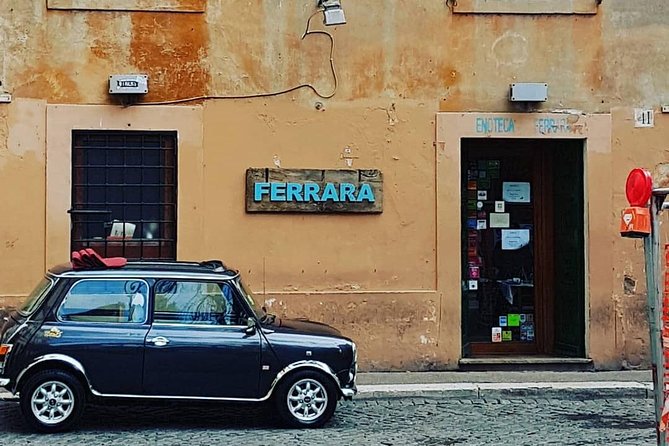
Your first sunset photo in Rome happens fast. This private Mini Cooper Classic tour is built for quick hops between sights, with time for pictures and a proper Roman aperitivo stop.
I especially like the small, three-passenger size for big views without feeling packed, and the way the route mixes headline landmarks with viewpoints and local corners guided by Luca. A smart drawback to consider: this experience runs in the evening and depends on good weather, so plan for a backup date if skies don’t cooperate.
In This Review
- Key things that make this Rome Mini Tour work
- Mini Cooper Classic: small group, big Rome views
- When to go: evening timing and photo-friendly pacing
- Piazza Navona to Trevi: the baroque duo, timed for real enjoyment
- Castel Sant’Angelo, Campo de’ Fiori, and the Vatican edge
- Piazza Venezia, the Pantheon, and why quick stops can be perfect
- The ancient circus spot and Rome’s power shift to hills
- Aventine viewpoints: Gianicolo, Giardino degli Aranci, and Agua Paola
- Trastevere and the “other side” of Rome
- Piramide Cestia: an Egyptian-style surprise in Rome
- Piazza di Spagna and Via del Corso: finishing with style and options
- Aperitivo and the cappuccino finale: how the tour ends the right way
- Price and value: $260.20 per person, and what that covers
- Who this Mini Aperitif tour fits best
- Should you book this Rome Aperitifs Mini Tour?
- FAQ
- How long is the Rome Aperitifs Tour in the Mini?
- What is the price per person?
- Do you get hotel pickup and drop-off?
- Is this tour private?
- What time does the tour run?
- Is the aperitivo and cappuccino included?
- Are tickets included for the attractions?
- What are the minimum age rules?
- What happens if weather is bad?
Key things that make this Rome Mini Tour work
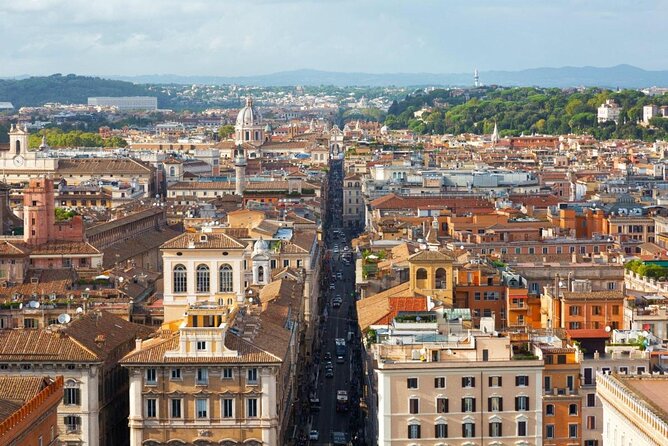
- Three passengers max in a vintage cabriolet means you see Rome instead of staring at a seatback
- Hotel pickup and drop-off keeps the experience effortless right from the start
- A traditional Roman aperitivo at a little-known local café sets a different tone than standard tourist stops
- You get frequent photo breaks with flexible stopping for pictures
- The route hits major icons plus lesser-seen areas, guided with live commentary from Luca
- You finish with a classic, simple café moment: a cappuccino at the end
Mini Cooper Classic: small group, big Rome views
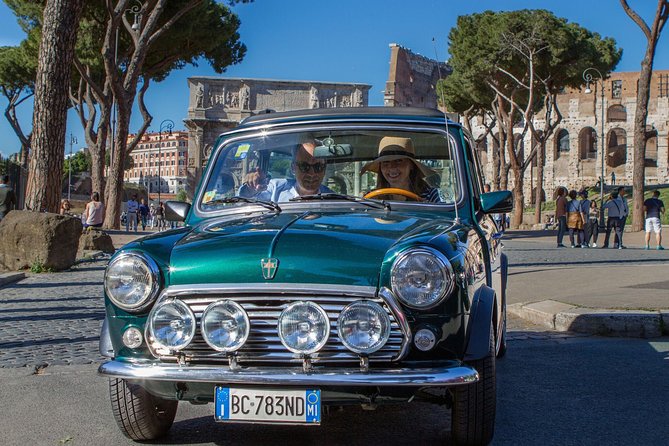
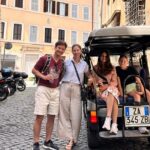
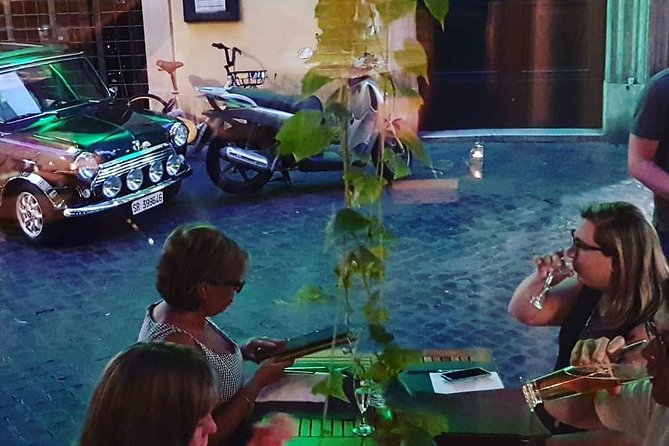
Rome feels best when you can actually look. This tour is designed for that. You ride in a vintage-style Mini cabriolet with room for just three passengers, so your eyes aren’t fighting for space and you’re not stuck in a large vehicle that blocks views.
The feel is part sightseeing, part rolling city-perspective. You’ll notice how the driver’s route naturally threads between neighborhoods and viewpoints. That’s where the “Rome looks different from every angle” effect really kicks in—especially during the evening hours when lighting turns the stones soft.
And yes, you’ll still see the big names, but the pacing matters. Instead of long, slow travel between far-apart sites, you get a tight loop with short stops that keep momentum. If you hate spending an hour getting from one spot to another, you’ll like this format.
You can also read our reviews of more tours and experiences in Rome.
When to go: evening timing and photo-friendly pacing
This tour operates in the evening window, with hours listed as 6:30 PM to 9:30 PM. You’ll be guided through a string of stops that make sense for dusk: baroque squares, monumental facades, and hilltop viewpoints.
The itinerary uses short visits—often around 5 to 10 minutes—and the best part is you’re not rushing blindly. You can stop as often as you like for photos, so you don’t feel forced to choose between seeing something and capturing it.
Practical tip: if you’re serious about photos, bring a charged phone/camera and a quick way to keep lenses clean. Rome streets can be breezy, dusty, or just busy, depending on the moment.
Piazza Navona to Trevi: the baroque duo, timed for real enjoyment
You start at Piazza Navona, one of Rome’s classic theater-like squares. Here you’ll get a brief look at the three Bernini fountains and the church of Francesco Borromini. The value of this stop isn’t just the sights—it’s the location. Piazza Navona is one of those squares where the architecture reads better when you can slow down for a few photos, not when you’re buried in a long line.
Then you roll toward Fontana di Trevi, the massive Nicola Salvi fountain everyone recognizes on sight. This is one of the few places in Rome where the payoff is immediate: you don’t need extra context to appreciate the scale.
Two things to keep in mind:
- The stop is short, so be ready when you arrive.
- If you’re picky about capturing the fountain, plan to spend your time finding your angle quickly. Don’t waste time walking the whole perimeter.
Castel Sant’Angelo, Campo de’ Fiori, and the Vatican edge

Next up is Castel Sant’Angelo, tied to the tomb of Adriano. Even with a brief look, it works as a visual anchor—Rome’s riverfront monuments look different depending on the angle you see them from, and Mini touring helps you catch that.
You’ll also pass through Campo de’ Fiori, one of the city’s older market areas. What I like here is the texture. Markets aren’t just tourist backdrops; they’re how daily Rome used to run and, in some form, still does. Even if your stop is short, it’s a change in rhythm from the grand monuments.
Then it’s on toward St. Peter’s Basilica and Piazza designed by Bernini. With limited time, the key is focusing on what you can read from where you stand: the basilica’s massive presence, the plaza geometry, and the energy of the space. You’re not meant to do a full museum day here. You’re meant to see, reposition, and move on.
Piazza Venezia, the Pantheon, and why quick stops can be perfect
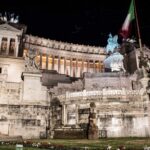
Piazza Venezia gives you another big-scope Rome moment, including Altare della Patria (the Vittoriano). The stop is brief, but it helps you connect the dots between Rome’s ancient and national layers. The square is like a crossroads in stone.
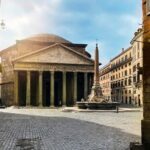
Then comes the Pantheon, dedicated to past, present, and future divinities. Even a short visit hits hard because the building’s proportions do the work. The Pantheon isn’t just a famous name—it’s a space that feels engineered for awe.
Here’s why this works on a Mini tour: when time is tight, you don’t try to do everything. You take in the key visual elements quickly, then you keep moving to the next viewpoint before the light changes.
The ancient circus spot and Rome’s power shift to hills
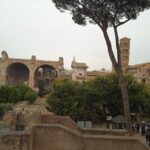
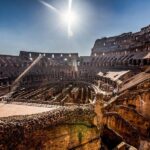
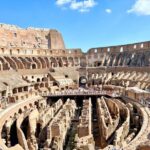
At one point you’ll also see an ancient Roman circus area dedicated to chariot races. It’s the kind of stop that can feel like a bonus because you don’t always get it on the most basic routes. It also helps you understand that Rome wasn’t only about temples and forums; it also had massive entertainment engines.
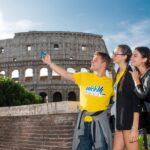
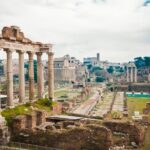
Then you climb into the story-rich terrain of Palatine Hill, one of the Seven Hills and among Rome’s oldest areas. The value here is not “spend hours reading ruins.” It’s getting oriented. Palatine is where Rome’s layers start to click in your mind: empire, myth, and monumental power all overlapping.
Aventine viewpoints: Gianicolo, Giardino degli Aranci, and Agua Paola
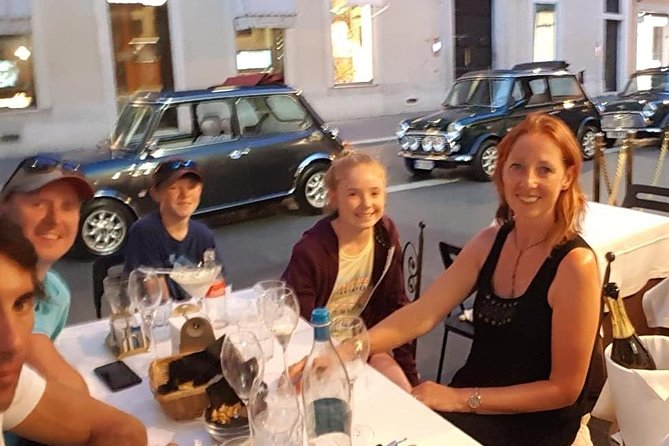
You also visit Colle Aventino, described as one of the Seven Hills and tied to the founding of Rome. It’s one of those hills that often feels calmer than the center, even when you’re still in a high-tourist zone. The stop length helps you take in the idea of the place without turning it into a tiring hike.
Then the tour keeps stacking viewpoints:
- Colle del Gianicolo for a very nice view of Rome
- Fontana dell’Acqua Paola with another fine city view angle
- Giardino degli Aranci, with spectacular views from the Aventine side
This is where the Mini format shines. Hills and viewpoints can be slow on foot, but from the car you can jump between vantage points without burning your evening energy. If you care about photos, this is your most fun section.
What I’d do: after each viewpoint, stop for just a minute more than you think you need. Rome’s light shifts fast. One extra breath at the rail can be the difference between a good photo and a great one.
Trastevere and the “other side” of Rome
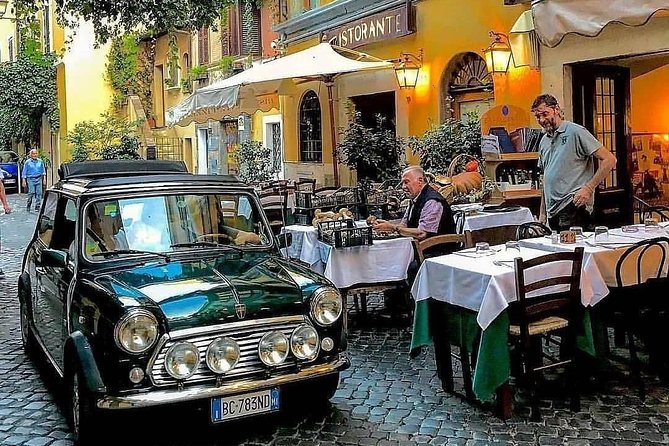
Trastevere is next, described as an ancient, original neighborhood with character. Even with a short stop, Trastevere works because it feels different from the formal, monumental center. Streets can be narrower, the vibe more human-scale, and the scene more everyday.
If you’re hoping for Rome beyond the checklist, this is the right direction. It’s not just an added stop. It changes the whole mood of the tour.
Piramide Cestia: an Egyptian-style surprise in Rome
Then you’ll see Piramide Cestia, an Egyptian-style pyramid built between the 18th and 12th centuries BC (as listed). This is exactly the kind of Rome moment that makes the tour feel special: it’s a strange, memorable object you don’t get from most standard routes.
Because it’s brief, you won’t overthink it here. You’ll simply notice how it pops against the city.
Piazza di Spagna and Via del Corso: finishing with style and options
You’ll reach Piazza di Spagna, known for the Fontana del Bernini called La Barcaccia. The square is famous for a reason: it’s photogenic, and the steps feel like Rome’s social stage.
Then it’s over to Via del Corso, Rome’s shopping district. The stop isn’t meant to turn into a full shopping spree. It’s there to give you an easy place to wander afterward with choices.
Aperitivo and the cappuccino finale: how the tour ends the right way
The tour includes a traditional Roman aperitivo at a little-known local café. Alcoholic drinks aren’t included, but you can purchase them there. One important note: the minimum drinking age is 18, so this is a non-issue if you’re traveling as adults, but it matters if you have younger people in your group.
Ending with a classic Italian cappuccino is a smart touch because it turns the night into something more than “look, see, move, repeat.” You get a pause at the end—exactly when you’re most likely to be hungry and ready to sit.
This is also where you can ask Luca a few practical questions. A good guide will steer you toward a nearby walk or a simple plan for the rest of your evening, and the café stop gives you a natural moment to do it.
Price and value: $260.20 per person, and what that covers
At $260.20 per person, you’re paying for a private, time-efficient way to see Rome in a small vehicle—plus hotel pickup/drop-off and a live guide.
What you get that justifies the cost:
- Private tour with only your group
- Round-trip private transfer from your Rome hotel
- Live commentary from the driver/guide (Luca’s team runs the show)
- Snacks and bottled water
- A route that mixes icons with viewpoints so you get more “Rome per hour”
If you tried to do this yourself, you’d spend a chunk of time coordinating transit and you’d still likely lose time standing in the wrong spot for photos. The tour saves that decision fatigue. It’s not about convenience alone; it’s about time ownership.
One realistic tradeoff: because the stops are short, you won’t have hours at any one place. If you want a deep museum day, this isn’t built for that. If you want a well-paced evening survey with memorable stops, it’s a good match.
Who this Mini Aperitif tour fits best
This works best for:
- Couples, small groups, and anyone who values views and quick, high-impact stops
- Travelers who want the comfort of hotel pickup without giving up freedom to take photos
- People who like Rome as a mix of monuments and neighborhood texture
It might feel less ideal if:
- You want long, slow time inside major sites (the stops here are brief)
- You’re sensitive to the fact that it’s weather-dependent
Also, smart casual dress is required. You don’t need to wear formal outfits, but you should plan for comfortable shoes and a top layer if evenings feel cool.
Should you book this Rome Aperitifs Mini Tour?
If your goal is to see a lot of Rome without turning the day into a logistics puzzle, I think this is a strong choice. The combination of small-group Mini touring, frequent photo stops, and a real aperitivo/cappuccino ending makes the evening feel complete instead of rushed.
Book it if:
- You want classic highlights plus viewpoints
- You care about getting orientation fast
- You like the idea of a guided evening with time to breathe at cafés
Skip it if:
- You want long indoor time at major attractions
- You dislike weather uncertainty and short stops
If you’re deciding between DIY and a guided loop, this is the kind of tour where the guide and timing do the heavy lifting. You show up, Rome unfolds, and you end with something tasty and simple.
FAQ
How long is the Rome Aperitifs Tour in the Mini?
It’s listed as about 3 to 4 hours.
What is the price per person?
The price is $260.20 per person.
Do you get hotel pickup and drop-off?
Yes. The tour includes hotel pickup and drop-off, plus a round-trip private transfer.
Is this tour private?
Yes. It’s a private tour, and only your group participates.
What time does the tour run?
The listed operating hours are 6:30 PM to 9:30 PM.
Is the aperitivo and cappuccino included?
The tour includes a traditional Roman aperitivo at a local café, and it ends with a classic cappuccino. Alcoholic drinks are available to purchase, but they’re not included.
Are tickets included for the attractions?
At least one stop lists an admission ticket included item, while many other stops are listed as free. Exact coverage depends on the stop.
What are the minimum age rules?
The tour lists a minimum drinking age of 18.
What happens if weather is bad?
The experience requires good weather. If it’s canceled due to poor weather, you’ll be offered a different date or a full refund.