REVIEW · CAIRO
Cairo: 2-Day Ancient Egypt Tour with Pyramids and Museums
Book on GetYourGuide →Operated by Sun Pyramids Tours · Bookable on GetYourGuide
Pyramids plus churches in two days sounds intense. What makes this tour click is the jump from Giza’s big monuments to the Egyptian Museum and then into Coptic Cairo, so you see ancient and Christian Egypt on the same schedule. I also like that you get a private, all-languages Egyptologist guide who keeps the story clear as you move through sites. One thing to watch: tickets to go inside the pyramids are not included, and Memphis can look a bit messy compared with the star attractions.
You’ll spend day 1 on the classic must-dos: Cheops, Chephren, and Mykerinus at Giza, the Great Sphinx and Valley Temple, then lunch, then the Egyptian Museum’s massive collection. After that, you shift gears to Hanging Church, Ben Ezra Synagogue, and two more Coptic churches—an easy way to understand how Cairo kept changing while the old world still shaped the city.
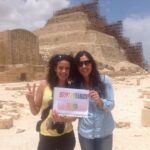
Day 2 goes farther afield in a smart way: first the Step Pyramid of Zoser at Saqqara, then the Dahshur twins (Red and Bent), and finally Memphis for Old Kingdom power and a couple of standout statues. If you want everything big without spending days stitching together separate tickets and guides, this package gives you that structure.
In This Review
- Key things worth caring about
- Two days that actually connect Egypt’s past and Cairo’s present
- Day 1: Giza pyramids, Great Sphinx, Valley Temple, then the Egyptian Museum
- Coptic Cairo: Hanging Church, Ben Ezra Synagogue, and two more churches
- Day 2: Saqqara Step Pyramid of Zoser and Dahshur’s Red and Bent Pyramids
- Memphis City: Old Kingdom power, Ramses II, and the alabaster Sphinx
- Price and value: what $274 gets you, and what it doesn’t
- How to make the day run smoothly: timing, guides, and the pace
- Who this tour is best for
- Should you book this 2-day Cairo Pyramids and Museums tour?
- FAQ
- FAQ
- What is the duration of the tour?
- How much does the tour cost?
- What does the tour include for transportation?
- Are entrance fees included?
- Are meals included?
- Are tickets included to go inside the pyramids?
- Is there a live guide, and what languages are offered?
- Is the tour wheelchair accessible?
- Does pickup or drop-off from Cairo airport cost extra?
- Is free cancellation available?
Key things worth caring about
- Giza to Coptic Cairo in one day: you get two very different Cairo styles of history without wasting time.
- Egyptian Museum scale: the museum visit is built around a huge 5,000-year art collection and a very large display of genuine artifacts.
- Saqqara and Dahshur variety: Step Pyramid to Red Pyramid to Bent Pyramid, so you see how pyramid design evolved.
- Private transfers by AC vehicle: Cairo driving can be long; having transport handled helps you stay focused on the sights.
- Memphis add-on with Old Kingdom context: you see where Egypt’s early capital power was based, not just more ruins.
- Small practical catch: inside-pyramid tickets cost extra, and Cairo-meets-Memphis conditions can vary.
Two days that actually connect Egypt’s past and Cairo’s present
This is the kind of tour that works because it isn’t trying to teach you everything. It picks the headline sites that explain the big chapters: royal Egypt at Giza and Saqqara, experimental pyramid building at Dahshur, then early state power in Memphis, then Cairo’s later religious layers in Coptic Cairo.
The rhythm matters. You start with the most photographed monuments, where the “wow” is immediate. Then you build meaning with museum time and guide-led context. Finally, you shift to Coptic Cairo churches, where you feel a different kind of Egypt—less about pyramids and more about a living city shaped by centuries.
You can also read our reviews of more tours and experiences in Cairo.



Day 1: Giza pyramids, Great Sphinx, Valley Temple, then the Egyptian Museum
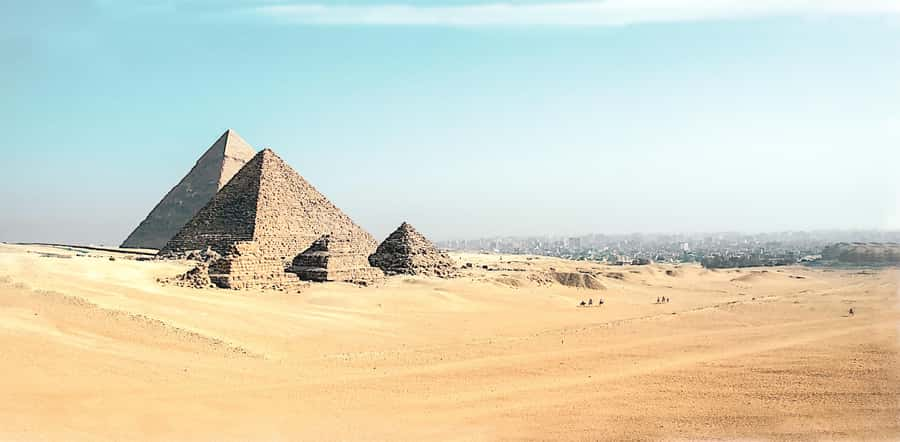
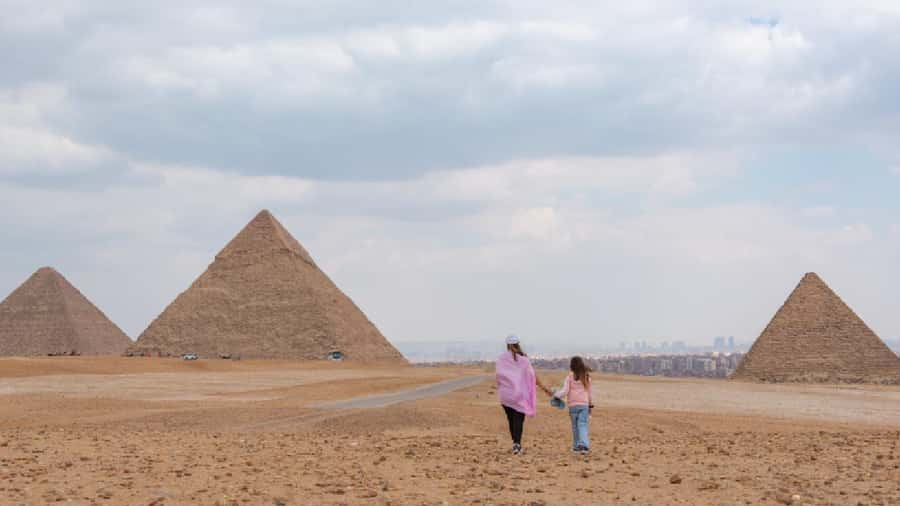
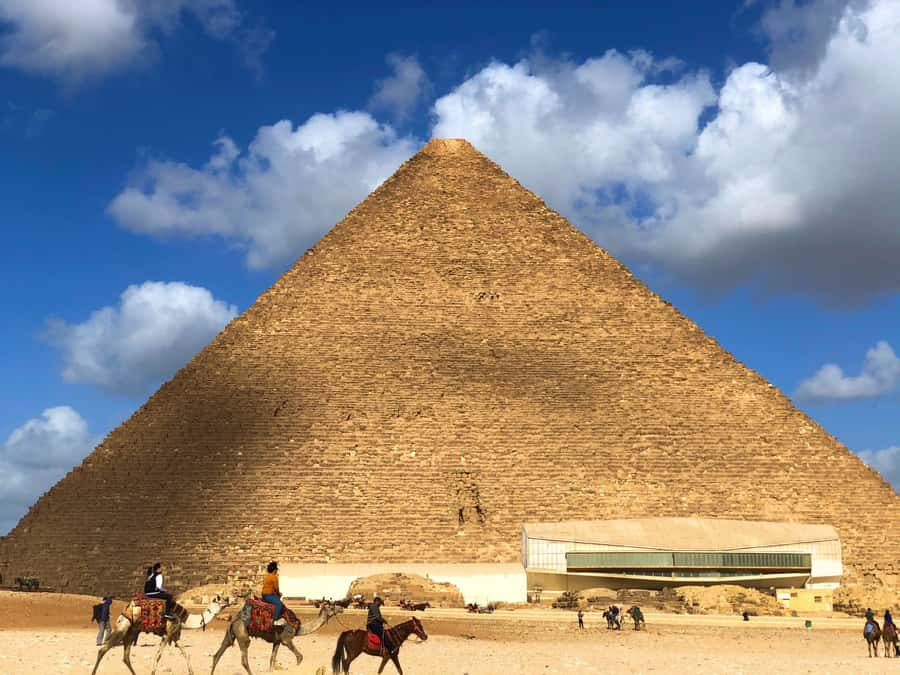
Your day begins with hotel pickup and a private air-conditioned vehicle ride to Giza. The tour covers the Pyramids of Cheops, Chephren, and Mykerinus, so you’re not just seeing one pyramid. Seeing three gives you a better sense of the whole royal program rather than a single photo stop.
From there you head to the Great Sphinx, linked to the time of Chephren, and then to the Valley Temple associated with his pyramid complex. These are the sites that make the Giza area feel like a planned landscape, not just isolated blocks of stone. Even if your eyes are hungry for perfect pyramid angles, the guide’s framing helps you notice the logic in how the monuments relate.
Then comes lunch at a local restaurant (included), which is helpful because Giza days can stretch fast. You get a proper break instead of grabbing something random and calling it a day.
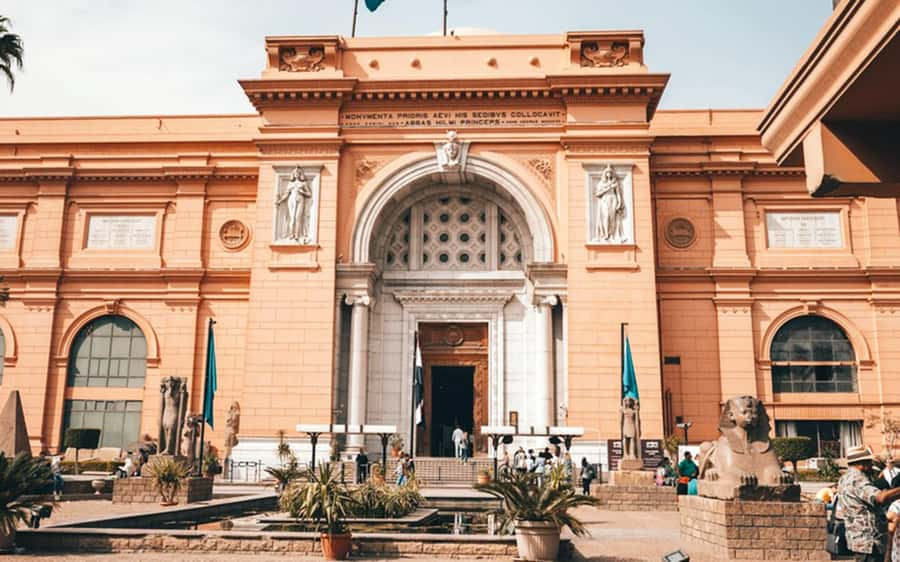
After lunch, you move to the Egyptian Museum, a main reason many people choose a guided two-day package. The museum visit centers on a collection of about 5,000 years of art, described as one of the largest and most precious assemblages of Egyptian art in the world. You’re also told about 250,000+ genuine artifacts being presented, which gives you the right expectations: you’re not touring a small room of highlights. You’re walking into a massive catalog of ancient Egypt.
One practical tip for how to enjoy this museum: don’t try to see every single label. Instead, focus on the guide’s route and what you’re learning as you go. The tour’s structure is designed so you get the big context without getting lost in information overload.
Coptic Cairo: Hanging Church, Ben Ezra Synagogue, and two more churches
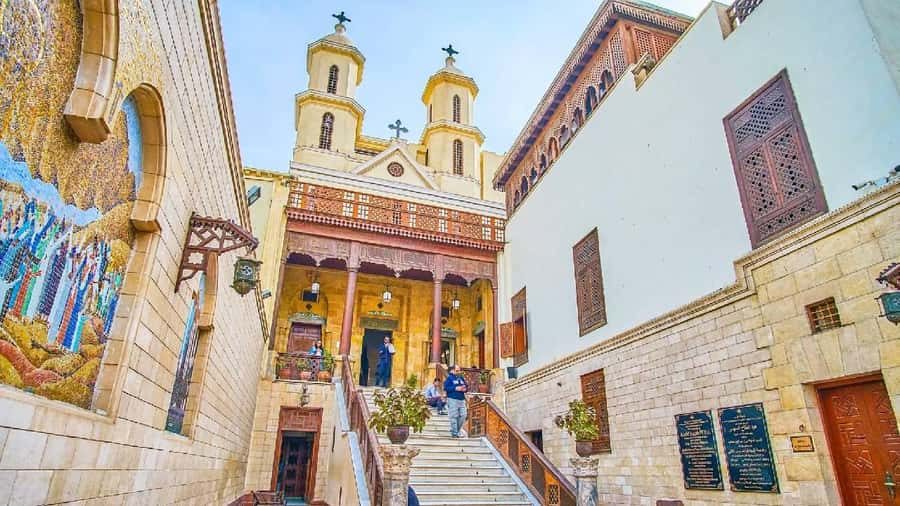
After the museum, you switch to Coptic Cairo, and that’s where the tour becomes more interesting than the typical “pyramids only” trip. You visit the Hanging Church, the Ben Ezra Synagogue, and also the Church of St. Barbara and Church of Abu Serga.
This part matters because it shows Cairo as a layered city. Egypt didn’t stop at pharaohs; it kept rewriting itself. In Coptic Cairo, you feel the “long afterlife” of ancient Egypt’s geography and culture, expressed through later faith communities and architecture.
Expect a different pace than Giza. Churches and synagogues reward slower looking: details, layout, and how worship spaces feel. If you’re the kind of traveler who enjoys how history changes form over time, you’ll like this section a lot.
A small consideration: this part of the day is about sites, not shopping or entertainment. If you’re tired from museum walking and then more sightseeing, wear comfortable shoes and keep your energy for the moments that catch your eye.
Day 2: Saqqara Step Pyramid of Zoser and Dahshur’s Red and Bent Pyramids
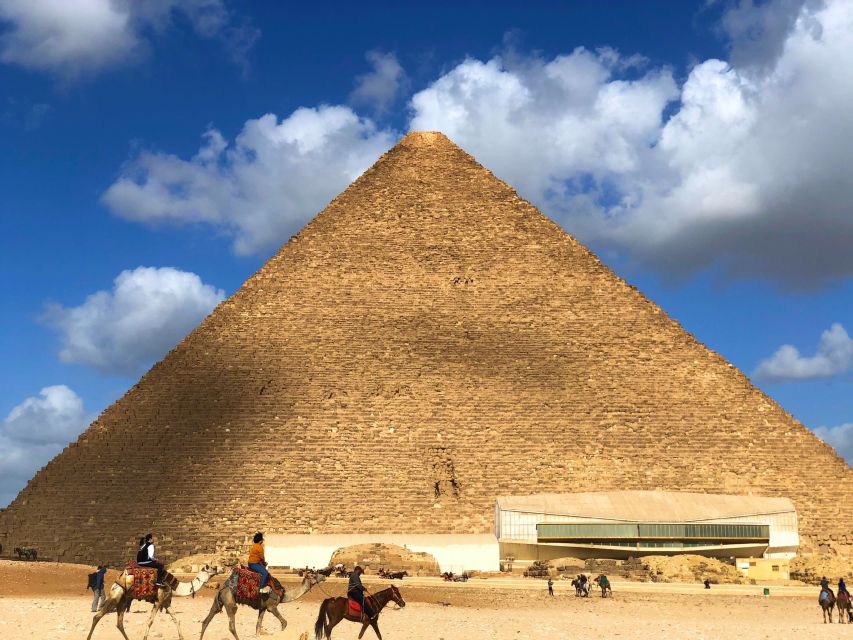
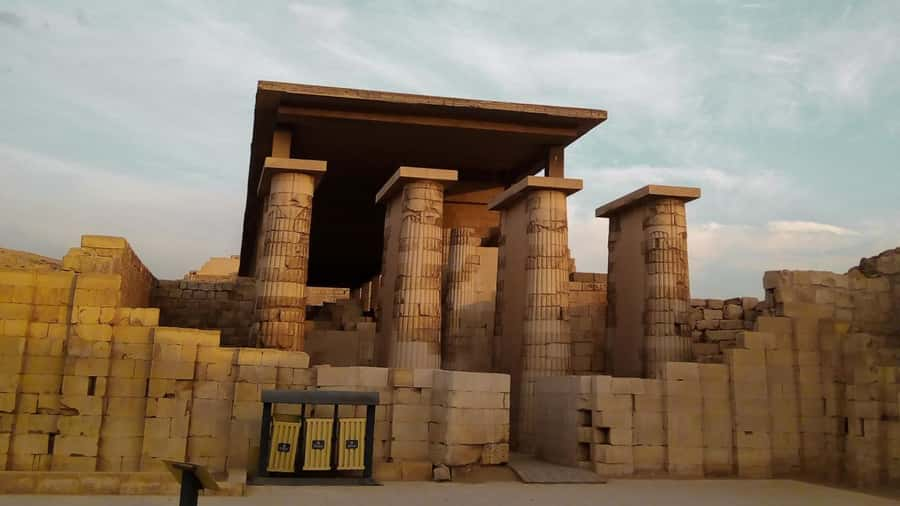
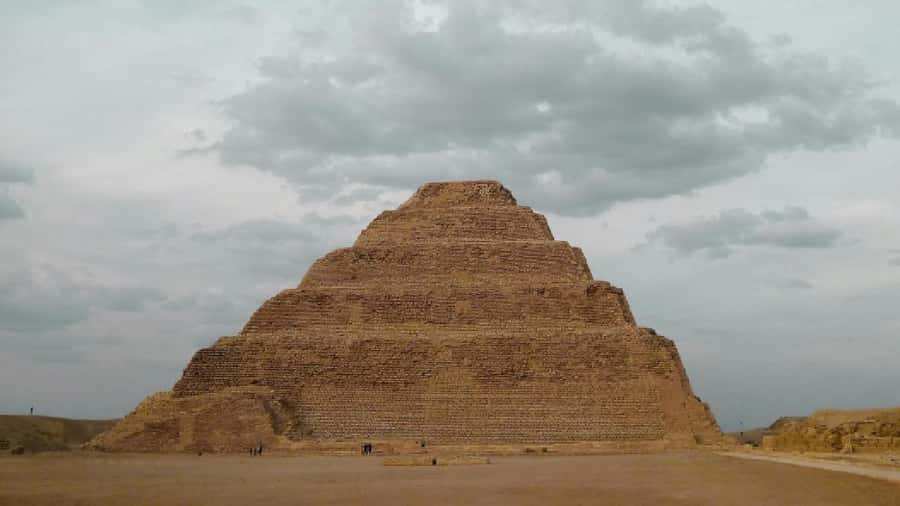
Day 2 starts early with pickup at around 8:00 AM. Your first stop is the Step Pyramid of Zoser in Saqqara, described as the world’s oldest major stone structure. It was built in the 3rd Dynasty for King Zoser, and that detail matters because you’re seeing the early stage of pyramid-making, not the finished, “classic” version.
If Giza is the royal finale, Saqqara is the origin story. A step pyramid lets you understand how design evolved and how ambitious the planners were when they were still experimenting with the shape.
Next you head to Dahshur, where the tour focuses on two famous pyramids:
- the Red Pyramid, noted as the oldest true pyramid in history
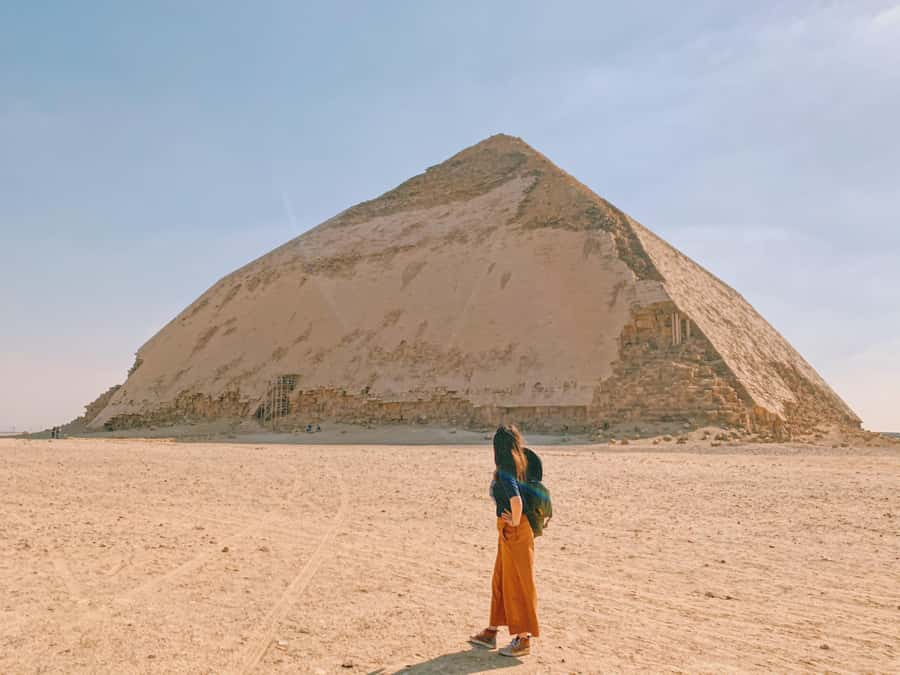
- the Bent Pyramid, described as the most preserved pyramid
This pairing is a smart way to spend time. You get contrast: why one pyramid is considered an early true form, and why the other’s shape stands out enough to be remembered. If you’ve ever wondered how something so massive could end up with a “bent” reputation, the guide’s explanation is the difference between a photo and real understanding.
Memphis City: Old Kingdom power, Ramses II, and the alabaster Sphinx
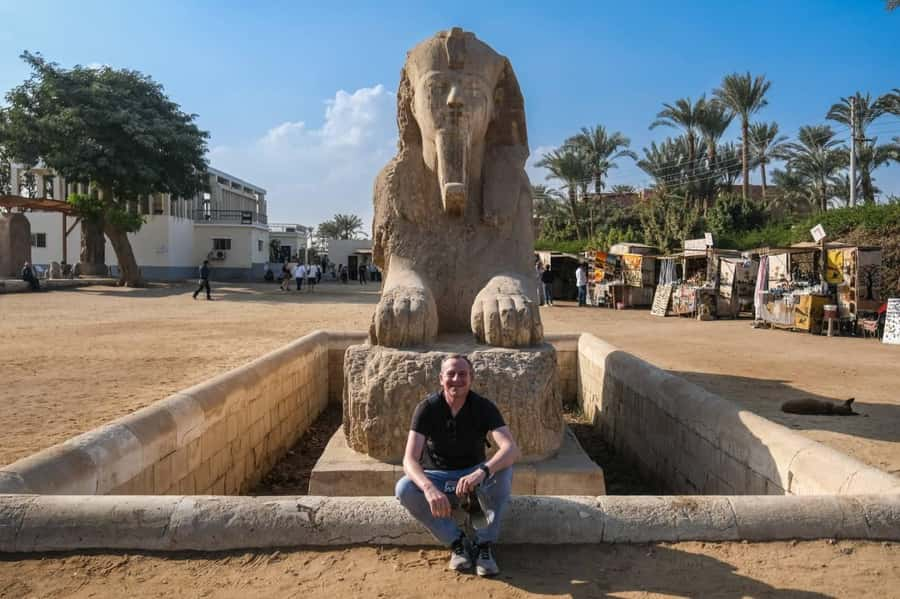
After Dahshur, you transfer to Memphis, founded by King Menes and described as the capital of Egypt during the Old Kingdom. The tour notes Memphis was a center of rule and culture for over 3,000 years, which is a helpful framing: you’re not just seeing scattered remnants; you’re visiting the idea of an early capital city.
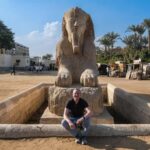
You’ll see the Statue of Ramses II and an alabaster Sphinx of Memphis. These standouts help tie Memphis to familiar royal names, and they give you a sense of continuity from the earlier pyramid era to later monumental sculpture.
One caution: the Memphis portion can be less immaculate than the main pyramids. You might find the exhibition areas not as clean as you’d expect, so adjust your mindset. Treat it as a context stop—an “understand the city” moment—rather than a place where everything looks like a postcard.




Price and value: what $274 gets you, and what it doesn’t
The listed price is $274 per person for a 2-day experience. For this kind of lineup, the value is mostly in the heavy lifting being done for you: private air-conditioned transfers, hotel pickup and return, a private Egyptologist guide, entrance fees for the sites named, and two lunches plus bottled water.
That matters in Cairo. You’re not spending your time negotiating transport, guessing schedules, or chasing entrance tickets you thought were included. The tour also includes a shopping tour in Cairo, which can be a bonus if you want a planned stop rather than wandering into shops randomly.
What’s not included is equally important:
- Hotel accommodation
- Tipping
- Tickets to get inside the pyramids
Also, if you’re starting from or ending at places outside standard hotel pickup—like Cairo airport, Sphinx airport, New Administrative Capital, Badr City, Shorouk, Rehab, Obour, or Madinty City—the tour notes that pickup/drop-off there can cost extra.
So the value depends on your priorities. If you want a guided, fee-covered route that hits the big monuments and the Coptic Cairo layer in two days, the price feels reasonable. If you’re planning to go inside several pyramids and you’re sensitive to extra costs, budget for those add-ons from the start.
How to make the day run smoothly: timing, guides, and the pace
A big reason this package works is that your logistics are handled. You get pickup from your hotel, private transport, and a clear sequence of stops over two days. The guide is available in many languages (listed as Chinese, Japanese, Russian, Arabic, English, French, Italian, Spanish, German, Portuguese), and the tour notes you’ll have a live guide.
Pacing is the other factor. The schedule is busy, but it’s designed around set-piece sites: Giza, the museum, Coptic Cairo, then Saqqara, Dahshur, and Memphis. That structure keeps you from constantly asking yourself what’s next.
One practical consideration from real-world experience: meeting up on the first day can be awkward if you don’t have solid contact details. Before you go, ask your operator for a clear plan—at minimum, the guide’s name and the best phone/WhatsApp contact you can use in case you’re stuck in a crowded pickup area. It’s a small step that prevents a lot of frustration.
Who this tour is best for
This tour is a strong match if you want:
- the classic Giza experience plus museum time, without building it yourself
- a Coptic Cairo add-on (not every itinerary bothers)
- a second day that covers Saqqara and Dahshur in one sweep
- someone else handling transport and entrance fees
It also suits you if you’re traveling with family members who like structure. Two days is long enough to feel like you accomplished something, but short enough that you’re not living on the road for a week.
If you hate rushing, this might still feel busy. Cairo’s sites require time, and the itinerary is built for seeing a lot. The best way to enjoy it is to decide ahead of time what you care about most (pyramid photos vs. museum artifacts vs. church details) and let the guide guide the rest.
Should you book this 2-day Cairo Pyramids and Museums tour?
If you want maximum Cairo history in two days—with private transfers, a guide who connects the story across eras, and both Giza and the museum plus Coptic Cairo—this is a good buy for the effort it saves you.
I’d book it if you’re excited about both sides of Cairo: the pharaoh monuments and the Christian-era churches. I’d think twice if you’re mainly chasing inside-pyramid access (since those tickets cost extra) or if you’re very sensitive to the condition of outdoor exhibition areas like Memphis.
FAQ
FAQ
What is the duration of the tour?
It runs for 2 days.
How much does the tour cost?
The price is listed as $274 per person.
What does the tour include for transportation?
It includes all transfers by a private air-conditioned vehicle, plus pickup from your hotel and return.
Are entrance fees included?
Yes. Entrance fees to all the mentioned sites are included.
Are meals included?
Lunch is included on both days, as stated in the itinerary.
Are tickets included to go inside the pyramids?
No. Tickets to get inside the pyramids are not included.
Is there a live guide, and what languages are offered?
Yes, you get a live guide (Egyptologist) and the listed languages include Chinese, Japanese, Russian, Arabic, English, French, Italian, Spanish, German, and Portuguese.
Is the tour wheelchair accessible?
The tour notes that it is wheelchair accessible.
Does pickup or drop-off from Cairo airport cost extra?
The tour says pickup/drop-off from Cairo airport, Sphinx airport, New Administrative Capital, Badr City, Shorouk, Rehab, Obour, or Madinty City is for an additional cost.
Is free cancellation available?
Yes. Free cancellation is listed as available up to 24 hours in advance for a full refund.