REVIEW · TOKYO
Tokyo: Imperial Palace, Edo Castle and Historical Tour
Book on GetYourGuide →Operated by Traveling Tokyo · Bookable on GetYourGuide
Tokyo’s history feels close here. This guided walk through the Imperial Palace East Gardens brings Edo Castle stone ruins and Ninomaru Garden into focus, without turning it into a museum lecture. I especially like how the guide points out what you’re seeing in plain terms as you move along, and I like the mix of gates, moats, and gardens so the time doesn’t drag.
The one thing to consider is pacing. You’ll cover multiple photo stops in about 90 minutes, so if you want to linger on your own, you may feel a bit rushed.
In This Review
- Key points to know before you go
- Imperial Palace East Gardens: calm Tokyo with real Edo Castle stonework
- Meeting at Starbucks near Kokyo Gaien: easy start, clear location
- Tokyo Imperial Palace photo stop: short, but it sets the tone
- Edo Castle stone ruins: the parts you can actually stand on
- Ninomaru Garden: where the Edo feel turns gentle
- Sakurada-mon Gate: gates, moats, and why security looked ceremonial
- The guide makes or breaks it: clear English, inclusive explanations
- Duration and flow: 90 minutes that feel focused, not rushed
- Price and value: about $22 with admission and context
- Practical tips for getting the most from 1.5 to 2 hours
- Should you book this Imperial Palace East Gardens tour?
- FAQ
- How long is the tour?
- What language is the guide?
- Where do I meet for the tour?
- Is admission to Imperial Palace East Gardens included?
- Is the tour wheelchair accessible?
- Can I cancel, and is there flexibility when booking?
Key points to know before you go
- Edo Castle remains: stone foundations, walls, and samurai-era features are part of the route.
- Ninomaru Garden time: a focused garden stroll with seasonal details like flowers and ponds.
- Sakurada-mon Gate stop: one of the more dramatic gate-and-fortification moments of the tour.
- English guides: past groups highlighted guides like Tony, Jim, and Bell for clear, inclusive explanations.
- Admission included: you get entry to the Imperial Palace East Gardens as part of the experience.
Imperial Palace East Gardens: calm Tokyo with real Edo Castle stonework
Tokyo can feel intense. So I love the switch you get when you step into the Imperial Palace East Gardens area. This is central Tokyo, yet the stone paths, ordered greenery, and quiet courtyards create a different rhythm.
What makes this tour work is that it treats the grounds as a story you can walk through. You start on views and access points connected to the former Edo Castle, then move toward areas that show how the Tokugawa shogunate operated—power, control, and ceremonial space. The guide connects physical features to what they meant, like why gates mattered and how moats shaped movement.
You also get a nice balance of architecture and nature. When you reach Ninomaru Garden, it’s not random sightseeing. The guide frames what you’re seeing as Edo-period design—so the ponds and seasonal planting feel intentional, not just pretty.
If you’re a history fan, you’ll appreciate the specifics the guide mentions, including the way Japan’s political center shifted from shogunate rule toward imperial governance. If you’re not, you’ll still enjoy the walk because the garden stop gives your brain a rest.
You can also read our reviews of more tours and experiences in Tokyo.
Meeting at Starbucks near Kokyo Gaien: easy start, clear location
Logistics matter more than people admit. Here, the meeting point is practical: you meet in front of Starbucks Coffee at Kokyo Gaien Wadakura Fountain Park, near the Imperial Palace East Gardens area. That’s helpful because it gives you a familiar landmark right by the action.
Why I like this: you’re not wasting time hunting for a tour group in a sea of office buildings and directional signage. You also get close to the palace grounds right away, which makes the early minutes count.
Arrive a bit early. Even in a smooth city, you’ll want a minute to orient yourself, use the bathroom if needed, and take a quick look at the immediate surroundings. The first photo and guided segments are short, so being late means you lose context.
Tokyo Imperial Palace photo stop: short, but it sets the tone
Your first on-the-ground moment is a photo stop at the Tokyo Imperial Palace area, then a guided explanation (about 15 minutes). This is the moment where the guide helps you understand what you’re about to walk through.
Think of it as a mental map. You’re not just taking pictures yet. You’re learning what features to watch for next: gates, stonework, foundations, and the way the grounds were organized for power and ceremony.
The upside of this format is that it trains your eyes fast. The guide doesn’t leave you to guess. If you pay attention during this first stretch, the later stops make more sense.
The small catch is time. Fifteen minutes goes quickly. If you’re the type who likes to wander freely before a tour starts, you’ll want to do that on a different day. Here, you’re here to connect dots.
Edo Castle stone ruins: the parts you can actually stand on
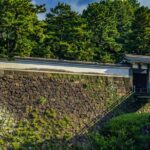
One of the top reasons to book this tour is the focus on Edo Castle remnants. You’ll walk through stone ruins and remnants of castle structures, including parts that let you stand on the foundation of the keep area. That physical connection is the whole point.
Edo Castle was enormous and influential, but most visitors see only fragments. On this tour, the guide helps you visualize scale and function from what’s still visible. You’ll move past stone gates and walls, and you’ll see moats referenced as part of the defensive and control system.
This is where the tour becomes more than sightseeing. When a guide explains how the samurai-era layout influenced daily movement, the grounds stop being abstract. Gates feel like bottlenecks. Stonework feels like engineering. Even the spaces between structures start to make sense.
I also like that the guide places this in context, including the Tokugawa shogunate and the later transition to imperial rule. It’s not just dates. It’s how political power shaped the built environment you’re walking through now.
Ninomaru Garden: where the Edo feel turns gentle
After the castle-focused sections, you get to Ninomaru Garden for about 45 minutes of guided time. This is the softer half of the experience, and it’s a smart design choice.
The guide points out details like seasonal flowers and tranquil ponds. But again, it’s not just looking. It’s learning what makes the garden feel refined and controlled, which is very much an Edo-period signature. You start to notice sightlines—how the garden guides you rather than just being an open park.
If you’re tired from the Tokyo pace, this is your reset. You’ll slow down. You’ll take more photos. You’ll stop and listen to the guide without feeling like you’re falling behind.
If you dislike crowds or prefer quiet corners, you can still work it. Choose a spot near the pond areas when the group pauses, and don’t rush every viewpoint. The garden rewards a slower eye.


Sakurada-mon Gate: gates, moats, and why security looked ceremonial
The tour finishes with a stop at Sakurada-mon Gate, with photo time plus guided sightseeing (about 20 minutes). This is the kind of location where history feels dramatic because gates were the choke points of the whole system.
What I like here is that the guide keeps returning to the theme of movement and meaning. Gates weren’t just entrances. They were controlled transitions between spaces with different rules and levels of authority.
You also get a bit more of that samurai-era atmosphere because the guide ties what you see to the original layout—how moats and fortifications shaped what could happen where. Even if you’re not a specialist, you’ll leave with a clearer idea of how Japanese power was organized through architecture.
It’s also a good photo moment, but the best value is understanding. If you only take pictures, you’ll miss the why.
The guide makes or breaks it: clear English, inclusive explanations
A big reason I’m comfortable recommending this tour is the emphasis on the guide’s communication. Past groups gave standout praise to English guides such as Tony, Jim, and Bell for being engaging and attentive, including making sure everyone felt included.
Tony, for example, was specifically praised for speaking clearly and loudly for deaf participants. That matters because garden-and-gate history is easy to lose if you can’t follow the guide’s phrasing at the speed of walking.
Jim was also praised for explaining Japanese history in a way that connects to the present, and for doing it in a relaxed, lightly funny style. That’s the sweet spot: you learn facts, but you don’t feel trapped in a classroom.
Bell was praised for thoughtful inclusion, too. That means the guide isn’t just reciting; they’re managing group attention and comfort.
So yes, you’re buying access to the grounds. But you’re also buying guided sense-making.
Duration and flow: 90 minutes that feel focused, not rushed
This is a 90-minute tour that runs about 1.5 to 2 hours. That timing is ideal for Tokyo because it fits into a day packed with other neighborhoods.
The flow is built around short guided segments:
- a quick photo and guided introduction,
- a longer guided walk through the East Gardens,
- and a final gate-and-fortification stop with sightseeing.
Why that matters: you get enough time to hear context and still keep your afternoon flexible. You’re not committing to half a day of palace history, which can be a drag if you’re also trying to see other Tokyo sights.
Who this suits best is pretty clear:
- History lovers who want a tight, guided route.
- First-time Tokyo visitors who want a landmark that isn’t just photos from the outside.
- Anyone who wants balance: stones and moats in one stretch, then Ninomaru Garden for calmer pacing.
If you’re the type who likes deep, unstructured wandering, you might feel constrained. This is a guided path with guided stopping points.
Price and value: about $22 with admission and context
At $22 per person, this is a budget-friendly way to get into the Imperial Palace East Gardens with guidance. The key value isn’t only the price. It’s what you’re getting bundled: a historical walking tour plus admission to the East Gardens, plus an English-speaking guide who explains what you’re seeing.
In practical terms, you’re paying for:
- interpretation of Edo Castle remains and samurai-era features,
- a guided focus on the garden design at Ninomaru,
- and time spent at major gate locations like Sakurada-mon.
If you were to approach this solo, you’d still enjoy the sights, but you’d likely spend more energy figuring out what each stone, gate, and foundation is connected to. Here, the guide hands you that context during the walk.
That makes the value easier to justify, especially in a city where guide services can get expensive fast.
Practical tips for getting the most from 1.5 to 2 hours
A palace-garden day can be deceptively active. Even with shorter stops, you’ll be walking through paths and standing for explanations.
Here’s how to make it smooth:
- Wear comfortable shoes. Stone paths and gates mean uneven footing can happen.
- Bring a light layer. Morning and late-day conditions can shift in Tokyo.
- Have your photo mode ready, but don’t speed past the explanation. The most memorable part is when the guide ties meaning to the view.
- If you’re sensitive to noise or have hearing needs, look to how the guide communicates clearly. Past guides have been praised for being loud and clear when needed.
Also, plan your day with buffer time. Tokyo is easy to navigate, but you don’t want to run tight between neighborhoods after the tour ends.
Should you book this Imperial Palace East Gardens tour?
I’d book it if you want an efficient, English-guided way to understand Tokyo’s power past. This tour is especially worth it when you care about seeing Edo Castle remnants and learning how gardens and fortifications fit together. The combination of stone ruins, Ninomaru Garden, and Sakurada-mon Gate makes it feel more complete than a simple palace walk.
Skip it only if you already have your own detailed plan for the grounds and you prefer independent wandering for longer periods. This experience is structured by design. It works best when you’re happy to follow a route and absorb explanations along the way.
If your goal is to get oriented quickly and leave with a clearer picture of how shogunate rule and imperial tradition shaped what you see today, this is a strong choice.
FAQ
How long is the tour?
The tour is about 90 minutes (approximately 1.5 to 2 hours).
What language is the guide?
The tour is conducted in English.
Where do I meet for the tour?
You meet in front of Starbucks Coffee at Kokyo Gaien Wadakura Fountain Park, near the Imperial Palace East Garden area (meeting point details are provided after booking).
Is admission to Imperial Palace East Gardens included?
Yes. Admission to the Imperial Palace East Gardens is included in the tour.
Is the tour wheelchair accessible?
Yes, the tour is wheelchair accessible.
Can I cancel, and is there flexibility when booking?
Free cancellation is available up to 24 hours in advance for a full refund, and you can reserve now and pay later.