REVIEW · CAIRO
Kings of Ancient Egypt : 6 Days Cairo and Luxor Guided Tours & Overnight Train
Book on Viator →Operated by Egypt Best Holidays · Bookable on Viator
Pyramids by day, Luxor by train. What makes this package work is that you get expert, Egypt-focused guidance and an overnight seated train that saves you from wasting full days in transit. You also sleep in the right places: two nights in Giza for easy access to the Giza Plateau, then a 4-star base in Luxor for the west and east banks.
The main catch is that entrance fees are not included, and the schedule packs a lot into a tight rhythm, including overnight seated train time. If you’re the type who needs slow mornings and long museum hangs, this may feel a bit fast.
In This Review
- Key things I’d circle before you book
- Overnight train logistics: the real engine of this trip
- Giza Plateau plus Sphinx and Valley Temple: the classic combo, guided
- Saqqara’s Step Pyramid of Djoser and the Memphis stop you’ll be glad you added
- Cairo’s Citadel and Alabaster Mosque, then Coptic Old Cairo
- The Egyptian Museum timing: seeing the Tutankhamen pieces
- Karnak and Luxor Temple in one afternoon: scale you can feel
- West Bank power trio: Valley of the Kings, Hatshepsut, and Colossi of Memnon
- Where the money goes: why $399 can make sense (and when it won’t)
- The guides are a big deal here
- Trade-offs and “watch your step” moments
- Who this tour fits best
- Should you book Kings of Ancient Egypt : 6 Days Cairo and Luxor Guided Tours & Overnight Train?
- FAQ
- Is pickup included for Cairo airport and Luxor train stations?
- Are entrance fees included for the sites?
- How many days is the tour?
- What kind of train is used between Cairo and Luxor?
- Can the overnight train be changed?
- How many hotel nights are included in the price?
- Is this a small group tour?
- Does the tour include guided sightseeing?
- Is mobile ticketing offered, and what’s the cancellation window?
Key things I’d circle before you book
- Max 15 travelers means you’re not stuck in a huge crowd vibe.
- First-class seated Cairo–Luxor–Cairo train keeps the trip moving without flying.
- Two nights in Giza makes the pyramid days feel less rushed.
- A full Cairo blend: Giza + Saqqara + Memphis, then Citadel, Coptic Old Cairo, and the Egyptian Museum.
- Luxor highlights on both banks: Karnak, Luxor Temple, Valley of the Kings, Hatshepsut, and Colossi of Memnon.
- Overnight ride flexibility: the train can be swapped for a VIP bus, or upgraded to a sleeper for $80 extra per person one way.
Overnight train logistics: the real engine of this trip
This tour is built around a clever trade-off: you see a lot of ground, but you do the long trip at night. That’s why Cairo to Luxor (and back) is handled by first-class seated train tickets rather than daytime travel.
For your day planning, that matters. Instead of losing a whole daylight chunk to getting from Cairo to Luxor, you’re touring in the morning and afternoon, then moving overnight. When you arrive in Luxor early morning, you’re transferred to your hotel, which helps you start the sightseeing block without feeling like you just crawled out of a transport marathon.
You do have one practical consideration: seated overnight train rides can be tiring. This is still a great value way to travel, but if you’re sensitive to sleep, consider the option to upgrade to a sleeper train (twin cabin) for $80 extra per person one way, which includes dinner and breakfast.
You can also read our reviews of more tours and experiences in Cairo.



Giza Plateau plus Sphinx and Valley Temple: the classic combo, guided
When the day starts at the Giza Plateau, you’re not just looking at pyramids. You’re getting the names, the layout, and the story behind the monuments through an Egyptology guide.
The highlights here are the Pyramids of Cheops, Chephren, and Mykerinus, plus the Great Sphinx and the Valley Temple, which is part of the same complex. Your time is structured: the Giza Plateau block is about two hours, then you move to the Sphinx area for roughly 45 minutes.
What I like about this setup for you: it keeps the big visuals front-and-center without drowning you in optional choices. You’ll also want to understand what you’re seeing while you’re standing there. A guide can connect how the Sphinx fits with the burial landscape and what the Valley Temple played a role in—so it doesn’t become just three giant shapes and a few photos.
Drawback to note: entrance tickets for these sights are not included, so budget separately. Also, it’s a full outdoor day part. Bring what you need for sun and dust: hat, sunglasses, and comfortable walking shoes.
Saqqara’s Step Pyramid of Djoser and the Memphis stop you’ll be glad you added
If you only do Giza, Egypt can start to feel like one museum display. This itinerary helps you widen the lens with a trip to Saqqara, where you see the Step Pyramid of King Djoser.
That stop is special because you’re looking at the world’s oldest major stone structure, built around 2630 BC. The tour time given for Saqqara is about 1.5 hours, which is enough to understand why this pyramid is a turning point in architecture—without turning the day into a school lecture.
After Saqqara, you head to Mit Rahina Museum, which connects to Memphis, the capital that functioned as a cultural center for thousands of years. Your schedule includes a bit of time there (about an hour), and this helps break the day’s pace between the pyramid fields.
Why this matters for value: it’s easy to think pyramids are all the same. They aren’t. Saqqara gives you the earlier “how it evolved” context, so your Giza experience lands with more meaning.
One practical note: the pyramids and Saqqara sites involve a fair amount of walking and uneven terrain. If you’re nursing sore feet, plan to take breaks when your guide suggests them.
Cairo’s Citadel and Alabaster Mosque, then Coptic Old Cairo

Not all Cairo stops are about pharaohs. This tour shifts into the Islamic and Coptic side of the city, which gives you a fuller sense of what Cairo feels like day-to-day.
You start with Salah El Din Citadel and the Mohamed Ali Alabaster Mosque (also known as Al Gowhara palace built by Mamluks and Ottomans). This is about 1.5 hours on the clock, and it’s a nice change from the desert monuments. The mix here helps you understand that Egypt’s long timeline isn’t a straight line—it’s a stack of eras layered over the same geography.
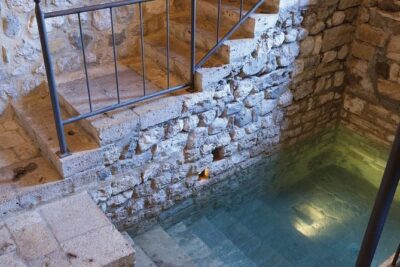
Then comes Coptic Cairo, where the stops include the Roman fortress and the Hanging Church (Al Mo’allaka church). You’ll also visit St. Sergio’s, connected to the holy family story, and then you’ll end the day with the Famous Jewish Synagogue of Ben Ezra.
This is a lot of cultural territory in one day. The upside for you is variety: you get architecture, religion, and history in different forms, with your guide acting as the bridge so you know why each stop exists.
The potential drawback is simple: it’s a full day with multiple sites, and the list is fixed. If you like wandering at your own pace, you’ll want to go with the flow and trust the guide’s rhythm.
The Egyptian Museum timing: seeing the Tutankhamen pieces
After the religious and historical sites of Old Cairo, the itinerary swings to downtown for the Egyptian Museum. You get about three hours there, with entrance fees not included.
Your ticket time here includes the chance to visit Tutankhamen tombs (or the associated exhibits). That’s the kind of museum anchor that makes a Cairo itinerary feel complete. Even if you’re not a die-hard museum person, the Tutankhamen material tends to be the “now I get why people care” moment.
Practical tip: three hours goes fast in a museum this size. You’ll get more out of it if you decide ahead of time which rooms matter most to you. Your guide can help point you in the right direction based on your interests, and that can save you from circling.





Karnak and Luxor Temple in one afternoon: scale you can feel
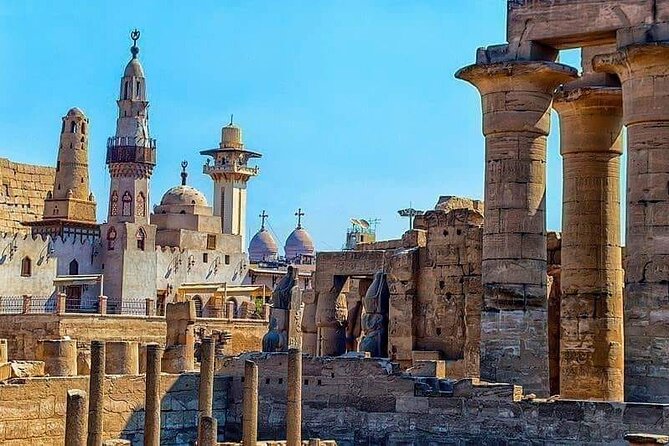
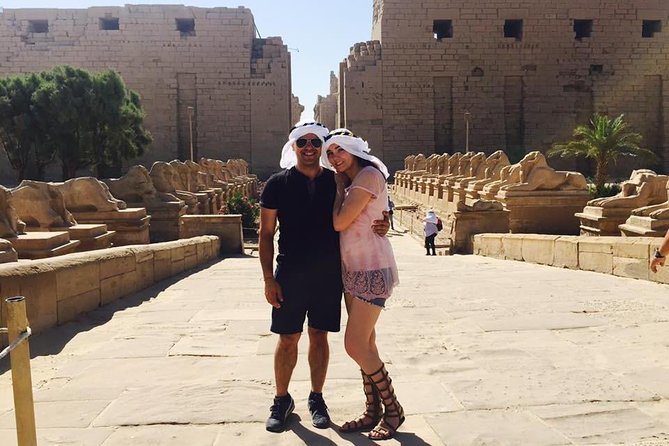
In Luxor, your tour starts with Karnak Temple. You’re given about two hours here, and the description focuses on the reasons Karnak is famous: the Hypostyle Hall and the Temple of Amun, with its giant papyrus-shaped columns.
This isn’t just “big ruins.” It’s a sense of scale and planning. When you see the columns and layout, you understand why Karnak feels like a living city of stone. If you want the temples to make sense rather than just impress you briefly, having a guide matters here.
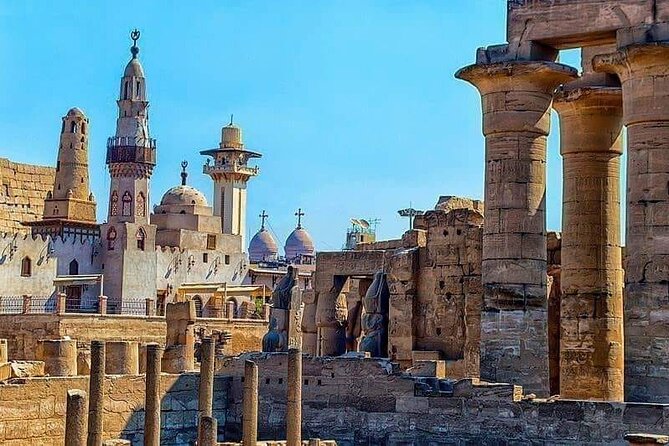
Then you move to Luxor Temple, built by multiple kings over time, with about 1.5 hours allocated. This temple works well after Karnak because it gives you another angle on sacred architecture—less “forest of columns,” more a different kind of monument focus.
Entrance fees apply here too, so keep that in mind when you think about total trip cost.
West Bank power trio: Valley of the Kings, Hatshepsut, and Colossi of Memnon
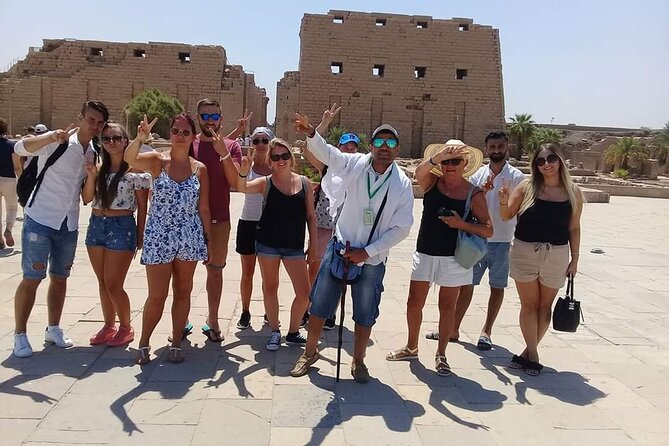
The West Bank day is where Luxor delivers its biggest emotional hits: tombs, funerary art, and rulers who wanted to be remembered forever.
You start with the Valley of the Kings, where you’re told it includes 66 tombs. You’ll have about 1.5 hours, which is enough to grasp how the valley became the royal burial zone and what makes this landscape different from other archaeological sites.
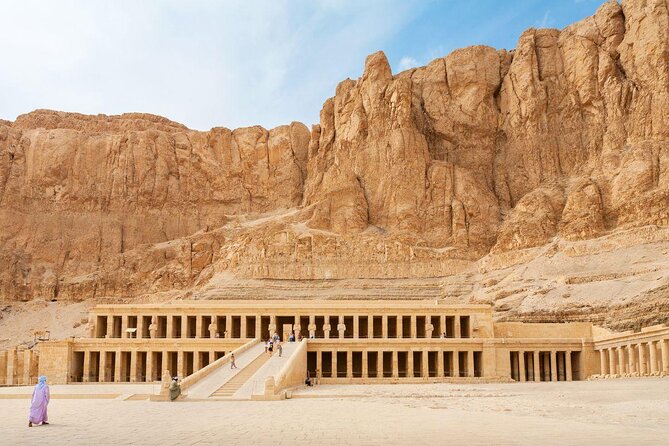
Next is the Temple of Hatshepsut at Deir el Bahari (about 1.5 hours). This stop is often the “this is why women rulers mattered” moment for many people, because the site is built to broadcast power through monumental design. Even if you don’t know the story yet, your guide should help you connect it to the broader timeline of Egypt’s leadership.
You end with the Colossi of Memnon (about 30 minutes). These statues provide a clean finish: you get one last dose of sheer stone scale before the tour swings into evening transfers back to the train.
The rhythm here is solid: start with many-tomb mystery, then shift to a structured temple complex, then end with iconic statues. It keeps your brain from burning out.
Where the money goes: why $399 can make sense (and when it won’t)
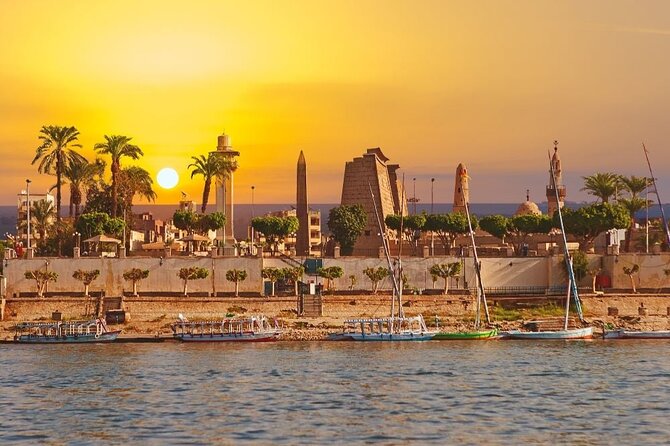
At $399 per person, the value depends on how you think about two things: guidance and transport.
This package includes:
- Airport and station pickups/transfers in Cairo and Luxor
- A guided two-day circuit including Giza pyramids + Sphinx and the Egyptian Museum
- Two nights in Giza (private room with breakfast)
- One night in Luxor in a 4-star hotel (breakfast included)
- First-class seated train tickets Cairo–Luxor–Cairo
- Guided time on both Luxor banks (east and west)
So even though entrance fees aren’t included, you’re paying for the hard parts: timing, logistics, and guide-led interpretation. For many visitors, that’s worth a lot. You’re not trying to stitch trains, hotels, and three different archaeology days into one smooth plan.
When it might not feel great: if you hate overnight train time, or if you’re hoping entrance fees are already covered. The itinerary also moves fairly efficiently, which means you’ll spend more time going from place to place than lingering.
The guides are a big deal here
One of the most praised aspects in the feedback is how strongly the guides connect with Egyptian history and keep things moving on schedule. Names that show up in the guide experiences include Talaat Abdo, Khaledom, Khaled Elsaady, Sam, Ayman, and Doja.
Across those mentions, the common thread is practical and human:
- prompt service (especially when things go off-plan)
- a clear, organized way of explaining history
- energy that makes the long days feel manageable
In one example, Sam helped work around luggage and missed flight connections and still found a way to get time for the pyramids and even fit in a camel ride. That kind of flexibility is exactly what you want when you’re traveling with real-world stress.
Tip for you: on travel days, keep your daypack close and travel documents easy to reach. When guides have to adjust because of timing, having everything ready helps you benefit from their problem-solving.
Trade-offs and “watch your step” moments
This tour is efficient, and efficiency has a cost: you’re not doing slow sightseeing.
Here are the practical considerations I’d plan around:
- Entrance fees add up. The itinerary clearly lists stops where tickets are not included. You’ll want to budget for those in advance so you don’t get surprised at checkout time for each site.
- Overnight seated trains can be uncomfortable. The tour offers a sleeper upgrade (extra $80 per person one way) and a VIP bus alternative, which can help if you care more about rest than savings.
- One guide day includes a lot of different faith sites. That can be fascinating, but it’s also a lot of different places in one block. Go in ready to be mentally flexible.
- Outdoor time matters. Giza and Saqqara are exposed. Bring sun protection and plan for walking.
None of this makes the trip “bad.” It just helps you match your expectations to the way the tour runs.
Who this tour fits best
This is a great fit if you want:
- a guided, structured approach to Cairo and Luxor
- a plan that mixes major monuments with context (Giza plus Saqqara plus Egyptian Museum)
- a practical way to travel between Cairo and Luxor without flights
- a small group experience (max 15)
It’s less ideal if you:
- hate overnight travel
- want lots of free time to wander without a set itinerary
- are counting on entrance fees being included
If you like “see a lot, learn a lot, then move on,” this one suits your style.
Should you book Kings of Ancient Egypt : 6 Days Cairo and Luxor Guided Tours & Overnight Train?
I’d recommend booking if you want a guided route that covers Cairo’s top sights and Luxor’s east and west banks, and you don’t mind overnight logistics to save daytime hours. The combination of expert-guided temple visits plus the Cairo–Luxor–Cairo train plan is the real reason the price can work.
I’d think twice if entrance tickets and overnight seated train comfort are deal-breakers. In that case, look closely at the sleeper upgrade option or consider adjusting your expectations for rest and pacing.
If you’re the kind of traveler who likes monuments with explanations and a clear plan that gets you from highlight to highlight, this tour is a strong bet.
FAQ
Is pickup included for Cairo airport and Luxor train stations?
Yes. The tour includes pick-ups and transfers in Cairo and Luxor train stations and airports, plus transfers to the Cairo airport at the end.
Are entrance fees included for the sites?
No. Entrance fees are not included. The itinerary notes admission tickets as not included on several stops.
How many days is the tour?
It runs for 6 days approximately.
What kind of train is used between Cairo and Luxor?
You use first-class seated train tickets for Cairo–Luxor–Cairo. The overnight seated train is part of the itinerary.
Can the overnight train be changed?
Yes. The train can be replaced by a VIP bus free of charge, or you can upgrade to a sleeper train for $80 extra per person in a twin cabin one way, with dinner and breakfast.
How many hotel nights are included in the price?
Two nights are included at a Giza hotel (private room with breakfast), and one night is included in a 4-star Luxor hotel (bed and breakfast).
Is this a small group tour?
Yes. The maximum group size is 15 travelers.
Does the tour include guided sightseeing?
Yes. There is an expert tour guide for the tours included in Cairo and Luxor.
Is mobile ticketing offered, and what’s the cancellation window?
A mobile ticket is included. The tour also offers free cancellation up to 24 hours in advance for a full refund.