REVIEW · DUBAI
Dubai: Walking, Architecture and History Tour of Dubai Opera
Book on GetYourGuide →Operated by Distributor: GetYourGuide Tours & Tickets GmbH · Bookable on GetYourGuide
Dubai Opera has that wow factor fast. A short walk turns into a behind-the-scenes lesson on how one of the UAE’s newest cultural icons was built to perform. I love the architecture nerd stuff—every corner has a reason.
The best part is the backstage access that most visitors never get. You’ll see dressing-room details like the mirrors, plus functional spaces like seat storage when the auditorium shifts modes. One thing to keep in mind: it’s a working building, so some areas can be restricted during events.
In This Review
- Key Points to Know Before You Go
- Dubai Opera’s Design Power: Why This Walk Works
- Meeting at Plaza Box Office: Start Right, See More
- Backstage Areas: The Real Dubai Opera Story
- What You’ll Likely Notice During Backstage Time
- The Trap Room and Auditorium Shifts: How Performance Space Really Works
- One practical consideration
- Sculptures, Artworks, and the Details You Miss on Photos
- Price and Value: What $27 Really Buys You
- Who feels this value most
- How the Tour Fits Your Day (and Your Energy)
- Language and Guide Style: English and Arabic That Helps
- A Balanced Reality Check: What Could Be Less Perfect?
- Who Should Book This Dubai Opera Tour
- Should You Book the Dubai Opera Walking, Architecture, and History Tour?
- FAQ
- How long is the Dubai Opera walking tour?
- Where do I meet the guide?
- How much does the tour cost?
- What languages are available?
- Is the tour wheelchair accessible?
- Does the tour involve stairs?
- Are children allowed?
- Can I get a refund if my plans change?
Key Points to Know Before You Go
- Backstage access on a 1-hour walk at a working venue (not a static photo stop)
- Trap room + seat-storage view for how staging changes when the auditorium shifts
- Dressing room mirrors and other design details you usually miss
- Exclusive on-site art and sculptures made for Dubai Opera’s spaces
- Richard (and other English/Arabic guides) bring stories to life with clear, friendly explanations
Dubai Opera’s Design Power: Why This Walk Works
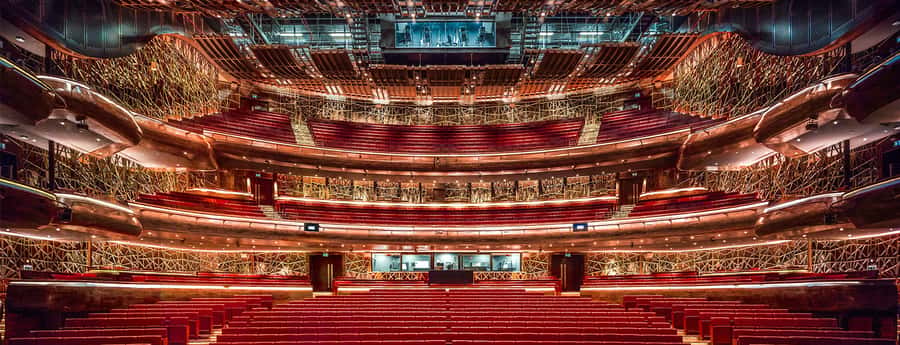
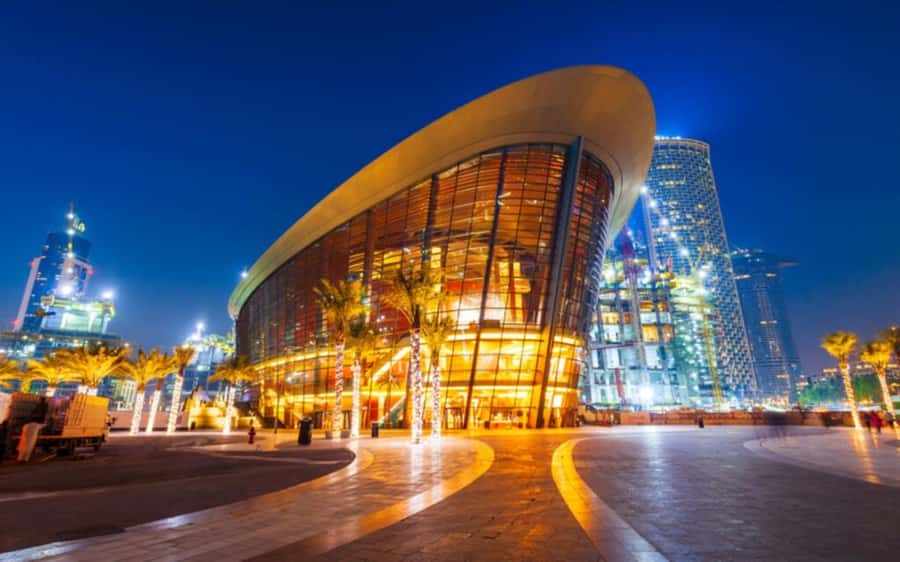
Dubai Opera is one of those places where your brain keeps asking how it’s possible. From the outside, it looks bold and intentional. From the inside, you start noticing how the venue is shaped for performance—movement, sightlines, and the choreography of backstage work.
That’s why this tour is a smart match for Dubai. You don’t need hours to get the point. In about one hour, you’ll get the human-scale version of what you see in glossy architecture photos. You’ll also learn the stories behind what you’re looking at, instead of guessing.
And yes, the venue has been drawing major attention since it opened in 2016. It’s the only opera house in the UAE, so it’s not just a building. It’s a magnet for music, theatre, and big-name performing arts events.
You can also read our reviews of more tours and experiences in Dubai.



Meeting at Plaza Box Office: Start Right, See More

You meet your guide at the Plaza Box Office. That matters because it gets you into the venue flow quickly and helps you avoid wandering around while you figure out where the tour starts.
From that first minute, the tour is about direction. Your guide sets expectations, points out what to notice, and then leads you through the venue with stops that make the design make sense. The route includes walking, standing, and stairs, so pace yourself at the beginning if you’re not used to that.
If you arrive a bit early, there’s a good chance you can still get on an earlier slot. I like that the guides have shown flexibility—like the experience with Richard, who was able to accommodate someone by moving them onto an earlier tour when they reached the area before their scheduled time.
Backstage Areas: The Real Dubai Opera Story
The heart of the experience is the backstage portion. You’re not just looking at seats and stage from the public side. You go into the spaces that explain how the show gets made.
Expect to move through areas that feel more like a working theatre than a tourist attraction. That’s where the tour earns its value. You start connecting the big design choices to real operations: how performers get ready, how the venue supports production changes, and how the building is staged for different formats.
One of the most memorable details is the mirrors in the dressing rooms. They’re not just decoration. They show how the venue supports preparation and performance flow—small design choices that matter once you’re inside that world.
Also, your guide shares stories around the venue’s design process and history. This is where a good guide makes the difference. In the experiences I’m drawing from, the explanations were friendly and entertaining, with guides using videos and clear walkthroughs of how systems work behind the scenes. That keeps it from turning into a lecture.
What You’ll Likely Notice During Backstage Time
You’ll likely spend time looking at:
- dressing-room visuals and staging prep cues
- restricted-in-public spaces that still feel designed for comfort and function
- architectural details that only make sense once you’re in the right spot
The takeaway is practical: you’ll understand the building as a tool for performance, not just a landmark.
The Trap Room and Auditorium Shifts: How Performance Space Really Works
This is the part you’ll remember later when you watch a show.
The tour includes access to the trap room—described as a hidden area that’s rarely seen by visitors. Even if you’re not a theatre expert, it’s the kind of stop that instantly changes how you see the stage. It answers the quiet question you’ve been holding: what’s happening under the floor?
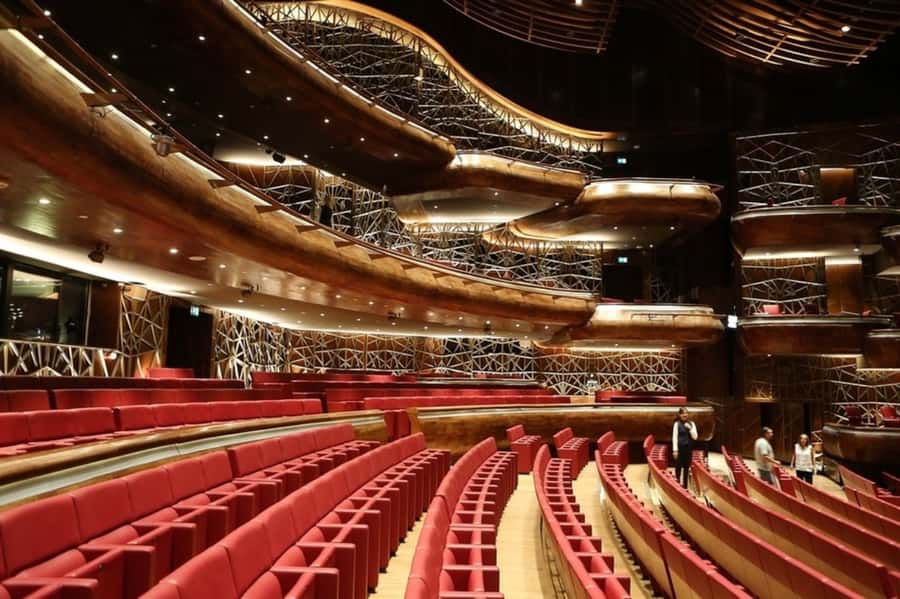
Then there’s a second “how does it work?” moment. The tour gives you a chance to see the seat storage area when the auditorium transforms into flat floor mode. This is important. It’s one thing to hear that an opera house is flexible. It’s another to understand how the space physically changes to support different staging needs.
I like tours that explain function, because it makes the architecture feel real. Dubai Opera isn’t just designed to look dramatic. It’s designed to shift.






One practical consideration
Because Dubai Opera is a working venue, some areas can occasionally be closed or restricted due to events. If a specific space isn’t accessible on your day, the guide will still work with what’s available. But if trap-room access is your top priority, keep a little flexibility in your expectations.
Sculptures, Artworks, and the Details You Miss on Photos
Not everything in this tour is backstage machinery. There’s also a design-and-art layer that makes Dubai Opera feel like it belongs to the city, not just inside it.
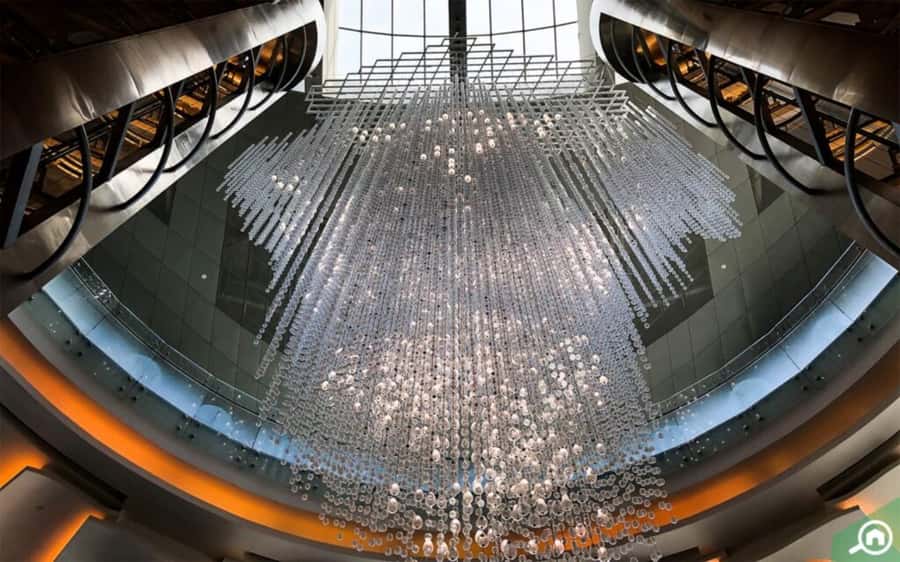
You’ll admire beautiful sculptures and artworks created exclusively for Dubai Opera. That’s a key point for me: the venue doesn’t feel like it was “decorated” after the fact. The art ties into the spaces, so it feels built into the experience.
And because you’re walking through different areas, you catch details in sequence instead of in random glimpses. That’s when architecture stops being abstract. You notice materials, shapes, and how visual elements guide your attention toward performance spaces.
If you enjoy art that’s site-specific—work made for one particular room—you’ll probably feel extra satisfied here. The tour helps you slow down just enough to see what’s easy to overlook.
Price and Value: What $27 Really Buys You
At $27 per person for a one-hour guided tour, this sits in the “small cost, high payoff” category—if you care about what happens behind the scenes.
Here’s how I judge value for tours like this:
- Does it give access you can’t easily get on your own?
- Does the guide add meaning to what you’re seeing?
- Do you leave with clear understanding, not just photos?
This one hits those points. Backstage access is the obvious value anchor: dressing rooms, the trap room, and seat storage aren’t typical walk-in experiences. Then the guide’s explanations—including process walkthroughs using videos—turn what could be a quick look into a real story.
Also, it’s short. You’re not committing half a day. In Dubai, that matters, because your time budget often gets eaten by lines, heat, and logistics. A focused hour can feel like a win.
Who feels this value most
You’ll probably feel the $27 is fair to excellent if you:
- like architecture and theatre mechanics
- want a venue that feels “inside” the building, not outside it
- want a guide who brings stories in a friendly way
How the Tour Fits Your Day (and Your Energy)
This is a walking tour with stairs. It’s not a long hike, but it does require standing and moving through different areas. If you’re managing mobility limits, you should plan ahead.
Wheelchair accessible is listed, but the tour still involves walking, standing, and stairs. That means the important move is simple: contact the activity provider prior to attending if you have mobility needs, so you can get guidance on how access will work on your specific day.
Also, keep an eye on your comfort with interior movement. Opera-house spaces are often designed around backstage flow, which can mean uneven transitions between areas. The guide will manage the route, but it’s smart to wear shoes that can handle indoor steps and quick pauses.
Language and Guide Style: English and Arabic That Helps
The tour runs with a live guide in English and Arabic. In a place like Dubai, that language clarity matters because you want to catch the details about design, history, and how spaces function.
One of the reasons people rate this tour extremely high is the guide tone: friendly, entertaining, and attentive. In the experiences shared, Richard in particular showed up as an engaging presence—especially for visitors who wanted extra focus because their English wasn’t perfect. If that’s you, consider it a good sign: the tour format can work well when the guide can slow down and keep the pace comfortable.
A Balanced Reality Check: What Could Be Less Perfect?
Here’s the honest consideration. It’s a working building, so access can vary. If you show up on a day with restrictions, you might not see every exact space in the same way. That’s true for many high-profile venues, and Dubai Opera is still active with performances and behind-the-scenes operations.
Also, since it’s an hour, you won’t get a slow, museum-style stroll. This is instruction + access + key highlights. If you prefer lingering in one room for twenty minutes, you might want a longer independent visit later.
That said, the tour is built to cover the standout moments efficiently: backstage areas, dressing rooms, the trap room, and seat storage linked to auditorium mode changes.
Who Should Book This Dubai Opera Tour
I’d point you here if you’re curious about any of the following:
- architecture that affects how people move and perform
- theatre technology and stage mechanics
- art installations designed specifically for a venue
- a short, high-impact cultural stop in Dubai
You might skip it if:
- you strongly dislike walking and stairs
- you want a purely exterior photo tour
- you’re hoping for a long-form, hour-by-hour history lecture (this is more practical than academic)
Overall, it’s the kind of experience that makes Dubai feel more human. One tour can connect the futuristic skyline with the real work of performance spaces.
Should You Book the Dubai Opera Walking, Architecture, and History Tour?
Yes, if you want backstage access without spending a whole day. This tour is short enough to fit almost any itinerary, and it targets the parts of Dubai Opera that most people never see: dressing-room mirrors, the trap room, and seat storage during flat floor mode.
If you’re the type who likes to understand how a place works, not just how it looks, you’ll likely feel satisfied fast. If mobility is a concern, contact the provider ahead of time so the route works for you.
If you’re in Dubai and you care even a little about architecture or theatre, I think it’s a solid booking. It turns Dubai Opera from a headline into a working story.
FAQ
How long is the Dubai Opera walking tour?
The tour lasts 1 hour.
Where do I meet the guide?
Meet your guide at the Plaza Box Office.
How much does the tour cost?
The price is $27 per person.
What languages are available?
The live tour guide is available in English and Arabic.
Is the tour wheelchair accessible?
Dubai Opera is listed as wheelchair accessible, but the tour also involves walking, standing, and stairs, so it’s best to contact the activity provider for support if you have mobility restrictions.
Does the tour involve stairs?
Yes. The tour involves walking, standing, and stairs.
Are children allowed?
Children under 16 must be accompanied by an adult.
Can I get a refund if my plans change?
Free cancellation is available: cancel up to 3 days in advance for a full refund.