REVIEW · DUBROVNIK
Dubrovnik walking history tour
Book on Viator →Operated by INtours Dubrovnik · Bookable on Viator
Time travel fits in 90 minutes. This guided walk through Dubrovnik’s Republic-era sights connects the dots between Sponza Palace power and the city’s water system at Onofrio’s Fountain.
I love the way the route points you at the big visual landmarks first, especially Orlando’s Column and the Rector’s Palace. I also like that you get a practical, follow-the-story pace through the Old Town so the monuments make sense, not just look pretty.
One thing to consider: tickets for the city walls are not included (they’re listed separately at 35 € per person). If that’s a must-do for you, plan on adding that cost.
In This Review
- Key highlights you’ll actually notice
- A 90-Minute Old Town Sprint From Pile Gate
- Sponza Palace: A Civil-Administration Lesson You Can See
- Old Town Walking: Franciscan Monastery and a Freedom Monument
- Onofrio’s Fountain and the 12 km Aqueduct Story
- Rector’s Palace: Power, Pageantry, and How the Republic Operated
- Cathedral of the Assumption: Rebuilding After 1667
- Tickets, City Walls, and Real Value for Your Time
- Who This Walking History Tour Fits Best
- Guides and What the Best Sessions Feel Like
- Should You Book This Dubrovnik Walking History Tour?
- FAQ
- Where is the meeting point for the Dubrovnik walking history tour?
- How long is the tour?
- Is the tour offered in English?
- Do I need to buy city walls tickets separately?
- Is there a mobile ticket?
- What sights are included in the walk?
- What’s the group size limit?
- When will I get confirmation after booking?
- Is free cancellation available?
Key highlights you’ll actually notice
- Sponza Palace as a starting point for understanding how Dubrovnik ran its world
- Onofrio’s Fountain and the 12 km aqueduct story tied to everyday life in the 1400s
- Orlando’s Column and what it symbolizes about the city’s freedom
- Cathedral of the Assumption and the shock-rebuild era after the 1667 earthquake
- Licensed guide and small group size (max 30) for a smoother walk
- English-speaking tour with a mobile ticket, easy to use on the day
A 90-Minute Old Town Sprint From Pile Gate
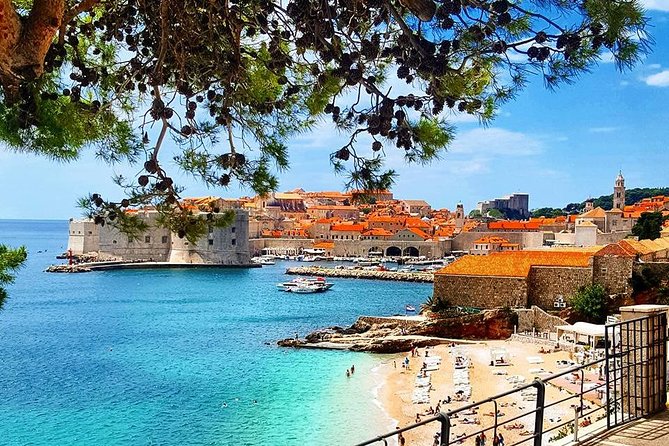
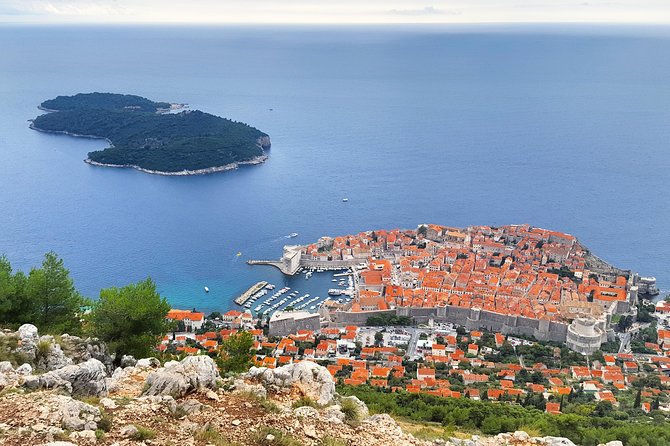
If you only have a short window in Dubrovnik, this tour is the sort of plan that helps you get oriented fast. You meet at Pile Gate, then walk through the Old Town core and hit several of the places you’ll keep seeing later as you explore on your own.
What makes it work is the structure: the tour isn’t just a checklist of stone buildings. It ties what you’re looking at to why Dubrovnik mattered, from governance to daily survival. That connection is the real value, because it turns “wow” into “I get it.”
Also, you’re not alone in this. The group is capped at 30 people, and you’ll have a licensed guide leading the way. In a place like Old Town, that matters. Too many self-guided hours can turn into you wandering past the important parts without knowing what you’re seeing.
Practical note: this is an active walk. Dubrovnik’s streets are made for feet, not strollers or long pauses. Wear comfortable shoes and be ready for stops along the way.
You can also read our reviews of more tours and experiences in Dubrovnik.

Sponza Palace: A Civil-Administration Lesson You Can See
The tour’s first big stop is Sponza Palace—and it’s a smart choice because it sets the tone for the whole walk. The palace area is tied to how Dubrovnik functioned as a Republic, so your guide can frame what you’re about to see: not random landmarks, but institutions.
When you’re standing there, look past the postcard angles. Ask yourself what a building like this would have been used for day to day—trade administration, civic business, official life. That’s where a good guide makes the difference: you start recognizing the roles these spaces played.
A nice bonus is that Sponza Palace is easy to understand visually. Even if you know nothing about Dubrovnik’s government structure, you’ll quickly grasp that this town was built to run smoothly and impress visitors.
If you love architecture and public spaces, this stop gives you a strong “first chapter.”
Old Town Walking: Franciscan Monastery and a Freedom Monument
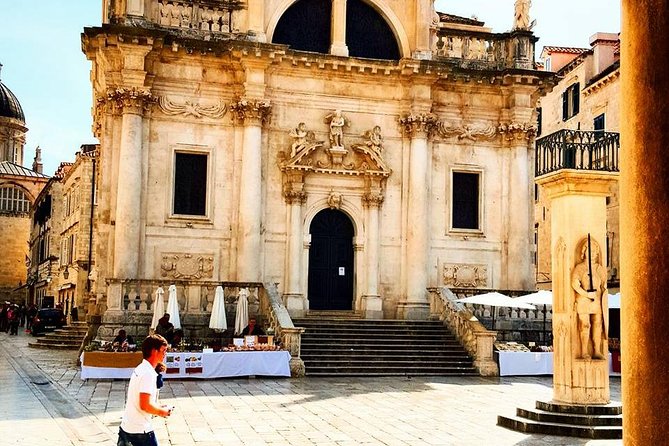
After Sponza, the walk continues through the Old Town, including the Franciscan Monastery area and Orlando’s Column. These two stops play different roles in the story, and that’s why they’re both worth your attention.
At the monastery, you’re dealing with religion and community presence. A monastery isn’t only a spiritual site—it’s part of how people lived, studied, and organized themselves over centuries. Your guide should help you see it as part of the city’s social framework.
Then comes Orlando’s Column, a monument connected to the city’s freedom. It’s the kind of place where, without context, you might just clock it as another stone statue. With the right explanation, it becomes a symbol: Dubrovnik insisting on its identity and authority.
This is one of those parts where the tour can feel like a timeline you can walk through. You’re moving physically through the space, and the meanings shift as your guide explains what each site represented.
Tip for you: keep an eye on how your guide points out details you’d otherwise miss—inscriptions, placement, and what was happening around the monument. That’s where the tour earns its price.
Onofrio’s Fountain and the 12 km Aqueduct Story
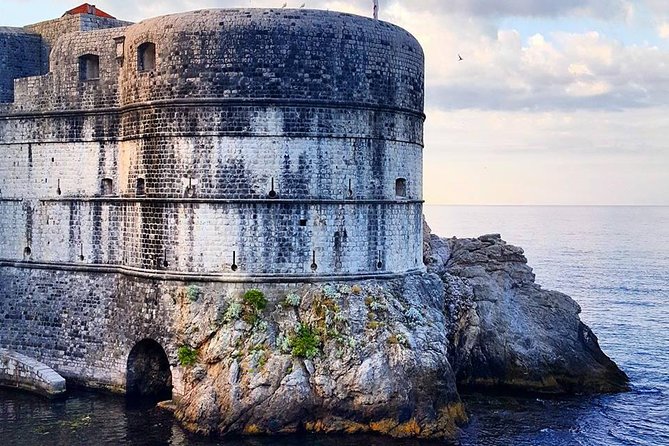
One of the most practical moments on the route is the stop at Onofrio’s Fountain. You’ll get a break to refresh and drink water there, and it’s not just for convenience. The fountain is tied to a bigger achievement: the end point of a 12 km aqueduct built to supply water to the city.
This is Dubrovnik doing practical engineering with civic pride. When your guide explains the aqueduct connection, you start seeing why water access was central to a fortified city. A wall is only as good as what’s inside it, and water is one of the biggest constraints.
The fountain also gives you a nice pause in the walk—use it. Heat and sun can be real in Dubrovnik, and a 90-minute walk can feel longer if you skip water. This tour builds that hydration moment into the experience, so you’re not improvising on the fly.
If you’re the type who likes history that affects daily life, this stop will click. It’s not abstract; it’s something people relied on.
Rector’s Palace: Power, Pageantry, and How the Republic Operated
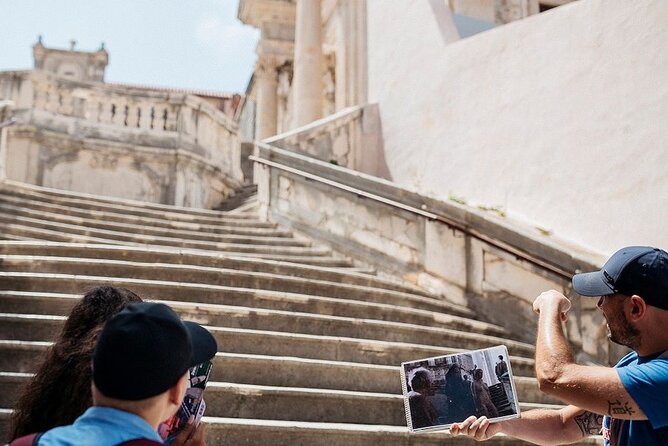
Next up, you’ll visit the Rector’s Palace. In a city like Dubrovnik, the “who ran the place” question is always in the background. This is where that question becomes visible.
Rector’s Palace is about civic authority. It’s the kind of building that signals leadership, decision-making, and the public face of the Republic. A strong guide can connect it to how the city governed itself and how official spaces reflected that power.
One reason I like this stop within a walking tour: you see the palace area as part of a circuit of important sites. If you tried to visit it alone without context, you’d probably still appreciate the architecture—but it would take longer to understand what it meant.
With the tour pacing, it lands in the right spot: after you’ve already learned about freedom (Orlando’s Column) and daily functioning (Onofrio’s Fountain). By the time you reach the palace, you’re ready to connect infrastructure and authority.

Cathedral of the Assumption: Rebuilding After 1667
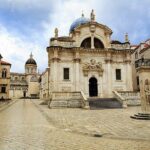
A key stop on the route is the Cathedral of the Assumption, a Baroque church built after the devastating earthquake of 1667. This is one of the most moving ideas in Dubrovnik’s monument story: survival, then rebuilding, then shaping a new identity.
Earthquakes aren’t just one-off disasters; they change cities. When your guide explains the connection to 1667, you’ll likely start noticing Baroque style as more than decoration—it becomes the city’s answer to what was lost.
If you care about how historical events physically reshape what you see today, this is a stop you should take slowly. Even a quick look can feel more meaningful when you know the timeline behind it.
It’s also a reminder that Dubrovnik’s “oldness” isn’t static. The city was repeatedly transformed, and the monuments reflect those chapters.
Tickets, City Walls, and Real Value for Your Time
The tour price is $33.61 per person for about 1 hour 30 minutes, with a mobile ticket and English guidance. That’s a fair rate for a guided walk through multiple major sites, especially when you factor in a licensed guide and a group size limit of 30.
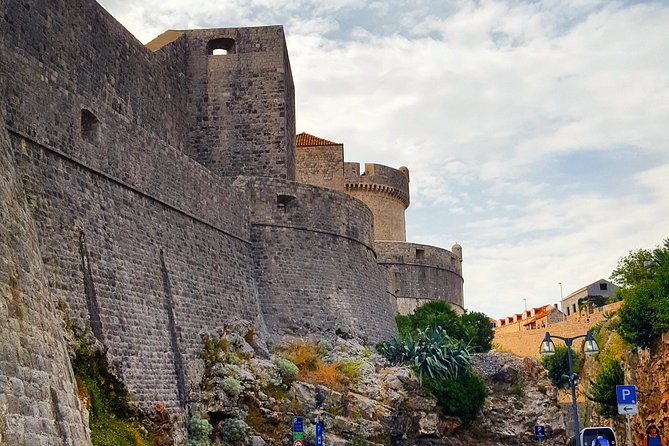
Here’s the catch you need to plan for: city wall tickets are not included. The additional cost is listed at 35 € per person. If you’re expecting the tour to include the wall walk, you’ll be disappointed. If, however, you want a guided overview of Old Town monuments and then decide later about the walls, this structure makes sense.
Think of it like this: you’re paying for interpretation and order, not for entry fees to the walls. That can be better value if you’re on a tighter schedule or you want to spend your money on the specific things you care about most.
Also, the tour gets booked early—on average about 48 days in advance. If your dates are fixed, book sooner rather than later so you’re not scrambling for another guide once you’re in town.
Finally, the tour ends back at the meeting point, Pile Gate / the same starting area, which is convenient. You can fold it into the rest of your day without weird routing.
Who This Walking History Tour Fits Best
This tour is a great fit if you:
- want a guided path through several top Old Town landmarks in a short window
- prefer stories that explain meaning, not just dates
- like getting practical context (like the aqueduct and water supply) alongside the big monuments
It’s also a solid choice if you’ve had your fill of museum-style learning and want something outdoors, with constant visual proof as you walk.
It may be less ideal if you:
- want the full city-walls experience right away (since wall tickets cost extra)
- dislike walking in sun and heat (the route is outdoors, and Dubrovnik weather can be unforgiving)
One more note: the tour is listed as suitable for most travelers, and service animals are allowed. It’s also near public transportation, so it’s easier to connect with other parts of your schedule.
Guides and What the Best Sessions Feel Like
This tour is led by a licensed guide, and that’s more than a label. The guidance style makes the difference between memorizing facts and actually understanding the city.
From the guide names that have come up in past sessions, Ines has been praised for balancing history with local knowledge and keeping the pace comfortable. Ynez also appears in the mix, with strong notes about clear English and an engaging approach. That pattern matters: you want someone who can connect the buildings to human decisions and everyday realities.
If you get a guide who enjoys turning stones into stories, you’ll feel it within the first stop. The best outcome is that the Old Town stops looking like a maze and starts looking like a map of how Dubrovnik worked.
Should You Book This Dubrovnik Walking History Tour?
Yes, if you want a compact, guided orientation through Dubrovnik’s Republic-era highlights, and you’re happy to handle the city walls as a separate add-on. The price is reasonable for the number of major sites covered, and the tour’s strongest value is the way it explains what you’re looking at—especially the fountain aqueduct angle and the symbolism around Orlando’s Column.
Hold off or choose another format if the city walls are your top priority. Since wall tickets aren’t included and cost 35 € per person, you’ll need to budget and plan that separately.
For most people doing Dubrovnik for the first time, this is a smart way to start. You’ll walk away with context that makes the rest of your self-guided wandering far more satisfying.
FAQ
Where is the meeting point for the Dubrovnik walking history tour?
The tour meets at Art Go’den, Brsalje ul. 1, 20000 Dubrovnik, Croatia.
How long is the tour?
It lasts about 1 hour 30 minutes.
Is the tour offered in English?
Yes, it’s offered in English.
Do I need to buy city walls tickets separately?
Yes. Tickets for the city walls are not included and are listed at 35 € per person.
Is there a mobile ticket?
Yes, the tour uses a mobile ticket.
What sights are included in the walk?
You’ll cover major Old Town landmarks including Sponza Palace, Rector’s Palace, Franciscan Monastery, Orlando’s Column, Onofrio’s Fountain, and the Cathedral of the Assumption.
What’s the group size limit?
The tour has a maximum of 30 travelers.
When will I get confirmation after booking?
Confirmation will be received at the time of booking.
Is free cancellation available?
Yes. You can cancel for a full refund up to 24 hours in advance of the experience start time.