REVIEW · THESSALONIKI
Experience Ancient Greece: A Musical Journey
Book on Viator →Operated by Seikilo · Bookable on Viator
Ancient Greek instruments feel real when you touch them. I like the way guide Théodore brings mythology to life through music, and I also love the hands-on instrument time where you can see, hear, and even try instruments like the lyre of Hermes or the barbiton of Sappho. The main consideration: this experience requires good weather, so if conditions are poor you may need to switch dates or get a refund.
In This Review
- What makes this tour worth your $18
- Key highlights to look for
- Ancient music in Thessaloniki: what you’re really buying
- Hands-on Greek instruments: the best part (and why)
- Inside the SEIKILO museum: private access and what you’ll do there
- Live lyricist performance: myth names with musical meaning
- Tailored to your music knowledge: how to make it work for you
- Price and timing: value in a 1-hour format
- Where you meet: Filippou 5 and how to plan your arrival
- Good weather matters: what to do if conditions change
- Who should book this tour (and who might not)
- Should you book Experience Ancient Greece?
- FAQ
- What is the tour duration?
- Where does the experience start?
- What time does the tour run?
- Is the tour private?
- What language is the tour offered in?
- What can I do during the tour?
- Who performs live during the experience?
- What if I need to cancel or the weather is bad?
What makes this tour worth your $18
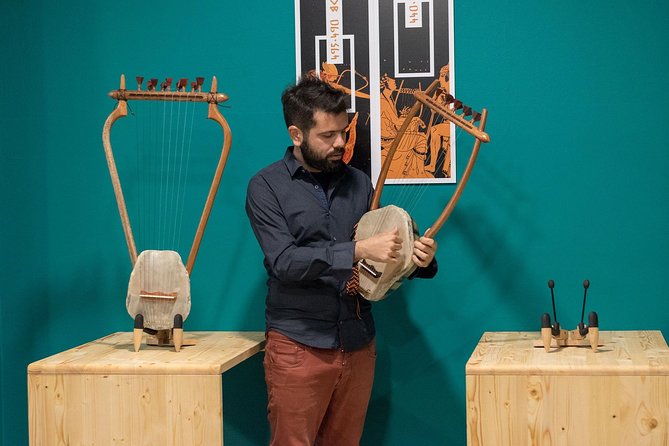
You’re not paying just for a museum stop. You’re paying for a private session that includes access to the SEIKILO museum’s ancient music world plus a live performance by a professional lyricist, all in English. If you’re expecting a long, multi-site tour, the time is short (about 1 hour), so plan to treat this as a focused hit of music and myth rather than an all-day deep day.
Key highlights to look for
- More than a dozen ancient instruments you can see, hear, hold, and in many cases play
- Private access to the SEIKILO Museum of Ancient Music during your scheduled time
- Live lyricist performance paired with mythology and philosophy name-checks
- Instrument range tied to famous figures like Hermes, Sappho, Homer, and Dionysus
- Tailored pace for your music level, from beginner to professional
- Private format so your questions actually get time
You can also read our reviews of more tours and experiences in Thessaloniki.



Ancient music in Thessaloniki: what you’re really buying
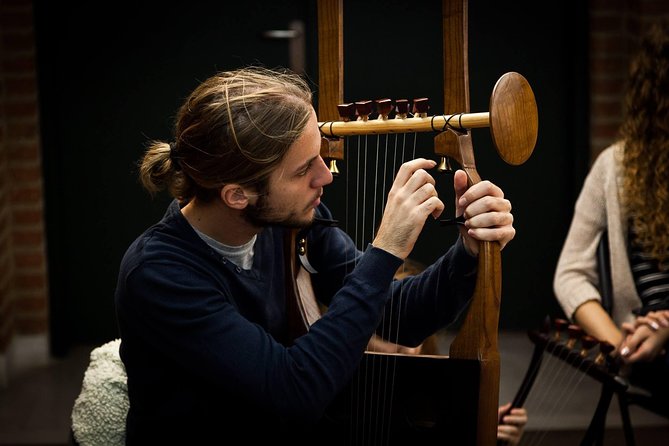
This is a small, music-first experience in Thessaloniki, priced at $18 per person for about 1 hour (approx.). The value comes from stacking several things that are usually separate: museum access, live performance, and hands-on interaction with real ancient instruments. Instead of just listening from a distance, you get a chance to participate, even if your music background is basic.
One more practical note: the tour is typically booked about 22 days in advance, so if your schedule is fixed, it’s smart to lock it in early rather than hope a slot appears later.
And since it’s a private tour, only your group participates. That matters here because the whole point is interactive. If you have questions about mythology, scales, instrument shapes, or the difference between instruments, private time gives you a better shot at getting straight answers.
Hands-on Greek instruments: the best part (and why)
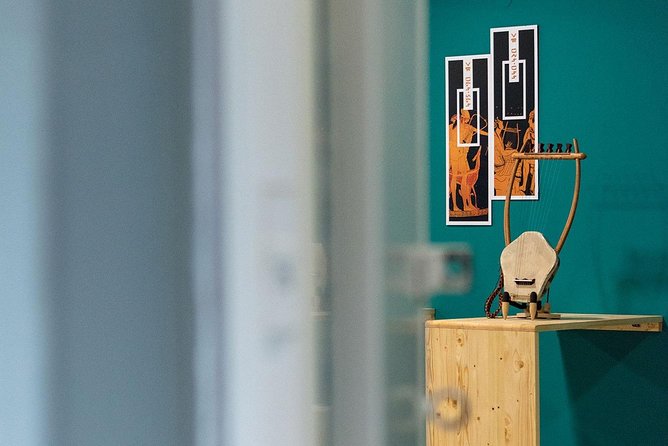
The heart of this experience is the instrument section. You’re guided through more than a dozen ancient instruments, including specific named instruments tied to Greek mythology and major cultural figures. Expect to hear about and interact with instruments like:
- the lyre of Hermes
- the barbiton of Sappho
- the pandura
- the cithara of the Golden Age
- the phorminx of Homer
- the tympanon of Dionysus
If you like music, this is the section that makes the whole thing worth it. Seeing an instrument behind glass is one thing; picking it up and trying to make sound is another. Even if you only manage a small, imperfect note, you’ll leave with a better sense of how these instruments might have been played and why different ones feel different in your hands.
I also like that the tour is designed so you can participate at your comfort level. You’re not being forced into a solo performance. The wording emphasizes see, hear, hold, or even play depending on what fits the moment and your abilities.
And based on the top feedback, the instruments themselves are made carefully. In one of the strongest reviews, the handmade instruments were described as beautifully made and beautifully played. That kind of craftsmanship matters, because it makes the hands-on part actually enjoyable instead of awkward.
Inside the SEIKILO museum: private access and what you’ll do there
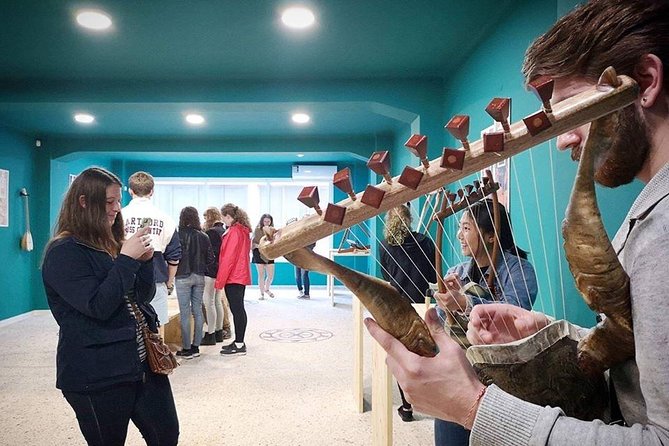
The tour’s main stop is the SEIKILO Museum of Ancient Music. This isn’t a quick “walk past a room” situation. You’re granted private access, which usually means you’re not sharing the same pace with a large crowd. In practical terms, that gives you room to ask questions and spend a little extra time with the instruments that catch your interest.
Because the museum focus is ancient music, the museum setting makes the myth explanations feel less like random trivia and more like context for what you’re seeing. You’re learning about instruments, then you’re handling them, then you’re hearing live performance—so the ideas stick.
One possible drawback to plan for: your time is limited to about an hour. That’s great if you want something focused and efficient, but it does mean you’ll have to choose where you want to spend extra attention—especially if you’re the type who reads everything slowly. If you love details, ask your guide early what instruments are best to prioritize for your interests.
Live lyricist performance: myth names with musical meaning
A professional lyricist performs live for you during the experience. This is important because it turns “ancient instruments” from an academic topic into something you can actually hear as music, not just artifacts.
You’ll also get myth and culture explanations tied to big names, including Hermes, Apollo, Zeus, and Plato. Those names show up again and again in Greek thought, but here they’re connected to sound, performance, and storytelling rather than just dates and monuments.
In other words, you’re getting a narrative thread. You learn why certain myths matter to music and why particular figures are linked to musical traditions and instruments. Even if you’re not a die-hard mythology fan, the live performance gives you a human anchor for what you’re learning.
If you’re the kind of traveler who likes practical takeaways, here’s what to do during the lyricist part: listen once without worrying about the details, then ask a follow-up question about one instrument or one myth figure that stood out. The private format makes that kind of timing realistic.


Tailored to your music knowledge: how to make it work for you
The tour is explicitly tailored to your level of knowledge. You can show up as an amateur—or even as a professional musician—and Theodore adjusts the pacing and approach. That’s a big deal because hands-on experiences can go two ways: either they’re too basic, or they move faster than you can follow.
So here’s how I’d maximize your experience:
- Mention your level when you book (or at the start) so the guide can aim the session correctly.
- If you play an instrument, bring up what you’re comparing—tone, string behavior, rhythm feel—because your questions will likely shape the discussion.
- If you’re brand new to ancient music, focus on learning how the instruments are meant to be played rather than trying to “perform.”
What you get from this flexibility is a session that feels personal. A private tour doesn’t automatically mean it’s tailored, but the structure here is built for it.
Price and timing: value in a 1-hour format
At $18 per person, you’re paying less for the total length than for the combination of things you receive: private museum access, hands-on instruments, and live performance by a professional lyricist, all with an English-language guide.
A lot of tours in Europe either focus on storytelling or focus on a site. This one focuses on sound and participation. That makes it a strong value if you want something different from the typical museum checklist.
The timing is also clear: start time 10:30 am. The tour ends back at the meeting point. The experience lasts about 1 hour (approx.), which makes it easy to fit into a morning plan in Thessaloniki—especially if you want a break between longer sightseeing blocks.
Also, you’ll have a mobile ticket. That small detail helps because you don’t need to juggle paper confirmations. You also have an easy logistics advantage: the start point is near public transportation.
Where you meet: Filippou 5 and how to plan your arrival
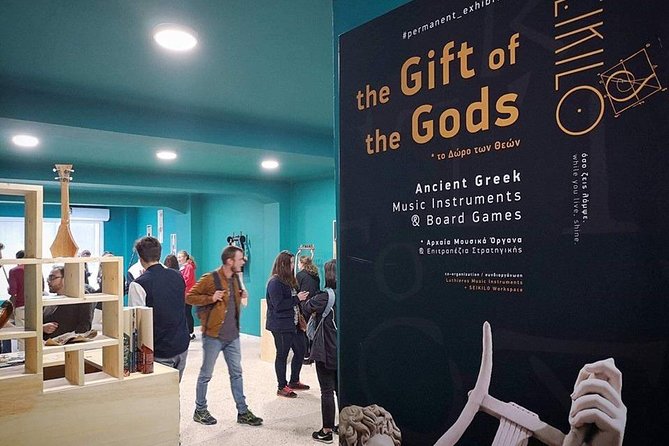
You meet at Filippou 5, Thessaloniki 546 30, Greece. The tour ends back at that same meeting point, so you don’t need a complex route map for the return.
Since it’s near public transportation, you can keep your day flexible. But for a hands-on, museum-based experience, arrive a little early anyway—mainly so you can settle in, ask any last questions, and avoid starting the hour with stress.
One more small planning point: service animals are allowed, and most travelers can participate. If you have any specific comfort concerns (standing time, handling instruments, etc.), it’s reasonable to ask about adjustments at the start since the tour is designed to match different levels.
Good weather matters: what to do if conditions change
The experience requires good weather. That matters because it means the schedule isn’t purely indoor and guaranteed no matter what the day looks like. The good news is that the plan includes backup options: if the tour is canceled due to poor weather, you’ll be offered a different date or a full refund.
So if you’re traveling in a season with changeable conditions, I’d treat your other plans around this as “semi-flexible.” You’ll feel better if you don’t stack two time-sensitive commitments immediately next to it.
Who should book this tour (and who might not)
This is best for you if:
- you want a hands-on experience, not just a lecture
- you like ancient Greek mythology but want it connected to something you can hear and try
- you enjoy music and want a practical sense of ancient instruments
- you want a private format where your questions can shape the pace
It’s especially appealing if you’re curious about how multiple myth figures relate to different instruments, from Hermes to Dionysus, and you want a live performance to tie it together.
It might be less satisfying if you’re seeking a long, multi-stop sightseeing day. The format is short on purpose, and the focus is concentrated in one museum visit.
Should you book Experience Ancient Greece?
If you’re torn, I’d make the decision based on one question: do you want to do something with your hands and ears? If yes, book it. The combination of private access, a live lyricist, and the chance to handle and play instruments makes it feel like a real experience, not just a museum ticket.
And with 100% recommendation in the available feedback and a perfect score, it’s the kind of tour that consistently lands well with people who expected more than passive sightseeing. Add in the fact that the session is tailored to your level, and you get a rare setup where beginners and experienced musicians can both find their footing.
FAQ
What is the tour duration?
It’s about 1 hour (approx.).
Where does the experience start?
You start at Filippou 5, Thessaloniki 546 30, Greece, and the tour ends back at the meeting point.
What time does the tour run?
The start time listed is 10:30 am.
Is the tour private?
Yes. It’s a private tour/activity, meaning only your group participates.
What language is the tour offered in?
It’s offered in English.
What can I do during the tour?
You can expect to be able to see, hear, hold, and possibly play more than a dozen ancient instruments.
Who performs live during the experience?
A professional lyricist performs live for you.
What if I need to cancel or the weather is bad?
You can cancel for a full refund up to 24 hours in advance. The experience requires good weather; if it’s canceled due to poor weather, you’ll be offered a different date or a full refund.