REVIEW · KATHMANDU
UNESCO World Heritage Sightseeing Tour in Kathmandu – 5 Days
Book on Viator →Operated by Best Heritage Tours · Bookable on Viator
UNESCO sites in Kathmandu, with mountain sunrise. This 5-day Kathmandu UNESCO World Heritage tour links together seven UNESCO World Heritage Sites in the Kathmandu Valley, then tops it off with the Nagarkot views people travel for. You’ll move by private car, with a guide who helps you read what you’re seeing instead of just ticking boxes.
What I really like is the start-to-finish sense of ease: airport pickup with a sign and floral garland, plus round-trip transfers so you’re not figuring out logistics on day one. I also like how the schedule mixes major monuments with spiritual details, from Kumari Ghar to the big temple complex at Pashupatinath—so the day feels like a story, not a bus route.
One consideration: you’ll do a fair bit of driving and there’s real walking, including the climb up to Swayambhunath where you reach the stupa via 365 steps. If your legs hate stairs or your patience for road time is short, plan your pace.
In This Review
- Key Highlights You’ll Care About
- How the Tour Starts: airport pickup plus real-world comfort
- Kathmandu Durbar Square and Kumari Ghar: where Kathmandu’s beliefs live
- Pashupatinath Temple: the 500-temple complex and why it’s such a focal point
- Stupa loop logic: Boudhanath and Swayambhunath’s prayer-world details
- Patan Durbar Square, Krishna Mandir, and the switch to Dakshinkali
- Nagarkot at 2,100 meters: the sunrise gamble that usually pays off
- Changu Narayan and Bhaktapur Durbar Square: finishing with Newari craft
- Price and Logistics: what $499 really buys you
- Who This Tour Fits Best (and who should choose differently)
- Should you book UNESCO World Heritage Sightseeing Tour in Kathmandu?
- FAQ
- What is the duration of the UNESCO World Heritage sightseeing tour in Kathmandu?
- Is airport pickup included?
- Does the tour include accommodation?
- What meals are included in the price?
- Are entrance tickets to the sites included?
- Is this a private tour?
- Can I cancel for a full refund?
Key Highlights You’ll Care About
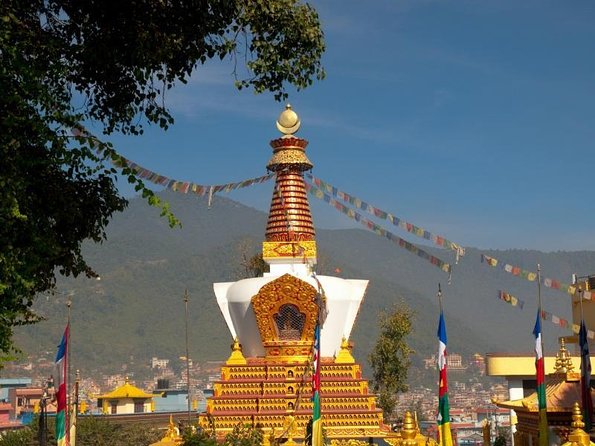
- Airport welcome with sign and floral garland to get your bearings fast
- Seven UNESCO World Heritage Sites across Kathmandu Valley
- Swayambhunath Monkey Temple with the 365-step climb and prayer wheels
- Nagarkot at 2,100 meters for Himalayan sunrise peak viewing
- Patan Durbar Square courtyards and Krishna Mandir Shikhara style
- Expert local guide support through the religious sites and cultural context
How the Tour Starts: airport pickup plus real-world comfort
Day 1 begins the way you want after a flight: meet your representative at Tribhuvan International Airport with a personalized sign, then get taken to your hotel by private vehicle. You also get a floral garland, which is a small thing that still makes you feel welcome and safe in an unfamiliar place.
What matters here is less the drama of arrival and more the practical payoff. You avoid the most stressful part of travel—figuring out transport while jet-lagged—and you get straight into Kathmandu rhythm. The tour is also set up as a private experience, so you’re not squeezed into someone else’s pace.
If you’re arriving during the listed opening hours (6:00 AM to 5:00 PM), it tends to run smoothly. And since a mobile ticket is part of the package, you’re not stuck chasing paperwork either.
You can also read our reviews of more tours and experiences in Kathmandu.
Kathmandu Durbar Square and Kumari Ghar: where Kathmandu’s beliefs live
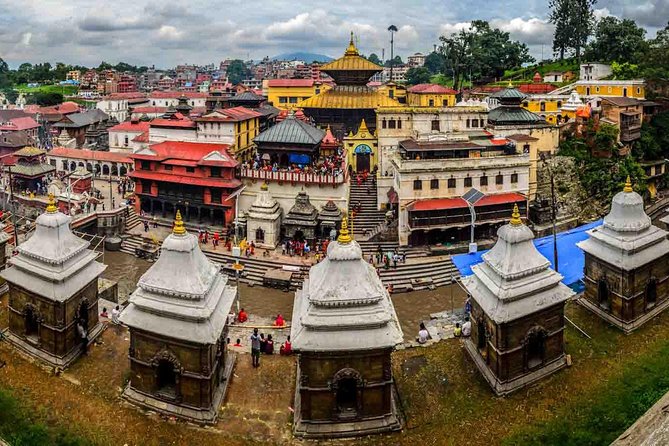
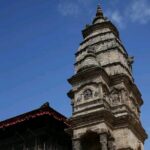
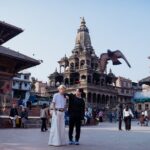
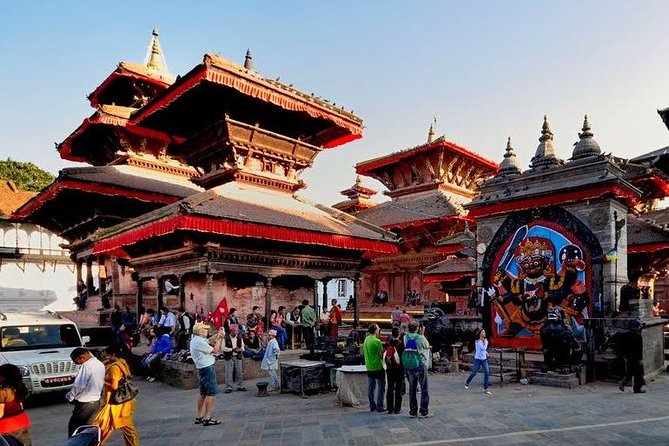
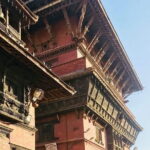
On the Kathmandu side of the UNESCO circuit, Kathmandu Durbar Square is your first big anchor. You’re guided through the area’s older monuments and spiritual landmarks, the kind of places where the architecture feels like it’s still part of daily life, not a museum set.
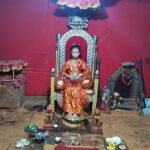
A standout stop here is Kumari Ghar, the residence of Nepal’s living Goddess Kumari. Even if you don’t know all the background, you’ll see why people come: it’s a very specific cultural tradition, and the visit gives you a tangible way to understand living belief in a public city space. You also get time around Kumari Chowk, linked to the Kumari Ghar courtyard area.
Drawback to keep in mind: you’ll likely share space with active religious and neighborhood life around these sites. That’s not a flaw—it’s part of what makes Kathmandu feel human. Just expect crowds at peak times and bring a little patience.
Pashupatinath Temple: the 500-temple complex and why it’s such a focal point
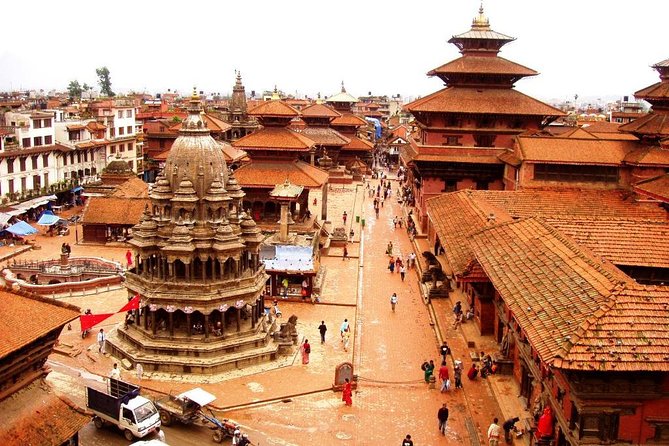
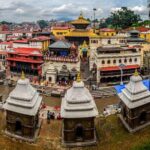
From Durbar Square, the tour moves into the gravity of Pashupatinath Temple, an older sacred site with roots going back to the 5th century and later renovations under the Malla kings. One of the most striking facts you’ll hear here is that the temple grounds house over 500 temples, so you’re not just looking at one building—you’re stepping into a whole religious landscape of structures and rituals.
Pashupatinath is also a place where spirituality is visible in movement and design. If you want to understand Nepal beyond postcards, this is where the tour helps you connect names, functions, and traditions to what you see.
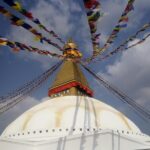
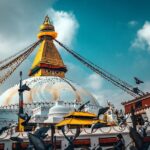
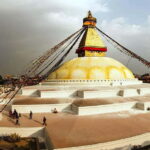
You’ll also visit the stupas at Boudhanath and Swayambhunath as part of this broader UNESCO day flow. Even though they’re different faith expressions, the connection is clear: these sites are built for devotion, gathering, and long-term pilgrimage behavior. The big dome at Boudhanath and the fluttering prayer flags become easy visual anchors once your guide sets the context.
Admission is listed as not included for several of these stops, so I’d plan a small buffer for any ticketed entrances you encounter at the sites themselves. Your guide can also help you interpret what’s optional versus required once you’re there.
Stupa loop logic: Boudhanath and Swayambhunath’s prayer-world details
This tour’s temple approach is smart because it doesn’t treat each stop as isolated. After Pashupatinath, you’re guided toward Buddhist sacred architecture—especially Boudhanath, widely recognized as a major Buddhist pilgrimage site in Nepal.
At Boudhanath, the dome shape and the prayer flags do a lot of the talking. The tour also highlights the prayer wheels lined along the stupa area, which gives you something practical to do while you’re there: turn a wheel, watch how people move, and notice the rhythm of worship.
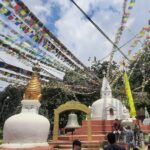
Then it’s on to Swayambhunath Temple, often called the Monkey Temple. The famous part is the climb—365 steps up to the central stupa—along with smaller shrines you pass along the way. You’ll also see numerous prayer wheels again, plus a Buddha statue noted as the largest in Nepal.
Here’s the consideration: the steps can feel steeper than they look, especially if you arrive late in the day or after a full day of driving. If you have knee issues, bring a friend’s mindset to it—slow, steady, and don’t rush the climb just because others are doing it faster.
Patan Durbar Square, Krishna Mandir, and the switch to Dakshinkali
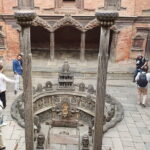
Another UNESCO highlight comes through Patan Durbar Square, known historically as a royal palace area for the Malla kings. Patan’s setting feels distinct from Kathmandu’s, and the tour helps you notice that it’s organized around courtyards—Sundari Chowk, Mul Chowk, and Keshav Narayan Chowk—each with its own visual character.
One of the structures you’ll focus on is the Krishna Mandir, known for Shikhara style architecture. This kind of detail matters because it turns “a temple” into something you can read: style choices reflect how communities expressed power, devotion, and artistry.
From Patan, the tone shifts toward the intense spiritual culture of Dakshinkali Temple. The tour describes this as a major Hindu mythological site where animal sacrifices, primarily goats and chickens, take place. That’s not something to treat casually. If this kind of ritual is hard for you to witness, you’ll want to mentally prepare and decide what feels respectful for you.
Next comes Chobar, described as an ancient village on the edge of the Kathmandu Valley with caves and scenic views around the Bagmati Valley. This is a good pacing change after two temple-heavy stops because it gives you time outside the main urban monument grid.

Nagarkot at 2,100 meters: the sunrise gamble that usually pays off
Nagarkot is the part of this trip you’ll remember most when you look back. The tour plans a full overnight stay there, arriving in the evening and then encouraging an early start for views at altitude.
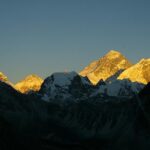
Nagarkot sits at 2,100 meters, just outside Kathmandu, and is famous for panoramic mountain scenes. The tour specifically points to peaks you may be able to see, including Everest (8,848m), Dorje Lhakpa, Langtang, Ganesh Himal, Gauri Shankar, and Rolwaling. If the sky cooperates, this is the kind of moment that changes how you think about the entire country.
The practical truth: sunrise viewing is weather-dependent. Even with a strong plan, clouds happen. What makes this tour’s approach valuable is that it gives you time and a night in Nagarkot, instead of forcing a rushed day-trip climb that depends on perfect timing.
Because you’re doing “light hiking” only in the sense of walking and viewpoints, it’s generally manageable for many travelers, but it’s still worth dressing for cool mountain air. Layer up even if Kathmandu feels warm.
Changu Narayan and Bhaktapur Durbar Square: finishing with Newari craft
After the Nagarkot morning views, the tour brings you back toward Kathmandu with one key UNESCO stop: Changu Narayan Temple. This temple is described as one of the oldest in Nepal and known for intricate carvings and elaborate decorations, which makes it a great choice for a quieter, detail-focused visit after sunrise.
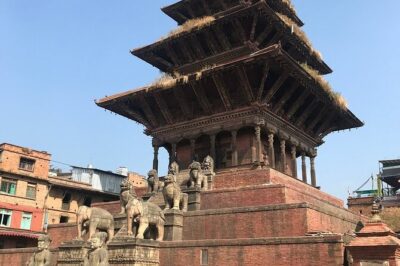
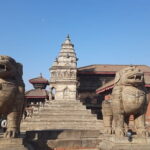
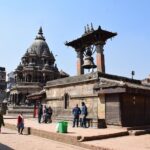
Then you reach Bhaktapur Durbar Square, another UNESCO World Heritage Site and a prime place to see Newari architecture at work—temples, courtyards, and intricately carved gates. The tour positions the square as a hub for religious and cultural activity, so it’s not just static stonework. You’ll get a sense of how the built environment supports community life.
Here, the value of having a guide is obvious. Without context, it’s easy to get lost in the number of gates and temples. With guidance, you can see patterns: what’s emphasized, what’s ceremonial, and what reflects the city’s identity.
If you want an ideal souvenir of Bhutan-size effort without Bhutan-size distances, Bhaktapur is a great finale. It rounds out the UNESCO story with craft and community energy.
Price and Logistics: what $499 really buys you
At $499 per person for about 5 days, this tour is priced like a mid-range heritage package: you’re paying for transport, a guide, and multiple UNESCO visits, not just one museum stop.
From the included list, you get:
- Free round-trip transfers between Tribhuvan International Airport and your hotel
- 4 nights accommodation (3 in Kathmandu and 1 in Nagarkot)
- Breakfast (4)
- Dinner plus a farewell dinner in Kathmandu
- Private transport and an official Best Heritage Tour guide
One detail to handle smartly: admissions. The tour notes free admission for Day 1 airport-related service, but many specific stops list admission as not included. Meanwhile, it also says the guided Kathmandu city tour includes entrance fees. In plain terms: some entrances may be covered inside the “city tour” portion, while others may require additional payment. I’d treat this as a tour where you budget a little extra for tickets on the fly, especially for major temple sites.
You also get a mobile ticket, and the meeting point is listed as Tribhuvan Airport Kathmandu with hours from 6:00 AM to 5:00 PM. That matters most if your flight times are outside the safe window.
On safety and comfort: the tour is described as a private activity, so you’re not rotating people in and out mid-day. Past comments also credit the organization and guide support, including help that makes it easier for different needs and pacing styles.
Who This Tour Fits Best (and who should choose differently)
This is a strong fit if you want a heritage-first Kathmandu break with real structure and minimal headache. The private transport and hotel stays make it ideal if you dislike negotiating buses, routes, and tickets while also trying to enjoy Nepal.
It also suits travelers who love spiritual sites but appreciate context. Stops like Pashupatinath and Dakshinkali aren’t just scenic—they’re meaningful. With a guide, you’ll understand what you’re seeing and why people treat these places with such focus.
Consider choosing a different style if:
- You have trouble with stairs (the Swayambhunath 365-step climb is real walking).
- You’re strongly uncomfortable with animal sacrifice as described at Dakshinkali Temple.
- You want more time at fewer sites rather than touching all seven UNESCO World Heritage areas in a short window.
If you’re a first-timer to Nepal or you want a clean “greatest hits” path without being overwhelmed, this one is built for you.
Should you book UNESCO World Heritage Sightseeing Tour in Kathmandu?
I’d book this tour if your priority is a focused UNESCO Kathmandu Valley experience plus at least one mountain night with sunrise potential. The combination of seven UNESCO sites, Nagarkot altitude viewing, and private transport is a practical mix for limited time.
If you’re okay with a busy schedule, including some temple walking and early mornings, the value makes sense. You’re paying for guided context, transport, and multiple days of comfort—especially the 4-night hotel plan and airport transfers.
If you’d rather keep things light, avoid intense ritual sites, or you hate driving days, then look for a slower option or a smaller circuit. This tour is efficient by design, and that’s good news only if your body and preferences match.
FAQ
What is the duration of the UNESCO World Heritage sightseeing tour in Kathmandu?
The tour runs for 5 days (approx.).
Is airport pickup included?
Yes. You get free round-trip transfers between Tribhuvan International Airport and your hotel.
Does the tour include accommodation?
Yes. It includes 4 nights of accommodation: 3 nights in Kathmandu and 1 night in Nagarkot.
What meals are included in the price?
Breakfast is included for 4 days, and dinner is included (including a farewell dinner in Kathmandu). Lunch and dinner in Nagarkot and Bhaktapur are listed as not included.
Are entrance tickets to the sites included?
Entrance fees are mentioned as included for the guided Kathmandu city tour, but many individual stops list admission tickets as not included. You should expect some paid entrances depending on the specific stop.
Is this a private tour?
Yes. It is listed as a private tour/activity, meaning only your group participates.
Can I cancel for a full refund?
Yes. Free cancellation is available if you cancel at least 24 hours in advance of the experience’s start time for a full refund.