REVIEW · TOKYO
1 Day Tour Explore Nikko’s World Heritage and National Park
Book on Viator →Operated by Snow Monkey Resorts Tours (Machinovate Japan Ltd.) · Bookable on Viator
Nikko starts as a nice train ride, then turns into logistics. That is exactly what this tour fixes for you: a guide handles the route using a Nikko Heritage Area pass, and you still get major highlights like Tamozawa Imperial Villa Memorial Park and Toshogu Shrine. One thing to plan for: the Shinkyo Bridge entry fee is not included (¥300).
I also like the pace. You get short, focused time blocks at each site, plus enough built-in transport time (the day runs about 10 hours 35 minutes) so you are not sprinting between stations. A past group even called out guide Beth as warm and fun, which matters when you’re walking from temple to temple. The main trade-off is that this is a set schedule—if you love lingering, you’ll want good photo discipline.
Key things that make this tour work
- Nikko Heritage Area pass + limited express tickets to cover the transport you actually need
- Admissions covered for Tamozawa Villa, Taiyu-in, and Toshogu (saves time and hassle)
- No map reading required while the guide navigates public transport
- Small group size (max 25) for a calmer, more manageable day
- Smart mix of nature and culture, starting with Kammangafuchi Gorge and finishing at Toshogu
- Mobile ticket for an easier start from Asakusa
In This Review
- Why Nikko Feels Special (Even Before You Arrive)
- Getting There from Asakusa: the Guide Takes the Headache
- Kammangafuchi Gorge: a Calm Start with a River Walk
- Tamozawa Imperial Villa Memorial Park: History You Can Walk Through
- Shinkyo Bridge: the Scenic Marker at the Edge of It All
- Taiyu-in Temple Niomon: Gold-Leaf Drama and a Photo Window
- Toshogu Shrine: The Main Event, Given Proper Time
- The Real Value: What $208 Buys You Beyond Sightseeing
- Pace and Practical Tips for a Long Day (No Running Required)
- Who Should Book This Nikko Day Trip
- Should You Book This Tour?
- FAQ
- What is the tour duration?
- Where do I meet for the tour?
- How many stops are included?
- Is transportation included?
- Which admissions are covered?
- How much is Shinkyo Bridge?
- Is there an English-speaking guide?
- What is the cancellation policy?
Why Nikko Feels Special (Even Before You Arrive)
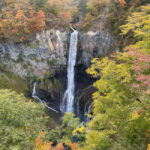
Nikko is the kind of place that makes you understand why people plan a whole day around it. It’s in the Nikko National Park area, and it also holds UNESCO World Heritage sites—temples, shrines, and historic spaces that feel very different from Tokyo’s pace.
But here’s the practical part: Nikko is not hard because it’s far. It’s hard because you’re moving between train lines, station exits, and walking segments. That is where this tour earns its keep. You trade the stress of figuring out transfers and exits for a guide-led flow, so you can spend your energy where it belongs: looking closely at the sites.
You’ll also notice the tour is built around “first-time Nikko” essentials. You do the scenic bridge, then the iconic shrine complex, with nature and historical context in between.
Getting There from Asakusa: the Guide Takes the Headache
The meeting point is EKIMISE Asakusa (1-chōme-4-1 Hanakawado, Taito City), and you start at 8:40 am. The day ends back at the meeting point.
From Tokyo, timing is everything. This tour is designed to keep you moving on the right trains, and it covers key transport inside the Nikko area with a Nikko Heritage Area pass plus limited express tickets. That matters because the “cheap” mistake is usually thinking you can save money on passes and then losing time to slower routes or complicated transfers.
You’ll get an English-speaking guide, and the whole rhythm is set up so you’re not spending your day with a phone map open and your head turned in every direction. It’s also a small group (up to 25 people), which helps the tour feel more controlled when you’re entering sites and lining up for transport.
Also: the tour has a mobile ticket. That’s handy in Japan, where stations are crowded and paper tickets can get lost in the shuffle.
You can also read our reviews of more tours and experiences in Tokyo.
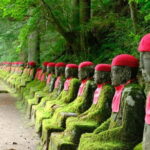
Kammangafuchi Gorge: a Calm Start with a River Walk
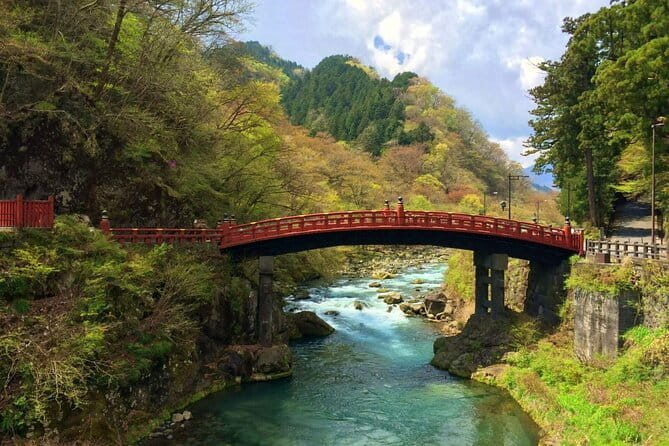
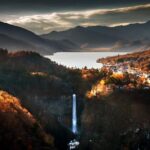
Your first stop is Kammangafuchi Gorge, about 40 minutes. The setting is lush and green, with a river you walk alongside. Even though it’s only a short stop, it’s a smart warm-up. You go from the city into nature fast, and it sets a calmer mood before the crowds (and details) of the shrine area.
Admission is free for this stop. No extra ticket steps. Just lace-up and go.
Practical tip: this is the kind of place where you’ll want to slow down for photos, but you still have only a set window. I’d treat it like a “walk-and-look” stop—snap the big views, then spend a few extra minutes on the river angle that shows the depth and greenery.
If you dislike uneven ground, wear shoes with decent grip. The tour doesn’t tell you about terrain specifics, but gorges usually mean you should be prepared for natural paths.
Tamozawa Imperial Villa Memorial Park: History You Can Walk Through
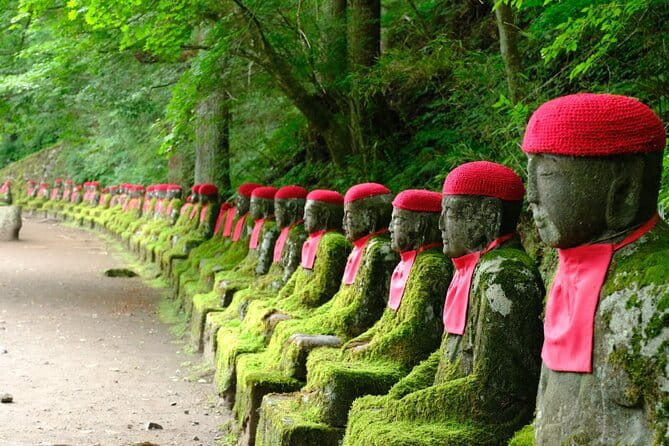
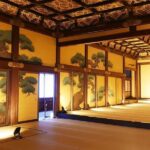
Next is Nikko Tamozawa Imperial Villa Memorial Park for about 1 hour. This is where the day becomes more than scenery. You’re stepping into a historic Japanese villa setting and walking through architecture and gardens that connect Edo and Meiji period ideas.
Admission here is included, so you lose less time on ticket lines. And because the stop is timed to about an hour, you get enough room to look at the buildings and stroll the grounds without turning your day into a marathon.
What I like about this stop is that it adds context. Toshogu is breathtaking, sure—but it can also feel like a single big “wow.” Tamozawa gives you a different kind of historical lens, one that helps you understand how Nikko’s spaces were used and admired.
If you enjoy gardens, look for sightlines that frame the villa structures with greenery. If you’re more into buildings, focus on layout and details rather than trying to see every corner. You can’t “do it all” in one day.
Shinkyo Bridge: the Scenic Marker at the Edge of It All
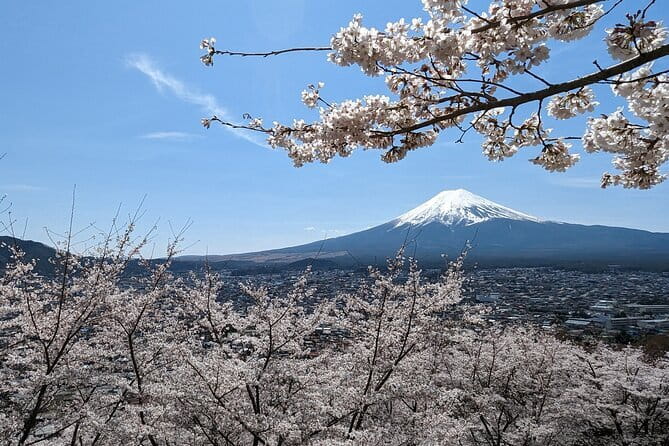
Then you hit Shinkyo Bridge, a quick 10-minute stop. It’s positioned at the start of the World Heritage site and National Park, and it’s one of the top scenic bridges in Japan.
Admission for this stop is not included—you’ll pay ¥300 per person. That’s the kind of detail that can ruin your day if you’re not ready with cash or a way to pay on the spot. I’d plan to have the exact amount or at least some extra yen.
Because the stop is short, your best strategy is simple: decide where you want the signature photo angle before you reach the busiest edge. Take the wide view first (bridge and surroundings), then switch to close details if there’s time.
If you’re someone who likes lingering at “iconic” spots, you might find 10 minutes a little tight. But it’s still useful as a gateway moment—like seeing the cover of the book before you open it at Toshogu.
Taiyu-in Temple Niomon: Gold-Leaf Drama and a Photo Window
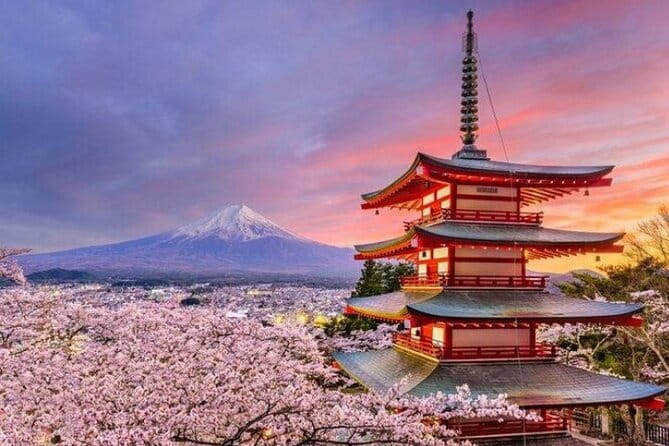
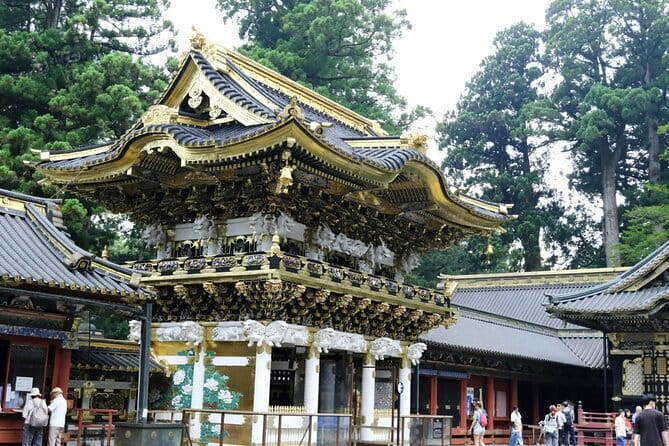
After the bridge, you go to Taiyu-in Temple Niomon for about 1 hour, with admission included. This is one of those places where the art direction is obvious: elaborate structures, gold leaf, vibrant colors, and carved wood elements. It’s the kind of stop where your camera will work hard.
The Niomon gate also works as a breath-between-scenes moment. You’ve had nature and a historical villa. Now you’re back in the world of shrine and temple craftsmanship.
A practical note: an hour sounds like a lot, but temples and gates tend to create natural bottlenecks. Expect people to pause frequently for photos. Your best move is to vary your angles: get a classic front view, then find a side or higher perspective if the layout allows.
Also, keep an eye on timing for restrooms and water. This stop is long enough that you can take a short break, but you’ll want to do it without losing your spot in the group.
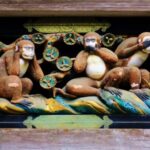
Toshogu Shrine: The Main Event, Given Proper Time
Finally, you reach Toshogu Shrine, the headline stop for about 1 hour 30 minutes. Admission is included, including the museum fees, which is great because it removes one more decision from your day.
This is the most iconic Nikko site for a reason: lavish shrine architecture and the presence of the Tokugawa era legacy (the shrine is tied to Japan’s powerful shoguns). You’ll see why this place is famous the moment you’re inside the main areas. Details don’t behave like normal sightseeing. They demand close looking—paintwork, carving, symbolism. You can rush it, but you’ll miss what makes it special.
What makes the tour schedule feel fair here is the time allocation. You get a real block at Toshogu (90 minutes), not a quick “walk past the gate” visit. That extra time gives you options: slow down for photos, read what you can at your own pace, and still see the core highlights without stress.
Practical tip for Toshogu: shoes matter. You’ll be standing and walking on stone and pathways for stretches. Bring a light layer too. Nikko can feel cooler than central Tokyo, especially if the morning has a chill.
Also, don’t forget your power-saving plan. Your phone will be your camera, your map backup, and your time-check. If you’re heavy on photos, consider a small power bank.
The Real Value: What $208 Buys You Beyond Sightseeing
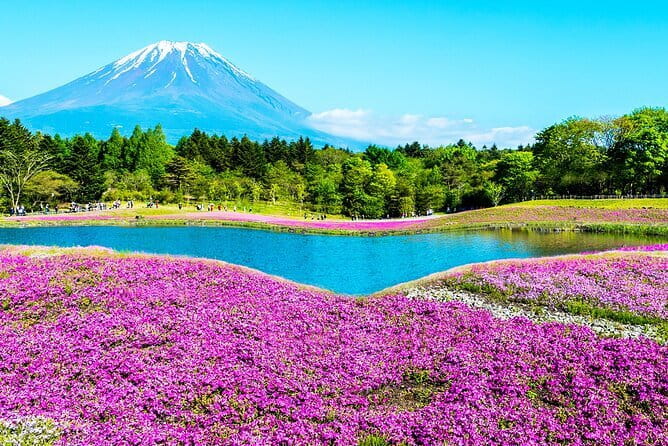
At $208 per person, this tour is not a budget gamble. It’s priced like a “day structured for you” experience.
Here’s where the value comes from:
- Transport coverage inside the Nikko area with a Nikko Heritage Area pass and limited express tickets
- Admissions included for Tamozawa Villa, Taiyu-in, and Toshogu (plus the museum fees inside Toshogu)
- An English-speaking guide, which removes the most stressful parts of a first Nikko visit
- A set schedule that protects your time. About half your day is transport, and the tour plans for that rather than pretending you can hop around fast
What’s not included is also clear: you’ll pay for Shinkyo Bridge (¥300), and trains/transport before and after the tour aren’t covered. Plus, food and drink are on you.
If you were to DIY this trip, you’d likely spend time solving routing problems and buying multiple tickets on the day. This tour is for people who’d rather pay to keep things simple—especially when you’re doing Nikko as a one-day hit from Tokyo.
Pace and Practical Tips for a Long Day (No Running Required)
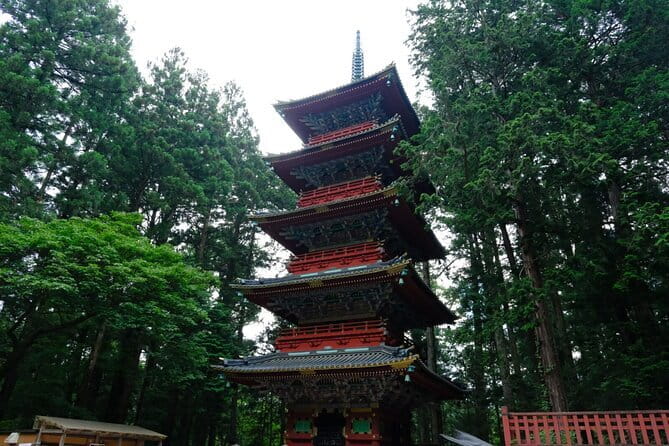
The full duration is about 10 hours 35 minutes. Based on the time at each stop, there’s roughly 5+ hours built in for travel between sights. That’s the honest structure: it’s a long day, but it’s not chaotic.
Here’s how I’d handle it:
- Wear comfortable walking shoes and expect stone paths.
- Keep your day pack light. You’ll be moving through multiple sites.
- Bring cash/yen for Shinkyo Bridge’s ¥300 fee.
- Plan a simple snack strategy. Lunch is not included as part of the tour package, so you’ll be choosing food during the day rather than being handed a meal.
If you’re the type who wants to read every sign slowly and take dozens of photos, this schedule can feel tight. But if you want a well-paced best-of-day, it’s set up well.
Who Should Book This Nikko Day Trip
I think this tour is a great fit if:
- you’re visiting Tokyo and don’t want to spend your limited free time figuring out Nikko transit
- you want the “big three” type of Nikko highlights in one go (nature, temple gateway, and Toshogu)
- you like historical sites and want major admissions handled upfront
You might prefer a DIY approach if you:
- want total freedom to linger at each corner
- are comfortable building your own public-transport route to Nikko and managing multiple ticket stops
Group size matters here too. With max 25, the day feels organized. It’s not a massive bus-tour stampede.
Should You Book This Tour?
Book it if you want a stress-reducing, best-of Nikko day where transport and key admissions are handled, and you’d rather spend time looking than navigating. The biggest plus is that you get a guided route that makes Nikko feel doable from Tokyo in one day.
Don’t book it if you hate fixed schedules or you’re not willing to pay the extra ¥300 for Shinkyo Bridge on the day. Also, if you’re sensitive to long walking days, take the shoes and pacing seriously.
For most people doing Nikko as a one-day experience, this tour is a solid choice because it removes the biggest friction points without cutting the main sights short.
FAQ
What is the tour duration?
The tour runs for approximately 10 hours 35 minutes.
Where do I meet for the tour?
You meet at EKIMISE Asakusa in Tokyo. The start time is 8:40 am.
How many stops are included?
The tour includes stops at Kammangafuchi Gorge, Nikko Tamozawa Imperial Villa Memorial Park, Shinkyo Bridge, Taiyu-in Temple Niomon, and Toshogu Shrine.
Is transportation included?
Yes, for the tour you get a Nikko Heritage Area pass and limited express tickets to cover transportation. Transport before and after the tour is not included.
Which admissions are covered?
Admission is included for Tamozawa Villa, Toshogu Shrine and Museum, and Taiyu-in Temple Niomon. Shinkyo Bridge is not included.
How much is Shinkyo Bridge?
Shinkyo Bridge costs ¥300 per person and is not included in the tour price.
Is there an English-speaking guide?
Yes, the tour includes an English speaking guide.
What is the cancellation policy?
You can cancel for a full refund up to 24 hours before the experience starts. If you cancel less than 24 hours before, the amount paid is not refunded.