REVIEW · KOCHI
Kochi Tour Guide -A Heritage walking tour in Fort kochi and Mattancherry !
Book on Viator →Operated by Biju's Tours · Bookable on Viator
Walking Fort Kochi and Mattancherry in one stretch is the shortcut. I like that this tour connects religion, trade, and everyday life across centuries without feeling like a textbook, and I also love the no-fuss structure: set stops, a local host, and bottled water.
You’ll get a guided pass through the places most people only see from the outside. One thing to plan for: it’s still a walking tour with a moderate pace, and you’ll need to dress right for church and synagogue entry (knees and shoulders covered).
In This Review
- Key things to know before you go
- Why Fort Kochi + Mattancherry Belong Together
- Your 3-Hour Route: What Each Stop Adds
- Stop 1: Chinese Fishing Nets (and why they matter)
- Stop 2: Santa Cruz Cathedral Basilica (built 1505)
- Stop 3: Church of Saint Francis (first European church in India)
- Stop 4: Dutch Cemetery (made in 1724)
- Stop 5: Fort Kochi Beach, also Mahatma Gandhi Beach
- Stop 6: Mattancherry Palace (Dutch palace museum)
- Stop 7: Jew Town (Jewish street)
- Stop 8: Paradesi Synagogue (made in 1568)
- Stop 9: Cochin Spice Market (market stop)
- Price and Value: Is This Worth $15?
- What Makes the Guides a Big Deal Here
- Practical Tips That Keep the Tour Smooth
- Dress code and entry rules
- Timing: morning vs afternoon
- Bring the basics
- Should You Book This Heritage Walk?
- FAQ
- What’s the tour duration and where does it start?
- What’s included in the price?
- What isn’t included?
- Do I need to pay an entrance fee during the tour?
- Is there a dress code?
- Is the tour private?
Key things to know before you go
- 3 hours, Fort Kochi + Mattancherry on foot with a route that hits the best-known landmarks in a logical order
- Many admissions are already handled, but the Paradesi Synagogue has an extra on-site fee
- Local guides matter here, and the tour is run by a small team under Biju’s Tours (names like Biju, Shaji, Thomson, and John show up in guide profiles)
- Heat can change the day, so bring sunscreen and wear light layers, especially for afternoon departures
- Dress code is strict for worship places, so plan outfits that cover shoulders and knees for men and women
- It ends in Jew Town, which is a great springboard for your own wandering after the tour
Why Fort Kochi + Mattancherry Belong Together
Fort Kochi and Mattancherry sit close enough to feel like one story, not two separate chapters. You walk from the waterfront and Portuguese-era churches into Jewish streets and Dutch-era architecture, and the change in scenery helps you understand how Kochi was shaped by visiting powers and trading communities over time.
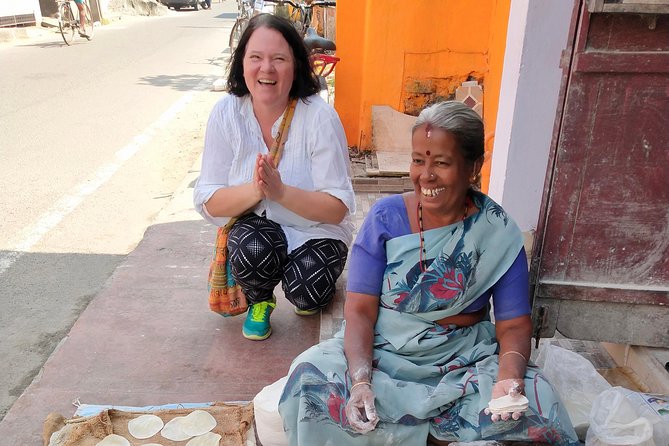
What I like most is that the tour isn’t only about monuments. It’s also about how different communities lived side by side, and you see that idea made physical through places of worship that stand next to each other, plus markets and port-adjacent landmarks.
This is the right pace for people who want context fast. You’ll spend about 3 hours moving between key sights, with a morning or afternoon departure depending on your energy and your schedule.
You can also read our reviews of more tours and experiences in Kochi.

Your 3-Hour Route: What Each Stop Adds
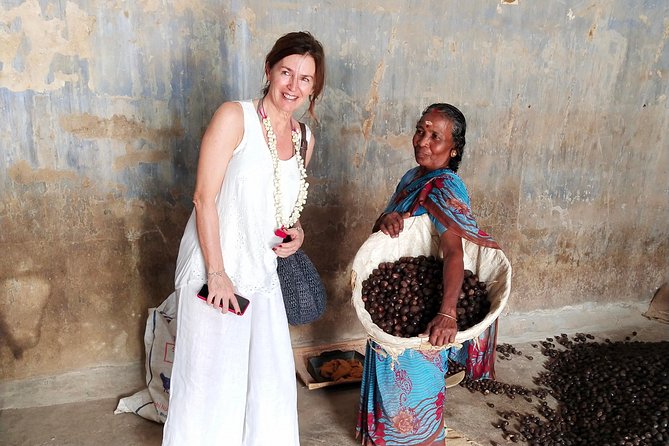
This is a tight, landmark-focused walk with short visits at each point. The overall flow makes sense: start with the iconic fishing scene, then move through major churches and colonial-era sites, and finish with the Jewish quarter and the spice market.
If you like asking questions, this is a great format. Many guides here are known for patient, detail-heavy explanations, including the kind of background that helps you connect the dots when you’re back on your own later.
Stop 1: Chinese Fishing Nets (and why they matter)
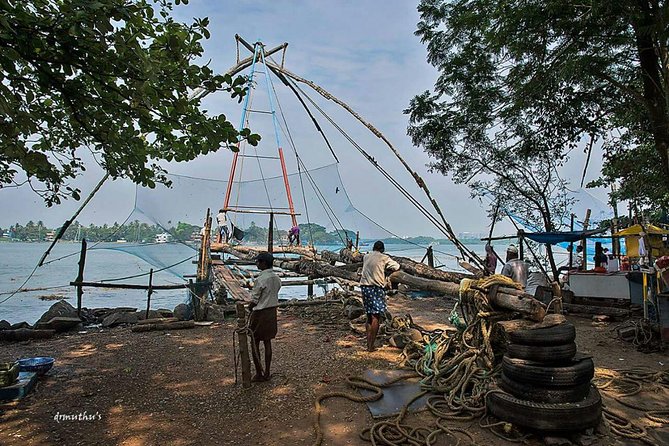
You start at the traditional Chinese Fishing Nets, an instantly recognizable symbol of Kochi’s coastal life. These nets aren’t just scenery. They’re a reminder that fishing, seafaring, and foreign influence have been intertwined on this coast for a long time.
Plan for a short stop that’s heavy on storytelling. Even if you’ve seen fishing nets elsewhere, the value here is the local historical framing that makes them feel like part of a larger port network.
Stop 2: Santa Cruz Cathedral Basilica (built 1505)
Next is Santa Cruz Cathedral Basilica, a Roman Catholic church dated to 1505. This stop gives you an early anchor point for understanding European presence in Kochi, including how Christianity took root in the region.
A quick heads-up: churches mean dress code checks. If your shirt sleeves or skirt length don’t meet the rules, you can lose time waiting or get refused entry, so I’d rather over-plan outfits than risk it.
Stop 3: Church of Saint Francis (first European church in India)
Then you’ll visit the Church of Saint Francis, described as the first European church in India. That claim isn’t just a trivia hook. It helps you see why Fort Kochi became a meeting ground where different groups built their own institutions and left traces that still shape the neighborhood.
This is also a good pause to notice architectural details and how people move through the space today. The stop is short, but it sets the tone for the rest of the walk.

Stop 4: Dutch Cemetery (made in 1724)
At the Dutch Cemetery, you’ll see a graveyard tied to the year 1724. Cemeteries can feel heavy, but in places like this they’re also history lessons in a very direct form.
If you prefer lighter pacing, it helps to keep your mind on context rather than emotion. Think of it like reading a historical timeline in stone and inscriptions, with the Dutch era as the connecting thread.
Stop 5: Fort Kochi Beach, also Mahatma Gandhi Beach
Next comes Fort Kochi Beach, also known as Mahatma Gandhi Beach. I like this break because it resets your senses after indoor or formal sites.
Use this moment strategically. Look at the shoreline, catch some shade if you can, and refuel with water. It’s a good time to ask your guide a question about what you’re about to see next in Mattancherry.
Stop 6: Mattancherry Palace (Dutch palace museum)
Then you move to Mattancherry Palace, often called the Dutch palace, and it’s described as a museum under the Archaeological Survey of India. This stop is where the tour starts to feel more like art and interpretation, not just sightseeing.
Many guides are careful about explaining what you’re seeing, including details inside the palace. Even if you only catch a portion of the murals and displays, the guided context helps the whole place make sense, instead of feeling like rooms you pass through.
Stop 7: Jew Town (Jewish street)
After the palace, you walk into Jew Town, sometimes referred to as the Jewish street area. This is less about one single landmark and more about the atmosphere of the neighborhood.
You’ll get a focused look here, but the real benefit is how it changes your view of Kochi. After churches and Dutch colonial sites, Jew Town shows you another layer of the city’s identity, built around community life and cultural memory.
Stop 8: Paradesi Synagogue (made in 1568)
At Paradesi Synagogue, built in 1568, you get one of the tour’s most meaningful cultural stops. This is also the one place to plan money for: the entrance fee to the Jewish synagogue is listed as ₹100.00 per person and is not included.
This matters for value. The tour covers many admissions, but budgeting for this specific fee keeps you from getting surprised at the door.
Also, synagogue visits bring the same dress code rules as other worship places. Double-check shoulders and knees so you don’t lose access.
Stop 9: Cochin Spice Market (market stop)
You finish at the Cochin Spice Market. This stop is listed as admission ticket free, and it’s a nice way to bring the tour back to something practical: commerce.
Even if you don’t buy anything, you’ll leave with a better sense of why spices are central to Kochi’s story. They’re not background flavor here. They’re part of why the port attracted people from far away.
Price and Value: Is This Worth $15?
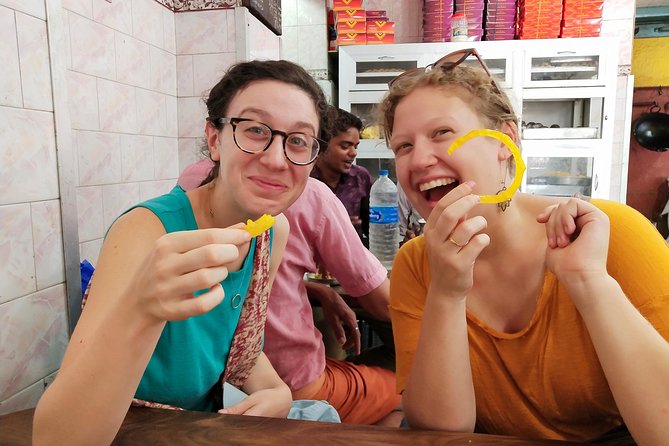
At $15.00 per person for about 3 hours, this tour is strong value if you care about guided context. A lot of the “cost creep” is handled for you: several stops include admission tickets, and bottled water is part of the package.
The main extra cost to remember is the ₹100 synagogue entrance fee at Paradesi Synagogue. If you’re budgeting tightly, factor that in now so the final total is clear in your head.
The tour is also positioned as a private experience where only your group participates. Add in that it uses a mobile ticket, and the whole thing feels easier than coordinating multiple self-guided stops across small neighborhoods.
What Makes the Guides a Big Deal Here
This tour lives or dies on the host. The consistent theme in guide feedback is that hosts are local, confident, and willing to answer lots of questions. Names that show up include Biju (the main operator), with backup guides like Shaji, plus others such as Thomson and John in participant reports.
That matters because Fort Kochi and Mattancherry can feel like a cluster of pretty sights unless someone helps you interpret them. A good guide connects the dots: why Portuguese-era and Dutch-era buildings show up where they do, why Jewish community landmarks remain part of the street map, and how the port shaped everyday life.
One practical tip: if you’re visiting on a hot day, ask your guide about the best way to pace the walk. Some participants describe using shorter rides to escape the worst heat, and even if your route is mainly on foot, you can still plan to take breaks when your guide recommends it.
Practical Tips That Keep the Tour Smooth
Dress code and entry rules
For places of worship and selected museums, the rules are clear: knees and shoulders MUST be covered for both men and women. Sleeveless tops and too-short skirts are not allowed, and non-compliance can lead to refused entry.
This is the most common reason tours like this lose momentum mid-route. I’d rather carry a light shawl or wear a safe outfit before you start than scramble later.
Timing: morning vs afternoon
You can choose a morning or afternoon departure. If you’re sensitive to heat, the morning option often feels calmer, especially on the beach stretch and outside portions near open streets.
The tour is about moderate physical fitness, so you’ll want comfortable walking shoes. It’s not described as slow and scenic-only; it’s a purposeful walk between key points.
Bring the basics
Bottled water is included, which is great. Still, bring sunscreen and a hat for the uncovered parts, and keep a small bag ready for easy movement through churches and museum spaces.
Should You Book This Heritage Walk?
Book this tour if you want a fast, human-scale overview of Kochi’s layers in just a few hours. It’s ideal for first-timers to Fort Kochi and Mattancherry, history-minded walkers, and anyone who prefers local explanation over reading plaques for 3 hours straight.
Skip it (or plan differently) if you’re looking for a long, unhurried wander with no structure. This route is designed to hit specific highlights efficiently, and it includes worship-place entry rules that require the right outfit.
If weather is questionable, note that the experience requires good weather. On the plus side, the cancellation terms are free up to 24 hours in advance for a full refund, so you can be flexible if the forecast turns.
FAQ
What’s the tour duration and where does it start?
The tour takes about 3 hours. It starts at Kashi Art Café near the Police Station in Fort Kochi, and it ends in Jew Town in Mattancherry.
What’s included in the price?
The tour includes a local guide and bottled water. Many stops also include admission tickets, depending on the location.
What isn’t included?
Food and drinks aren’t included. Private transportation like tuk tuk transfers aren’t included either. There’s also an extra entrance fee for Paradesi Synagogue: ₹100.00 per person.
Do I need to pay an entrance fee during the tour?
Some stops include admission tickets, and some do not. The Jewish synagogue (Paradesi Synagogue) has an entrance fee of ₹100.00 per person that isn’t included in the tour price.
Is there a dress code?
Yes. For places of worship and selected museums, knees and shoulders must be covered for both men and women. Sleeveless tops and too-short skirts aren’t allowed.
Is the tour private?
Yes. It’s listed as a private activity, meaning only your group will participate.