REVIEW · HAMBURG
UNESCO World Heritage – Speicherstadt and Kontorhaus district
Book on Viator →Operated by Stattreisen Hamburg e.V. · Bookable on Viator
Hamburg’s brick-and-steel office blocks have a story. This UNESCO World Heritage walk focuses on the Speicherstadt and Kontorhaus district, with hands-on architecture stops and special access to 1920s staircases on weekdays. I like that the route is tight and practical, and I like that you get clear, building-by-building context for why this area mattered to the Hanseatic city. One possible drawback: this is a city-walking tour with outdoor street corners, so if there’s no mic and it’s noisy, some details can be harder to hear.
You’ll spend about 2 hours moving between major highlights, not lingering in a museum maze. The group stays small-ish with a maximum of 25 people, and the pacing is designed for seeing multiple architectural “wow moments” without burning the day. Still, plan for short visits at each stop, because the best highlights happen in those quick windows.
In This Review
- Key Highlights You’ll Care About
- UNESCO World Heritage in Hamburg: What This Tour Really Shows
- The 2-Hour Route: How the Timing Works
- Sprinkenhof: Courtyards, Staircases, and Big-Company Ambition
- Chilehaus: Fritz Höger’s Brick Masterpiece and the Kontorhaus Look
- Messberghof: A Round Stair and the Weight of History
- Internationales Maritimes Museum Hamburg: Seeing It Without Entering
- Price and Value: What You’re Paying For
- Group Size and Comfort: The Practical Reality of a City Walk
- What You’ll Learn: Architecture as a Story of Commerce
- Where This Tour Fits Best (and Where It Might Not)
- A Few Booking Tips That Matter (Without Turning It Into Homework)
- Should You Book? My Practical Take
- FAQ
- How long is the UNESCO Speicherstadt and Kontorhaus tour?
- Where does the tour start and end?
- What does the price include?
- Can I visit the staircases inside the 1920s office buildings?
- How big is the group?
- Do I need to bring anything or plan transportation?
Key Highlights You’ll Care About
- Sprinkenhof’s courtyards and staircases: a big, dramatic office-building complex where architectural details feel close-up.
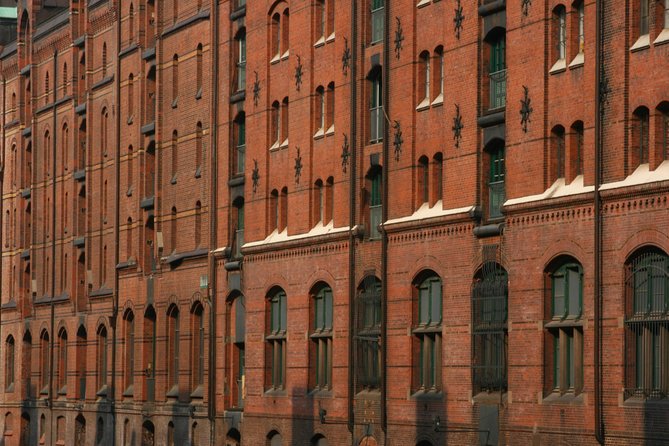
- Chilehaus with Fritz Höger’s brick style: the famous Kontorhaus shape and facade character show up fast and clearly.
- Messberghof’s round staircase: a distinctive stair feature tied to darker German history.
- Weekday-only interior staircase access: you’re not just looking from the street when your visit matches the schedule.
- Short, efficient stops: each key building gets enough time to understand, not just pass by.
- Maritime Museum exterior photo stop: you end with a sightline toward Hamburg’s port culture.
UNESCO World Heritage in Hamburg: What This Tour Really Shows
This walk is aimed at helping you read Hamburg. The UNESCO label covers a whole district, but this tour narrows it to what you can actually see on your feet: warehouse-and-commerce planning around the port, plus the early 20th-century office-building world that supported trade.
The most useful part is that the tour treats buildings like documents. You don’t just get names. You get the “why”: how the Hanseatic city did business, how it built for it, and how architecture communicated power, stability, and modernity. Even if you’re not an architecture buff, you’ll likely recognize the feeling—Hamburg wanted to look serious, and these districts delivered.
You can also read our reviews of more tours and experiences in Hamburg.


The 2-Hour Route: How the Timing Works
The tour runs about 2 hours, with a 3:00 pm start. It’s structured as a sequence of short building stops plus walking time between them. That format matters because it keeps things energetic, but it also means you’re not settling in for long explanations at every corner.
You’ll start at Jakobikirchhof 8 (20095 Hamburg) and finish at International Maritime Museum Hamburg, Koreastraße 1 (20457 Hamburg). The end point is useful if you want to keep exploring afterward, since you’re already at a major port-themed location.
Also keep the date in mind. The tour notes special staircase access in the 1920s office buildings and says that’s only possible on weekdays. If you’re traveling on a weekend, you can still enjoy the architecture focus, but you should expect a different level of access.
Sprinkenhof: Courtyards, Staircases, and Big-Company Ambition
Sprinkenhof is the first “big wow” moment. It’s described as the largest office building with impressive courtyards, staircases, and facades. Even without getting too technical, that combination tells you what you’re in for: a place designed to impress people who arrived for work and to move them through the building efficiently.
Why this stop works for most visitors:
- Courtyards make the building feel human-sized. Instead of only seeing a wall, you get space you can picture as part of daily operations.
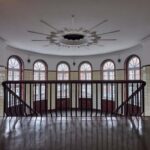
- Staircases are where architecture shows personality. This tour leans into that, especially because the staircase access is part of the unique value here.
The main practical consideration: Sprinkenhof and the other office buildings are working or historically active structures, so access can be dependent on day and building rules. On weekdays, you’re more likely to get that closer look at stair elements tied to the tour’s promise.
Chilehaus: Fritz Höger’s Brick Masterpiece and the Kontorhaus Look
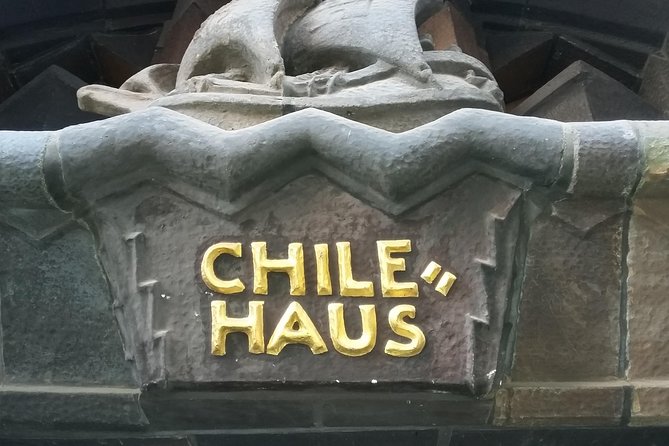
Then you move to Chilehaus, one of the most recognizable names in Hamburg’s Kontorhaus story. This is where the tour makes a bold, simple point: you can spot the significance even if you’ve never heard the term Kontorhaus before.
The standout detail is the building’s top and its brick character. The tour credits Fritz Höger, who earned the nickname Klinkersticker because of the filigree brickwork style. That nickname matters because it hints at the visual payoff: this is not “plain brick.” It’s brick treated like design material—patterned, detailed, and meant to be admired up close.
One reason I think Chilehaus is so satisfying on a walking tour is that it rewards your attention quickly. You don’t have to wait for a long interior sequence. You get the sense of form immediately, then you can connect that look back to the business culture of the time—merchant city meets early modern building ambition.
If you’re the type who likes to keep momentum, this is also a great place to plan a self-guided follow-up. A comment from a previous visitor highlights that there’s a World Heritage Centre associated with Chilehaus, and that it can be a useful starting point if you want more context before or during your Hamburg stay.
Messberghof: A Round Stair and the Weight of History
Messberghof is the stop that adds emotional gravity to the architecture. It’s another Kontorhaus, but the key feature called out here is a round staircase. A round stair is visually different enough that you’ll remember it later, even if you only have a short time inside or near the most important viewpoint.
The other layer is history. The tour frames Messberghof’s story as turbulent during the period of National Socialism in Germany. That matters because these districts aren’t only about aesthetics. They also reflect how buildings and institutions were used—sometimes in ways that weren’t ethical, and sometimes at major human cost.
Practical advice for this stop: keep your attention on the “why” behind the building form. A staircase can be more than a route between floors. It can suggest status, control of movement, and how people interacted within business spaces. When the guide ties the stair to the history, the details start to feel more real.
Internationales Maritimes Museum Hamburg: Seeing It Without Entering
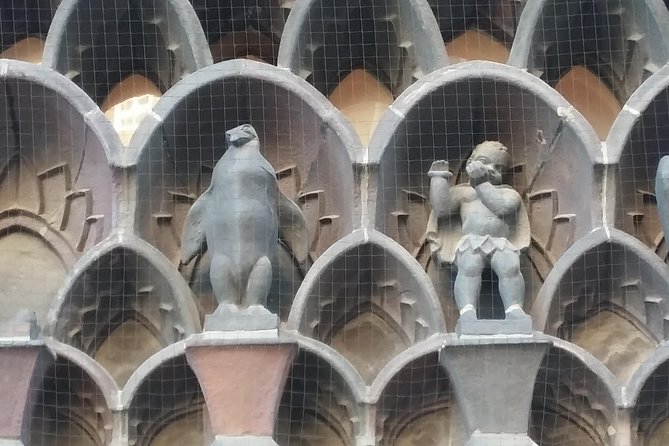
The final stop is different: you only see the Internationales Maritimes Museum Hamburg from the outside. Admission there is noted as not included, so you shouldn’t expect the tour to function like a museum visit.
Still, this exterior look is useful. You finish the walk at a port-themed location, which closes the loop on what the rest of the route has been doing: trade, shipping, and the built environment that supported Hamburg’s position as a Hanseatic powerhouse.
If you have time afterward, you can decide on the spot whether to go in. But even if you don’t, the outside view gives you a coherent end point for your “architecture and commerce” theme.
Price and Value: What You’re Paying For
At $21.34 per person for about 2 hours, the value is strongest when you actually care about architectural context and the ability to see stair details on the right day.
Here’s what supports that value:
- Multiple landmark buildings are covered in one outing, instead of forcing you to plan separate visits.
- Sprinkenhof, Chilehaus, and Messberghof have free admission tickets listed for the tour stops.
- The tour’s unique ingredient is the staircase access tied to weekdays. If your schedule includes a weekday, that alone can make the tour feel like more than a simple “walk past famous buildings” experience.
One thing to keep in mind: because each building stop is short, you’re paying for guidance and structure, not for a long, slow museum-style program. If you prefer unhurried time at just one location, you might feel a bit rushed. If you like moving, comparing, and getting orientation fast, this format fits.
Group Size and Comfort: The Practical Reality of a City Walk
The tour caps at 25 travelers, which is generally manageable for city navigation and for hearing the guide. Even so, there are two real-world factors you should plan for.
First, city noise is a constant. One criticism shared by a previous visitor was that street sound made the guide hard to understand, and that there was no microphone. You can’t control the weather or traffic sounds, but you can control preparation: if you know you have trouble in noisy environments, consider bringing a hearing-friendly setup.
Second, the tour covers multiple stops quickly, so you’ll get the most out of it if you’re comfortable standing and walking between locations. This is not the kind of tour where you expect lots of downtime.
What You’ll Learn: Architecture as a Story of Commerce
This tour’s core strength is interpretation. The stops are chosen so that each building answers a different question:
- Sprinkenhof: how large office complexes were organized and made impressive through courtyards and staircases.
- Chilehaus: how Fritz Höger’s brickwork style helped define the Kontorhaus identity and made the building recognizable.
- Messberghof: how architecture can carry history you might not expect when you first see a pretty staircase.
- Maritime Museum exterior: how the port world connects back to the Hanseatic city theme.
You’ll probably come away with better mental maps, too. When you can connect form to purpose, you stop seeing Hamburg as a pile of separate sights and start seeing it as an integrated commercial landscape.
Where This Tour Fits Best (and Where It Might Not)
I’d point this tour toward three types of travelers:
- First-time visitors who want a focused architecture primer without planning multiple separate tickets.
- Design-minded travelers who like early modern buildings and want to understand the Kontorhaus idea beyond photos.
- People traveling with limited time who still want something more meaningful than a postcard walk.
It may be less ideal if:
- You need a very quiet environment to enjoy explanations.
- You want long, in-depth time in only one building.
- You’re traveling on a weekend and were hoping for the weekday staircase access highlight.
If your dates are flexible, that weekday note is worth real attention.
A Few Booking Tips That Matter (Without Turning It Into Homework)
This experience uses a mobile ticket, and it’s near public transportation, so it’s pretty easy to slot into an afternoon plan. It also allows service animals, and it says most people can participate.
One more scheduling thought: the average booking window is 23 days in advance. That suggests the tour has steady demand, especially when people want to stack architecture days in Hamburg. If your travel dates are set, I’d lock it in early rather than gambling.
Also, the meeting time is fixed at 3:00 pm, so check your day plan for enough buffer before and after. You’ll be walking between stops, and you’ll want to arrive ready to move.
Should You Book? My Practical Take
Yes, I think you should book this tour if you want a compact, high-impact way to understand Hamburg’s UNESCO Speicherstadt and Kontorhaus district through buildings you can actually see up close. The price is reasonable for a guided experience, the key stops have free admission listed, and the weekday-only staircase access is exactly the kind of detail that can make a city walk feel special instead of generic.
I would hesitate only if your main goal is slow pacing, museum-style time, or if you’re sensitive to noise and don’t want to rely on a guide’s voice in lively street conditions. In that case, you might still enjoy the architecture, but set expectations for the kind of experience this is.
FAQ
How long is the UNESCO Speicherstadt and Kontorhaus tour?
It lasts about 2 hours.
Where does the tour start and end?
It starts at Jakobikirchhof 8, 20095 Hamburg and ends at International Maritime Museum Hamburg, Koreastraße 1, 20457 Hamburg.
What does the price include?
The tour is listed at $21.34 per person and uses a mobile ticket. Admission is free for Sprinkenhof, Chilehaus, and Messberghof, while the Internationales Maritimes Museum Hamburg is not included since you only see it from the outside.
Can I visit the staircases inside the 1920s office buildings?
You can see the 1920s office-building staircases only on weekdays.
How big is the group?
The tour has a maximum of 25 travelers.
Do I need to bring anything or plan transportation?
It’s near public transportation, and you’ll use a mobile ticket. Service animals are allowed, and most travelers can participate.
If you tell me what day of the week you’re in Hamburg, I can help you decide whether the staircase-access day matters for your itinerary.