REVIEW · GUANGZHOU
Guangzhou: Walking Tour of Xiguan Ancient Town
Book on GetYourGuide →Operated by SilkRoadTrips · Bookable on GetYourGuide
Xiguan in Guangzhou feels like a time machine with snack breaks. I love the way this walk strings together Cantonese daily life and old-town architecture, so history doesn’t sit behind glass. I also like that you get both the Liwan districts and a scenic river stretch at Shamian Island in just 3.5 hours. One possible drawback: depending on your guide, the pace can feel a bit slow and the explanations may not be equally detailed for everyone.
When the guide is on form, the tour clicks fast. Names like Mango Lu and Raymond come up for a reason: they’re warm, organized, and good at turning street corners into clear stories. You’ll also get practical breaks, including water and planned stopovers that help you keep moving without feeling rushed.
If you’re not into walking (or you show up in worn shoes), this won’t be your favorite afternoon. And if you’re vegan, you may want to plan for how the snack stops sometimes swing toward seafood stalls—your guide can help you reroute, but it’s not the kind of tour that fully avoids meat and fish.
In This Review
- Key highlights worth your time
- Xiguan’s Liwan District: where the walk actually tells a story
- Renwei Temple and Liwanhu Park: the best “warm-up” for local life
- Renwei Temple
- Liwanhu Park
- Lychee Bay and the Xiguan house experience
- Duobao Road and En’ning Road: markets, shops, and snack-street reality
- Yong Qing Fang and Shangxiajiu Pedestrian Street: old lanes meet modern crowds
- Shamian Island on the Pearl River: quiet streets, big-tree calm
- Price and timing: is $89 for 3.5 hours worth it?
- What to expect day-of: walking style, pace, and comfort
- Who this Guangzhou Xiguan walk is perfect for
- Should you book this Guangzhou Xiguan walk?
- FAQ
- Where do I meet the guide for the tour?
- How long is the Walking Tour of Xiguan Ancient Town?
- Is the guide English-speaking?
- What’s included in the price?
- What should I bring?
- Can I get a refund if my plans change?
Key highlights worth your time
- Renwei Temple first: start with a real Taoist site in the historic Liwan area
- Liwanhu Park’s everyday energy: you’ll see locals sing, dance, and play games in public space
- Lychee Bay houses: well-preserved Xiguan residences that show how the wealthy lived
- Duobao Road and En’ning Road: markets, shops, and a classic Cantonese snack-street route
- Yong Qing Fang + Shangxiajiu: old lanes paired with a major pedestrian shopping stretch
- Shamian Island by the Pearl River: tree-lined streets and a calm colonial feel to close the loop
Xiguan’s Liwan District: where the walk actually tells a story
Guangzhou’s Xiguan old town isn’t one museum-stop. It’s a patchwork of streets, courtyards, temples, markets, and parks—so you experience it the way locals do: on foot, at human speed, with your eyes moving nonstop.
What makes this tour smart is the order. You start in the Liwan area, then you gradually shift from heritage spaces (temple, park, old houses) toward the street-life zones (snacks, shops, pedestrian lanes), and finish with the quieter contrast of Shamian Island along the Pearl River. That rhythm matters. It turns a simple walk into something that feels like a narrative, not a checklist.
Also, this is guided by an English-speaking local guide, and you’re not stuck reading signs. You’ll hear history and local context at the points where it actually helps you understand what you’re seeing.
You can also read our reviews of more tours and experiences in Guangzhou.
Renwei Temple and Liwanhu Park: the best “warm-up” for local life
Most city walking tours start with a famous sight. This one starts with atmosphere—and it works.
Renwei Temple
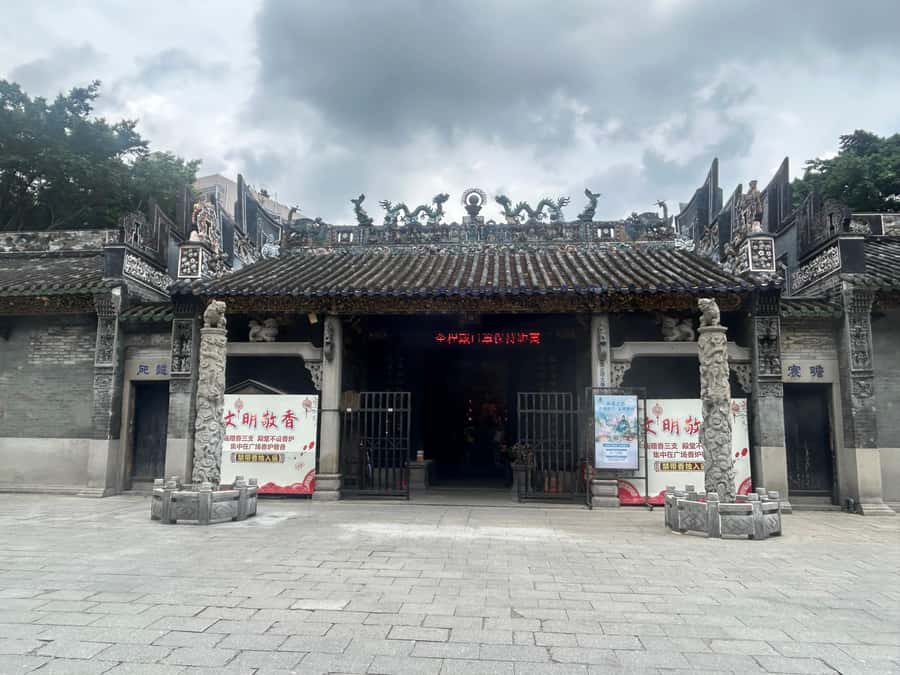
You’ll head to Renwei Temple, a Taoist temple in Guangzhou’s historic Liwan district. Temples here aren’t just architecture; they’re part of the living rhythm of the neighborhood. Even if you’re not a religion person, you’ll pick up how locals frame daily life through ceremony and community space.
The big practical value: it sets the tone early. Instead of rushing into shopping streets and photo stops, you start with a place that teaches you what the area is about.
Liwanhu Park
Next up is Liwanhu Park, where local people dance, sing, and play games. This is the kind of stop that makes a walking tour feel real, because you’re seeing how older neighborhoods use public space.
If you’re traveling solo or you’re a little shy, don’t worry. You’re not expected to jump into a game. You just watch, learn the cadence of everyday life, and move on. It’s also a helpful physical reset—your legs get a moment of breathing space before the street segments start.
Lychee Bay and the Xiguan house experience
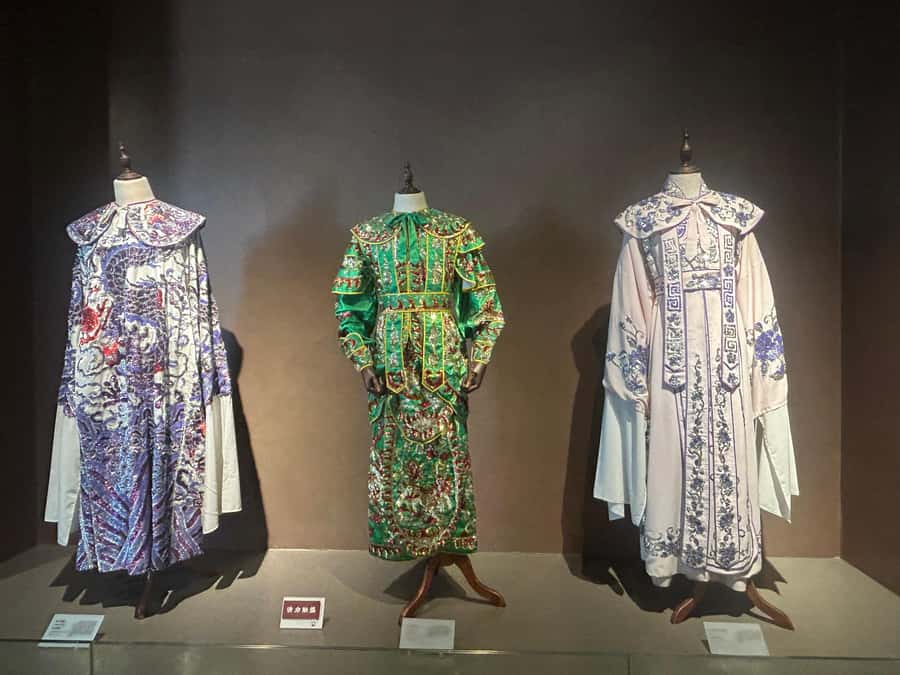
Then the tour pivots to Lychee Bay, a place known for well-preserved Xiguan houses. This is where you see how the wealthy in Guangzhou’s Lingnan region lived—courtyard style, with spaces shaped by climate and neighborhood identity.
What I like about this stop is that it gives you a visual baseline. After Lychee Bay, the rest of the streets make more sense. You start noticing details you’d otherwise miss: how buildings face the street, how residences relate to neighbors, and how the “old town” isn’t only about temples—it’s about homes, too.
A note to set expectations: this isn’t a slow, formal guided museum tour. It’s a walking experience, so you’ll get time to observe and ask questions, but you should still be ready to keep moving.
Duobao Road and En’ning Road: markets, shops, and snack-street reality
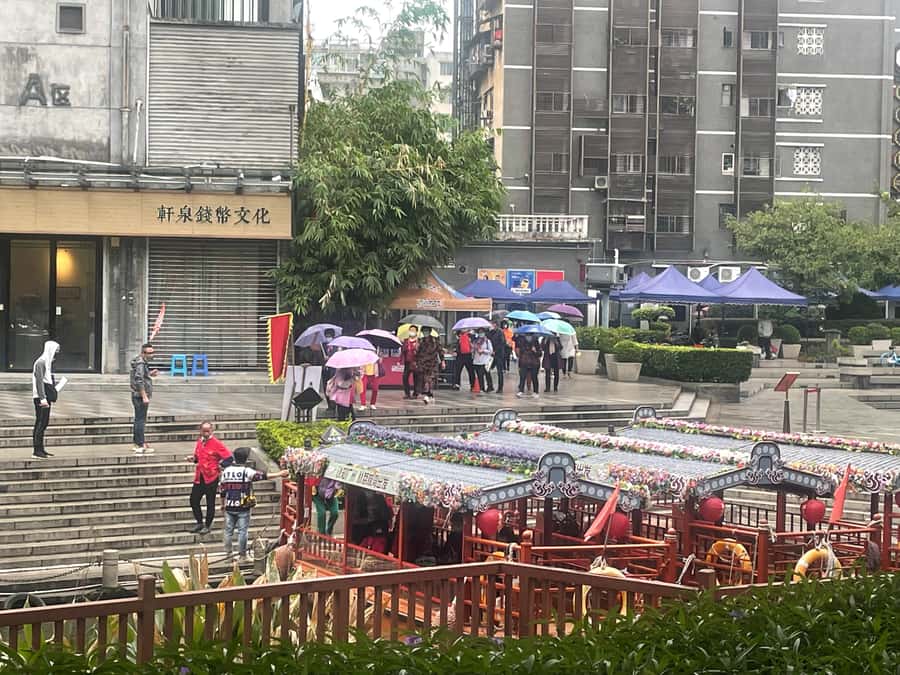
If you want a feel for real Cantonese street life, this is where it shows up.
You’ll stroll along Duobao Road and En’ning Road, and it’s the kind of area where you can watch daily commerce unfold: people moving through shops, markets doing their thing, and a snack scene that reflects how locals actually eat.
This is also where you’ll learn to “read” the street. The guide helps you connect the visual chaos (in a good way) to cultural and historical context. You’ll understand why certain foods and shop styles fit here, and how this old-town identity keeps living through everyday routines.
One consideration: snack streets can be overwhelming if you’re sensitive to crowds, strong smells, or lots of choices. The tour tries to keep the route manageable, but you’re still in the middle of city life.
Yong Qing Fang and Shangxiajiu Pedestrian Street: old lanes meet modern crowds

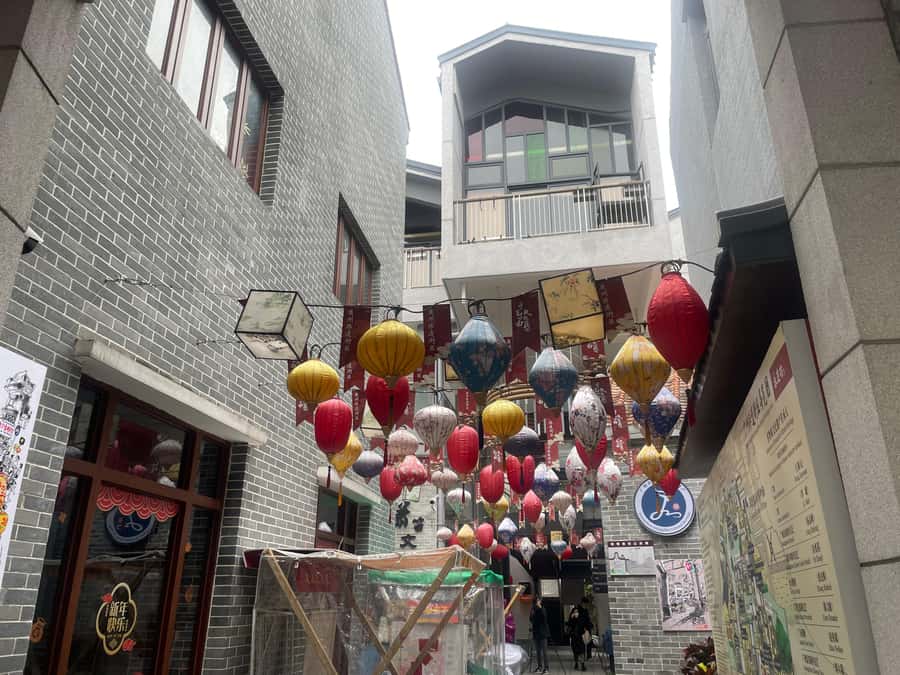
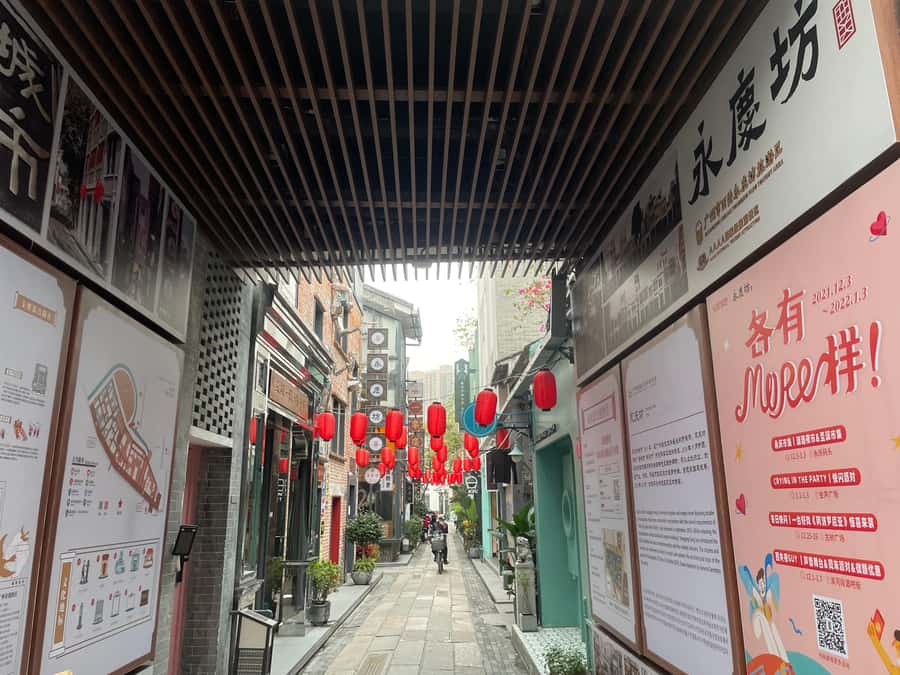
After the classic street segments, the tour heads into Yong Qing Fang in the heart of the old town. This is a useful stop because it bridges heritage and present-day energy. You get another layer of how the neighborhood stays active, not frozen in time.
Then you move to Shangxiajiu Pedestrian Street, one of Guangzhou’s famous walking lanes. Here the vibe shifts toward shopping and city convenience. It’s a good contrast: you can feel the change in how people travel through space—more commercial, more fast-moving, less courtyard and lane life.
Why it’s worth including: this part gives you context for how Xiguan lives inside a much bigger modern Guangzhou. The old town isn’t isolated. It’s plugged into the city’s main circulation.
Shamian Island on the Pearl River: quiet streets, big-tree calm
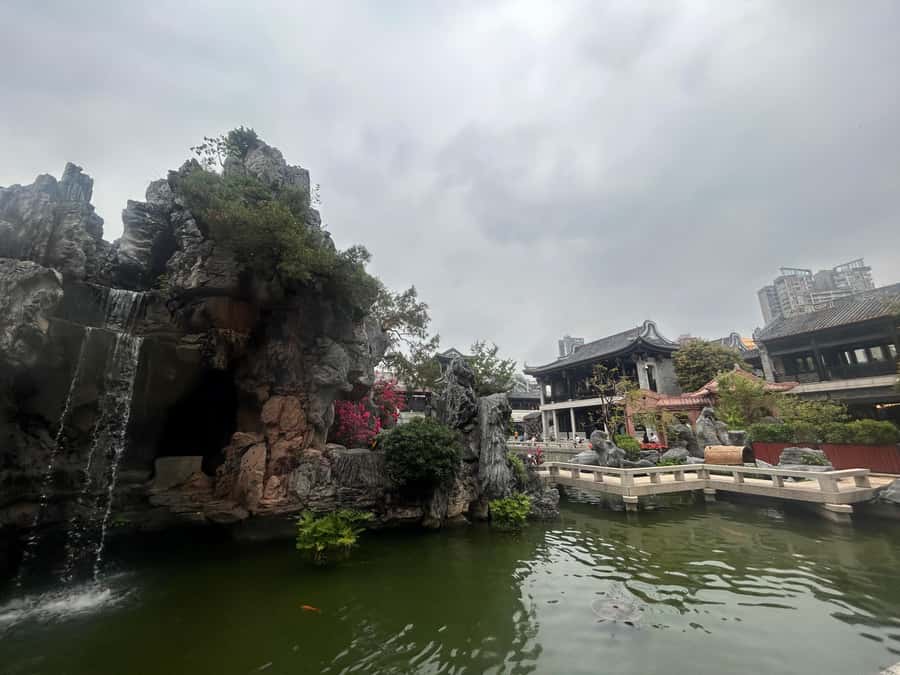
To end, you’ll go to Shamian Island, a charming neighborhood bordering the Pearl River. This is a different mood from the dense street markets. Expect tree-lined streets and a more relaxed colonial-era feel, where the walk becomes easier on the nerves and better for photos.
Finishing here is a smart move. You start with heritage intensity (temple and park), move through street life (snacks and markets), and then close with calmer scenery. It’s also the easiest place to slow down at the end and actually look around.
If you want the “wow” moment of the trip, it’s often here: the change in atmosphere, the street layout, and that sense of space near the river.
Price and timing: is $89 for 3.5 hours worth it?
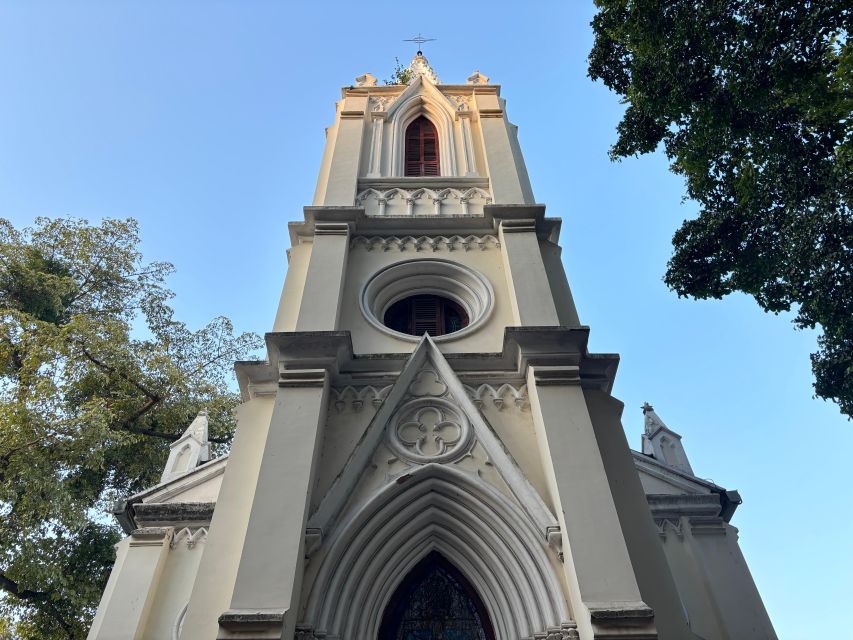
At $89 per person for about 3.5 hours, you’re paying for a guided route that hits multiple neighborhoods without you coordinating transit and navigation on your own.
Here’s how I judge value for a tour like this:
- You get a live English guide who connects sites into a story.
- You have entrance fees covered and bottled water provided.
- You cover several distinct areas in one half-day: Liwan district heritage spaces, old-house stops, main pedestrian streets, and Shamian Island.
If you tried to do this alone, you could absolutely walk some segments. But the time cost adds up fast in a city like Guangzhou—figuring out the best order, finding entrances, and knowing what details to look for. This tour is essentially a time-saver plus an interpretation service.
Small practical note: you’re moving most of the time. If you’re the kind of traveler who likes long sits and slow museum absorption, this may feel like a packed loop. If you’re happy with active walking and learning on the way, it’s a solid deal.
What to expect day-of: walking style, pace, and comfort
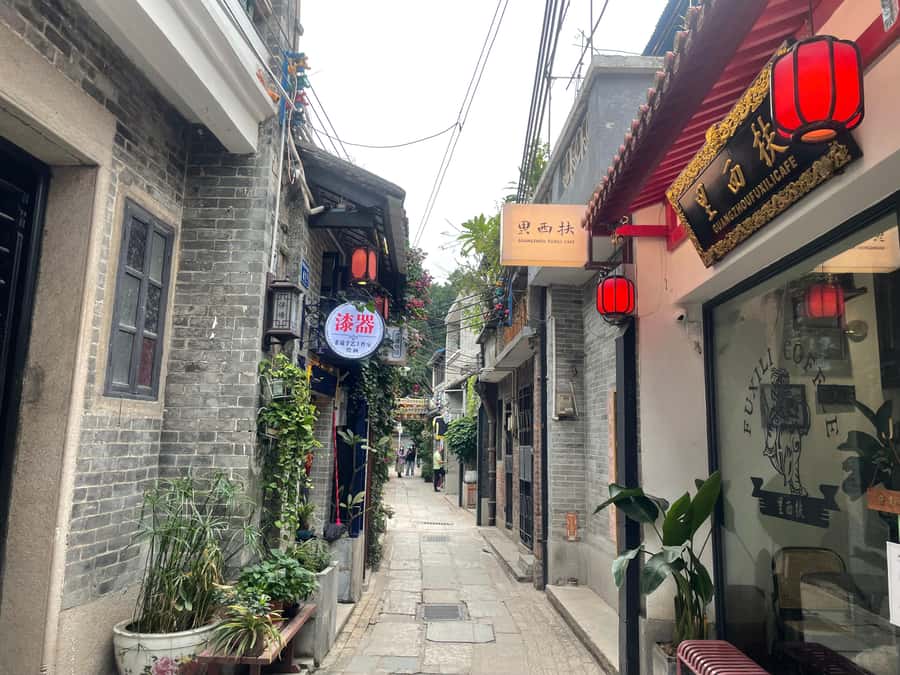
The tour is a guided walk, so it’s not “stand here, take photo, move on” the whole time—but it also isn’t a leisurely stroll with lots of sit-down breaks.
You’ll meet your guide outside Exit A of Zhongshanba Station on Metro Line 5. The guide holds a sign with your name, which helps if you arrive a bit early and don’t want guesswork.
You should bring comfortable shoes. Seriously. The day is about walking through neighborhoods and street environments, and you’ll be glad you dressed for it.
Food-wise, you may hit a snack street stop where the options can include seafood. One guide’s style included dessert sampling and even a specialty coffee idea (civet coffee is sometimes associated with this kind of stop). If you have dietary rules, tell your guide what you can’t eat, because rerouting can be possible at the snack stalls.
Also, at the end, the guide helps you get back to your hotel area by taxi or metro. That keeps the finish clean, especially if you’re not sure which station is easiest for your return.
Who this Guangzhou Xiguan walk is perfect for
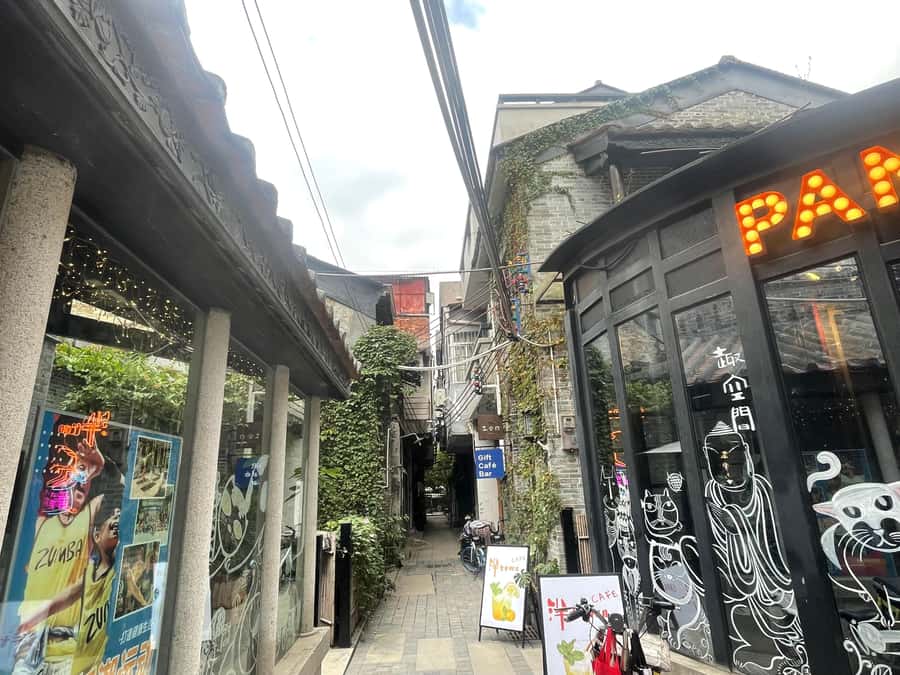
This is a great fit if you:
- Want historic Guangzhou without museum overload
- Like street-level learning: parks, temples, markets, and old residences
- Prefer a guided route that saves you from planning every turn
- Have about half a day and want both old town and river-side scenery
It’s not the best match if you:
- Hate crowds or don’t like busy shopping/market streets
- Need lots of long breaks and slow pacing
- Have strict dietary needs and want a tour that guarantees vegan-only stops (snack streets can be mixed)
If your goal is a quick, meaningful cultural orientation to Xiguan, this tour checks the boxes.
Should you book this Guangzhou Xiguan walk?
I’d book this if you want a guided half-day that connects Liwan’s heritage sites, the Xiguan house area of Lychee Bay, classic street shopping and snack culture, and then a calmer close on Shamian Island.
Skip it or consider an alternative if you’re very sensitive to crowds, really dislike walking, or need food that avoids mixed meat/seafood contexts. Otherwise, this is the kind of tour that makes you feel like you understand the neighborhood by the time you’re done—because you don’t just look at places, you move through the city like a local.
FAQ
Where do I meet the guide for the tour?
Meet your guide outside Exit A of Zhongshanba Station on Metro Line 5. The guide will be holding a sign with your name.
How long is the Walking Tour of Xiguan Ancient Town?
The tour lasts about 3.5 hours.
Is the guide English-speaking?
Yes, the tour includes a live English tour guide.
What’s included in the price?
The tour includes a local guide, entrance fees, and bottled water. Hotel pickup is included only if you select that option when booking.
What should I bring?
Wear comfortable shoes since it’s a walking tour.
Can I get a refund if my plans change?
Yes. You can cancel up to 24 hours in advance for a full refund.