REVIEW · GUANGZHOU
Foshan Cultural One Day Tour including Ancestral Temple & Nanfeng Ancient Kiln
Book on Viator →Operated by Hantang International Travel Service · Bookable on Viator
Ceramics and temples in one long day. This Foshan cultural tour turns Foshan’s craft reputation into something you can see and even touch, with an easy day-trip format from Guangzhou plus hotel pickup and an English-speaking guide. You’ll start at the Foshan Ancestral Temple, where the setting mixes religion with everyday local history.
What I especially like is how the day is built around two big sensory moments: watching traditional pottery at Nanfeng Ancient Furnace, then trying the pottery wheel yourself. You also get an included Chinese-style lunch, so you’re not hunting for food between stops.
One possible drawback: parts of the ceramics shopping scene can change. A recent experience flagged Shiwan’s Art Ceramics Market as closed for renovations, and there were also reports of lunch and pickup timing not going smoothly. If shopping is your main goal or you have strict food needs, plan to confirm details ahead of time.
In This Review
- Key things to know before you go
- Foshan’s ceramics: why it matters (and what you’ll notice)
- Morning transfer from Guangzhou: a full day, planned
- Foshan Ancestral Temple: Daoist worship plus local civic history
- Nanfeng Ancient Furnace: watch pottery in a working setting
- Shiwan Art Ceramics Market: where to shop with your eyes open
- Lunch plus timing: don’t let your energy crash mid-day
- Price and value: is $179 a good deal?
- Who this tour is best for (and who might not love it)
- Should you book the Foshan Cultural One Day Tour?
- FAQ
- What is included in the Foshan Cultural One Day Tour?
- How long is the tour and what time does it start?
- Where does the tour take place?
- What are the main stops during the day?
- Is there a pottery demo or hands-on activity?
- Is the tour private?
- Is lunch included, and what kind?
- What level of walking should I expect?
- How does cancellation work?
- Do I need to buy tickets separately?
Key things to know before you go
- Private day trip from Guangzhou means a smaller, calmer pace than larger bus tours.
- English-speaking guide helps you connect the dots between Daoist temple traditions and ceramic making.
- Nanfeng Ancient Furnace is still in use, so you’re watching a working craft, not a staged show.
- You get a pottery wheel try, which is the best souvenir-proof moment of the day.
- Shiwan market hours can shift due to renovations, so keep expectations flexible.
- Moderate walking means comfy shoes matter, especially inside busy temple grounds and markets.
Foshan’s ceramics: why it matters (and what you’ll notice)
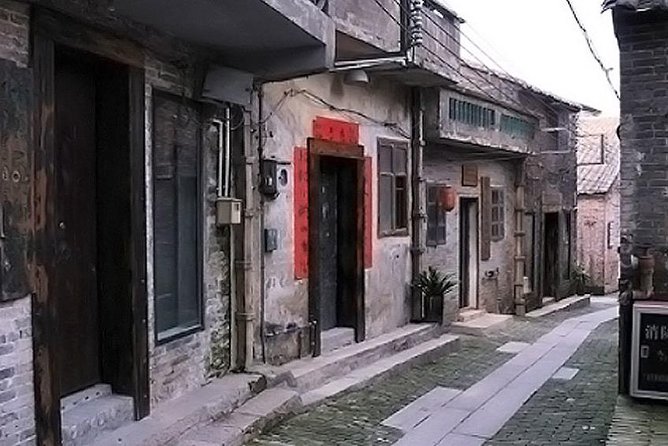
Foshan isn’t just a place that sells ceramics. It’s a city shaped by making. That comes through at every stop, from the ceremonial and communal role of its old temple to the ongoing craftwork at the furnace.
At the Ancestral Temple, you’re not only looking at buildings. You’re seeing how different industries helped shape the place—decorations, furnishings, and even contributions tied to local production. Then at Nanfeng Ancient Furnace, the story flips from symbolism to technique: you’ll see how the craft has been handed down and kept alive over centuries.
And when you reach the Shiwan ceramic market, you’ll notice the difference between mass-produced souvenirs and pieces that look designed. Even if you don’t buy anything, it’s a great way to train your eye for common styles, tile patterns, and the kind of sculptural details Foshan is known for.
You can also read our reviews of more tours and experiences in Guangzhou.
Morning transfer from Guangzhou: a full day, planned
The tour starts around 8:00 am and runs about 8 hours total. You’ll travel by private, air-conditioned vehicle with a professional driver and enjoy round-trip hotel pickup and drop-off.
Here’s the practical part: eight hours sounds short until you add travel time, temple time, furnace time, lunch, and shopping. This tour keeps you moving, but it’s still structured enough that you’re not guessing where to go next.
One more practical note: the walking is described as moderate. That means you’ll want shoes you can stand in for a while, plus something light for warm weather—Foshan can feel humid, and temples and markets tend to have lots of foot traffic.
Foshan Ancestral Temple: Daoist worship plus local civic history
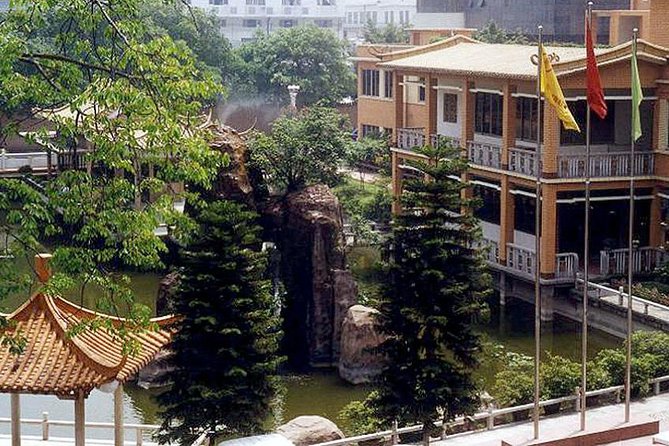
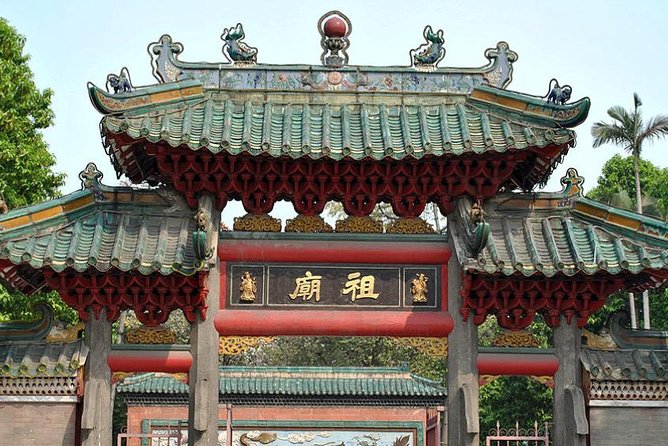
Your first stop is the Ancestral Temple, a major Foshan landmark with roots stretching back to the late 11th century. It was originally built between 1078 and 1085 to offer sacrifices to the Northern Xuantian Heavenly Emperor, and it was later rebuilt in 1372 after the original building was destroyed toward the end of the Yuan Dynasty.
What makes this temple special is that it’s not just a typical religious stop. Before local administrative organization was established in the Qing Dynasty, this was a place for discussing official business—so it functioned in the public life of Foshan, not only the spiritual one.
You’ll also hear the temple’s older name: it was called Zumiao Temple because it was the first temple in Foshan. As you walk through, pay attention to the decoration style and how the furnishings and ornaments reflect local craft traditions. The temple’s buildings and even details like the furnishings were contributed by various industries, largely locally produced, which links directly to why Foshan became known for making things.
If you’re the type who likes context—why a building exists, who used it, and what it meant—you’ll get a lot out of this stop. If you only want modern tourist sights and short photo stops, you might find it a bit more time-heavy than you expect.
Nanfeng Ancient Furnace: watch pottery in a working setting

Next comes the pottery heart of the day: Nanfeng Ancient Kiln / Nanfeng Furnace. This furnace dates to 1506–1521 and is described as a rare furnace with more than 400 years of history. It’s still in use today, and it’s listed as a Guangdong Key Cultural Relic Unit.
That still-in-use detail matters. It means what you see is tied to technique and process, not just reenactment. You’ll also learn how Foshan’s ceramic base formed in earlier dynasties (Tang and Song), then peaked during the Ming and Qing periods—so the furnace is basically a window into the long arc of ceramic making in the region.
During your visit, you’ll watch a traditional pottery demonstration. The highlight here isn’t only watching the craft—it’s that you can have a go spinning the pottery wheel. Even if you don’t produce anything perfect, the experience is memorable because you’ll feel how the hands, tools, and timing come together.
A detail I’d file away: the furnace mouth faces south, and banyan trees behind it help bring cool wind in summer. That kind of design tells you this wasn’t only built for firing; it was built to handle real-life working conditions.
Practical drawback: this is a craft stop, so you’ll want to be comfortable standing and watching for a bit. If you hate hands-on activities, you can still watch—but you’ll get more value if you’re willing to try the wheel.
Shiwan Art Ceramics Market: where to shop with your eyes open
After the furnace, you’ll head to the Shiwan Art Ceramics Market. Shiwan tiles and sculptures are strongly associated with Foshan, and this is where you can browse the kinds of products people actually take home.
This stop is good for two reasons. First, it’s the most straightforward chance to turn what you saw into a purchase. Second, it helps you compare styles you noticed at the temple and furnace—tile-like patterns, sculptural forms, and the craftsmanship level—so you don’t buy blindly.
One important consideration: shopping can be less predictable than the temple and furnace. A recent experience reported the market was closed for renovations. That doesn’t mean it will be closed during your dates, but it does mean you should keep expectations flexible and be ready to shop elsewhere if the day’s access changes.
If you’re shopping, bring small-denomination cash if possible (tour-style exchanges can vary), and give yourself time to look closely at edges and surface finishes. Ceramics can look similar from far away, so don’t rush. The best pieces usually show consistent glazing and clean detailing.

Lunch plus timing: don’t let your energy crash mid-day
Lunch is included and described as a Chinese-style lunch. You’re also dealing with a full day of moving between religious sites, craft demonstrations, and shopping.
That’s why timing matters. You don’t want to sprint through the morning, get to lunch hungry and cranky, and then rush the afternoon. This tour is designed to keep you fed and on schedule, but you should still pace yourself—especially after the pottery demo, which can be more tiring than you expect.
Also, if you have dietary restrictions, don’t assume the included lunch will automatically match your needs. There was at least one report of meat served despite earlier instructions, and another report described a vegetarian lunch being provided but handled differently than expected. My advice: mention your needs clearly when booking, and repeat them the day of with your guide.
Price and value: is $179 a good deal?
At $179.00 per person for an approximately 8-hour private day trip, you’re paying for more than sightseeing tickets. You’re paying for:
- Round-trip hotel pickup and drop-off in a private, air-conditioned vehicle
- English-speaking guide for the day
- Professional driver
- Chinese-style lunch included
- Admission tickets for the stops
For value, the key question is whether you want a private guide and guided context. If you’re traveling with kids, going solo, or you just want less stress than public transport and map-hunting, private can be worth it fast.
You’re also buying convenience. Foshan is close enough to day-trip, but managing schedules yourself can turn into a time sink. This tour packages the day so you can focus on the craft and the temple instead of logistics.
That said, the value depends on the day’s flow. When markets close or pickup timing goes off, it can feel like you lost one of the main reasons you booked. Build a little slack into your plan, especially if Shiwan shopping is your priority.
Who this tour is best for (and who might not love it)
This tour fits best if you want a focused introduction to Foshan’s identity: religion, local civic tradition, and living ceramics craft.
You’ll probably enjoy it if:
- You like hands-on cultural experiences like trying the pottery wheel
- You want a guided explanation for what you’re seeing at the Ancestral Temple
- You’d rather pay for convenience than piece together a day trip yourself
- You’re a first-time visitor who wants a clear route with an English-speaking guide
You might consider skipping or adjusting expectations if:
- Shopping at the Shiwan market is the single most important thing for you and you can’t tolerate any chance of renovation-related closures
- You have very strict dietary requirements and want full control over lunch options
- You prefer extremely light walking and minimal time on your feet
Should you book the Foshan Cultural One Day Tour?
I’d book it if you want a clean, guided way to see Foshan’s ceramics culture in one day—especially if the furnace demo and wheel try sound appealing. The temple stop adds depth, not just photos, because it ties religion to how Foshan historically worked as a community.
Before you hit confirm, do two quick things:
- Ask for clarity on your pickup details and your lunch/diet expectations.
- If shopping is your top goal, ask whether the Shiwan market is expected to be open during your travel dates.
If those pieces are solid, this is a strong value-style day trip that trades stress for craft, history, and a souvenir experience you’ll remember long after the shopping bag gets put away.
FAQ
What is included in the Foshan Cultural One Day Tour?
The tour includes an English-speaking guide, hotel pickup and drop-off, transport by private air-conditioned vehicle, a Chinese-style lunch, a professional driver, admission tickets, and a mobile ticket.
How long is the tour and what time does it start?
It starts at 8:00 am and runs for about 8 hours (approximately).
Where does the tour take place?
It’s a day trip in Foshan, departing from Guangzhou.
What are the main stops during the day?
You visit the Foshan Ancestral Temple, the Nanfeng Ancient Furnace (kiln), and the Shiwan Art Ceramics Market.
Is there a pottery demo or hands-on activity?
Yes. You’ll watch a traditional pottery demonstration at Nanfeng Ancient Furnace and you can have a go spinning the pottery wheel.
Is the tour private?
Yes. It’s described as a private tour/activity, meaning only your group participates.
Is lunch included, and what kind?
A Chinese-style lunch is included.
What level of walking should I expect?
Moderate walking is involved, so comfortable walking shoes are recommended.
How does cancellation work?
Free cancellation is offered. You can cancel up to 24 hours in advance of the experience start time for a full refund.
Do I need to buy tickets separately?
No. Admission tickets for the included stops are part of the tour. You’ll also receive a mobile ticket.