REVIEW · ROME
Hills of Ancient Rome Segway Tour
Book on Viator →Operated by Rolling Rome · Bookable on Viator
Rome on two wheels is pure fun. This small-group Segway outing mixes panoramic stops with landmark storytelling, and it’s built for people who want the highlights without spending hours walking hills. You start with a proper practice session, then roll through some of the most famous ancient sights—plus a few fun, slightly weird ones that make Rome feel like a living puzzle.
Two things I really like: the pre-departure Segway training (you’re not thrown in cold), and the tight group size (max 10, often smaller), which keeps the ride controlled and the stops more personal. As a possible drawback, the “hits” approach means many stops are brief—great for seeing a lot, but not ideal if you want long, quiet time at one single ruin.
In This Review
- Key Highlights You’ll Care About
- Segway Training at Rolling Rome: Comfort Before the Views
- Meeting at Piazza del Gesù: Where Your Tour Truly Begins
- Why the Route Works: Seven Hills, Multiple “Mood” Stops
- Piazza Venezia to Trajan’s Column: Big Power in Small Time
- Foro Romano: Imagining the Everyday City
- Circus Maximus: Chariot-Race Scale Without the Workout
- Aventine Hill Viewpoint: Rooflines, Calm, and Contrast
- The Knights of Malta Keyhole: A Mini Adventure in Sightlines
- Bocca della Verità: The Legend Meets Your Hand
- Capitoline Heights: That “Heart of Rome” Feeling
- Palatine Hill: Old Ruins, Strong Perspective
- Teatro di Marcello: The “Smaller Brother” With a Point
- Colosseum Views (Without the Ticket Pressure)
- Segway Safety and Pacing: What to Expect on the Ride
- Value for $102.12: Why the Price Can Make Sense
- Who This Tour Fits Best (and Who Should Skip It)
- Final Call: Should You Book Hills of Ancient Rome?
- FAQ
- What’s included in the Segway tour?
- How long is the experience?
- How many people are in the group?
- What should I do if I’ve never ridden a Segway?
- Where does the tour start and end?
- Is hotel pickup included?
- Is there an age limit?
Key Highlights You’ll Care About
- Training first, ride second: You get on-site lessons on how to ride and safety before you start sighting.
- Small groups for Rome’s hills: Max 10 travelers (often up to 8), which helps keep pacing steady and manageable.
- Big views with minimal foot slog: You’ll crest viewpoints across multiple hills that are otherwise a workout.
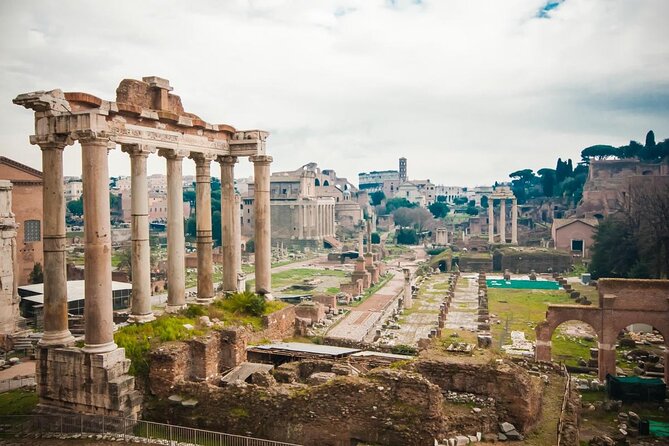
- Classic landmarks plus oddball delights: Think Trajan’s Column and the Roman Forum, but also the Keyhole and Bocca della Verità.
- Safety gear included: Helmets, ponchos for rain, and a ride speed that’s meant to feel confident.
- Easy comfort setup: The start shop area includes toilet access and space for luggage.
Segway Training at Rolling Rome: Comfort Before the Views
The smartest part of this tour is that it treats the Segway like a skill, not a gimmick. You meet at Piazza del Gesù, 47, then start at Rolling Rome’s shop where you’ll get hands-on practice. The training covers how to ride and the safety basics first, so the rest of the tour feels like sightseeing instead of a driving lesson you’re trying to survive.
I also appreciate the small practical perks right at the start. Rolling Rome’s location has a toilet on site and luggage space, plus Wi‑Fi, so you can settle in before rolling out. If you’re nervous, that matters. You’re already in a managed environment before you join the streets and viewpoints.
And yes, you’ll still be outside in Rome’s weather. The tour provides ponchos in case of rain, which is a big deal when you’re using tech gear and want to keep the mood calm. If it’s breezy, don’t worry—it’s part of the charm of being up on hills and exposed viewpoints.
You can also read our reviews of more tours and experiences in Rome.
Meeting at Piazza del Gesù: Where Your Tour Truly Begins
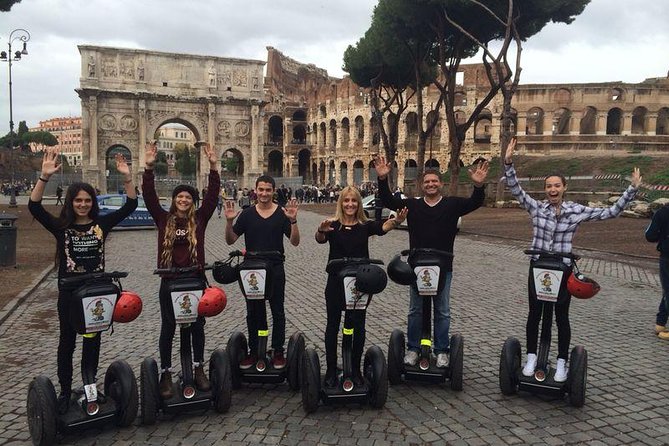
You don’t need a hotel pickup. This tour meets at Piazza del Gesù, 47 (right in Rome’s historic core), and you ride out from there. That’s good if you like arriving under your own steam and starting fresh, without waiting around for a van.
Being near public transportation is another practical win. If you’re coming from central Rome sights like Termini or the Vatican side, you can get yourself there without complicated planning. Just give yourself a little buffer time, since you’ll want to arrive relaxed enough to focus on the training.
Why the Route Works: Seven Hills, Multiple “Mood” Stops
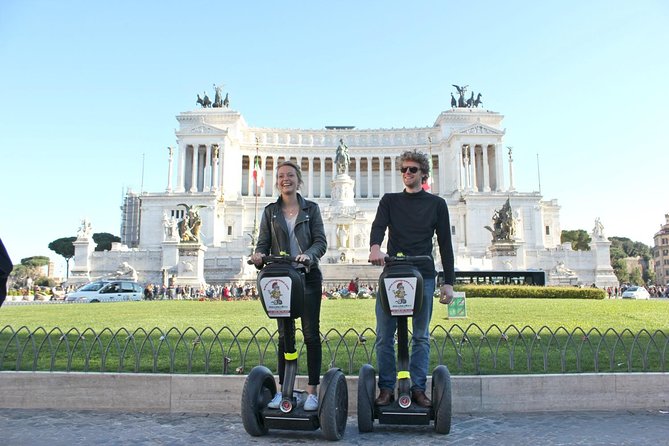
This is billed as a Hills of Ancient Rome experience, and the route design explains why it feels efficient. Instead of hiking up and down like a punishing workout plan, you roll to the top sections, then pause long enough to orient yourself. Rome is layered—empires, emperors, builders, and re-builders—and the viewpoints help you make sense of the whole puzzle.
The pace is also part of the value. The stops are short but targeted, with lots of “look here” moments. You’ll be able to say, I saw that exact landmark and I got the story in plain language. And because the group is capped at 10, you’re not stuck watching a long parade of Segways squeeze through every turn.
Piazza Venezia to Trajan’s Column: Big Power in Small Time
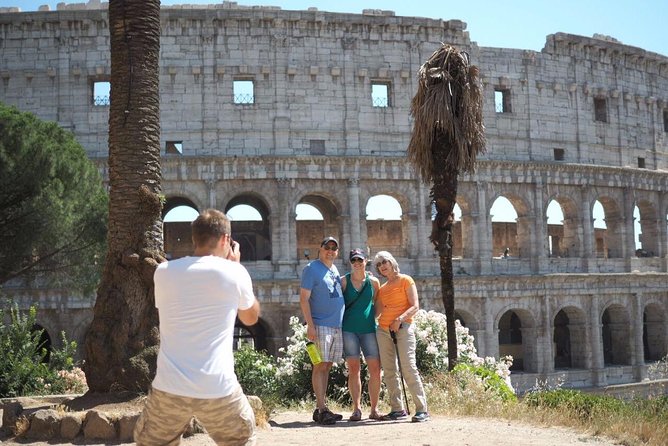
Your first true “story stops” come early. Piazza Venezia is a busy square packed with layers of meaning, so it’s a strong warm-up. In a short window, you’ll get your eyes trained on what’s actually worth looking at first, instead of wandering and hoping you guess correctly.
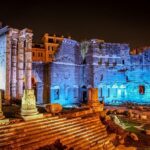
Then you hit Trajan’s Column, a marble column that’s been standing for 2,000 years while telling a detailed story. Even if you don’t memorize every figure, you’ll walk away understanding what the column is doing: it’s propaganda in stone, a visual narrative tied to Emperor Trajan and the Dacian war. A 10-minute stop is fast, but it’s enough time to register why this monument is so famous.
One drawback to watch for: if you’re the type who wants deep museum-level time, these stops won’t feel long. But if you’re aiming for highlights plus good guidance, you’ll probably love it.
Foro Romano: Imagining the Everyday City
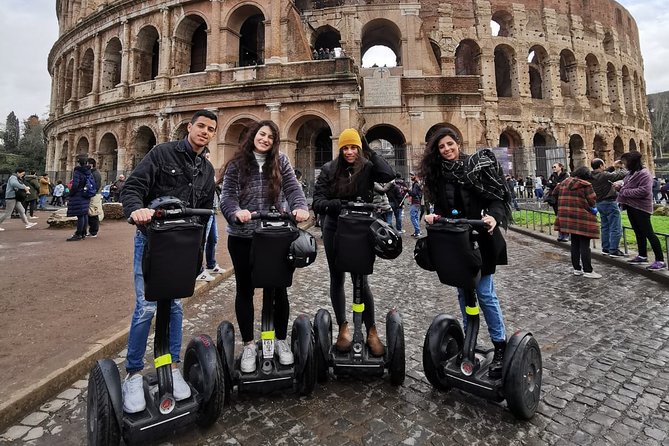
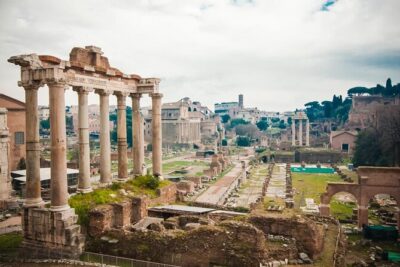
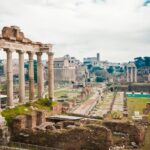
Next comes the Foro Romano, the Roman Forum. The Forum can feel overwhelming if you arrive without a guide, because it’s not one building—it’s a whole system of power, commerce, and public life. Here, the stop is short, but the key is that the guide frames what you’re looking at as everyday activity: markets, shopping (yes, markets as an ancient “mall” idea), politics, public relations, money, and laws.
You’ll also get the useful takeaway that some legal and civic ideas still echo in modern life. That’s the kind of context that turns ruins from “cool rocks” into “oh, so this is where a lot of modern systems came from.”
Practical tip: take a minute to look first, then listen. Rome rewards you when you let your eyes map the shapes before your brain tries to assign meaning.
Circus Maximus: Chariot-Race Scale Without the Workout
Circo Massimo is where the tour shows off its “views without pain” value. You’ll see the site where chariot races took place on a stadium designed for maximum scale, and it was used for thousands of years. Even with a brief stop, the size is the point. It’s hard to understand ancient entertainment scale until you look at something this large.
If you’re into sports history, entertainment, or Roman engineering, this segment gives you a great mental image quickly. If you’re less focused on that angle, still take it as a reminder: Rome didn’t just build empires. It built huge public arenas that ran on crowds and spectacle.
Aventine Hill Viewpoint: Rooflines, Calm, and Contrast
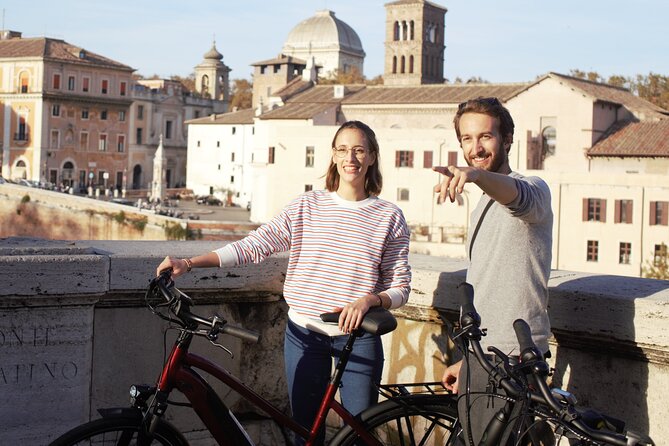
Then the tour shifts to the Aventino hill viewpoint, often a quieter, more scenic-feeling stop compared to the densest core areas. You’ll get a fantastic look at Rome roof tops from up high, and it’s a nice tempo change after monuments and ruins.
This stop also matters because it breaks the “all stone, all time” pattern. Rome’s skyline is part of the story too. Seeing the city from above helps you understand distance and layout—where the Forum sits, where major lines of sight might be, and why certain hills became the places people wanted to be seen.
The Knights of Malta Keyhole: A Mini Adventure in Sightlines
This is one of the fun stops, and it’s exactly the type of thing you want a guide for. You’ll look through Rome’s famous keyhole for a surprise view and learn about the idea of a tiny country inside Rome. The time window is short, but it’s one of those moments that makes the tour feel human and playful instead of only academic.
If you’re coming with kids or friends who don’t want a lecture-heavy experience, this kind of visual gag plus a story is a win. It also gives you a reset break—stand, point, look, and laugh a little.
Bocca della Verità: The Legend Meets Your Hand
Bocca della Verità is pure theatre. You put your hand inside the ancient marble mouth, and the whole experience plays on the idea of a lie detector used through the Middle Ages. It’s not about scientific accuracy. It’s about Rome being Rome—blending myth, ritual, and humor into everyday sightseeing.
Because it’s hands-on, you’ll want to listen to the guide’s setup so you don’t miss the story beat. Also, if you’re there on a rainy day, check your sleeves and plan for the fact that you’ll be standing close and waiting for your turn.
It’s a short stop, but it tends to be memorable for the right reason: you’re participating, not just looking.
Capitoline Heights: That “Heart of Rome” Feeling
Next comes Colle Capitolino, described as the heart of Rome and one of the most important of the Seven Hills. This stop works because it pairs a big label with a real viewpoint. You’ll enjoy a panorama overlooking the entire Roman Forum, so you can finally place the ruins in a wider context.
That’s the practical value here. The tour isn’t just collecting monuments; it’s giving you vantage points that let you connect the dots. When you see the Forum from above, it suddenly looks less like scattered architecture and more like a designed political landscape.
If you’re the type who loves “where would someone stand?” thinking, this stop feeds that instinct. You can imagine movement, ceremonies, speeches, and how the city would have felt from this kind of vantage.
Palatine Hill: Old Ruins, Strong Perspective
Palatine Hill is another major Seven Hills stop, and you’ll focus on the view of old ruins from above. This is where Rome starts to feel personal. The Palatine area is tied to the power centers of antiquity, and even without museum-style pacing, you can sense why this hill mattered.
A quick but helpful framing: treat this stop as an orientation checkpoint. By the time you’re here, you’ve already heard stories about emperors, wars, laws, and public life. Now you’re seeing where so much of it likely unfolded. That’s why the tour’s structure works. It builds understanding in order.
Teatro di Marcello: The “Smaller Brother” With a Point
Teatro di Marcello is described as the little brother of the Colosseum and is actually older. That framing is useful because it nudges you to look for architectural signals: different proportions, different design choices, and the idea that Rome’s entertainment buildings evolved over time.
Even if you’re not a hardcore architecture person, it’s worth paying attention to the way this structure tells multiple stories. It helps you see that Roman architecture isn’t static—it gets re-used, reworked, and repurposed, just like the city around it.
Colosseum Views (Without the Ticket Pressure)
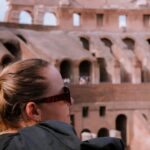
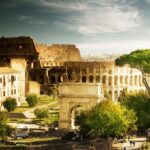
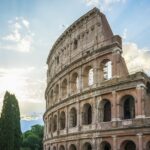
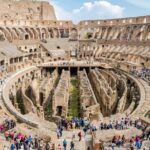
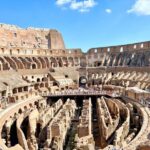
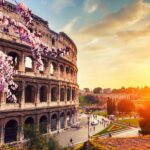
While your time is spread across several stops, the overall experience is meant to include sighting the Colosseum area along the way. You can think of this as “seeing the Colosseum from where the city gives it to you,” instead of treating it like a full-entry museum day.
That’s smart if your main goal is to cover multiple iconic sites in one day without turning your schedule into a ticket-fest. If you want a deep Colosseum interior visit, you can still do that as a separate plan. This tour is for the fast, scenic, story-driven overview.
Segway Safety and Pacing: What to Expect on the Ride
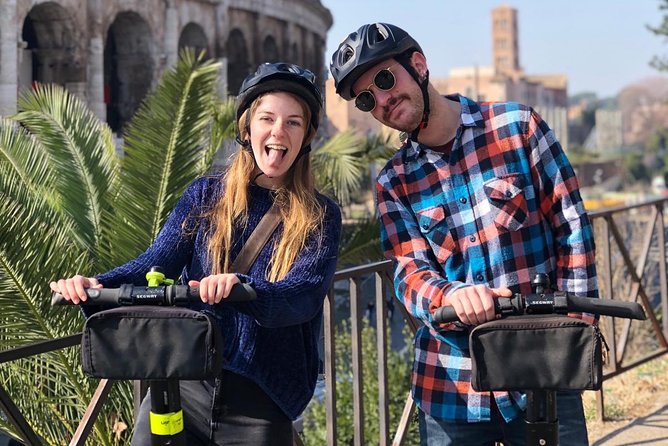
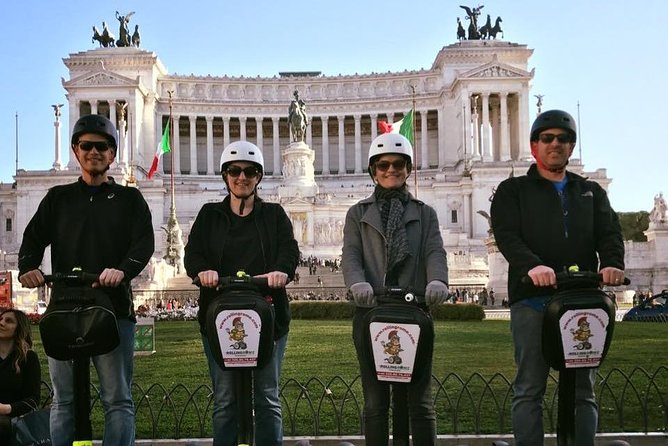
The Segway itself is included, along with helmets, and the ride is structured with a safety-forward approach. The group size cap helps the guide keep everyone moving smoothly and stop without rushing. In practice, the speed is controlled so the tour stays efficient but doesn’t feel chaotic.
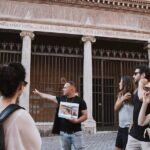
This is also where guides make a difference. People have praised guides like Nico and Nikko for being patient, personable, and full of Rome context. If you’re new to the Segway, that kind of calm instruction changes everything.
One practical thought: bring a mindset that you’re learning briefly, not proving anything. If you focus on feeling steady, the ride becomes an easy way to cover more ground than walking alone.
Value for $102.12: Why the Price Can Make Sense
At about $102.12 per person for roughly 3.5 hours, the value comes from time and coverage. You’re paying for transportation that’s built for hills, plus a guide who turns quick stops into something you actually remember.
For Rome, time is the real currency. Walking between major ancient landmarks can mean big energy costs and long transit chunks. This tour compresses a lot of “Rome essentials” into a focused block, and the small group size makes the experience feel more curated without being pricey in the way some private tours can get.
Is it expensive compared to free? Sure. Is it expensive compared to other guided experiences in Rome? Not necessarily, especially because this includes equipment, training, and a route that would be hard work on foot.
Who This Tour Fits Best (and Who Should Skip It)
This works best for you if you:
- Want a high-impact Rome day without hours of walking
- Are okay with short stops in exchange for seeing many sites
- Like the idea of learning a quick skill (Segway) and then using it immediately
- Prefer small groups for a steadier pace and easier photo stops
You might not love it if you:
- Want lots of time at one single site
- Have trouble with the physical idea of standing and balancing for the duration
- Expect a museum-style slow tour with deep time at each monument
The good news is the tour is marketed as suitable for most travelers, with a minimum age of 15 and children needing an adult.
Final Call: Should You Book Hills of Ancient Rome?
If your goal is to see multiple iconic ancient sites plus panoramic hill viewpoints in one smooth, guided session, I’d say this is a strong booking. The training-first approach and small-group cap are the two reasons it stays enjoyable instead of stressful. You’ll get a structured route through the Seven Hills with a mix of serious monuments and fun Roman oddities.
If you’re already planning separate in-depth visits to big-ticket sites and want only quick overviews, this pairs nicely with that plan. If you’re looking for deep, long-stop archaeology, save your time for a slower, site-by-site day.
FAQ
What’s included in the Segway tour?
The tour includes a local guide, the Segway, helmets, and a pre-departure Segway how-to lesson with riding and safety instruction. Ponchos are included in case of rain.
How long is the experience?
The tour is about 3 hours 30 minutes.
How many people are in the group?
The tour has a maximum of 10 travelers, and it’s described as a semi-private tour with up to 8 participants.
What should I do if I’ve never ridden a Segway?
Training is provided on the spot before you start the main route, including how to ride and safety guidance.
Where does the tour start and end?
The tour starts at Piazza del Gesù, 47, 00186 Roma RM, Italy, and it ends back at the same meeting point.
Is hotel pickup included?
No. There’s no hotel pickup or drop-off.
Is there an age limit?
Yes. The minimum age is 15 years, and children must be accompanied by an adult.