REVIEW · ATHENS
From Athens: Half-Day Ancient Corinth Tour
Book on GetYourGuide →Operated by G.O.TOURS · Bookable on GetYourGuide
Corinth shows you how fast the ancient world connects. In five hours, you’ll see the Corinth Canal, walk through key ruins tied to St. Paul, and get a guided story that makes the places feel real. My favorite parts are the strong on-the-ground context from the guide and the chance to stand in spots that mattered for centuries. The main drawback is that the canal stop is short, and morning traffic can make the day feel a bit rushed.
This is a practical, no-nonsense outing if you want more than a drive-by photo. You’ll ride in a luxury air-conditioned coach, with entrance fees handled, and you’ll be back in Athens by mid-afternoon for many hotel locations. Just note the meeting point details can feel a little unclear at first, so give yourself a few extra minutes to get oriented.
In This Review
- Key takeaways before you go
- Corinth Canal: A Fast Engineering Marvel With Real Sea-to-Sea Energy
- Ancient Corinth and the Agora: Where a City’s Daily Life Still Shows
- Temple of Apollo (6th Century BC): The Big Landmark That Makes the Ruins Click
- St. Paul in Corinth: Two Years That Linked Place to Message
- Port of Cenchreae: A Short Stop With a Big Sea-Arrival Meaning
- Price and Timing: Is $89 a Good Value for This 5-Hour Plan?
- Where the Tour Shines (and Where You Should Adjust)
- Who this tour fits best
- Getting Picked Up in Athens: Meeting Point and Return Timing
- Should You Book This Half-Day Ancient Corinth Tour?
- FAQ
- How long is the Half-Day Ancient Corinth Tour?
- How much does the tour cost?
- What’s included in the ticket price?
- Do I need to pay entrance fees at the sites?
- Is the tour guide available in English?
- Where is the meeting point in Athens?
- Is hotel pickup available?
- What sights will I see at Corinth?
- What’s the return timing to Athens?
- FAQ
- Can I cancel for a full refund?
- Is there an option to pay later?
- When do tours run?
Key takeaways before you go
- Corinth in half a day: canal views plus the most important ancient remains in one tight route
- St. Paul’s Corinth connection: a clear religious and historical thread through multiple stops
- Temple of Apollo ruins: a standout 6th-century BC landmark to anchor the whole visit
- Agora remains: you’ll see where daily life, trade, and civic activity would’ve unfolded
- Port of Cenchreae stop: a short pause at the spot tied to St. Paul’s arrival by sea
- Traffic can compress timing: build in patience, especially on busy mornings
Corinth Canal: A Fast Engineering Marvel With Real Sea-to-Sea Energy
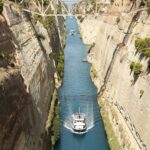
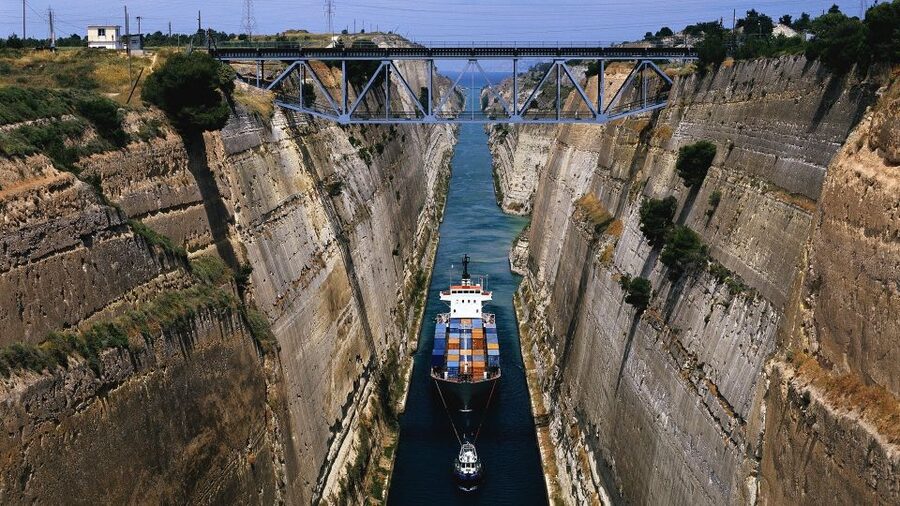
The day starts southwest from Athens, and your first real payoff is the Corinth Canal, the narrow cut that links the Aegean Sea to the Ionian Sea. You don’t get a long wandering time here. You do get the point: this is where geography changed, not just scenery. It’s one of those places that makes you understand why travelers, merchants, and armies would care so much about routes through Greece.
When the stop is around 20 minutes, think of it like a viewpoint break, not a full sightseeing session. I’d treat it as your mental warm-up for the rest of the ruins. Also, if you’re hoping for lots of photos from every angle, aim to be ready right as the group arrives so you don’t lose time shuffling at the edge.
If you’re sensitive to time pressure, this is the one moment where you might wish you had more. It’s still worth it because the canal sets up everything you’ll hear next about Corinth’s access to trade routes.
You can also read our reviews of more tours and experiences in Athens.

Ancient Corinth and the Agora: Where a City’s Daily Life Still Shows
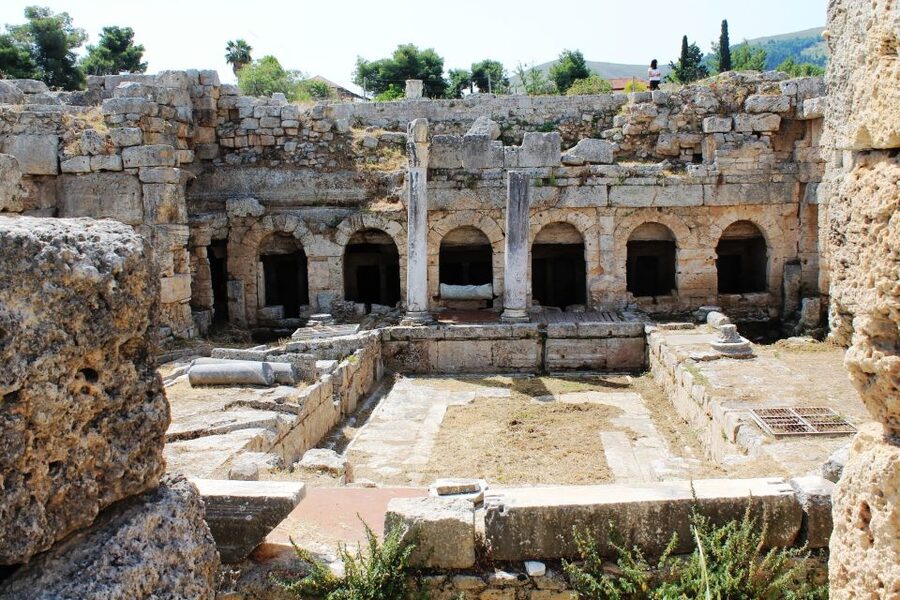
After the canal, you head to the ancient town of Corinth, and that’s where the tour earns its keep. You’re not just looking at random stones—you’re seeing a city plan with a story attached. The remains include the agora, often described as the marketplace. That matters because Corinth wasn’t famous only for temples. It was active, social, and commercial.
When you stand near what’s left of the agora area, you can start imagining movement: people meeting, buying, selling, arguing, negotiating. Even without long walks, it helps you understand why ideas traveled quickly in places like this. Trade draws contact; contact spreads religion, language, and politics.
This is also where the guide’s commentary can really change how you read the site. If you want history that explains how people actually lived, this stop is your strongest match. You’ll see Corinth as a working city, not just a set of monuments.
Temple of Apollo (6th Century BC): The Big Landmark That Makes the Ruins Click
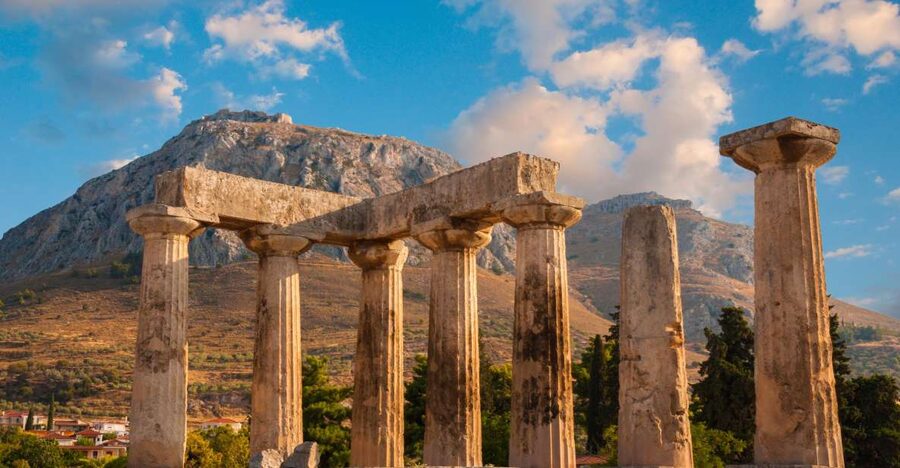
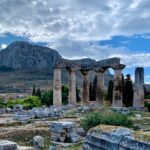
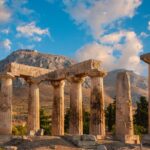
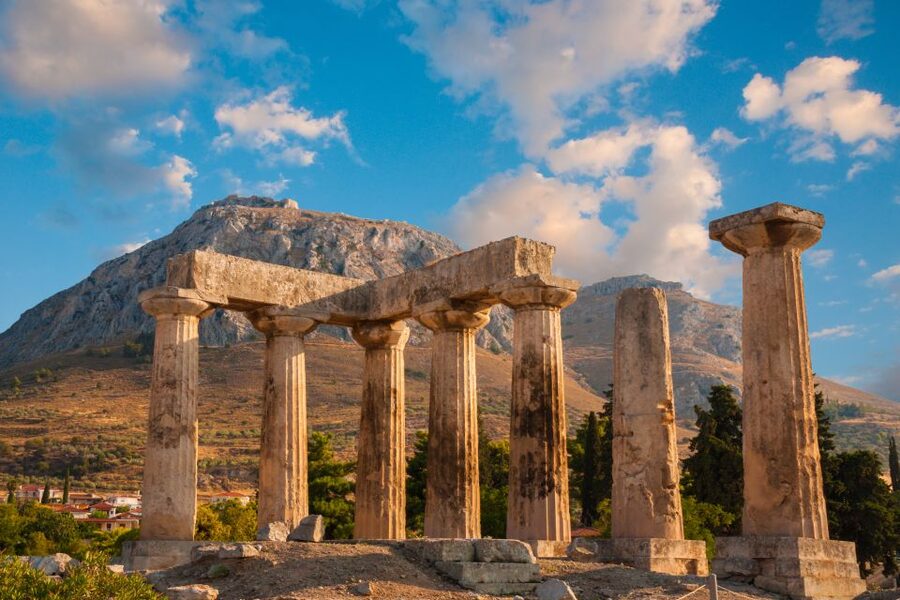
Next comes one of the highlights: the Temple of Apollo, dated to the 6th century BC. This is the kind of landmark that turns scattered ruins into a clear picture. Even if you’re not a classical-architecture nerd, the size and placement help you understand how Corinth organized space around religion and prestige.
I like this stop because it gives structure to the day. The canal is about connections by water. The agora is about connections in public life. The Temple of Apollo is about connections through belief and authority. Put together, they form a timeline you can feel.
Practical note: since this is a half-day, you won’t have hours to linger. You’ll want to keep your camera handy and be ready when your guide pauses for key points. If you’re the type who hates being rushed, it’s worth knowing that the whole schedule depends on traffic.
St. Paul in Corinth: Two Years That Linked Place to Message
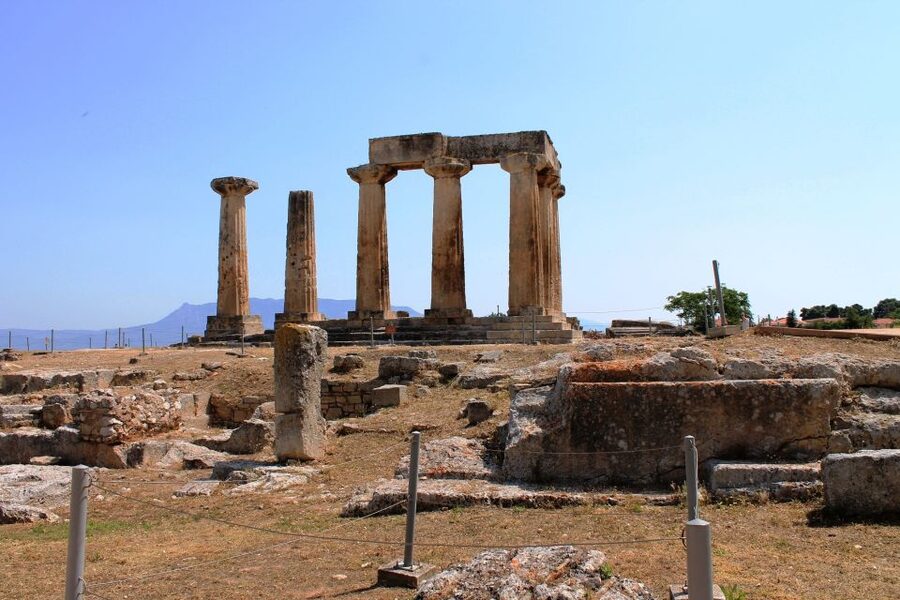
What makes this tour more than a quick archaeology hit is how it ties the site to St. Paul. You’ll visit the ancient Corinth area where St. Paul lived and preached for two years. Hearing that while you’re in the marketplace and temple-adjacent remains changes the tone of the visit. It stops being only about ancient dates and turns into a sense of where messages might have spread.
You also get a second St. Paul moment at the end of the day (more on that shortly). That repetition helps the story stick. Instead of one brief mention, you see the connection between Paul’s work in Corinth and the sea route that brought him into the region.
If you’re interested in early Christian history, or you just like places with strong human stories behind them, this thread is the emotional backbone of the whole experience.
Port of Cenchreae: A Short Stop With a Big Sea-Arrival Meaning
The final stop is at the ancient Port of Cehrees (also commonly linked as Cenchreae), where St. Paul is associated with disembarking. This is a shorter visit than the rest, and it’s best understood as a positioning stop—a way to close the loop between Corinth’s inland life and its maritime access.
Ports tend to feel less dramatic than temples, so manage expectations: you’re not walking around a huge preserved complex here. But the value is in the context. Standing at a port-linked point helps you picture the practical reality of travel in that era—arrival, departure, the flow of people and goods.
If you love “how did people get here” questions, this stop will land well. If you’re mainly in it for major ruins you can spend time on, you may wish this portion was longer—but the half-day format keeps the focus on the essentials.




Price and Timing: Is $89 a Good Value for This 5-Hour Plan?
At $89 per person for a 5-hour outing, you’re paying for a tight bundle: a professional English guide, entrance fees, and transport by a luxury air-conditioned coach, plus pickup for most Athens hotels. That’s the key value point. If you tried to do this solo, you’d likely spend more time coordinating rides and paying for entry individually—especially for a schedule that runs on a half-day clock.
The other value factor is that you’re not just seeing one site. You get a “cluster” day: canal + Corinth ruins tied to daily life + a major temple landmark + a port connection. For people who feel limited by time in Athens, this format is efficient without feeling like pure rushing.
Timing consideration: several factors can affect the schedule, especially morning traffic. In practice, that means you might get less lingering time at one stop than you hoped, including the canal. If you’re a slower-paced sightseeing type, you might enjoy a full-day option more—but for many visitors, this half-day hits the right balance.
Where the Tour Shines (and Where You Should Adjust)
This experience does two things especially well. First, it focuses on the places that matter in ancient Corinth—agora and the Temple of Apollo—so the visit stays coherent. Second, the guide-led explanation is a big part of the payoff. People consistently point to guides who kept attention and made the history feel usable.
The “adjustment” you may want is simple: don’t over-plan your photo expectations for the canal. It’s a quick stop. Also, give yourself time to find the meeting point area. The tour’s meeting location is Leoforos Vasilis Amalias and Souri Street, and if you arrive late or confused, you’ll lose the buffer that makes a short tour feel relaxed.
Who this tour fits best
This is a strong match for:
- First-time visitors who want a serious ancient site without losing a whole day
- People who like guided context more than self-paced wandering
- Anyone interested in the St. Paul in Corinth storyline
It may be less satisfying if you:
- Want long, slow museum-style time
- Hate any chance of being “time-managed” by a tight route
- Plan photos all day and need lots of stop-and-return flexibility
Getting Picked Up in Athens: Meeting Point and Return Timing
You’ll be picked up from most hotels in Athens, and you’ll also use a coach pickup system for many coastal-area stays. For hotels near the coast, return transfers are listed around 15:00.
If you’re not using hotel pickup, your meeting point is Leoforos Vasilis Amalias and Souri Street. I’d recommend arriving a little early and taking a moment to confirm you’re in the right spot before you start hunting for the coach.
The day is built as a round trip: you drive to Corinth, do the key stops, and head back along the same route. That makes it easier to plan your afternoon back in Athens.
Should You Book This Half-Day Ancient Corinth Tour?
If you want the highlights of Corinth tied to St. Paul, in a schedule that works with a busy Athens stay, I think this is a good booking. The biggest reason: you’re not sacrificing the core sites for time. You still get the Agora area, the Temple of Apollo, and the Corinth Canal—and the guide helps connect those dots.
I’d book it if you’re okay with a shorter canal moment and you can be flexible about timing if traffic is heavy. If you’re craving extra time at fewer stops, you might want to look at longer options. But for many visitors, 5 hours is exactly what you need to leave Corinth feeling you actually saw something important—not just passed through.
FAQ
How long is the Half-Day Ancient Corinth Tour?
The tour lasts 5 hours.
How much does the tour cost?
The price is $89 per person.
What’s included in the ticket price?
It includes a professional guide, entrance fees, and transport by a luxury air-conditioned coach, plus pickup service from most hotels in Athens.
Do I need to pay entrance fees at the sites?
No. Entrance fees are included.
Is the tour guide available in English?
Yes, the tour is offered with a live English guide.
Where is the meeting point in Athens?
The meeting point is Leoforos Vasilis Amalias and Souri Street.
Is hotel pickup available?
Yes, there is free pick-up service from most hotels in Athens.
What sights will I see at Corinth?
You’ll see the Corinth Canal, the ancient town of Corinth including the agora and the Temple of Apollo, and a short stop at the ancient Port of Cehrees linked to St. Paul’s arrival.
What’s the return timing to Athens?
If you’re staying near the coast, you’ll be transferred back to your hotel at around 15:00. The tour returns to Athens by the same route.
FAQ
Can I cancel for a full refund?
Yes. Free cancellation is available up to 24 hours in advance for a full refund.
Is there an option to pay later?
Yes. You can reserve now & pay later, keeping your travel plans flexible.
When do tours run?
Check availability to see the starting times.