REVIEW · HURGHADA
Hurghada to Luxor’s Ancient Wonders Private Day Tour
Book on Viator →Operated by Sky Egypt Tours · Bookable on Viator
Luxor starts before breakfast. This private day trip from Hurghada packs Luxor’s biggest sights into one efficient route, with an Egyptologist guide and comfortable air-conditioned transport to keep the long day manageable.
I especially like that your ticket time is used well: you hit the Valley of the Kings, then Deir el-Bahari for Temple of Hatshepsut, and end at Karnak. I also like the practical inclusions—lunch at a local restaurant, all fees and taxes, and private transportation—so you’re not constantly re-checking what’s paid for.
The main thing to consider is the pace: it starts at 5:00am and runs about 15 hours including travel time both ways. Also, some of the most famous tombs and one museum option cost extra, and drinks aren’t included.
In This Review
- Key highlights worth planning around
- Hurghada to Luxor: why the 5:00am start matters
- Valley of the Kings: three tombs, smart touring time
- How to get the most from your tomb time
- A small trade-off to accept
- Hatshepsut at Deir el-Bahari: seeing power carved into rock
- The practical pace point
- Colossi of Memnon: the short stop that earns attention
- Make it a “pause” stop
- Karnak Temple: where to pace yourself before optional add-ons
- Should you do the optional open-air museum?
- Practical tip for Karnak time
- Lunch and comfort: what $145 really buys
- What you should budget separately
- About the guide’s impact
- Who this private Luxor day trip fits best
- Who should think twice
- Should you book this Hurghada to Luxor private tour?
- FAQ
- What time does the tour start?
- How long is the day trip from Hurghada to Luxor?
- Is this a private tour?
- Which major sites have admission tickets included?
- Are drinks included with lunch?
- Are the most famous tombs included?
- What’s the cancellation rule?
Key highlights worth planning around
- Valley of the Kings tomb access: your entrance covers three tombs (with exclusions for Tutankhamun and Seti I).
- Hatshepsut at Deir el-Bahari: a rock-hewn mortuary temple with impressive setting and scale.
- Memnon photo stop with context: you learn the legend and history tied to the Colossi of Memnon.
- Karnak Temple time: about two hours on site, with an optional open-air museum add-on.
- A full day built for comfort: air-conditioned private vehicle plus pickup and a included lunch.
Hurghada to Luxor: why the 5:00am start matters
This tour begins at 5:00am, and that early start is not a small detail—it’s the difference between rushing the sights and actually seeing them. Starting early helps you get into Luxor’s major sites with less day-time congestion, so you can focus on the art and architecture instead of standing around.
Because the total day is around 15 hours, you should plan for a long rhythm: travel, guided stops, lunch, then back to Hurghada. I like that the day is structured and not “free time everywhere,” but it does mean you’ll want to be ready to move when the guide calls it.
Also, keep in mind what’s included and what isn’t. You’ll have entrance tickets for the core stops, but drinks are not included, and extra tombs plus the Karnak open-air museum option have separate fees. If you’re the kind of person who hates surprise add-ons, bring a little cash buffer for those.
You can also read our reviews of more tours and experiences in Hurghada.


Valley of the Kings: three tombs, smart touring time
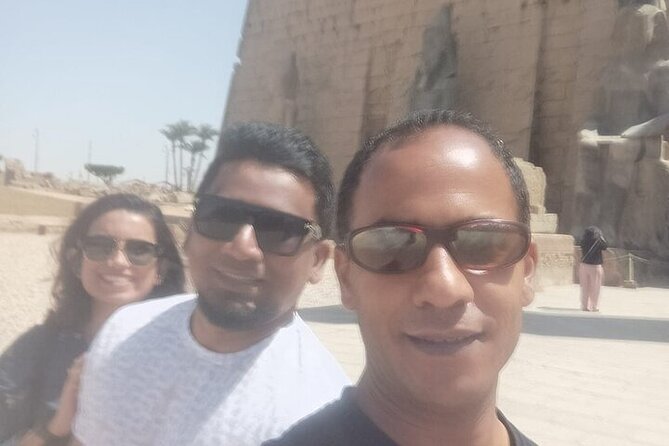
The Valley of the Kings is where the day turns from “historic place” into “wow, humans built this.” Even before you get into the tombs, the scale of the setting hits you, and the guide’s explanations help you understand why so many pharaohs ended up here.
Your entrance ticket includes visiting three accessible tombs. The tour notes that it excludes Tutankhamun and Seti I tombs (and also mentions other extra tombs not covered). That matters because it changes expectations: this isn’t a “see every famous tomb” outing. It’s a best-value route built around what your ticket covers.
How to get the most from your tomb time
Inside tombs, lighting and layout can make photos tricky and walking a bit uneven. Since the tour only gives you about 2 hours total at the valley, I’d focus on one or two tombs for deeper attention rather than trying to speed through all three.
You’ll likely get more out of the experience if you listen closely before you enter, since tomb walls are packed with meaning. A good Egyptologist guide is the difference between seeing decorations and understanding the themes and purpose behind them.
A small trade-off to accept
If Tutankhamun or Seti I are your top priorities, you’ll want to plan for extra tomb fees. The upside is that your ticket still covers multiple tombs in a way that keeps the day on schedule.
Hatshepsut at Deir el-Bahari: seeing power carved into rock

Next up is Temple of Hatshepsut at Deir el-Bahari, a mortuary temple cut into the rock. This stop works well after the Valley of the Kings because it gives you a different kind of “wow”—less underground darkness, more open-air monumentality.
Your time here is about 1 hour, and that’s a good length for staying focused. You’ll see why Hatshepsut matters in Egyptian history, not just as a name on a list, but through the way the temple is laid out and built for ceremony and remembrance.
I like that this is a guided stop rather than a quick walk-by. The guide’s job is to connect what you’re seeing to why it was made this way. When that narration clicks, the temple stops being a backdrop and becomes a story you can trace with your eyes.
The practical pace point
Since the day is long and early, 1 hour can feel just-right. You don’t have to sprint, but you also can’t get lost in daydreams. If you want photos, try to do them without blocking slower visitors or spending so long at one section that you miss the rest of the temple’s key viewpoints.
Colossi of Memnon: the short stop that earns attention
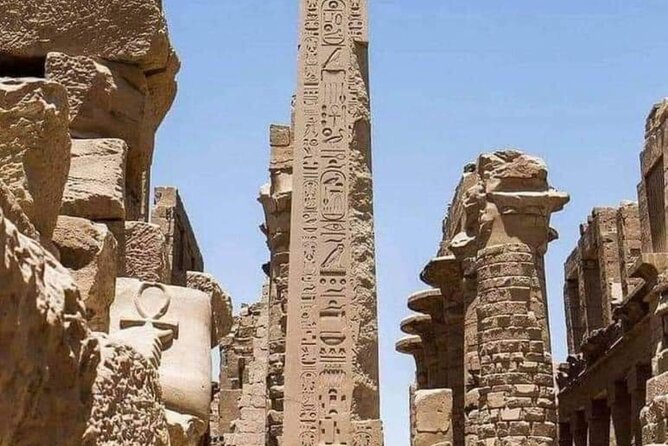
Then you’ll reach the Colossi of Memnon—two towering statues associated with Pharaoh Amenophis III. This is a shorter stop, around 30 minutes, but it can still be one of your favorite moments if you let it be a pause rather than a checkbox.
The tour includes time to learn the legend of Memnon and the history behind these monumental statues. That guided context matters here, because the statues are visually striking on their own, but the meaning makes them stick with you after you leave.
Make it a “pause” stop
With only half an hour, you’ll do best if you treat it like a breather in the middle of a marathon day. Stand back for the full scale, then move closer if you want detail. Keep one eye on the guide so you don’t lose your place for the next segment.
If you tend to get tired by midday in big monuments, this stop is a good reset—short, dramatic, and easy to emotionally “absorb.”
Karnak Temple: where to pace yourself before optional add-ons
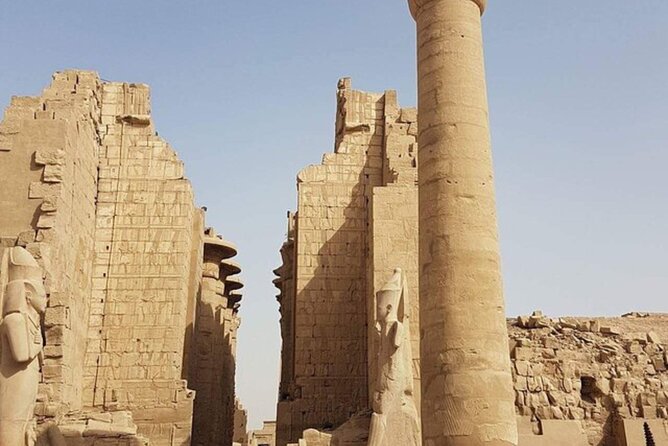
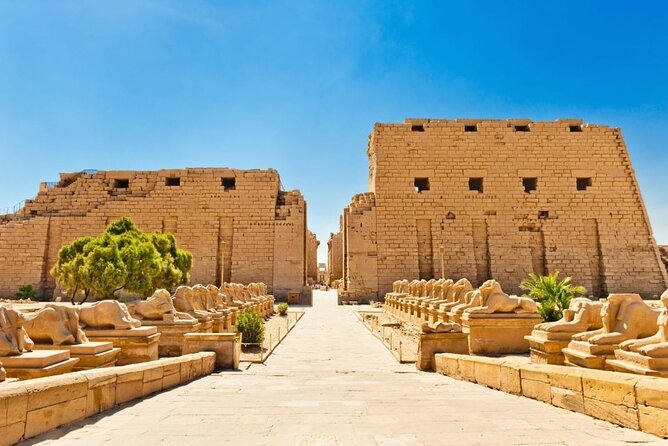
The day’s grand finale is Karnak Temple, described as the second-largest religious temple in the world. You get about 2 hours here, plus a note that there’s an optional open-air museum visit within the temple complex that needs an additional ticket.
Karnak can feel like information overload if you try to see everything at once. That’s why having guided time helps: you get a route through the scale. Instead of wandering, you follow the logic the guide points out, and suddenly it becomes easier to understand the complex as a whole.
Should you do the optional open-air museum?
If you like museums and you’re energized, the optional open-air museum is worth considering since it’s right there in the complex. But if you’re running low on energy (and after a 5:00am start, you might be), skipping it is totally reasonable.
The tour already covers Karnak’s core experience with included admission. So think of the optional museum as a bonus for people who love extra indoor/outdoor context.
Practical tip for Karnak time
Since the day is long, decide ahead of time what matters most to you at Karnak: big-pillared spaces, key temples within the complex, or specific guided highlights. With 2 hours, you can enjoy it without turning it into a sprint—if you let the guide do some of the organizing for you.
Lunch and comfort: what $145 really buys
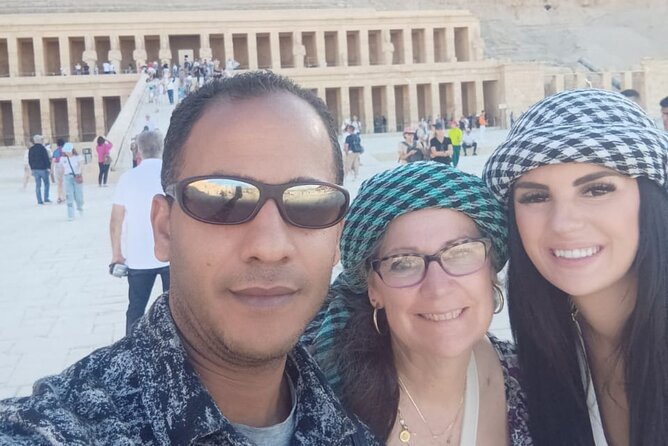
The price is $145.00 per person, and what makes it feel fair is the mix of “inconvenient logistics” included. You get pickup, private transportation in an air-conditioned vehicle, lunch at a local restaurant with authentic Egyptian cuisine, and all fees and taxes for the included sights.
For me, the value is less about the raw ticket cost and more about reducing stress. Hurghada to Luxor is a long day. A private car and an itinerary with guided stops means you’re not trying to coordinate transport, entry timing, and “where do we go next?” decisions.
What you should budget separately
There are a few things to expect outside the base price:
- Drinks (not included with lunch)
- Extra tomb fees for places like Tutankhamun and Seti I, plus Seti I and Ramses V/VI as noted
- Karnak open-air museum option
If you’re the type who wants the most famous tombs, your final spend can rise quickly. If you’re happy with three well-chosen tombs and a full Karnak visit, the base price likely feels like a solid deal.
About the guide’s impact
The best part of this day is the guide. Past experience with guides like Aladin, Alaa, or Alla (names that show up in strong feedback) points to a theme: when your Egyptologist explains what you’re seeing, the monuments feel clearer and far more personal.
You don’t need a deep background in Egyptology to enjoy it—just a guide who can translate ancient art into human meaning. That’s exactly the kind of energy this tour is built around.
Who this private Luxor day trip fits best
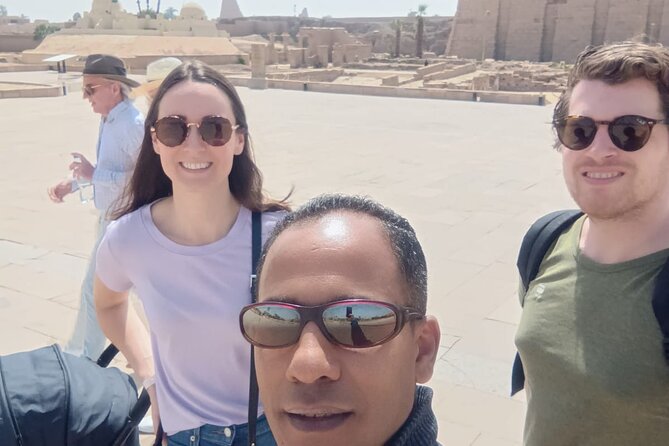
This is a great match if you want a private day with a set route, but you also want expert context at each stop. It’s ideal for couples, small families, or friends who don’t want to share the day with strangers and prefer a smoother, guided pace.
It also fits well if you’re limited on time in Egypt. One long day can still give you the major highlights—Valley of the Kings, Hatshepsut at Deir el-Bahari, Memnon, and Karnak—without forcing you to arrange those connections yourself.
Who should think twice
If you hate early starts or you’re sensitive to long travel days, the 5:00am departure is your biggest consideration. Also, if you’re fixated on specific tombs beyond what your entrance covers, you’ll want to confirm the extra tomb options and plan for the added costs.
Should you book this Hurghada to Luxor private tour?

If your goal is to see Luxor’s top ancient sites in one tightly organized day with private air-conditioned transport and guided stops, I think you’ll like this tour format. The included lunch and admission fees also help you keep the day simple.
I’d book it if:
- You want a guide to explain the story behind Valley of the Kings, Hatshepsut, and Karnak
- You’re okay with a full day and an early 5:00am start
- You’re fine with visiting three tombs rather than specifically chasing every famous one
I’d hesitate if:
- You must see Tutankhamun or Seti I and want everything covered without extra fees
- A 15-hour day (including travel) sounds exhausting rather than exciting
FAQ
What time does the tour start?
The start time is 5:00am.
How long is the day trip from Hurghada to Luxor?
The total duration is about 15 hours, and it includes travel time from Hurghada to Luxor and back.
Is this a private tour?
Yes. It’s a private tour/activity, meaning only your group participates.
Which major sites have admission tickets included?
Admission tickets are included for the Valley of the Kings, Temple of Hatshepsut, Colossi of Memnon, and Temple of Karnak.
Are drinks included with lunch?
No. Drinks are not included.
Are the most famous tombs included?
Your entrance ticket covers three accessible tombs, and it excludes Tutankhamun and Seti I. Fees for extra tombs and the Karnak open-air museum option are not included.
What’s the cancellation rule?
You can cancel for a full refund up to 24 hours before the experience’s start time.
If you want, tell me your travel dates and who’s going with you, and I’ll help you decide whether to budget for extra tombs or stick with the included tombs for the best-value day.