REVIEW · HOI AN
Da Nang: Half-day Hoi An Heritage Walk
Book on GetYourGuide →Operated by Hoi An Express · Bookable on GetYourGuide
Hoi An feels like a time machine. On this half-day walk from Da Nang, you get a guided, foot-first look at how Vietnamese, Chinese, and Japanese influences shaped the town. The route hits places that most people can only piece together on their own, including the Japanese Covered Bridge and the older streets where daily life still sets the pace. Guides such as Hung often make the cultural connections click fast, with a style that’s described as energetic and genuinely fun.
I especially like the way this tour helps you see the blending of cultures, not just read about it. You move from market buzz to assembly halls and old houses, and each stop explains what makes its architecture and setting feel different. I also like that the schedule is built around “you get it, then you look again” moments—short guided visits followed by time for photos and simply walking.
One watch-out: the main sights and market area are in a touristy zone, so even with a guide, some parts can feel a bit crowded. Also, the tour is short, which is great for first-timers—but you’ll likely want extra free time after the walk, especially later in the day.
In This Review
- Key things to know before you go
- From Da Nang City Center to Hoi An: the easy logistics
- Why this heritage walk feels different: the cross-cultural “why”
- Hoi An Market: quick, guided, and made for getting your bearings
- Fujian Assembly Hall: Chinese influence, up close
- Traditional dance show and the folk museum: culture beyond the storefronts
- Tan Ky’s old house and the Japanese Covered Bridge: the two big anchors
- Old House of Tan Ky: why it feels personal
- Japanese Covered Bridge: the photo stop you’ll never fully “get” from a distance
- The “in-between” moments: why those short photo stops matter
- Making the schedule work: tourist area or not, you’ll want more time
- Price and value: is $42 a good deal?
- Who should book this walk (and who might skip it)
- Should you book the Da Nang: Half-day Hoi An Heritage Walk?
- FAQ
- What is the duration of the Da Nang to Hoi An heritage walk?
- What does the tour cost?
- Does the tour include hotel pickup and drop-off?
- What language is the guide?
- What stops are included during the walk?
- What’s included in the price?
- Are unaccompanied minors allowed?
- Is there free cancellation?
Key things to know before you go
- Da Nang hotel pickup and drop-off (in the city center; not Son Tra Peninsula), so you don’t have to figure out transport.
- A cultural route that actually compares influences across Vietnamese, Chinese, and Japanese styles.
- Hoi An Market gets real time for a quick photo-and-stroll reset.
- Fujian Assembly Hall brings in the Chinese architectural flavor with guided context.
- Traditional dance show + folk museum add more than sightseeing photos.
- Tan Ky and the Japanese Covered Bridge are the anchor stops for heritage and best-picture angles.
From Da Nang City Center to Hoi An: the easy logistics
This is a straightforward half-day plan. You start with hotel pickup in Da Nang City Center, then you head toward Hoi An and spend the day walking and stopping as a group before returning to Da Nang at the end. Because the pickup is handled for you, you avoid that early-morning scramble—especially if you’re staying in town and don’t want to hire a driver for a tight schedule.
The tour is listed as about 5 hours total (with starting times that vary by availability). That matters because Hoi An’s heritage area is at its best when you can take breaks, wait out the busiest moments, and still have energy for photos. A half-day format is ideal when you already have a plan for the evening.
Also note the language setup: the guide is English-speaking (other languages are available upon request with a surcharge). So if you want explanations, not just a checklist of landmarks, this is the right style.
You can also read our reviews of more tours and experiences in Hoi An.



Why this heritage walk feels different: the cross-cultural “why”
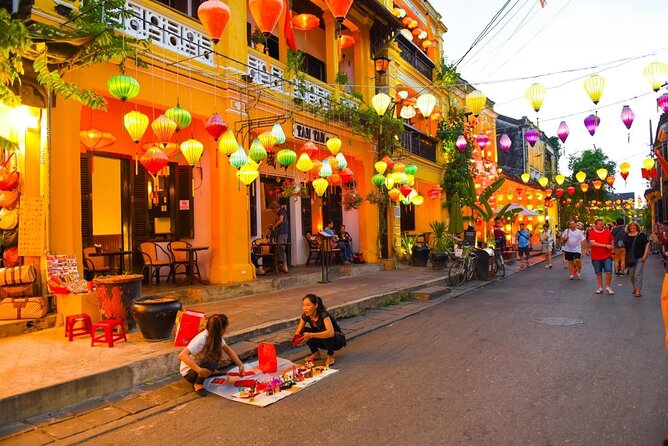
Hoi An is famous for being beautiful, but the real value here is how the guide helps you connect the dots. In a short window, you see how different communities shaped the town’s built environment: Vietnamese everyday life, Chinese influence visible in assembly halls, and Japanese presence strongly associated with the iconic covered bridge.
That cross-cultural approach is useful for your brain as a visitor. Instead of treating the sights as separate tourist stops, you begin to notice patterns—how certain buildings are designed for community gatherings, how street layouts encourage foot traffic, and how particular architectural features signal who built or influenced what you’re seeing.
It’s also a smart way to handle “heritage fatigue.” When you’re walking around an old town, the risk is that everything starts to look the same. Here, each stop gives you a different lens, so you don’t just scroll past it with your camera.
Finally, you’ll likely get a stronger appreciation for why so much of the town still feels lived-in. Even with weather changes and the passage of centuries, Hoi An’s older sections manage to keep their character, down to small touches on houses and the slower rhythm of daily life along the streets.
Hoi An Market: quick, guided, and made for getting your bearings
The tour’s first major town stop is Hoi An Market with a 30-minute photo stop and guided visit. This is not a long market tour where you’re expected to spend hours shopping. Instead, it’s a “get oriented” moment.
Why I like this timing: the market helps you shift gears. You go from “travel logistics and big landmarks” into the everyday setting where locals trade and move around. Even if you’re not shopping, you’ll get a sense of what the town feels like when it’s not posed for photos.
The market also gives you a practical advantage. After you’ve seen the energy in one area, the quieter streets later on feel more meaningful. You don’t just tour heritage—you understand what heritage is sitting next to.
If you’re sensitive to crowds, keep your expectations realistic. This area is popular, and during peak times it can get busy fast. Still, the guided time is useful because you won’t waste your limited energy wandering in circles.
Fujian Assembly Hall: Chinese influence, up close
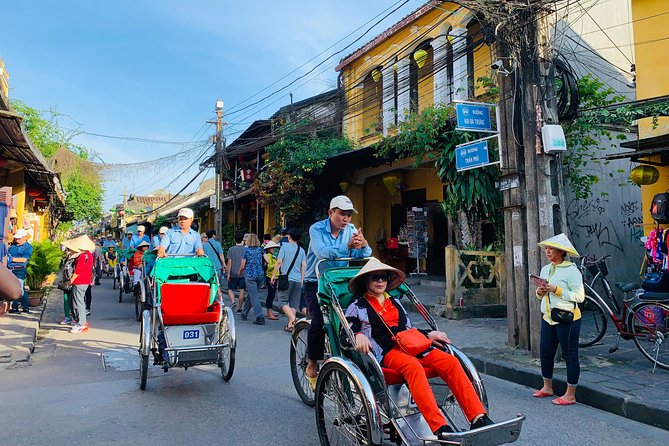
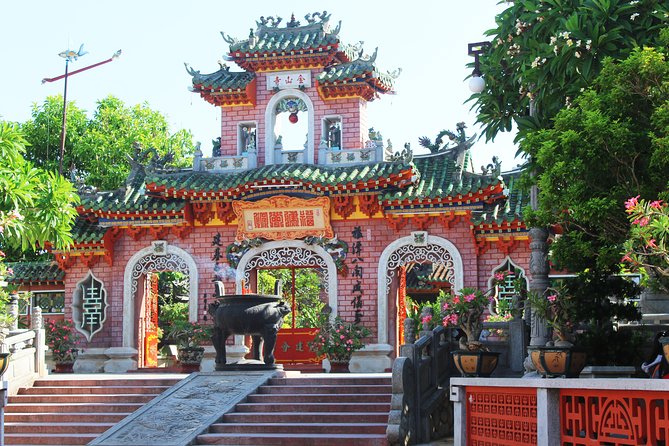
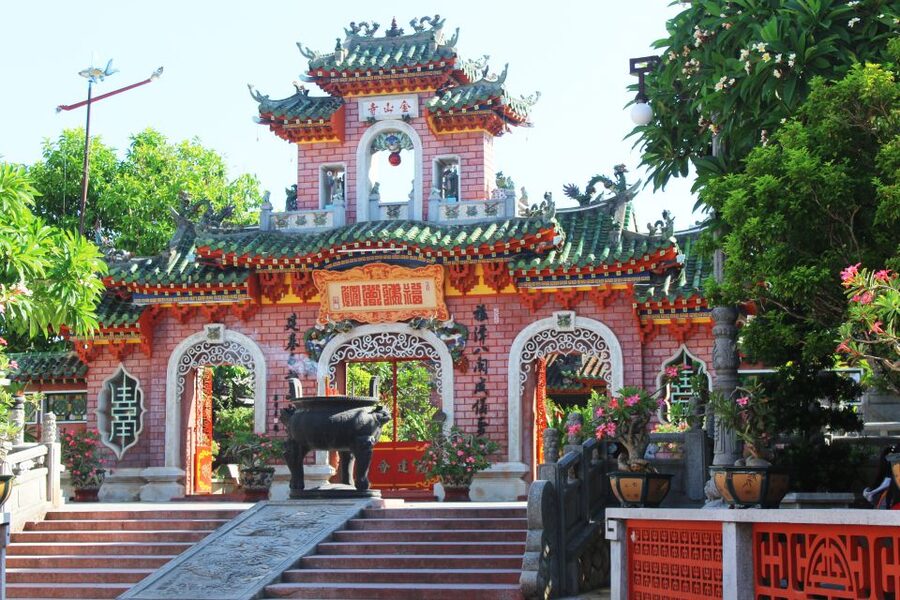
Next comes a guided stop at Fujian Assembly Hall, with around 20 minutes for photos, sightseeing, and explanation. This is one of the places where the cultural comparisons start to feel real.
Assembly halls are community spaces, and the Fujian connection helps explain why Hoi An’s older architecture reflects more than one group’s ideas of order, gathering, and design. Even if you’re not an architecture expert, you can usually grasp what makes these halls special once you’re told what to look for.
A good move here is to slow down for a moment when your guide pauses. Let your eyes adjust, then look at how the entrance, interior structure, and surrounding spaces guide people through. Those design choices are what make the place feel purposeful instead of just old.
Traditional dance show and the folk museum: culture beyond the storefronts
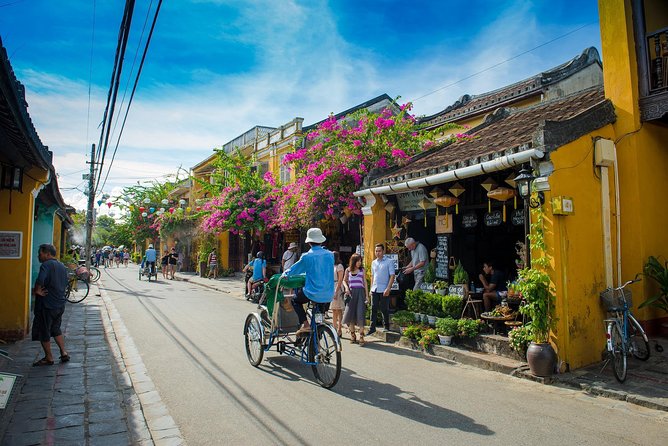
The middle of the walk adds two stops that go beyond buildings and bridges.
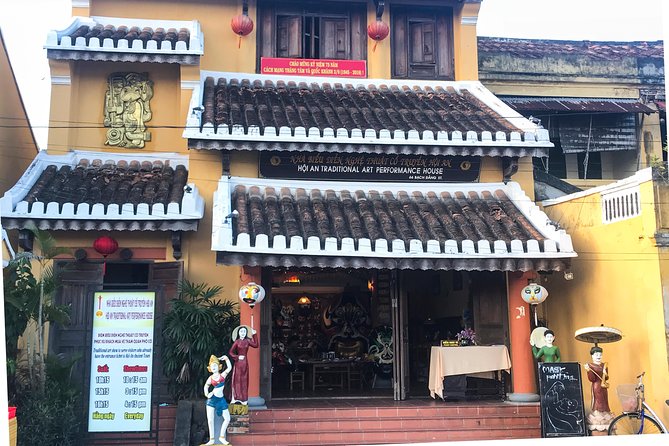
First is a visit that includes a traditional dance show, about 40 minutes. This is a nice balance after walking. It also gives context to the heritage vibe. Architecture is one part of Hoi An’s story; performance and folk culture are another, and they help you feel what the town’s traditions can still look and sound like.
Then there’s a shorter Hoi An folk museum stop with around 15 minutes for photos and a guided visit. A short museum visit can feel rushed if you prefer to read everything. But that’s not the point of this format. Here, the guide uses the museum as a quick, structured way to deepen what you just saw outside—helping you connect objects, themes, and the idea of everyday tradition.
If you’re the type who likes to take in information, this stop may be a highlight. If you’re more of a “show me the street scenes” person, keep your energy up—you’ll get more classic heritage architecture soon.






Tan Ky’s old house and the Japanese Covered Bridge: the two big anchors
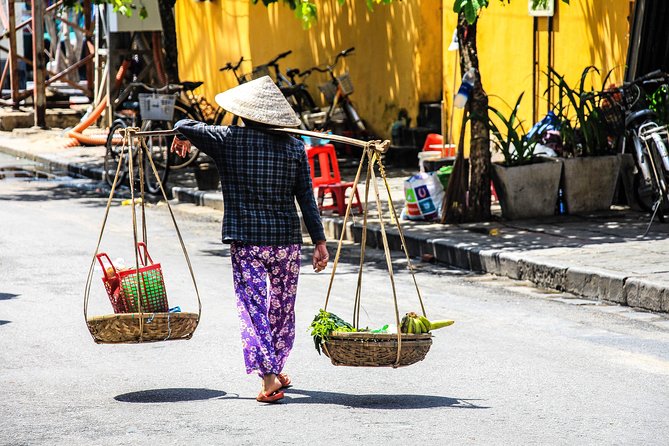
Two of the most memorable heritage moments in this walk are Old House of Tan Ky and the Japanese Covered Bridge.
Old House of Tan Ky: why it feels personal
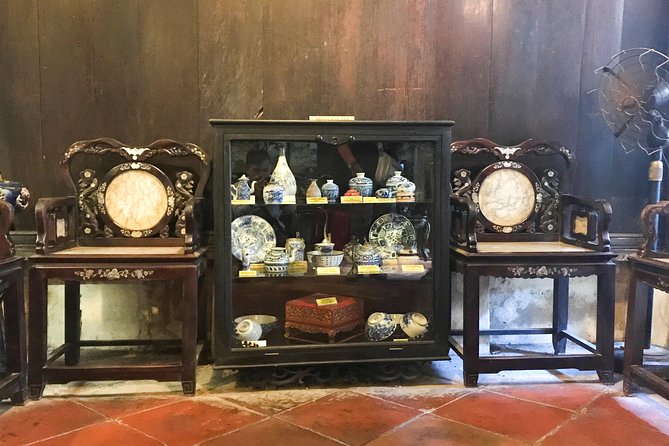
Old House of Tan Ky gets about 25 minutes with guided viewing and time for photos. This stop is valuable because it lets you connect heritage to residence—how families lived in older Hoi An, and how architecture supported daily life.
Look for the details your guide points out, and pay attention to the way the house relates to the street. Old towns can feel like a museum from the outside, but stepping into a lived-in style of architecture brings it back to reality. You start noticing how people moved through spaces and how the home functioned as both shelter and social backdrop.
Japanese Covered Bridge: the photo stop you’ll never fully “get” from a distance
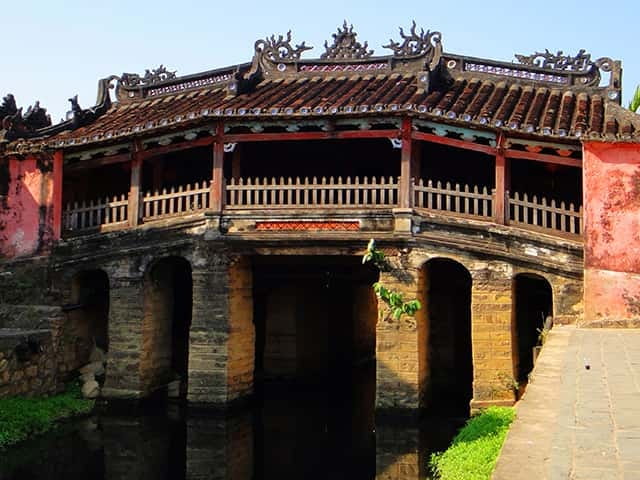
Then you hit the headline: Japanese Covered Bridge with around 20 minutes for photo and guided sightseeing. This is the kind of landmark that always looks impressive in pictures, but it’s better in person because you can see how it fits into the surrounding street rhythm.
Here’s a practical tip: give yourself a small window to take photos, then look away from your camera for a minute. The value isn’t just the structure—it’s the way the bridge acts as a focal point in the town’s pedestrian flow.
The “in-between” moments: why those short photo stops matter
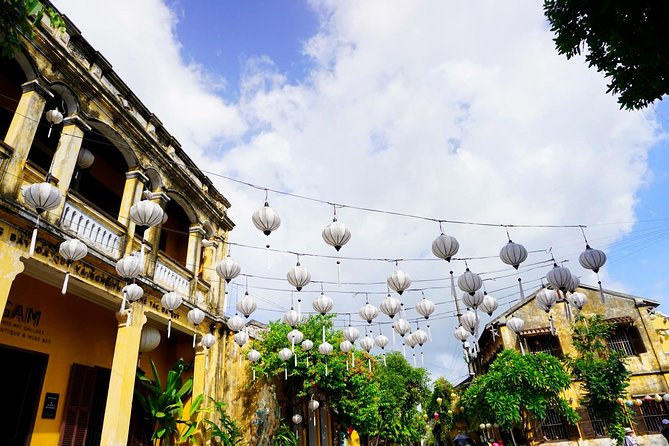
Your route includes at least one additional brief photo stop and guided walk (around 15 minutes). These shorter interludes are easy to overlook, but they often give you the best snapshots of what the town looks like between major landmarks—where the streets narrow, where walls and signage add texture, and where daily life shows up around the edges.
This is also where you can catch your breath. If the earlier market stop felt crowded, use these pauses to reset your pace. If you’re having fun, use them to slow down and notice small street details your guide is pointing out.
Making the schedule work: tourist area or not, you’ll want more time
A half-day heritage walk is a great first hit, but it’s still a tour with a plan. That means you get the important highlights—yet you don’t get hours and hours to linger.
One very practical way to handle that: treat the tour as your setup, then plan your own unhurried wandering after. If you can, keep your evening flexible. The town tends to feel calmer once you’re done with the guided route, and you can return to the areas you loved most for longer looks and better pacing.
And because this area can be touristy, you’ll benefit from having a guide during the busiest parts. A good guide helps you get the stories behind what you’re seeing quickly, and that makes the crowds more tolerable because you’re not just waiting—you’re learning.
Price and value: is $42 a good deal?
At $42 per person for about 5 hours, the value depends on what you care about.
You’re paying for a few key things bundled together:
- Hotel pickup and drop-off in Da Nang City Center
- Transportation as per the itinerary
- Entrance fees
- English-speaking guide
- Bottled drinking water
- Travel insurance
If you tried to DIY it, you’d likely spend money on transport and pay separate entrance fees anyway. The guide is the real swing factor: the cultural connections between Vietnamese, Chinese, and Japanese influences are hard to assemble neatly on your own in only a few hours.
So for first-timers—or anyone short on time—this price feels reasonable. For people who hate group pacing, it may feel tight. But if you’re comfortable walking and want structure, it’s a strong use of half a day.
Who should book this walk (and who might skip it)
This tour is a great fit if you:
- Want a guided introduction to Hoi An’s heritage without researching for days
- Like architecture and cultural context, not just sightseeing snapshots
- Prefer a manageable walking plan instead of a full-day commitment
You might think twice if you:
- Get frustrated by crowded tourist zones
- Prefer long, independent browsing with lots of free wandering time
- Have a strict need for unstructured time every stop (because the plan is stop-based and timed)
Should you book the Da Nang: Half-day Hoi An Heritage Walk?
If you want a clean, guided way to understand Hoi An fast, I’d say yes—especially at this pace. The route is built around the big visual anchors (Tan Ky, the Japanese Covered Bridge) and the cultural connectors (market, assembly hall, dance and folk museum). That combination helps you leave with more than photos.
Book it if you’re short on time, traveling solo or in a mixed group, or you’d rather spend your energy learning what you’re looking at instead of trying to figure it out alone. Then, give yourself a little extra time afterward to return to your favorite streets—because this is the kind of town where slowing down feels worth it.
FAQ
What is the duration of the Da Nang to Hoi An heritage walk?
The tour is listed as 5 hours total. Starting times vary based on availability.
What does the tour cost?
The price is $42 per person.
Does the tour include hotel pickup and drop-off?
Yes. It includes hotel pickup and drop-off in Da Nang City Center, except Son Tra Peninsula.
What language is the guide?
The tour includes an English-speaking guide. Other languages may be available upon request with a surcharge.
What stops are included during the walk?
The route includes Hoi An Market, Fujian Assembly Hall, a traditional dance show, Hoi An folk museum, Old House of Tan Ky, and the Japanese Covered Bridge, plus additional photo stops.
What’s included in the price?
Included items are transportation as per the itinerary, entrance fees, bottled drinking water, English-speaking guide, travel insurance, and hotel pickup/drop-off.
Are unaccompanied minors allowed?
No. Unaccompanied minors are not allowed, and each child must be accompanied by an adult. You also need adult tickets for any additional children.
Is there free cancellation?
Yes. You can cancel up to 24 hours in advance for a full refund.