REVIEW · JAIPUR
3 Days Private Khajuraho Historical Tour with Breakfast
Book on Viator →Operated by 5 Senses Walks · Bookable on Viator
Khajuraho has a way of feeling instantly historical, even when you start in modern-day Delhi. This 3-day private tour is built for efficiency: you fly out, settle into a hotel for two nights, and then spend your days on a tight loop of standout Hindu and Jain temples with admission included. I like that you get a professional guide and private transport, so you are not stuck figuring out timing, entrances, or the meaning of what you are seeing. One thing to consider is the schedule is full and temple time is short at each stop, so plan for a bit of walking and quick transitions.
You will be looking at UNESCO-class architecture, granite shrines, carved myth and daily-life details, and yes, the famous erotic sculptures that earned Khajuraho its Kamasutra reputation. I also like that this tour is designed to put local money to work, with local guides and support for local businesses. The main drawback for some people: food and beverages are not included, so you will want to budget for meals beyond breakfast.
In This Review
- Key highlights you’ll actually feel
- Price and logistics: what you’re really paying for
- The flight plan that turns a long trip into a short one
- Day 2’s temple route: Chandela power, carved detail, and quick stops
- Javari Temple: a UNESCO-class interior and exterior show
- Chausath Yogini Temple: 64 shrines and a granite cast
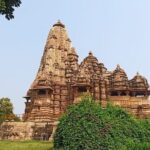
- Kandariya Mahadev Temple: where the Chandela style gets famous
- Lakshmana Temple: Vaikuntha with sculpted companion avatars
- Varaha Temple: Vishnu’s boar form and Saraswati carving
- Day 3: a calmer mix with Jain art and the Shiva bridegroom theme
- Dulhadev Temple: Shiva as bridegroom and a chariot form
- Bhagawan Parshwanath Digambar Jain Mandir: motifs and instrument-playing idols
- Devi Jagdamba Temple: Parvati, pyramid roof, and imaginative beasts
- The guide factor: why Anurag (and other local cultural ambassadors) matter
- What makes the Khajuraho “Kamasutra etched in stone” feel more than a gimmick
- Value checklist: who this tour fits best
- Should you book this 3-day Khajuraho private tour?
- FAQ
- FAQ
- What is the duration of the tour?
- What is the tour price per person?
- Are flights included?
- Is breakfast included?
- What about hotel stays?
- Do I need to buy temple admission tickets?
- Is pickup offered?
- Is this a private tour?
- Are meals besides breakfast included?
- What is the start time for the experience?
- How flexible is the cancellation policy?
Key highlights you’ll actually feel
- Flight-first timing: Delhi to Khajuraho starts in the late afternoon, so you begin temple time with less travel stress.
- A private car and guide: you get direct help with temple layout and symbolism, not just a route.
- UNESCO-worthy temple circuit: Javari and the wider Chandela temple group keep the theme strong for three days.
- Jain temple inclusion: Parshwanath Digambar Jain Mandir adds a different lens beyond Hindu monuments.
- Admission tickets included: your entry costs are already handled for the main stops.
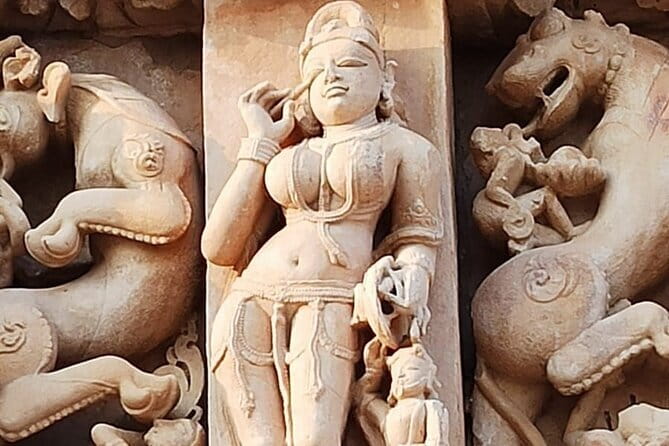
- Kamasutra carved in stone: the erotic sculpture details are not a side note; they are part of the main viewing story.
Price and logistics: what you’re really paying for
At $435 per person for about three days, the value here comes from bundling the expensive and annoying parts: flights, hotel nights, private ground transport, a guide, and temple admissions. If you tried to piece this together yourself, you would likely spend time comparing flight times, negotiating transport for a temple circuit, and paying entry fees on top of it all.
This is also a true private setup, meaning your group goes together rather than being mixed into a larger bus. That matters in India temple visits, where it is easy to lose momentum if you are stuck waiting for other people. A private car plus a professional guide helps you keep the flow.
Do keep one practical point in mind: food and beverages are not included. Breakfast is included, but for lunches and dinners you will be making your own choices. That is normal on tours like this, but it is a real factor in total cost.
You can also read our reviews of more tours and experiences in Jaipur.
The flight plan that turns a long trip into a short one
The departure rhythm is the backbone of this tour.
On Day 1, you leave Delhi at 3:30 PM by flight, arrive in Khajuraho around 4:50 PM, check in, and then get an overnight in Khajuraho. On Day 3, you get a 3:00 PM transfer/drop to the airport, then fly back 5:10 PM to 6:25 PM arrival in Delhi.
Why that matters: it compresses the travel time so your temple days are actually about temples, not airports and half-days. Also, starting in the afternoon gives you evening time in Khajuraho to reset after flying and settle into the slower pace of the area.
You will want to treat Day 1 as your settling-in day. Your best strategy is to go light on plans beyond check-in. Let the next morning be your deep temple day.
Day 2’s temple route: Chandela power, carved detail, and quick stops
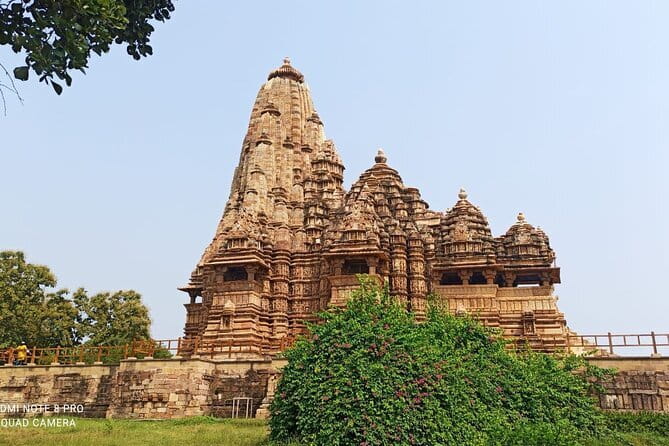
Day 2 is the big architecture day, starting after breakfast. The tour moves you through multiple temple sites in a structured sequence, and each stop is given just enough time to see the main carvings and understand what you are looking at.
Javari Temple: a UNESCO-class interior and exterior show
Javari Temple is your first major stop. It sits up on a high pedestal and is known for artistic work on both the exterior and interior. You are not just looking at a structure here; you are looking at the way craftsmen turned stone into a narrative—faces, patterns, and sculpted forms that reward close attention.
The time you get is about 30 minutes, so you will want to focus. If you have limited attention span, ask your guide what detail to look for first. If you love carvings, this is the kind of place where you can lose track of time—so the guide’s direction really helps you avoid missing the core features.
Chausath Yogini Temple: 64 shrines and a granite cast
Next comes the Chausath Yogini Temple, dedicated to yogini figures. Here the key idea is variety: 64 different shrines, each associated with a yogini, with the central shrine being the largest. The temple also highlights a large Shiva presence with his consort Parvati.
Material also matters at this site. This temple is largely made of granite, which affects how carvings feel—stone texture, contrast, and the way details show under light. You are given about 30 minutes, which is enough to see the overall structure and a handful of the most distinctive sculpted postures.



Kandariya Mahadev Temple: where the Chandela style gets famous
Then you reach Kandariya Mahadev Temple, tied to the Chandela ruler Vidyadhara from the early 11th century. This temple’s story is part of the region’s bigger history—built after destructive invasions—so the monument carries a sense of recovery and confidence.
This is one of the most visually dramatic stops. The entrance features the Makara Torana, and inside you get intricately designed hallways leading to the main hall with the Shiva linga. There is also a notable painting of a four-footed incarnation of Shiva, called Chatuspada.
The practical takeaway: Kandariya is the kind of temple where you should slow down for a few minutes. Don’t try to see everything equally. Let your guide point you to the best carvings and guiding themes, then spend your attention on those.
Lakshmana Temple: Vaikuntha with sculpted companion avatars
Lakshmana Temple, attributed to Chandela ruler King Yashovarman in the 10th century, centers on Lord Vaikuntha. The idol is described as having three heads and four arms, and you will also notice linked avatars like Narasimha (lion) and Varaha (boar).
This stop has an emotional texture too. You are guided to look for sculpted women and their partners—details that make the temple feel more human, less purely symbolic. You only get about 20 minutes here, so treat it like a museum highlight: focus on the central form first, then scan the side figures after.
Varaha Temple: Vishnu’s boar form and Saraswati carving
Finally on Day 2, you visit the Varaha Temple. Varaha is an incarnation of Vishnu described with a boar head on a human body and four arms. It is described as being built by the Chandelas in the first century, and the temple is filled with carvings.
One detail to watch for is the carving of Goddess Saraswati playing the veena. That type of sculpture matters because it connects you from myth to art craft—this is not just decoration. It shows how temple artists expressed knowledge, music, and spiritual practice in stone.
Time here is about 20 minutes, so again, don’t plan to read every carving. Plan to identify the main figure themes your guide highlights, and let those guide your looking.
Day 3: a calmer mix with Jain art and the Shiva bridegroom theme
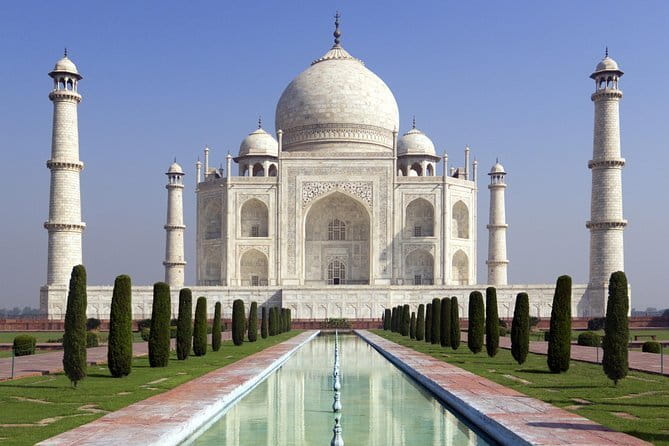
Day 3 includes three key temple stops before you head back toward Delhi.
Dulhadev Temple: Shiva as bridegroom and a chariot form
Dulhadev Temple is a special kind of stop because the name reflects a concept: Shiva shown as a bridegroom. The temple is described as built on the banks of the Khodar River and designed in a saptadhara shape—like a chariot driven by seven horses.
This is a great temple for pattern-watchers. Look for how the sculpted forms communicate movement through stone, even though everything is static. It is also a nice change of pace from the more common doorway-and-hall focus of the other monuments.
You get about 30 minutes, which is enough to understand the form and notice the “how” behind the design.
Bhagawan Parshwanath Digambar Jain Mandir: motifs and instrument-playing idols
This is your Jain stop, built by the Chandela ruler Dhanga in the early 10th century. Parshwanath is central, and the walls feature many motifs: male and female figures, Gemini, trees, flowers, and references to rivers like Ganga and Yamuna.
Inside, you will see many idols of female goddesses playing instruments such as gandarva, manjeera, shankha, mridanga, and vadya. Even if you do not know Jain iconography well, your guide can translate the motifs into a clear viewing plan.
This stop is about 30 minutes—long enough to take in the wall program and then shift attention to the sculpted figures.
Devi Jagdamba Temple: Parvati, pyramid roof, and imaginative beasts
Your final temple stop is Devi Jagadamba Temple, known for a gorgeous statue of Goddess Parvati and a pyramidal roof. The structure includes imaginative beasts and myth renditions, including combinations like a lion body with a parrot head or boar or elephant.
This is one of those places where you can see how temple art works as storytelling. The carvings do not just decorate; they interpret. They translate myth into visual shapes, then repeat the theme across many small variations.
Time is about 30 minutes, so you can end the tour by slowing down and actually looking at the “creative logic” of the carvings.
The guide factor: why Anurag (and other local cultural ambassadors) matter
For a temple tour, the guide is not optional. Even when you have a list of names and facts, it is the interpretation that helps the stone carvings land. The tour is set up with a professional guide, and past experiences with guides like Anurag have stood out for being both knowledgeable and patient—exactly what you want when you are walking temple to temple and your questions keep coming.
You may also encounter other local cultural ambassadors such as Vivek and Ram Sewak during coordination and on-the-ground support. That type of local involvement can make the whole day feel smoother, including practical things like restaurant suggestions and staying on time without rushing your attention.
If you are the kind of person who likes to ask why a symbol is placed where it is, this is the right kind of tour style.
What makes the Khajuraho “Kamasutra etched in stone” feel more than a gimmick
Khajuraho’s erotic sculptures are famous, but they can be misunderstood if you only focus on that one theme. On this tour, the carving theme is presented as part of a bigger temple program: Hindu and Jain faith expressions, myth, and daily-life symbolism all carved into the same sacred architecture.
What helps: the itinerary does not treat erotic art as a quick stop. Instead, it places you in the context of multiple major monuments, each with its own architectural voice and its own set of motifs. You end up seeing how the carvings fit into an overall visual language rather than acting like a single attraction.
My advice for your viewing approach: pick a few “anchor questions” and use them at each stop. For example: What is the main deity form here? What scenes show movement or story? What repeats across temples? With that mindset, the erotic sculpture details become part of a broader pattern of symbolism.
Value checklist: who this tour fits best
This tour works well if you want:
- A private, efficient three-day schedule with flights and hotel already handled
- Temple focus rather than sightseeing sprawl
- A guide-led experience so you can understand what you are seeing
- World heritage temple sites with admission included
It might feel less ideal if you prefer long museum-style pacing at each site. With multiple temples per day and short time windows like 20 to 30 minutes per stop, the tour is more like a focused circuit than a slow wander.
Also consider that the experience requires good weather. If weather is poor, you may be offered a different date or a refund.
Should you book this 3-day Khajuraho private tour?
Yes, if you want Khajuraho without the planning headache and you care about meaning, not just photos. The biggest wins are the built-in logistics (flight + hotel + private transport) and the fact that you are not paying admission separately.
I would book it especially if you appreciate architecture and you like having a guide connect sculpture details to the bigger story. If you are on a tight time window, this schedule is a smart way to get real temple time rather than spending days traveling.
Skip it only if you want leisurely pacing, and you do not like moving between multiple sites in a single day. In that case, you might prefer a more open-ended option.
FAQ
FAQ
What is the duration of the tour?
It runs for 3 days (approx.).
What is the tour price per person?
The price is $435.00 per person.
Are flights included?
Yes. Economy flights from Delhi to Khajuraho and return are included.
Is breakfast included?
Yes. Breakfast is included.
What about hotel stays?
The tour includes 2 nights of stay in a hotel in Khajuraho.
Do I need to buy temple admission tickets?
Most admission tickets for the temple stops are included.
Is pickup offered?
Yes, pickup is offered (details are handled as part of the tour service).
Is this a private tour?
Yes. It is a private tour/activity, and only your group will participate.
Are meals besides breakfast included?
No. Food and beverages are not included.
What is the start time for the experience?
The meeting/start time is 3:30 PM.
How flexible is the cancellation policy?
You can cancel up to 3 days in advance for a full refund. If you cancel less than 3 days before the experience start time, the amount paid will not be refunded.