REVIEW · WARSAW
Warsaw Jewish Heritage Private Tour in Retro Fiat
Book on GetYourGuide →Operated by Warsaw Private Tours WPT1313 · Bookable on GetYourGuide
A vintage Fiat takes you through painful Warsaw history. I love how the tour pairs a Fiat 125p throwback with clear, human storytelling, and I especially like the stop at Nożyk’s Synagogue, the only WWII survivor. One consideration: the synagogue and cemetery close on Saturdays, and the route includes a moderate walk.
You also get practical comfort along the way: centrally located hotel pickup and drop-off, onboard snacks, and even a vodka shot to take the edge off cold weather. It’s private, so you can ask your guide to steer the route toward what you care about most.
In This Review
- Key highlights worth planning around
- The retro Fiat 125p: more than a fun photo stop
- Hotel pickup and the first drive into the story
- Grzybowski Square: how the ghetto bled into everyday streets
- Nożyk’s Synagogue: the only surviving synagogue in Warsaw
- The ghetto wall fragments and the message in red brick
- Muranów and the walk around the Jewish Cemetery
- Ghetto Heroes Monument: facing memory in public space
- Museum of the History of Polish Jews (optional) for extra context
- Roman Polanski’s The Pianist settings: film as a guide, not a shortcut
- Guide quality makes the difference: Martin, Maks, Konrad, and the small wins
- What’s included, what isn’t, and how to budget calmly
- Who should book this private Retro Fiat tour
- Should you book it or keep planning on your own?
Key highlights worth planning around
- A 1980s Fiat 125p ride that makes the experience feel personal, not tour-bus generic
- Nożyk’s Synagogue stops you at the only Warsaw synagogue that survived WWII
- Red-brick ghetto wall fragments give you a real sense of how the city was cut off
- Muranów area on foot brings you from modern street life to the Jewish Cemetery grounds
- Ghetto Heroes Monument and the Museum of the History of Polish Jews if you want extra context
- The Pianist filming locations can be added if you ask your guide
The retro Fiat 125p: more than a fun photo stop
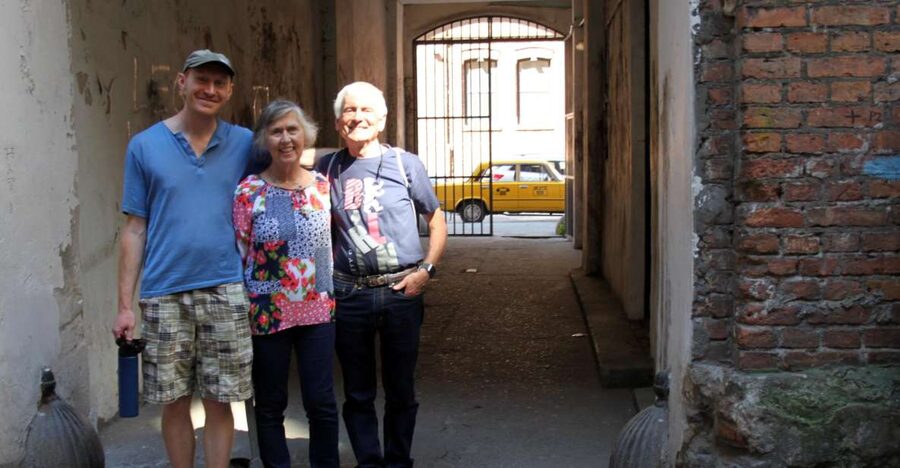
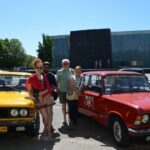
Warsaw’s Jewish heritage sites are heavy material. That’s why I like that this tour uses a 1980s Fiat 125p instead of a sleek bus. The car feels oddly small for such huge history. You sit closer to your guide, you move slower through the streets, and the whole thing feels like a guided conversation that happens to include stops.
The practical bonus is that a vintage car plus a driver-guide is built for turning corners and getting you where you need to be without the hassle of figuring out routes yourself. The tour is half driving and half walking, so you are never stuck doing everything on foot. You do need comfortable shoes, though, because you will step out and walk at key moments.
Price-wise, $105 per person is easier to swallow when you see what’s included. This is a private tour with hotel pickup and drop-off from centrally located Warsaw hotels, plus transport in the Fiat, snacks, and a souvenir photo e-mailed after the tour. Entrance fees are not included, so you’ll want to budget a bit more if you add museum or other ticketed stops—but you’re not paying extra just to get from site to site.
You can also read our reviews of more tours and experiences in Warsaw.

Hotel pickup and the first drive into the story
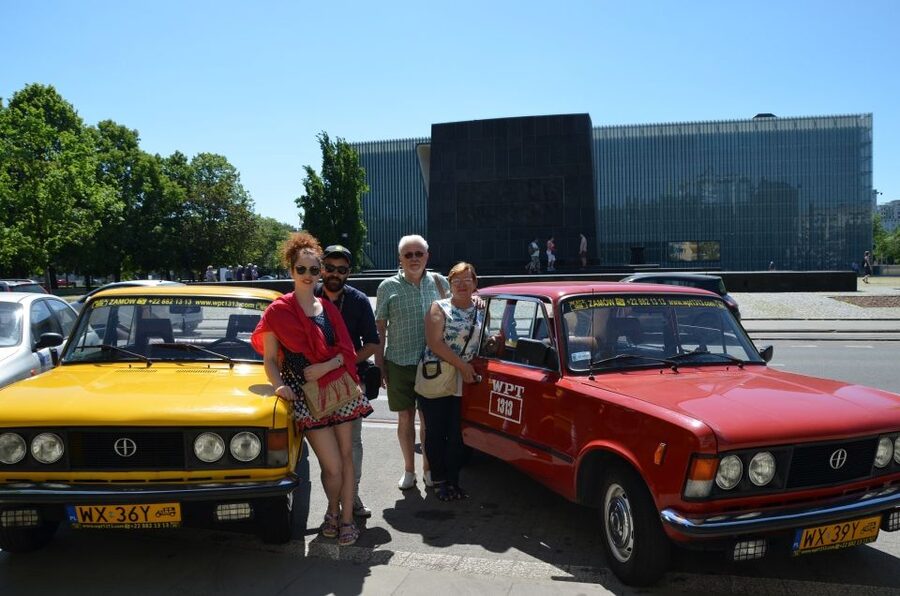
The day starts with pickup from your central hotel. Your guide meets you at the lobby, then you head out in the Fiat 125p. It’s a small detail, but it matters: getting moving from the start keeps the tour from feeling like a chore.
Onboard, you get snacks (Polish sweets and a donut) and a vodka shot. That’s not about turning a historical tour into a party. It’s about comfort—especially in the colder months—so you can stay focused while you walk and stand outside for photos and short explanations.
The guide is English-speaking and you can ask questions as you go. Your route can also be adjusted to include points of interest you care about, within the overall plan. And yes, traffic can shift timing and routing a bit, so build in a calm mindset for a short route change if you notice it.
Grzybowski Square: how the ghetto bled into everyday streets
One of the most interesting transitions happens on the drive: your route passes Grzybowski Square (Plac Grzybowski), once part of the ghetto area. Even if you do not stop there long, it’s a useful framing moment. It helps you understand that the ghetto wasn’t just an isolated monument behind fences. It was woven into the city’s movement and geography.
I like this kind of “you’re seeing where it was” orientation before you reach the main sites. It gives your brain something to anchor to. When you later see the synagogue and ghetto wall remnants, you’ll connect the dots faster.
From there, you head toward one of the most important stops on the itinerary.
Nożyk’s Synagogue: the only surviving synagogue in Warsaw
Nożyk’s Synagogue is the kind of site you take slowly, even when you’re bundled against winter. This synagogue is still operating, and it’s the only synagogue in Warsaw that survived WWII.
What makes the visit valuable is the contrast. You’re not looking at a ruin staged as a memory. You’re in a living place of worship while learning what was lost and what endured. Your guide will explain the broader history of Warsaw’s Jews and Nazi occupation, then bring it back to this specific building.
A real-world tip from guide performance: when access and entry timing can be tricky, your guide may work to make sure you spend time inside. One guide named Martin was singled out for being great and helpful, and another guide named James was persistent about getting into the synagogue, even though it is not always easy. That kind of effort can make the difference between seeing a door and truly experiencing the space.
Just note the practical snag: the synagogue is closed on Saturdays. If you’re traveling then, the plan changes because you won’t be able to go inside.
The ghetto wall fragments and the message in red brick
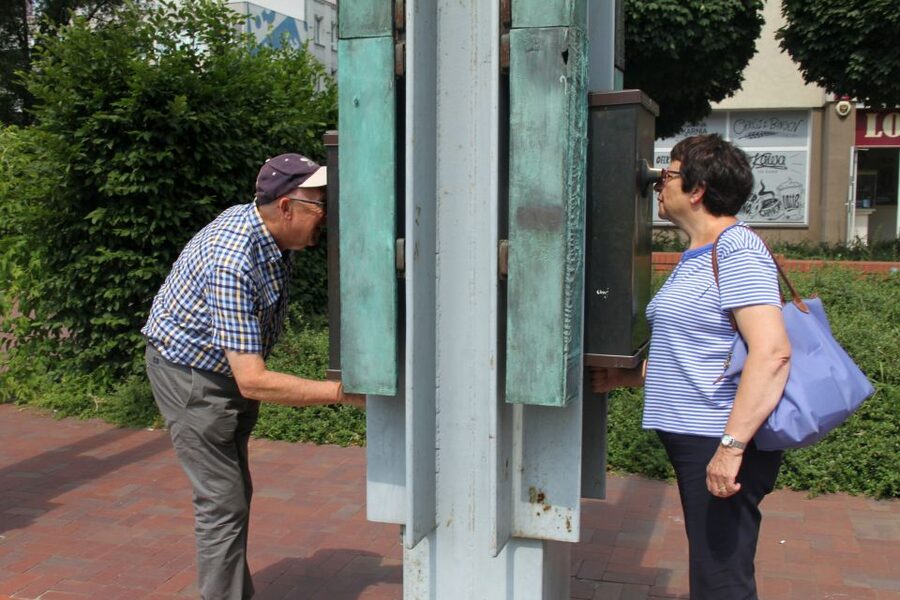
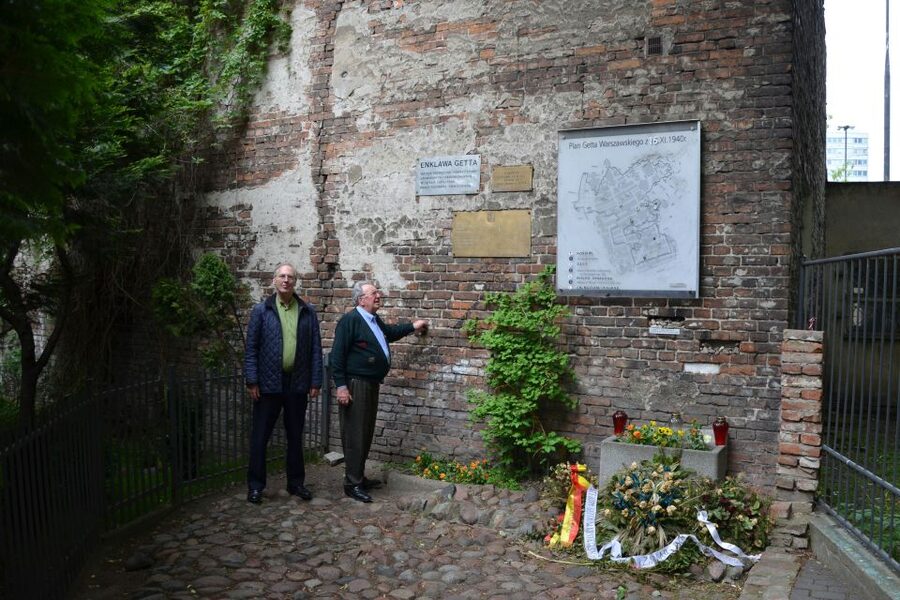
Next comes one of the most chilling parts of the route: fragments of the Warsaw Ghetto wall. This wall wasn’t abstract. It was physical, red-brick construction built in 1940 that isolated more than 400,000 Jews from the rest of the city.
When you see fragments in person, it’s hard to keep thinking in history-book terms. The scale hits differently. Your guide will show photos and tell stories tied to the era so the wall doesn’t feel like a random corner of old masonry. It becomes a boundary enforced day after day, not a line drawn once.
This is also where I think the Fiat format shines. Because the wall is scattered in what you can reach and see, you need a guide to connect the locations intelligently. Otherwise, you might get pieces without the full picture.
Expect to pause for brief photo moments and short explanations. The tour keeps moving, but it doesn’t rush you past the meaning.

Muranów and the walk around the Jewish Cemetery
From the ghetto wall area, you head deeper into the former Large Ghetto in the Muranów district. This area sits on the rubble of the ghetto and today shows a mix of street art and modern buildings. That contrast can feel strange at first. It’s also a big part of what you need to understand about Warsaw: places you walk through now were overwritten by survival and rebuilding.
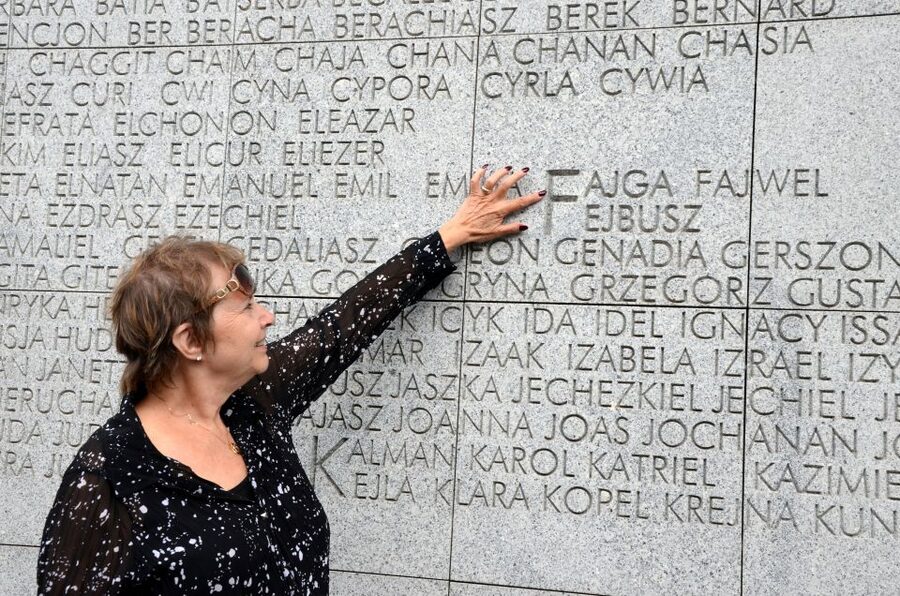
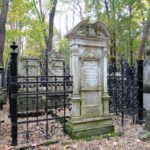
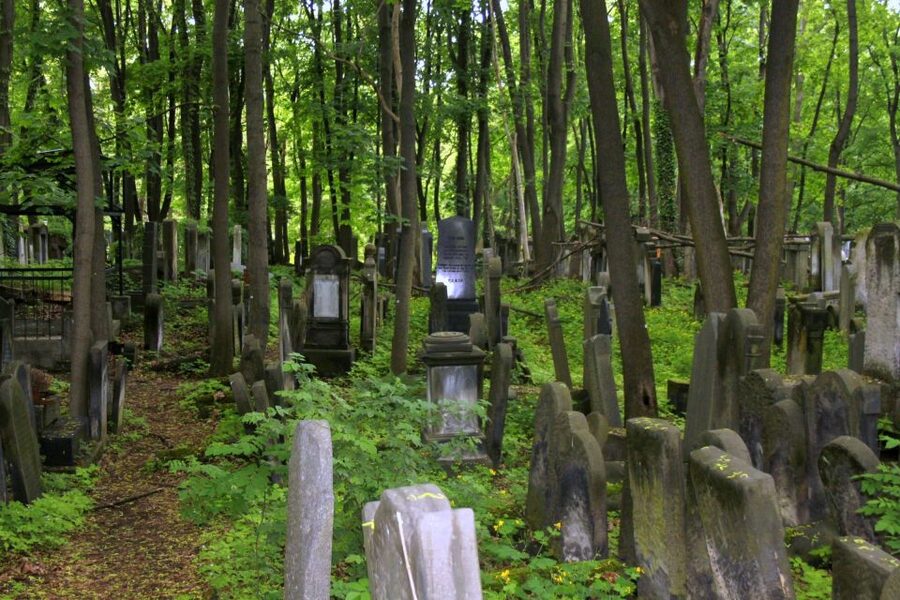
Your tour includes parking here and then a walking segment around the Jewish Cemetery. The cemetery is part of the emotional weight of the route because you’re surrounded by graves—thousands of them—turning the history into something you can’t reduce to dates alone.
I suggest you take your time with this part. Don’t rush your photos. Look for moments where your guide slows the pace and gives context about what you’re seeing.
Again, schedule matters. The cemetery is closed on Saturdays. If your tour lands on a Saturday, plan around a different on-foot segment and focus on the driving stops that are open.
Ghetto Heroes Monument: facing memory in public space
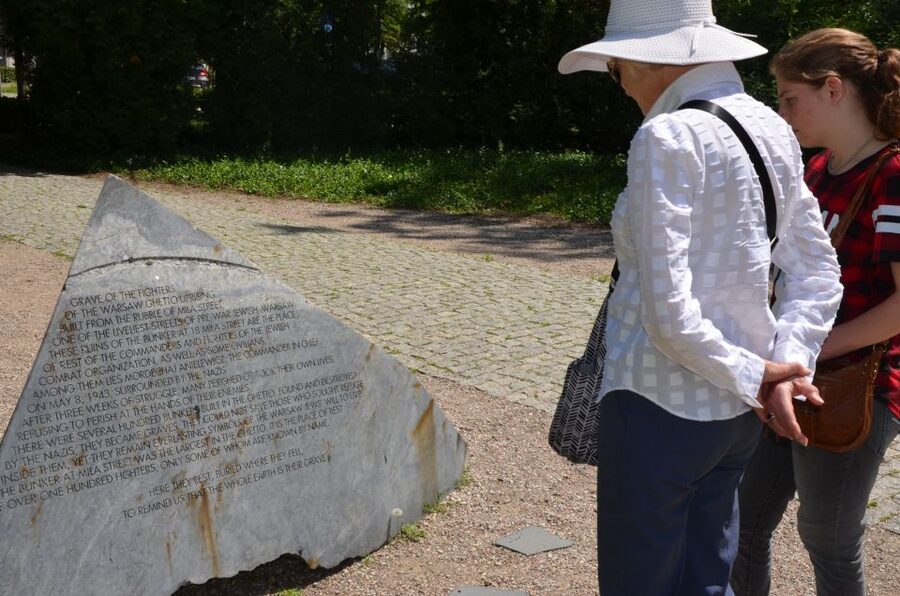
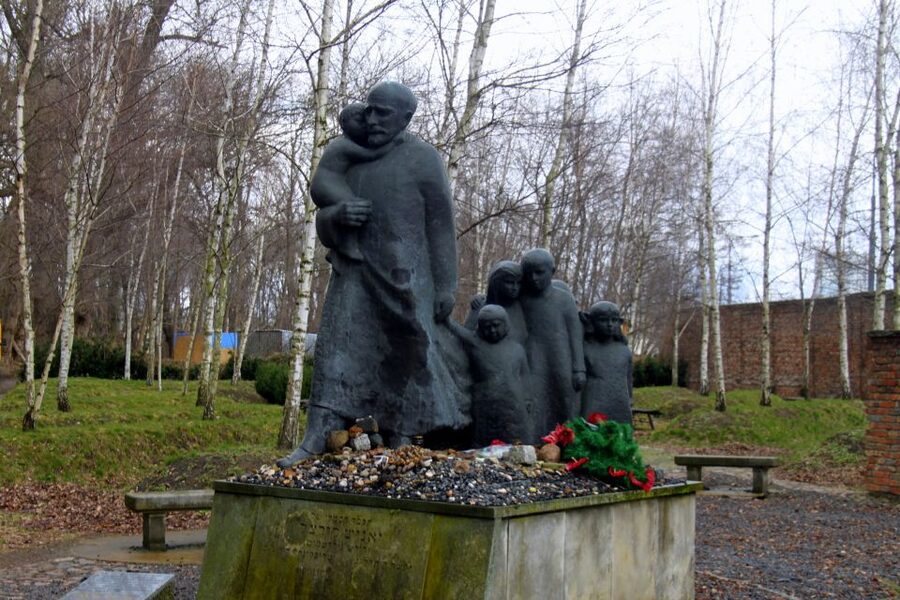
After the cemetery, the tour moves you to the Ghetto Heroes Monument. This is a powerful site because it’s public and direct. You’re not only learning about what happened; you’re seeing how Warsaw chose to memorialize resistance and survival in a visible, civic way.
The guide’s job here is to connect the monument to the wider storyline you’ve been building. That’s where your earlier stops matter. By the time you reach the monument, you’ve already seen a surviving synagogue, wall fragments, and the everyday geography of the ghetto area. The monument then lands with more force because it doesn’t come out of nowhere.
If you want more context, you have the option to visit the nearby Museum of the History of Polish Jews.
Museum of the History of Polish Jews (optional) for extra context
The Museum of the History of Polish Jews opened in 2013 and is a modernist space designed to document about 1,000 years of Polish Jewish history. It uses artifacts and imagery rather than only text, which can make the timeline easier to absorb.
This is not a required stop, and you should treat it like the optional layer it is. If you feel like you want deeper background to go with the Holocaust-era focus of the main route, this museum is where that happens.
If you prefer a leaner tour, you can skip it and spend more time at the monument area instead. Your guide can also adapt the order depending on timing and access.
Roman Polanski’s The Pianist settings: film as a guide, not a shortcut
One of the neat features of the tour is that your guide can, if you wish, show locations used in Roman Polanski’s Oscar-winning movie The Pianist. You may also stop in the Praga-North (Praga-Północ) area, depending on the route your guide selects.
This is a tricky thing to do right if you want respect for history. The key is how your guide frames it. Instead of treating the film as the point, you use it as a map for place. The better your guide’s explanations, the more you’ll see the difference between cinematic storytelling and the lived reality behind the scenes.
If you’re a film fan, this part can add a memorable extra hook. If you’re not, don’t worry—you’ll still get plenty of real site-based meaning from the synagogue, wall fragments, cemetery, and monument.
Guide quality makes the difference: Martin, Maks, Konrad, and the small wins
For a tour like this, the guide isn’t optional. It’s the difference between seeing locations and understanding what they meant.
From recent experience, the guides people reported as excellent included Martin and Maks, along with Konrad. In particular:
- Martin was praised for being very helpful and doing a great job explaining things, even in cold weather.
- Maks was praised for being friendly and for talking at length about what you were seeing.
- One guide, Konrad, was described as excellent.
- Another guide was noted for successfully maneuvering the vintage car through “impressive spaces,” which matters when you’re trying to get close to sites without losing time.
I like that these highlights point to real, practical strengths: making time for your questions, keeping you moving, and managing the car so you don’t waste the tour stuck on the wrong street.
What’s included, what isn’t, and how to budget calmly
Included in the $105 price:
- Private local guide
- Hotel pickup and drop-off from centrally located Warsaw hotels
- Transport in the Fiat 125p (or a blue vintage minivan for groups over 4 people)
- Onboard snacks (Polish sweets and donut)
- Vodka shot on board
- Souvenir photo, emailed after the tour
Not included:
- Entrance fees
- Gratuity (optional)
So your “real cost” mostly depends on whether you add ticketed stops. The museum is an optional add-on, and that’s the most likely place you’ll need to pay entry if you choose to go. For everything else, you’ll mostly be experiencing outdoor sites plus the living synagogue.
Also remember timing: the tour lasts 4 hours, and it’s half walking and half driving. If you have a tight schedule that day, a private tour like this still tends to run smoother than trying to stitch together multiple sites on your own—but it won’t be a zero-effort day.
Who should book this private Retro Fiat tour
This tour fits best if you want:
- A private, English-led experience rather than a large group shuffle
- A route built around major Jewish heritage and Holocaust-era sites in Warsaw
- Comfort and simplicity, with pickup and drop-off from your central hotel
- A guide who can answer questions and flex the route to your interests, including film locations from The Pianist
You might consider another option if:
- You’re traveling on a Saturday (synagogue and cemetery are closed)
- You don’t want any walking at all (the walking portion is described as moderate)
- You dislike the idea of a historical vehicle (it’s part of the concept)
Should you book it or keep planning on your own?
I think this is a smart booking when you want both meaning and logistics handled. The combination of Nożyk’s Synagogue, ghetto wall fragments, the cemetery walk, and the Ghetto Heroes Monument is exactly the kind of sequence that makes the story feel coherent instead of scattered. Add the Fiat 125p, snacks, and onboard photo, and you get more than “another tour.” You get a structured way to see Warsaw’s Jewish heritage without stressing over transit.
Book it if you’re the type of traveler who asks questions, likes context, and wants the emotional sites handled with care and timing. If Saturday access or mobility is a concern, check dates first and align your expectations to the closures.
If you want a Warsaw experience that mixes real places with a guide who can connect them, this Retro Fiat tour is a strong choice.