REVIEW · WARSAW
Warsaw Old Town UNESCO HERITAGE walking tour in English
Book on GetYourGuide →Operated by Orange Umbrella Tours Warsaw · Bookable on GetYourGuide
Warsaw’s Old Town tells stories in every stone. This 2-hour UNESCO heritage walking tour connects the medieval core, the surrounding walls, and the New Town so you leave with a clear picture of Warsaw past and present. I especially like the way the guide balances facts, anecdotes, and legends instead of turning it into a dry lecture.
Two things I’d point you to right away: you get a tight route through major UNESCO sights, and you’re guided by people who know the city from the inside, born and raised in Warsaw. One thing to consider: the walk is short (about 2 hours), so it’s a high-yield overview rather than a slow, deep “stay awhile” wander. If you want lots of extra time to linger in shops or take long breaks, you may wish it ran a bit longer.
In This Review
- Key Highlights You Should Not Miss
- Warsaw Old Town in Two Hours: the Route That Gives You Bearings
- Starting at Kolumna Zygmunta III Wazy: How the Story Gets Set
- Sigismund’s Column to the Royal Castle: Power, Then the Physical World
- St. John’s Archcathedral: When the Interior Is Part of the Plan
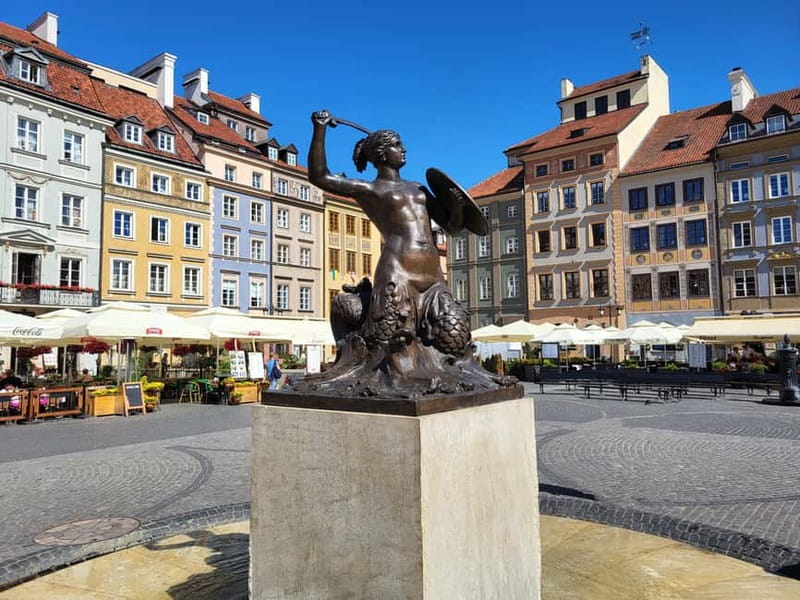
- Old Town Market Place: Medieval Life You Can Picture
- Warsaw Barbican and City Walls: Defense, Planning, and Survival
- Maria Skłodowska-Curie Museum Stop: Linking Warsaw’s Identity
- Finishing in Rynek Nowego Miasta: The New Town Payoff
- What You’ll Learn (and Why It Sticks)
- Pacing, Group Size, and Practical Expectations
- Who This Tour Best Fits
- Should You Book This Warsaw Old Town UNESCO Heritage Walk?
- FAQ
- How long is the Warsaw Old Town UNESCO Heritage walking tour?
- What language is the tour in?
- Where do I meet the guide?
- Where does the tour end?
- Is the tour wheelchair accessible?
- What sights are included during the walk?
- How long are the guided parts at each stop?
- Is there free cancellation?
Key Highlights You Should Not Miss
- A UNESCO Old Town to New Town route in just 2 hours, with a clear sense of how the city grew.
- Sigismund’s Column + Royal Castle as your opening backbone, so the rest makes sense fast.
- St. John’s Archcathedral interior when there’s no service, not just a quick look from outside.
- Old Town Market Place explained in human terms: how medieval life felt, not only what happened.
- Warsaw Barbican and medieval city walls, showing defense and planning in a way that clicks on the street.
- Small groups with free maps, so you can actually follow along and navigate afterward.
Warsaw Old Town in Two Hours: the Route That Gives You Bearings

This tour is built for orientation. In a couple of hours, you’ll move through Warsaw’s UNESCO World Heritage Area and also reach beyond the older core to the New Town, which sits outside the original city walls. The goal is simple: help you understand what you’re seeing before you even start roaming on your own.
The pacing matters here. Short guided stops—each one roughly 15 to 20 minutes—mean the guide can cover a lot without dragging. It’s also why you’ll likely feel you saw the “main storyline” of Warsaw rather than every single side street and chapel.
Price is part of the appeal. At $5 per person, you’re paying for a real local guide, a structured route, and mapping help—good value if you plan to do other free or self-guided walking afterward. You’re not just buying entry to one place; you’re buying context for multiple stops.
Finally, the guide style is key: you’ll be led by true Varsovians—Poles born and raised in Warsaw. That’s not just a marketing line. It usually translates into the kind of storytelling you can’t get from plaques: the personal, sometimes funny bits that make history stick.
You can also read our reviews of more tours and experiences in Warsaw.

Starting at Kolumna Zygmunta III Wazy: How the Story Gets Set
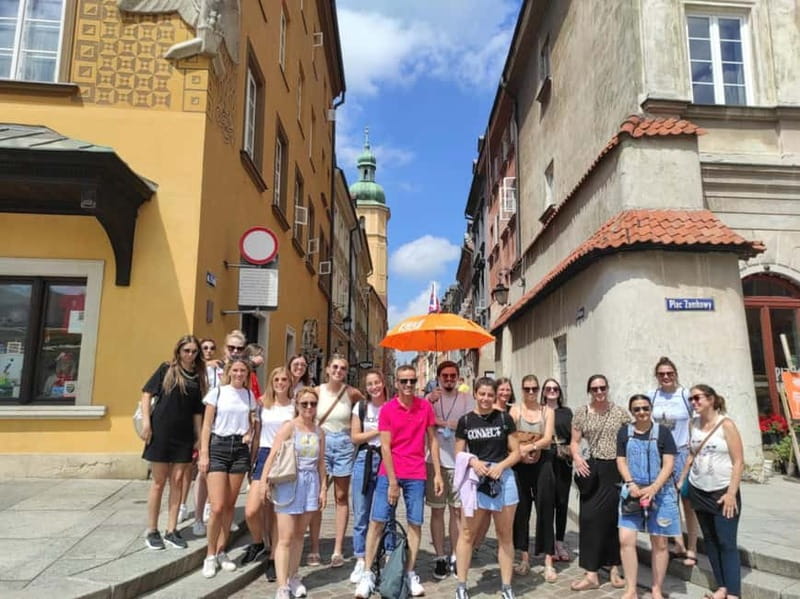
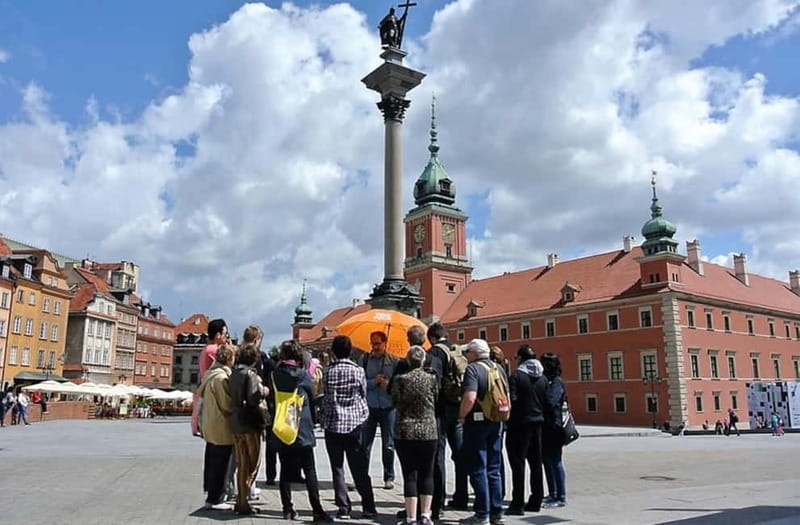
You start at Kolumna Zygmunta III Wazy (Sigismund’s Column). When you arrive, look for the guide holding an orange umbrella with a British flag on top. It’s a simple instruction, but it makes a difference—especially in a busy central area where meeting points can blur together.
The tour kicks off by positioning you in Warsaw’s larger narrative. Sigismund’s Column isn’t just a landmark; it’s a way to talk about authority, legitimacy, and how rulers tried to shape the city. That early “why this matters” framing makes the later stops easier to follow.
You’ll get a guided tour here for about 20 minutes. In practice, this is enough time to understand what you’re looking at and why it’s linked to the Royal Castle and the Old Town’s royal-medieval vibe.
Sigismund’s Column to the Royal Castle: Power, Then the Physical World
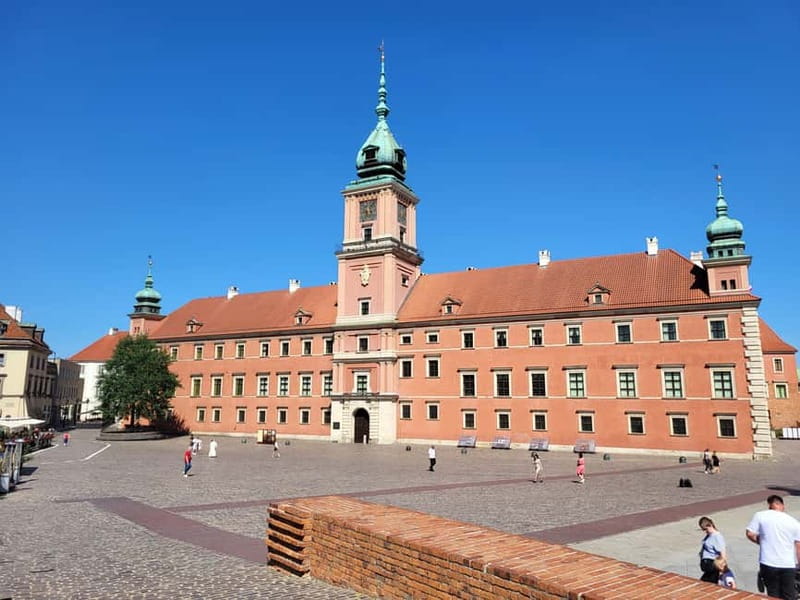
Right after Sigismund’s Column, the route turns toward the Royal Castle, Warsaw—one of the anchors of the Old Town. You’ll get about 15 minutes of guided time at the castle, which is short, but purposeful.
This stop matters because the Royal Castle is where you can feel the contrast between the city’s royal identity and its later shocks. Warsaw’s story includes major destruction and then rebuilding, including work carried out under the communist regime. Even if you don’t go deep inside every room, the castle exterior and its setting are a natural place for the guide to connect past and present in a way that makes sense.
A benefit of having the castle earlier is that it gives you something to “hold onto” while walking the markets, walls, and cathedrals afterward. You’re not collecting random monuments—you’re tracking a single theme: how power, faith, and survival shaped Warsaw.
St. John’s Archcathedral: When the Interior Is Part of the Plan
The next stop is St. John’s Archcathedral (St. John’s Cathedral), again with about 15 minutes of guided time. Here’s a practical detail that changes your experience: the tour includes the cathedral interior whenever there is no service.
That matters because cathedrals are one of those places where the outside gives you a silhouette, but the interior gives you meaning. If services aren’t running, you’ll get more than exterior views—you’ll get the atmosphere and design that shaped worship and community life. If there is a service, you still get the stop’s story, but the experience will be more outside-focused.
I like that the tour is flexible on this point. Cathedrals can’t be forced into a schedule, so building the interior access around actual conditions is the right approach.
Old Town Market Place: Medieval Life You Can Picture
From the cathedral you head to the Old Town Market Place. You’ll spend about 15 minutes with the guide here. This is where the tour shifts from royal and religious landmarks to everyday space.
A market square is the heart of a city’s routine—trade, gossip, public announcements, and the rhythm of daily life. In the guide’s hands, this kind of stop often becomes the difference between seeing a location and understanding how people used it.
Because the tour is covering both the old medieval core and what comes after, the market square works as a pivot. You get a chance to connect medieval urban life to the later chapters, including the massive wartime destruction and the post-war rebuilding that followed.
If you’re the type who likes “how people lived” more than just “what dates happened,” this is one of the stops most likely to feel satisfying.


Warsaw Barbican and City Walls: Defense, Planning, and Survival
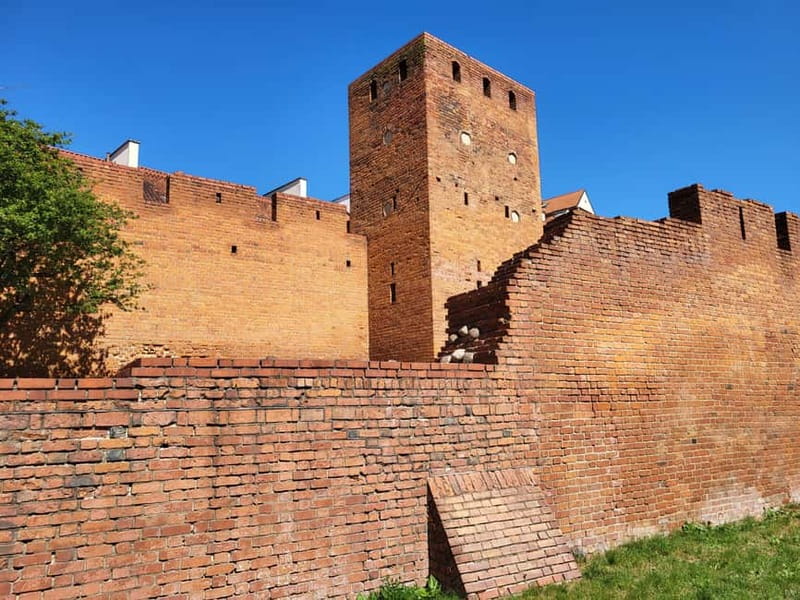
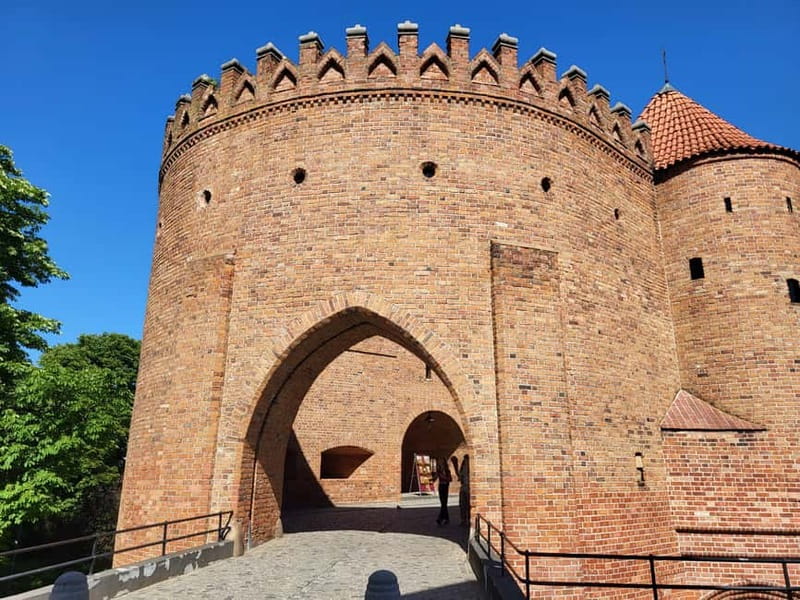
Next up: Warsaw Barbican with another 15-minute guided stop. If you’ve only ever seen walls in photos, this part of the tour helps you understand scale. You start appreciating how defense shaped the layout of streets and movement.
The tour also covers medieval city walls, and that’s where the barbican fits naturally. These aren’t just pretty remnants—they’re physical evidence of what mattered when cities needed protection. As you walk near these structures, the guide’s anecdotes and legends (and the more grounded facts) can make the city’s survival story feel less abstract.
One drawback to keep in mind: because it’s a walking tour with set stop times, you won’t have unlimited time to linger. Still, the value is that you get explanations placed right where you can see the structures, which is exactly when the details matter.
Maria Skłodowska-Curie Museum Stop: Linking Warsaw’s Identity
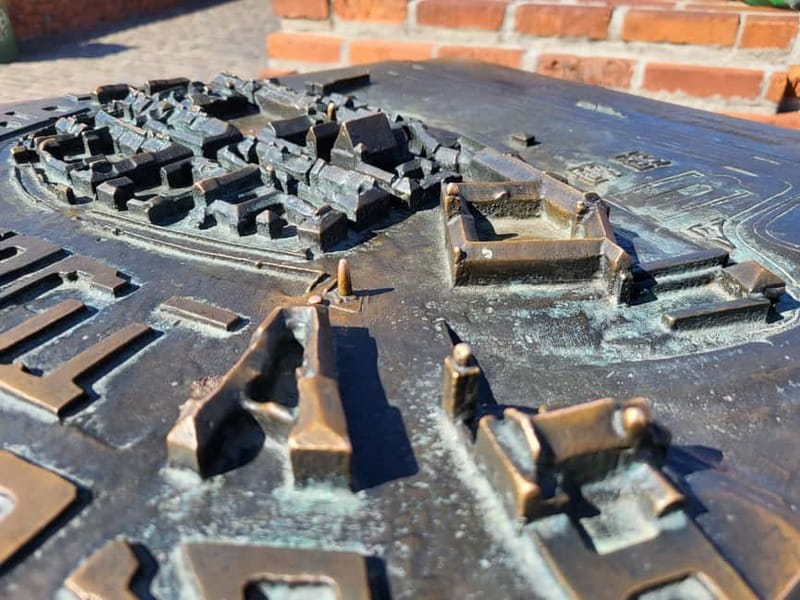
The tour includes a stop at the Maria Skłodowska-Curie Museum with about 15 minutes of guided time. This is an interesting addition because it shifts the focus from medieval Warsaw and wartime recovery into the kind of Warsaw identity that extends into modern times.
Even with a short stop, a guide can tie this location back into the bigger theme: Warsaw wasn’t only destroyed and rebuilt—it also created people, culture, and ideas that shaped what Poland and the city meant beyond the Old Town boundaries.
I like that this museum stop appears after the walking-heavy defense and city-wall segment. It breaks the pattern and gives your brain a new thread to follow, so your walk ends with something beyond stones and stories.
Finishing in Rynek Nowego Miasta: The New Town Payoff
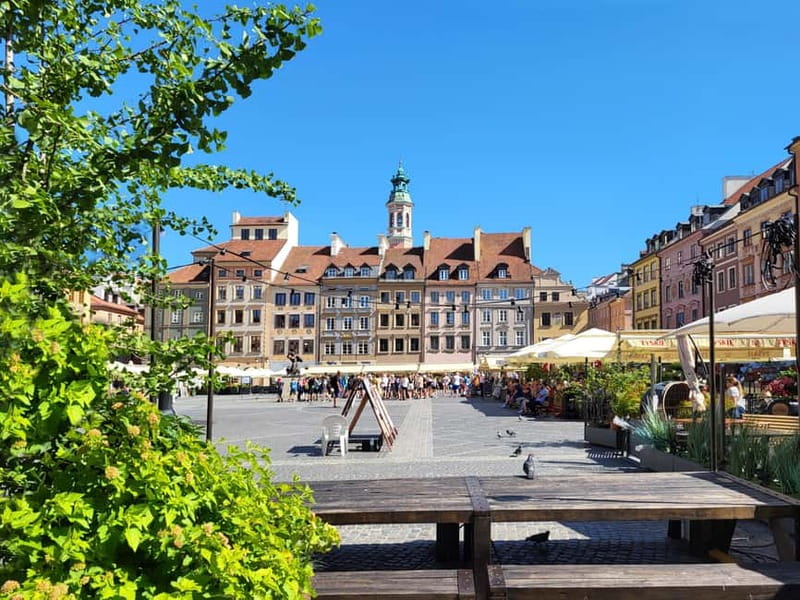
The tour finishes at Rynek Nowego Miasta (New Town Market Square). This ending makes sense because it signals the tour’s second major zone: the district beyond the original city walls.
You’ll already have seen the medieval core, the market, the walls, and the defensive structures. Then you arrive into the New Town space, which helps you understand how Warsaw’s urban life continued to expand and shift. It’s a good way to close the loop: start inside the UNESCO area’s older heart, then move toward the city’s outward growth.
If you plan to keep wandering after the tour, this ending point is practical. A market square gives you multiple paths to explore next, and you’ll have fresh context for what you see as you branch out.
What You’ll Learn (and Why It Sticks)
This tour is described as being perfectly balanced between historical facts, anecdotes, and legends, and you can feel the logic of that approach. The guide covers a wide range of topics—from medieval city life to WW2 destruction and then post-war reconstruction under the communist regime.
That range is useful for two reasons:
First, Warsaw’s story is layered. If you only focus on the medieval pieces, you miss why rebuilding and commemoration dominate the modern cityscape. If you only focus on WW2, the older bones of the city start to feel random. This route connects the layers.
Second, short guided stops train your eyes. Instead of “memorize everything,” you learn how to notice: the role of royal power, the function of religious spaces, the meaning of market squares, and the survival logic of walls and fortifications.
One of the most praised aspects is how tightly the tour covers the UNESCO World Heritage area. You’re getting a focused walkthrough of key spots, not an aimless wander.
Pacing, Group Size, and Practical Expectations
The tour runs for about 2 hours and operates with small groups. That’s a sweet spot: small enough for questions and for the guide to keep everyone together, but long enough to cover multiple major sites.
English is the working language, and each stop is structured with a guided segment (about 15 to 20 minutes). You should expect frequent brief stops and short explanations tied directly to what you’re standing in front of.
The tour also includes free maps. I like that because it means the guide’s route can turn into your follow-up walking plan. After the tour, you can compare your mental map to the printed one and pick where to spend extra time.
Who This Tour Best Fits
This is a strong choice if you want a fast, guided introduction that helps you navigate without getting overwhelmed. You’ll likely enjoy it most if you:
- want a coherent overview of Warsaw’s Old Town and New Town
- like stories that mix facts with legends
- prefer a structured walk over reading guidebooks all afternoon
- enjoy walking tours but don’t want a full-day commitment
If you’re the type who hates stopping often, or you want to spend long minutes inside every major site, you might find it too tight. The route is built for coverage, not slow exploration.
Should You Book This Warsaw Old Town UNESCO Heritage Walk?
Yes—if your goal is orientation and context, this is a smart use of time. At $5, you’re getting a local guide, a structured circuit across major UNESCO sights, and a narrative that links medieval life to the devastation and rebuilding that shaped modern Warsaw.
I’d especially recommend it as an early stop on your Warsaw trip. It sets up the city so your later self-guided walks feel intentional. If you’re already a history super-fan who wants maximum detail at each monument, you may prefer adding longer independent visits on top of this short-but-focused tour.
FAQ
How long is the Warsaw Old Town UNESCO Heritage walking tour?
It lasts about 2 hours.
What language is the tour in?
The live tour guide provides the tour in English.
Where do I meet the guide?
Meet by Sigismund’s Column. Look for a guide holding an orange umbrella with a British flag on top.
Where does the tour end?
The tour ends at Rynek Nowego Miasta.
Is the tour wheelchair accessible?
Yes, the tour is listed as wheelchair accessible.
What sights are included during the walk?
The tour includes stops at Sigismund’s Column, Royal Castle, St. John’s Archcathedral, Old Town Market Place, Warsaw Barbican, Maria Skłodowska-Curie Museum, and finishes at Rynek Nowego Miasta.
How long are the guided parts at each stop?
Guided time is listed as about 20 minutes at Sigismund’s Column and about 15 minutes at each of the other guided stops.
Is there free cancellation?
Yes. You can cancel up to 24 hours in advance for a full refund.