REVIEW · SPLIT
Jewish Heritage & Diocletian’s Palace Private Split Tour
Book on Viator →Operated by Jelena Vrancic Private Tourist Guide · Bookable on Viator
Jewish stories live under Split’s Roman stones. This private tour connects Diocletian’s Palace substructures with Jewish life in Split, including carvings tied to early Jewish presence. You also get a real synagogue visit with a community member, not just a quick glance from the street.
I especially like the way the tour holds two eras in your hands at once: the Roman world of Diocletian’s palace and the later Jewish community that lived through centuries of change. The guide ties those threads to specific places you can actually see, so the city feels less like a set of landmarks and more like a living timeline.
One thing to consider: you’ll walk through Old Town streets and spend time around palace areas that can mean stairs and uneven ground. If that matters for you, tell the guide ahead of time—there are examples of the route being adjusted for ambulation needs.
In This Review
- Key things that make this tour worth your time
- Diocletian’s Palace Substructures: Jewish carvings under the Old Town
- The quick Roman stops that actually matter (Vestibule and Peristyle)
- Grgur Ninski Statue: a Croatian thread in a Roman frame
- The synagogue and Jewish ghetto: where stories get personal
- Narodni Trg: the memorial moment in the city square
- Fruit’s Square, Marko Marulić, and the little pauses that keep it fun
- Riva, Prokurative/Republic Square, and Marmontova Ulica: history meets daily life
- Guides, pacing, and why private works so well here
- Price and value: what $187.05 buys you in Split
- What to wear, what to expect, and how to get the most out of it
- Who this tour suits best
- Should you book this Jewish Heritage & Diocletian’s Palace private tour?
- FAQ
- How long is the Jewish Heritage & Diocletian’s Palace private tour?
- Is this tour private or shared?
- Is pickup available in Split?
- What’s the meeting point if I don’t use pickup?
- Do I need to buy tickets for Diocletian’s Palace substructures?
- Is the synagogue part of the tour?
- Are there any meals included?
- What language is the tour offered in?
- Is the tour suitable for children?
- What if I need to cancel?
Key things that make this tour worth your time
- Menorah carvings in Diocletian’s Palace basements connect early Jewish presence to the Old Town you’re standing in
- A synagogue visit with a community member adds context you won’t get from guidebooks
- Old Town circuit: Riva, Prokurative/Republic Square, and Marmontova Ulica keep the history anchored in daily life
- On-the-ground memorial moment at Narodni Trg links the route to June 12, 1942, synagogue destruction
- Private format means your pace and questions stay in the driver’s seat
Diocletian’s Palace Substructures: Jewish carvings under the Old Town
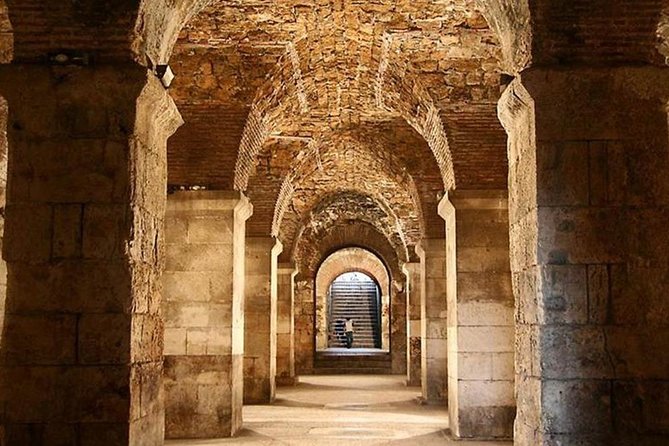
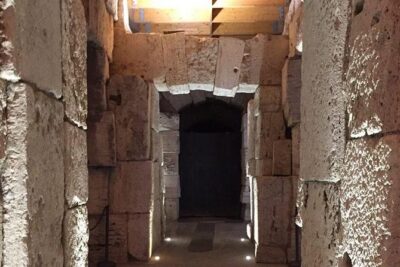
Split’s Diocletian’s Palace is famous for a reason, but this tour adds a second layer that most first-time walks miss. You start inside the palace area and move into the substructures, where the setting shifts from postcard Rome to something more grounded and human. Think stone corridors, basement spaces, and details you can’t properly catch on your own.
This is where you’ll learn about the Jewish Community of Split as one of the oldest in Europe. The story is tied to Salona, the Roman city nearby—archaeological findings suggest Jewish residents lived there alongside Romans between roughly the 2nd and 3rd centuries AD. Then, centuries later, when people from Salona fled attacks and resettled, the Jewish community’s path helped shape what Split became.
A highlight here is the mention of menorah carvings in the palace basements. It’s a detail you can point to, and it changes how you see the palace. Instead of only thinking “Roman emperor,” you start thinking “many communities used these same walls, long before and long after Diocletian.”
Practical note: the substructures portion includes admission, so you’re not hunting down tickets or timing on your own. It’s one more way the private guide format saves you friction.
You can also read our reviews of more tours and experiences in Split.

The quick Roman stops that actually matter (Vestibule and Peristyle)
After the basement start, you move through the palace core with short, focused stops that connect architecture to function.
At the vestibule, you’ll look at the foyer-like space used as an entry point area of the palace. Even in a few minutes, this kind of stop helps you “read” the building while you’re still in the right mindset: where visitors would pass, how the palace looked from within, and how those spaces worked day to day.
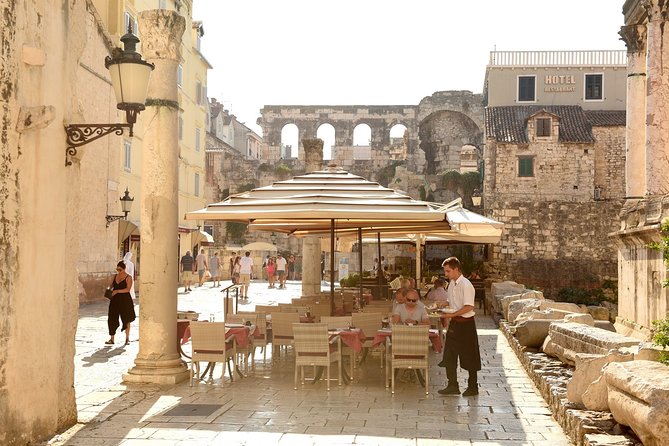
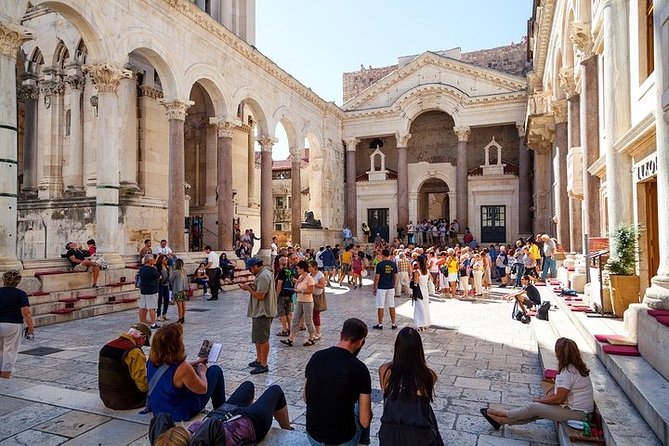
Then you reach the peristyle, the main Roman square area of the palace. You’ll learn what it did then and what it does now. One detail worth paying attention to is the columns—when the palace was built around 305 AD, columns were brought from different parts of the empire. In other words, Split’s palace isn’t just local stone; it’s empire-scale recycling and ambition.
These stops are intentionally short. That’s a good thing. You get the meaning without getting stuck in “stand and listen” mode.
Grgur Ninski Statue: a Croatian thread in a Roman frame
The route includes time by the Grgur Ninski statue. This stop works like a bridge: you’re still in the old palace world, but now the guide shifts the story toward later Split identity and prominent figures.
You’ll learn about Bishop Grgur Ninski and the sculpture tying him to the city. It’s a small pause, but it breaks up the Roman-and-Jewish focus so the tour doesn’t feel like it’s stuck in one century.
If you like your history with names you can remember, this is one of those “I’ll remember this later” moments.
The synagogue and Jewish ghetto: where stories get personal
This is the heart of the experience. The tour walks through the Jewish ghetto area, and you’re guided through what that space meant historically in Split. You’re not just told dates. You’re shown how the community lived, what role it played, and why the places you’re stepping past have lasting importance.
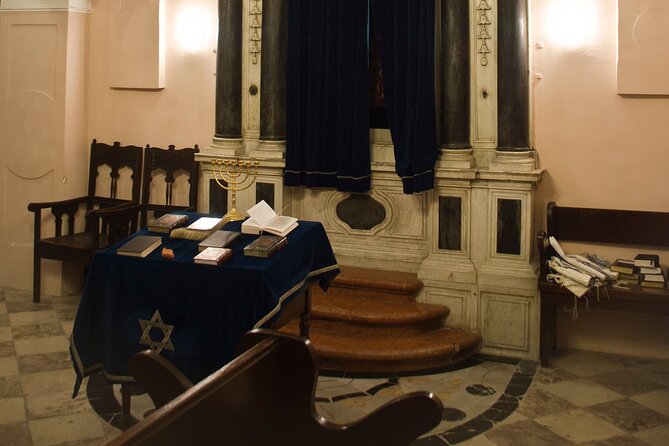
Then comes the synagogue visit. The experience includes time inside and a conversation with a member of the Jewish community who shares stories about Jewish life in Split. In multiple accounts from the guides, the synagogue caretaker Albert is specifically mentioned as someone who adds real texture to the visit. That kind of meeting is hard to reproduce on your own.
What I like most about the synagogue portion is that it’s not treated like a museum display. You’re guided to understand the setting and why the community is still connected to it.
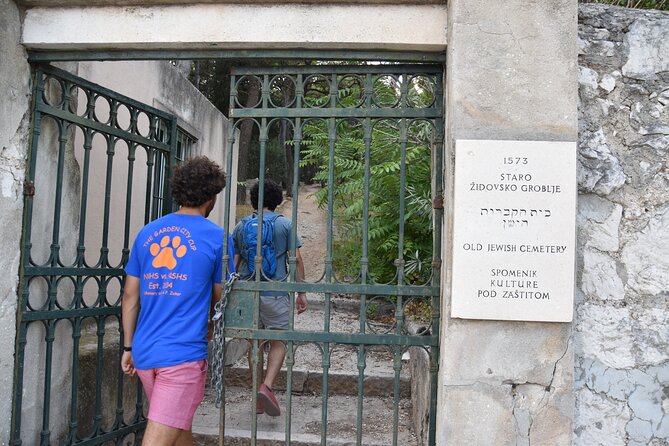
One more important stop in this theme zone is the cemetery element tied to Jewish significance on the tour. If your goal is to understand heritage places fully—especially those that go beyond the palace walls—this is the piece that gives the story weight.
Narodni Trg: the memorial moment in the city square
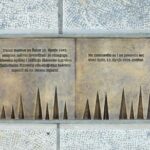
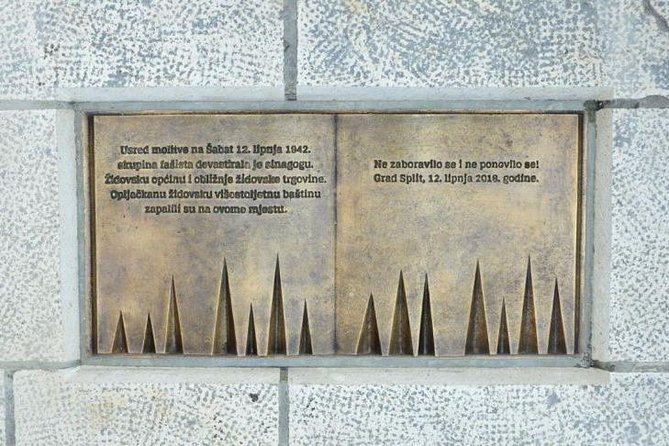
A short walk brings you to Narodni Trg, where you’ll learn about a bronze plaque placed to remember the destruction of precious synagogue items and archives on June 12, 1942.
This is one of those moments where the guide’s tone matters. The pacing here is brief, but the point lands: history isn’t only in grand buildings. It’s also in records, objects, and the human cost of loss.
Visually, the square also gives you a change of scenery. You’ll see beautiful Venetian architecture in Split’s main piazza area, so you’re not leaving the tour with “only heavy thoughts.” You’re balancing memory with the look of the city around you.


Fruit’s Square, Marko Marulić, and the little pauses that keep it fun
The route also skirts through Fruit’s Square (Trg Brace Radic), just outside Diocletian’s palace. This is a simple stop, but it adds local color.
Here you’ll hear about Marko Marulić, described as the father of Croatian literature, with his statue in the middle of the square. That’s an easy detail to remember, and it keeps the tour feeling like Split—not just a heritage lecture inside stone walls.
In a good private tour, these quick pauses matter. They stop the history from going flat and give you moments to look up, read the streets, and reset your brain.
Riva, Prokurative/Republic Square, and Marmontova Ulica: history meets daily life
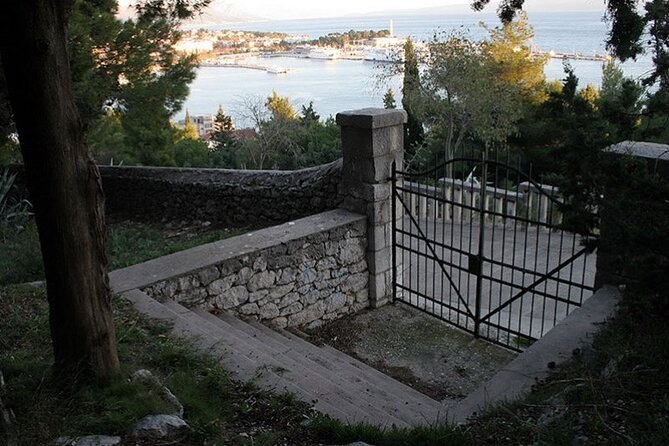
Once you leave the palace core, the route becomes a “walk-and-look” circuit that shows how Split functions now.
You’ll head to Riva Harbor, the waterfront locals call their living room. This is the classic pedestrian stretch, packed with cafés and restaurants. Even if you don’t plan a long break, you’ll feel what people mean when they talk about Split’s seaside rhythm.
Next is Prokurative (Republic Square), a plaza with an architectural style compared to Venice’s St. Mark’s Square. It’s named after arches found on neo-Renaissance buildings around the square on three sides. The guide points out the open south side view toward the harbour and Riva, so you’re not just standing there—you’re seeing why the view is arranged the way it is.
Finally, you’ll reach Marmontova Ulica, another popular promenade. Off the street is the fish market area where locals buy fresh Adriatic fish. It’s a small detail, but it’s the kind of local texture that makes your tour feel grounded instead of staged.
If you’re a photo person, this is where you’ll actually want photos—not because the places are flashy, but because you’re capturing the city’s layout and how people move.
Guides, pacing, and why private works so well here
This tour works as a private format for good reasons. Split’s old streets can be confusing, and the palace substructures can throw off timing if you’re relying on your own instincts.
In practice, the guides are described as friendly, personable, and able to adapt. Jelena Vrancic is repeatedly mentioned as a guiding force, with a warm, low-key storytelling style that doesn’t feel like a lecture. Other names you may encounter include Emil, Pero, and Vinka—each referenced for being friendly and responsive, including adjusting the tour when clients had mobility issues.
A few details show why that matters:
- When the weather changes, timing can shift without breaking the flow (there’s an example of using umbrellas and moving learning inside during rain).
- When your group has a strong interest in history, the guide can answer lots of questions without dragging the pace.
- Meeting someone connected to the synagogue turns the visit into a conversation, not a checklist.
For your enjoyment, that’s the real value: the guide shapes the experience around your pace and curiosity.
Price and value: what $187.05 buys you in Split
At $187.05 per person for about 2 hours 30 minutes, you should think of this as paying for two things: access and interpretation.
You’re not only paying for a walking route through Old Town. You’re paying for:
- A licensed private guide
- Admission coverage for the palace substructures portion
- A synagogue and ghetto-focused experience with a community connection
- A focused time window that covers multiple “anchors” of Split—Roman palace, Jewish heritage sites, and key squares/harbour areas
Admission costs can add up quickly in European cities, and interpretation is where tours either feel worth it or feel overpriced. Here, the strongest value is that you’re getting meaning tied to specific sites, especially around the synagogue visit and the palace basements.
Also, private tours reduce friction. You don’t spend your limited time figuring out where to go next or waiting on group pace.
If you’re traveling in peak season or going during popular cruise days, book early. The tour is scheduled far in advance on average, so last-minute availability may be tight.
What to wear, what to expect, and how to get the most out of it
You’ll be walking and moving between old stone, squares, and harbour promenades. Wear comfortable shoes with grip. If you’re sensitive to stairs, plan for that possibility at the palace substructures.
You don’t have meals included, so decide how you want to handle food before or after. Since the route includes long, scenic pauses (and the harbour is right there), it’s easy to add a coffee or gelato moment once you wrap up.
Bring curiosity, not just questions. This tour is at its best when you let the guide connect the dots between the Roman palace architecture and the later Jewish community presence.
Who this tour suits best
This is a strong fit if you:
- Want a Split Old Town walk that’s more than landmarks
- Care about Jewish heritage and places tied to community life
- Like a guide who explains without turning history into a dry script
- Prefer a private pace so you can ask follow-up questions
It’s also a good choice for mixed-interest groups—Roman history people will enjoy Diocletian’s palace, while heritage-focused travelers will appreciate the synagogue-centered part of the tour.
If your group wants a beach day or a slow, long café crawl, this might feel a bit structured. But if you want a high-information morning that still shows daily life, you’ll probably love it.
Should you book this Jewish Heritage & Diocletian’s Palace private tour?
I’d book it if you want Split to make sense on a deeper level. The combination is rare: Roman substructures plus the synagogue visit, with a real conversation component tied to the community. The route also gives you the city’s present-day feel at Riva and around Prokurative, so it doesn’t end in heavy history without a sense of place.
Skip it only if you strongly prefer an entirely outdoor route with minimal walking, or if synagogue opening-time dynamics would be a dealbreaker for your schedule. Otherwise, this is one of the best ways to turn Diocletian’s Palace from a famous site into a story with many voices.
FAQ
How long is the Jewish Heritage & Diocletian’s Palace private tour?
It lasts about 2 hours 30 minutes.
Is this tour private or shared?
It’s private. Only your group participates.
Is pickup available in Split?
Yes. Pickup is offered. Start time is on request. You can also be picked up from Old Town apartments or from Riva for those staying outside the Old Town.
What’s the meeting point if I don’t use pickup?
The meeting point is Obala Hrvatskog narodnog preporoda 23, 21000, Split, Croatia, by the bronze map of the city at the main waterfront called Riva.
Do I need to buy tickets for Diocletian’s Palace substructures?
The fee for the palace substructures is included. The tour includes admission ticket information for that first stop.
Is the synagogue part of the tour?
Yes. The tour includes a visit to the synagogue and time in the Jewish ghetto area.
Are there any meals included?
No. Meals and beverages aren’t included.
What language is the tour offered in?
It’s offered in English.
Is the tour suitable for children?
Children must be accompanied by an adult.
What if I need to cancel?
Free cancellation is available up to 24 hours before the experience starts for a full refund.
If you want, tell me your travel dates and whether you’ll be starting from a cruise ship or an Old Town apartment, and I’ll help you plan a smooth half-day around this tour.