REVIEW · TOKYO
Kyoto: Nijo Castle World Heritage Guided Tour with Admission
Book on GetYourGuide →Operated by Local Guide Stars · Bookable on GetYourGuide
Nijo Castle feels like politics you can walk through. I especially love the small-group size (max 10), which keeps the pace calm and questions flowing, and I also love the nightingale floors, because you can hear history do its job. The whole visit is built around the Shogun vs. Emperor power story, with visual “put-downs” at every turn.
One thing to plan for: the palace interiors require shoe removal, so comfortable socks and a readiness to follow rules will make the visit smoother. I also like that the tour is led in English by guides such as Nao, Alexander, Uta, and Benjamin, and they explain with energy instead of a robot script.
In This Review
- Key Highlights You’ll Actually Feel
- Why Nijo Castle Matters: Shogun Power on Kyoto’s Doorstep
- Meeting Point and Timing: Exit 1 at Nijōjō-mae Station
- The First Walk: Display Spaces, Not Battlefields
- Gardens and Moats With Koi: Photos That Also Explain the Place
- Entering the Ninomaru Palace: Where Social Rank Shows Up in Wood and Height
- Nightingale Floors: The Sound of Security Underfoot
- The 1867 Handover Room: Where the Shogunate Ended
- Price and Value: What $40 Buys You in Kyoto
- Who Should Book This Tour (and Who Might Skip It)
- Tips to Make Your Visit Smoother
- Should You Book This Tour?
- FAQ
- How long is the Nijo Castle guided tour?
- Is admission to Nijo Castle included?
- Where do we meet the guide?
- How large is the group?
- Is the tour offered in English?
- Do I need to remove my shoes?
- Is the tour wheelchair accessible?
Key Highlights You’ll Actually Feel
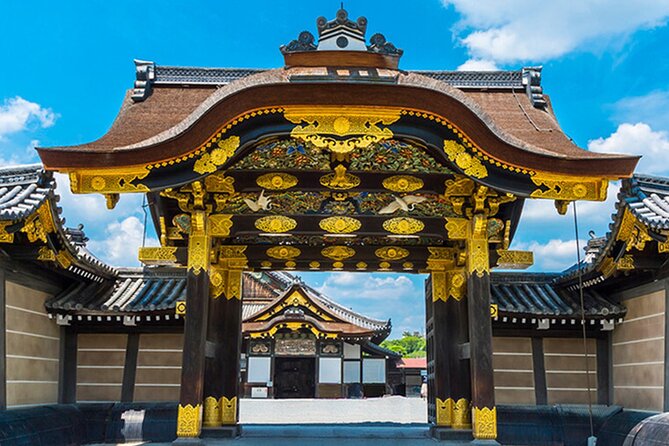
- Max 10 people with admission included, so it’s not a rushed cattle-line experience
- Nightingale floors you hear underfoot, tied directly to castle security
- Koi carp moats and photogenic gardens, a lovely break from all the power talk
- Ninomaru Palace details that map social rank onto room height and decoration
- The 1867 handover moment, where Tokugawa Yoshinobu returned authority to the Emperor
Why Nijo Castle Matters: Shogun Power on Kyoto’s Doorstep
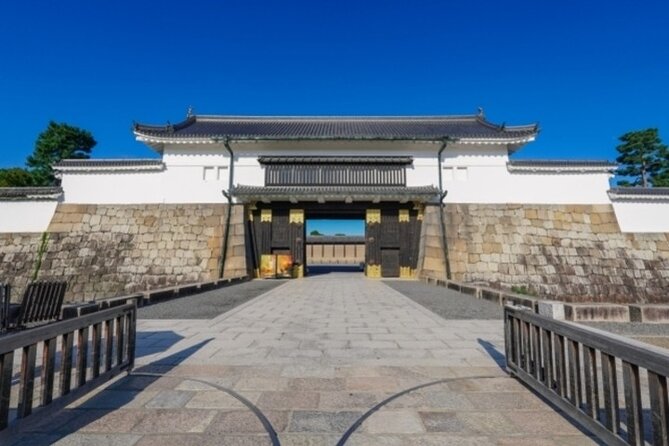
Nijo Castle is the kind of place where you stop thinking of “castle” as a single building and start seeing it as a message. The Tokugawa shoguns wanted authority to be felt instantly, even in Kyoto, even when their power was supposed to be indirect. So they built something lavish right near the Emperor’s world, basically saying: we can sit close enough to steer the room.
What I love is how the tour frames the Shogun vs. Emperor rivalry without making it abstract. You walk through spaces designed for silent control—display, intimidation, and social pressure instead of open battle. That lens makes every corridor and gate feel intentional, like you’re learning the castle’s language one step at a time.
And yes, there’s a history payoff. In 1867, Tokugawa Yoshinobu returned authority to the Emperor right in the castle’s orbit—marking the end of more than 260 years of shogunate rule. Standing in the specific moment space gives you a clearer sense of how dramatic that transition really was.
You can also read our reviews of more tours and experiences in Tokyo.
Meeting Point and Timing: Exit 1 at Nijōjō-mae Station
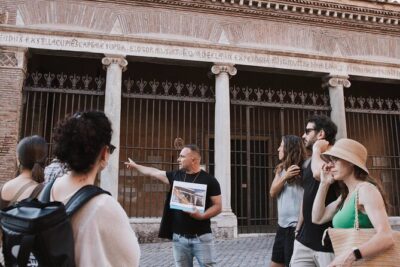
This tour is built for a simple start. Meet outside Entrance (Exit) 1 of Nijōjō-mae Station, and look for a guide holding a sign that says Local Guide Stars. It’s an easy meetup spot, and it gets you walking quickly instead of spending time figuring out where to stand.
Total time is about 90 minutes, with roughly one hour walking and touring inside the castle areas. That matters because Nijo Castle is best when you’re not sprinting. You want time to look up, listen, and ask questions—this schedule gives you that without turning your day into a marathon.
The pace also helps if you’re juggling other Kyoto sights the same day. At 90 minutes, it fits cleanly between shrines, markets, or a long stroll in the historic lanes.
The First Walk: Display Spaces, Not Battlefields
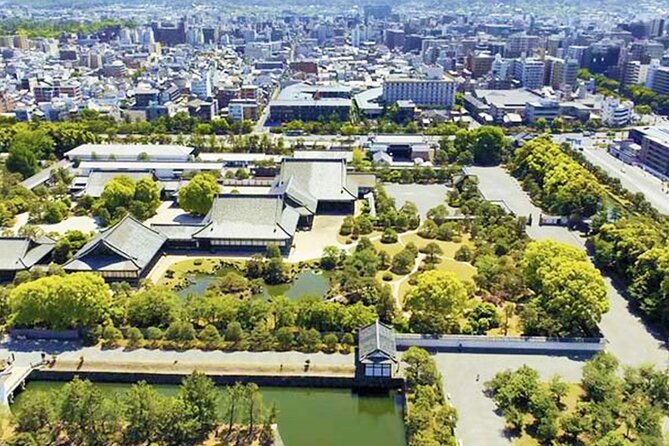
One of the smartest parts of this experience is the way the guide sets expectations before you even hit the palace. Nijo Castle isn’t presented as a fortress. It’s presented as a stage. Rooms, passages, gates, and courtyards are organized to send signals: who holds power, who should lower their gaze, and who is allowed to move freely.
You’ll start with the idea that the Tokugawa shoguns ruled from distant Edo (today’s Tokyo). Then you’ll get the twist: they built right here in Kyoto, close enough to the Emperor’s center of gravity that their dominance couldn’t be ignored. That context turns the “wow” factor into understanding.
I also like that the tour makes room for questions. With a group capped at 10, you’re not stuck waiting until the end for your one clarifying point.
Gardens and Moats With Koi: Photos That Also Explain the Place
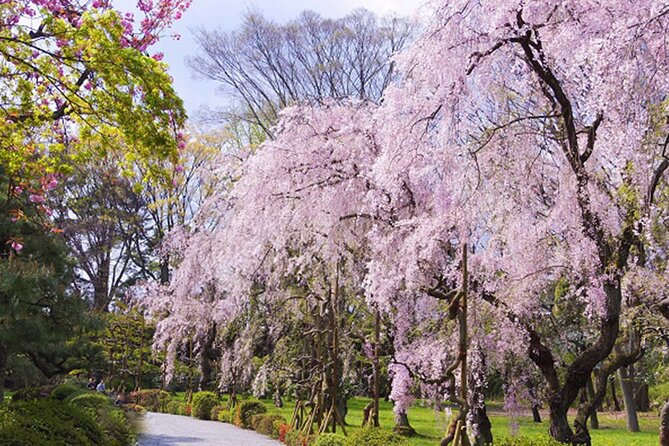
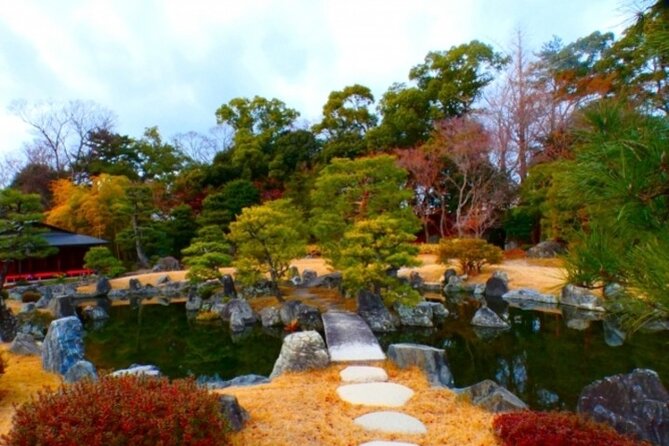
Yes, the gardens and moats are photogenic. Colorful koi carp swimming near castle edges gives you that instant Kyoto postcard moment. But the tour also uses the scenery to reinforce how the castle works as a controlled environment, not just a pretty one.
Think of it like this: you get a visual reset from the heavy politics, then you re-enter the mindset of authority. The moats and water features act as boundaries and visuals. Even when you’re taking pictures, you’re learning how the setting shapes movement and perception.
If you care about photography, this is where you’ll likely slow down naturally. The water makes reflections and perspective easier, and the koi add motion to otherwise calm garden scenes.
Entering the Ninomaru Palace: Where Social Rank Shows Up in Wood and Height
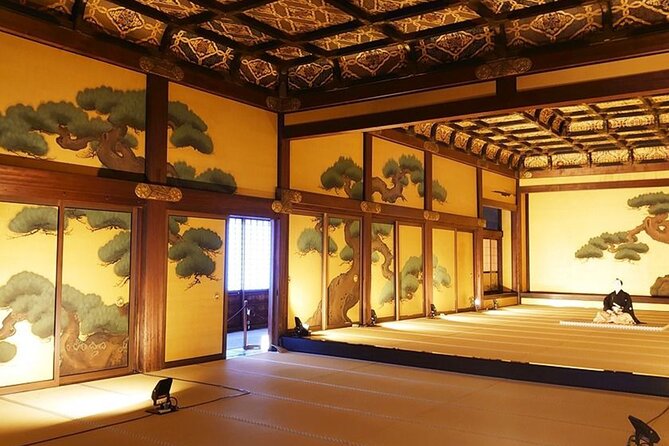
The heart of the tour is the walk through the Ninomaru Palace. This is where the castle stops being a history lesson and becomes a physical model of hierarchy.
You’ll learn how room size, floor height, and decoration weren’t just aesthetic choices. They were rules you could measure with your feet and eyes. The guide points out how the palace space separates people by status and how that separation is built into the architecture.
As you move through layered corridors and gates, the castle starts to feel like it’s controlling your emotions. The design is meant to psychologically overwhelm visitors, not by violence, but by making you move through a system that doesn’t feel neutral. It’s architecture as etiquette, where every turn quietly asks: do you know your place?
This is also where listening helps most. The information ties the visuals together, so you’re not just seeing old rooms. You’re understanding why the rooms feel strict.




Nightingale Floors: The Sound of Security Underfoot
If you’ve heard about the famous chirping floors, this tour is where you’ll understand why they’re so talked about. The floors in the palace are designed to make noise if someone tries to move improperly—an audible early-warning system.
You’ll literally feel the point when the guide shows you how the mechanism works and why it mattered. It’s one of those experiences where the history isn’t distant. It’s happening under your steps.
I like that the tour connects this detail to the bigger story. The castle wasn’t only about intimidation with looks. It was also about silent control and surveillance—catch the intruder, then respond. When you hear it, you stop treating it like a gimmick and start seeing it as practical technology serving power.
The 1867 Handover Room: Where the Shogunate Ended
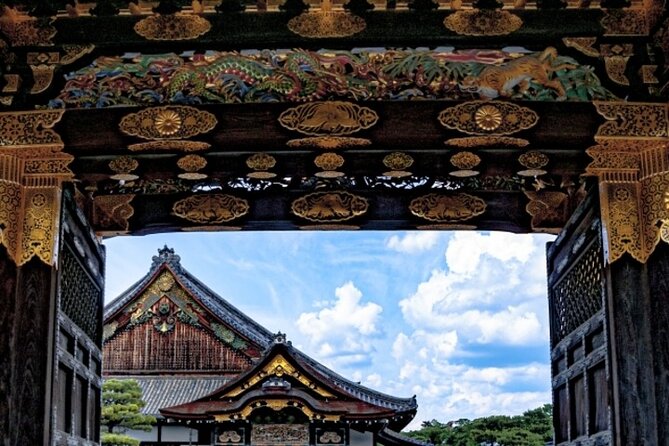
The ending is one of the most powerful parts of the whole visit. You’ll stand in the space associated with 1867, when Tokugawa Yoshinobu returned authority to the Emperor. It’s framed as the closing chapter of over 260 years of shogunate rule.
This moment lands better because you’ve spent the whole tour learning how authority worked here: through proximity to the Emperor, through palace hierarchy, and through controlled movement inside the compound. So when the guide brings you to that 1867 return, it doesn’t feel like a random date. It feels like the logic of the building reaching its final page.
If you’re a history person, you’ll enjoy the clarity. If you’re not, you’ll still feel the significance, because the tour makes the “why” very direct.
Price and Value: What $40 Buys You in Kyoto
At around $40 per person for about 90 minutes, the value comes from two things: admission included and a guide who makes the experience make sense.
Admission plus guidance matters because Nijo Castle can be a lot on your own. You can walk around, take photos, and still miss the structure of the story—why certain features are where they are, and what they were meant to communicate. With the guide, you get the narrative thread, plus the small details that turn “pretty palace” into “I understand what I’m looking at.”
The other value lever is the small group. Up to 10 people means you’re more likely to actually hear the explanations clearly and have time for questions. That’s the kind of upgrade you notice right away, especially in a high-demand city like Kyoto.
Who Should Book This Tour (and Who Might Skip It)
This tour is a great fit if you:
- Like guided context, not just self-guided wandering
- Want the Shogun vs. Emperor story explained in human terms
- Care about practical details like the nightingale floors and palace hierarchy
- Prefer a small group in Kyoto so the visit stays calm
It may be less ideal if you:
- Want a long, slow museum-style visit with minimal talking
- Prefer to explore at your own pace without shoe-removal rules for palace entry
- Don’t like hearing about political history while you’re sightseeing (the tour does focus on that power theme)
Tips to Make Your Visit Smoother
You’ll do fine if you come prepared mentally and physically:
- Plan for shoe removal when entering the palace areas.
- Wear footwear you’re comfortable removing and putting back on quickly.
- If you’re sensitive to quiet rules in historical buildings, treat this like a respectful guided site visit, not a casual hangout.
Also, don’t rush the Ninomaru Palace stops. The most interesting points depend on you listening at the right moment. When you’re in the right place, the guide’s explanation clicks faster.
Should You Book This Tour?
I think you should book this if you want Nijo Castle to feel clear, not confusing. The combo of admission included, a tight 90-minute format, and a guide who brings the power story to life makes it a smart use of time.
The small-group setup is the real differentiator. It turns the experience from “I saw it” into “I understood it,” and that’s what you want from a guided tour in Kyoto.
If you’re excited by the nightingale floors, the palace hierarchy details, or the 1867 turning point, this is the kind of tour that makes those topics click quickly.
FAQ
How long is the Nijo Castle guided tour?
The tour runs for about 90 minutes, with roughly 1.5 hours of guided time.
Is admission to Nijo Castle included?
Yes. Admission to Nijo Castle is included in the tour price.
Where do we meet the guide?
Meet outside Entrance (Exit) 1 of Nijōjō-mae Station. The guide will be holding a sign that says Local Guide Stars.
How large is the group?
It’s a small group limited to up to 10 participants.
Is the tour offered in English?
Yes, there is a live tour guide in English.
Do I need to remove my shoes?
When entering the palace, visitors must remove their shoes.
Is the tour wheelchair accessible?
The tour is listed as wheelchair accessible, and the terrain is mostly flat.