REVIEW · LISBON
Private Evora Heritage and Alentejo Wine Tour from Lisbon
Book on Viator →Operated by YesExperiences Portugal · Bookable on Viator
Évora in one day beats basic sightseeing. This private tour strings together wine estates in the Alentejo, UNESCO-era streets in Évora, and a cork factory where you can actually see how Portugal’s most useful tree product becomes souvenirs.
I especially love the local guide factor. In past departures, guides like Miguel, Helena, Ricardo, Nuno, and Pedro bring the history to life, even adding personal university stories from Évora when it fits the moment. I also like the balance: big-name landmarks like the Temple of Diana, plus stops that feel more hands-on, like the cork factory and the Chapel of Bones.
One thing to consider: it’s a long day (about 9 to 11 hours), and lunch isn’t included. If you want a true food break, plan for extra time to eat, or lean on your guide’s recommendations.
In This Review
- Quick hits before you go
- Why Évora and Alentejo work as a day trip from Lisbon
- Price and Logistics: what $335.19 buys you
- The morning view: Portuguese Golden Gate over Lisbon and the Tagus
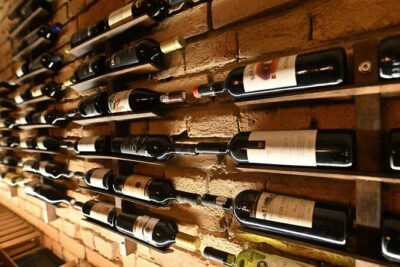
- Alentejo wine country: how the winery lineup feels day-to-day
- João Portugal Ramos: modern winemaking with Portuguese roots
- Cartuxa (Enoturismo Cartuxa): a monastery name and a serious identity
- Quinta São José da Pêra Manca: 16th-century origins and structured reds
- Ervideira: a family-run sense of continuity since 1880
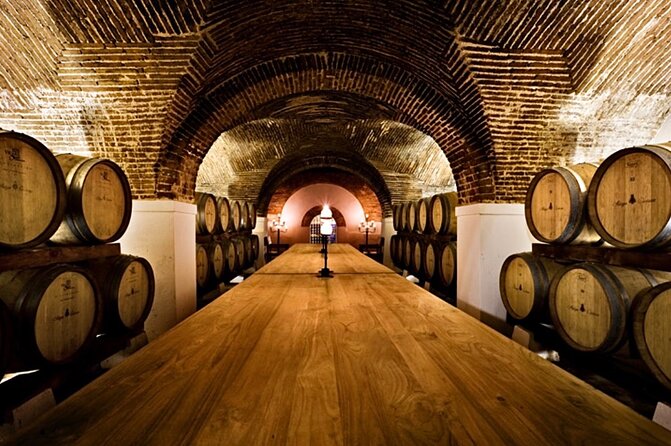
- Herdade do Esporão: cellar time and estate rhythm in Reguengos de Monsaraz
- Chapel of Bones: the eerie pause that makes the day memorable
- Évora: Roman temple, medieval walls, and tight city-time efficiency
- Temple of Diana: quick but important
- Corticarte cork factory: the process you can actually remember
- Food and wine: what’s included, what you’ll still need
- What it feels like with a private guide (and why it matters)
- Who should book this tour
- Should you book Private Évora Heritage and Alentejo Wine Tour?
- FAQ
- How long is the Private Évora Heritage and Alentejo Wine Tour?
- Is pickup and drop-off included?
- What’s included in the price?
- Is lunch included?
- Do I need to buy tickets for the main stops?
- What language is the tour offered in?
- Is this a private tour?
Quick hits before you go
- Private pickup and drop-off at your accommodation, so you avoid Lisbon parking and transit headaches
- Multiple winery admissions across the Alentejo, with wine tasting at two wineries plus snacks (cheese and smoked sausages)
- Chapels and monuments with real contrast: Chapel of Bones, then Roman-era Temple of Diana
- Cork factory visit at Corticarte with the full process, from harvesting to finished products
- Flexible guidance reported by multiple guides, with itinerary adjustments based on your interests
- Small, efficient stops (most are ~90 minutes) that keep the day moving without feeling rushed
Why Évora and Alentejo work as a day trip from Lisbon
This is the kind of tour that makes “I’ll just do the highlights” actually feel satisfying. Évora sits on the cultural map for a reason: Roman remnants, medieval walls, and a historic center you can walk without fighting crowds on every corner. Then the day flips into Alentejo wine country, where the pace changes from city wandering to vineyard scenery and cellar-and-tasting time.
What makes this itinerary click is variety without chaos. You get scenic and cultural anchor stops (Golden Gate viewpoint, Évora center, Temple of Diana) and then you get the Alentejo’s working side (wineries and cork production). It’s a full picture of the region, not just a checklist.
You can also read our reviews of more tours and experiences in Lisbon.


Price and Logistics: what $335.19 buys you
At $335.19 per person for a 9 to 11 hour private tour, the value is mostly about how much is included and how little you have to organize yourself.
Here’s what you’re paying for in practical terms:
- Private transportation in an air-conditioned vehicle
- Pickup and drop-off at your accommodation (Lisbon logistics are often the annoying part)
- Certified guide who handles timing, explanations, and transitions
- All entrances (so you’re not scrambling for tickets at each stop)
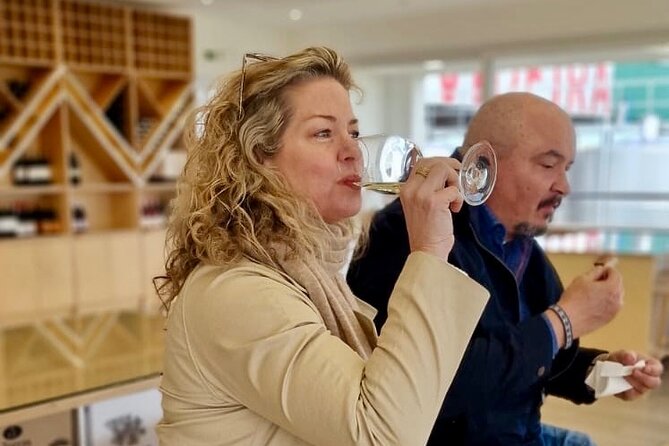
- Wine tasting included at two wineries, plus cheese tasting and smoked sausages
- Bottled water for the long stretch
It’s not a cheap day, but it’s also not a “pay for admission then figure out the rest” trip. If you hate wasting half your vacation on bus transfers and ticket lines, this kind of private format starts to make sense fast.
One more practical note: lunch isn’t included. That’s a small mismatch in an otherwise well-packaged day, so I’d budget for it and treat it as part of the planning.
The morning view: Portuguese Golden Gate over Lisbon and the Tagus
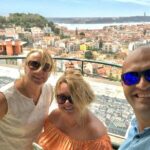
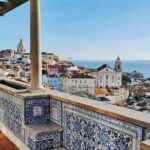
You start with a scenic orientation stop: the Portuguese Golden Gate, overlooking Lisbon and the Tagus River. This isn’t just a photo moment. It helps you get your bearings early, so the rest of the day feels like a journey with momentum.
The viewpoint is especially useful if you’re the type who wants to understand how Lisbon sits in relation to the river before you go inland. Even if you’ve been to Lisbon already, it’s a quick way to reset your perspective before you head toward Alentejo.
Alentejo wine country: how the winery lineup feels day-to-day

This tour threads several winery stops across the region. Most visits are around 1 hour 30 minutes, with one longer 2-hour estate time. That matters because it keeps you from feeling like you’re constantly “waiting for the next thing.” You get enough time at each place to taste, ask questions, and absorb the story behind the wine.
Also, even though the day includes multiple winery admissions, the provided inclusions specifically call out wine tasting at two wineries. In other words, expect tastings to be planned, but the full day’s winery time may include explanations, sampling, and estate atmosphere beyond just tasting round after round.
João Portugal Ramos: modern winemaking with Portuguese roots
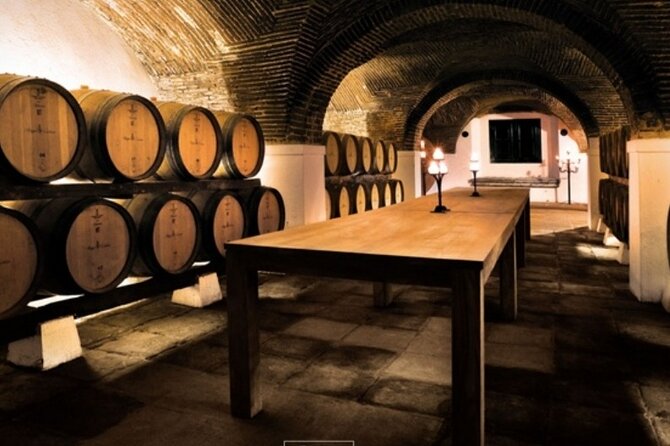
One of your early winery options is João Portugal Ramos Wines. The big idea here is a “modern approach” that still respects tradition. You’ll see the region’s dual personality in the wine list they’re known for: indigenous Portuguese grapes alongside some international varieties.
From a visitor standpoint, this stop is helpful because it gives you a baseline for what Alentejo can taste like when a producer balances local identity with broader wine styles. Expect the guide to connect grape choice to flavor and to the thinking behind production.
Practical tip: if you’re curious about white vs red styles, this is the kind of winery where you can often spot the differences fast. Ask your guide what to pay attention to during tasting.




Cartuxa (Enoturismo Cartuxa): a monastery name and a serious identity
Next comes Enoturismo Cartuxa. The winery’s identity is tied to the 16th-century Mosteiro da Cartuxa, with the monastery right next door. That’s not just decorative background. The brand’s story is part of its credibility, and the stop tends to feel like you’re stepping into a place with continuity.
Cartuxa is described as having excellence, quality, and individuality in its own style. If you like wine brands with a sense of place, this stop has that. The setting also makes the pacing easier because the visit feels more like heritage plus tasting, not just a production briefing.
Quinta São José da Pêra Manca: 16th-century origins and structured reds
At Pêra-grave – Qta S. Jose De Peramanca, you’re looking at a winery whose origins date back to the 16th century. This is one of those stops where the history and the flavor meet in a very direct way: it’s especially famous for its red wines made from traditional regional varieties like Aragonez, Trincadeira, and Alicante Bouschet.
For most people, the practical payoff is this: you’ll likely taste reds that are built for flavor depth and aging potential. That gives you something to think about beyond “which one tastes better today.” I’d treat this tasting as a chance to learn how structure shows up on your palate.
Ervideira: a family-run sense of continuity since 1880
Then there’s Ervideira, described as dedicated to wine production since 1880, with active producers in the fourth and fifth generation. It’s also tied to a specific farming footprint: 160 hectares of vineyards, spread among family properties in Vidigueira and Reguengos.
This stop often works well if you like hearing how estates stay consistent while still evolving. The mission is framed as making wines that feel “unique and exclusive” while maintaining quality for international markets. You’re basically tasting the result of a long-running production philosophy.
Herdade do Esporão: cellar time and estate rhythm in Reguengos de Monsaraz
Herdade do Esporão is your longer stop (about 2 hours). It’s set in the heart of Reguengos de Monsaraz, and the story emphasizes balanced, seductive wines with a good aging future.
What I like about this kind of estate stop is the way it breaks down the work. The vines are called the estate’s lung, and the cellar becomes the heart. You don’t just get a wine lesson—you get a sense of how harvest timing and the oenology team’s calendar drive outcomes.
If you’re the kind of traveler who wants to understand why wine tastes the way it does, this is the place to ask follow-up questions. Even if you don’t nerd out, the concept of harvest and decision-making makes the tasting more meaningful.
Chapel of Bones: the eerie pause that makes the day memorable
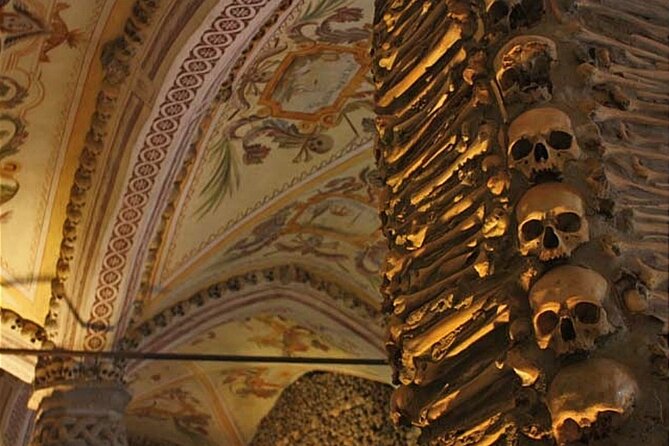
After the wineries, the itinerary takes a left turn—the Chapel of Bones. This is attached to the Church of St. Francis, and it’s known for a macabre interior entirely covered in human bones. The chapel was built in the 16th century by Franciscan monks, meant to remind visitors about the transience of life and the importance of reflecting on mortality.
The notes you’re given include that the bones are believed to be from around 5,000 monks, exhumed due to cemetery space constraints and arranged into patterns, with skulls used as decorative elements. There’s also an inscription over the entrance with a message along the lines of We bones that are here await yours.
This stop isn’t for everyone, but it’s short enough (about 30 minutes) that you can choose the right emotional distance. If you like history that isn’t just pretty, it’s a strong contrast to the wine stops.
Évora: Roman temple, medieval walls, and tight city-time efficiency
Évora is a UNESCO World Heritage city, and the way this tour handles it is smart: you don’t try to cover everything. Instead, you get key anchors that help you understand the city fast.
You’ll spend about 1 hour in Évora, which is enough for orientation and a few signature sights. The city is known for:
- Roman-era remnants, including the Temple of Diana
- Medieval walls that ring the historic center and offer views
- Whitewashed streets and historic churches
- A university founded in the 16th century, adding a student energy to the old stones
If you want to do your city walking without feeling rushed, this is a good plan because the guide keeps you focused on what’s most meaningful, not just what’s most photogenic.
Temple of Diana: quick but important
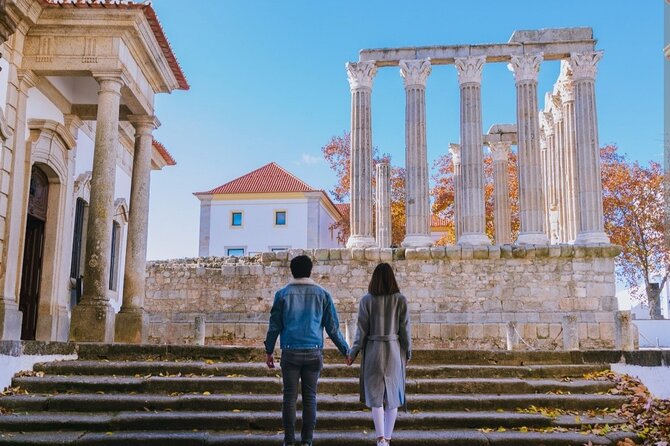
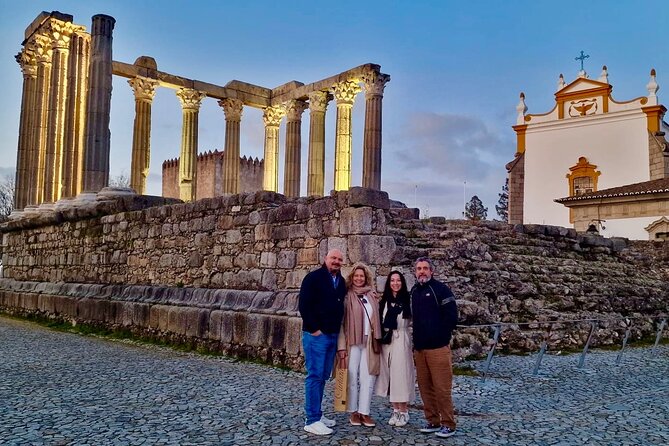
Then there’s Templo Romano de Évora, also called the Temple of Diana. Built at the beginning of the 1st century AD, it likely served as worship linked to the Roman emperor. It went through alterations during barbarian invasions and the Christian period, and it was restored to its original glory in the 19th century.
Time here is short (about 10 minutes), but it’s the right stop. Even with minimal time, the monument helps you see why Évora mattered in earlier empires, not just during later medieval periods.
Corticarte cork factory: the process you can actually remember
The final practical education stop is Corticarte – Arte em Cortiça. You’ll visit a cork factory and go through the preparation process with explanations: cork harvesting, quality selection, and final products.
This is one of the most consistently praised stops in the experience style of this tour. It’s memorable because it turns a souvenir into knowledge. You learn where cork comes from, what determines quality, and what kinds of finished products you’ll find in the shop.
My advice: if you’re the type who buys small, useful gifts, this is where you do it. One handy review tip: pick up cork products here rather than waiting until Lisbon souvenir shopping.
Food and wine: what’s included, what you’ll still need
The included tastings are built to keep you going through a packed itinerary:
- Wine tasting at two wineries
- Cheese tasting and smoked sausages
- Alcoholic beverages during tastings
- Bottled water
Lunch is not included. That means you have room to eat in a way that matches your tastes—quick, local, or sit-down. In guide-led experiences on this route, Helena-style and others have been known to recommend an authentic tavern for an actual Portuguese meal rather than sending you to something generic.
Because timing is tight, I’d treat lunch like a planning moment, not an afterthought. If you don’t like surprises, ask your guide early what they recommend and how much time you’ll likely have.
What it feels like with a private guide (and why it matters)
The private format is the silent hero of this tour. It’s not just fewer people. It’s also how the day adapts.
In examples from past guides, Miguel shared local university stories from Évora and added sights based on what the group wanted. Ricardo adjusted the itinerary to interests and also made cork shopping practical by explaining what to buy at the factory. Nuno helped with flexibility and still got people to the Roman ruin and the medieval church stops.
Even when stops run slightly long, a good guide works the schedule so the day stays coherent. On your end, all you need to do is be clear about your preferences:
- more walking vs more tasting
- more history vs more wine
- time for photos vs time for quiet
Who should book this tour
This is a strong match if you:
- Want wine + history in the same day without doing planning math
- Prefer pickup and drop-off so you can focus on the route, not transportation
- Like UNESCO-level places but also enjoy off-the-beaten-track workshop stops like a cork factory
- Enjoy having a guide explain what you’re seeing (and not just letting you wander)
It’s also a good fit for couples and small groups who want a private day. If you travel as a solo, it can still be worth it if you value the guide-led structure and hate transit hassles.
If you want a relaxed pace with unstructured breaks, this may feel like too much, since it’s designed as an efficient itinerary with multiple stops.
Should you book Private Évora Heritage and Alentejo Wine Tour?
I’d book it if you want a single day that gives you both sides of Portugal: Alentejo production and Évora heritage. The itinerary hits recognizably important sights (Temple of Diana, Évora center) while adding stops that are memorable for reasons beyond classic “big tourist” stuff (Chapel of Bones, cork production).
If you’re deciding between this and a looser wine day, choose this when you care about:
- having a certified guide connect dots,
- getting multiple included admissions,
- and keeping the day efficient from Lisbon.
Skip it or reconsider if you’re only into wine and want long cellar tours, or if you dislike long days. Also, since lunch isn’t included, make sure you’re comfortable spending extra time and money on a meal that fits your preferences.
FAQ
How long is the Private Évora Heritage and Alentejo Wine Tour?
It runs about 9 to 11 hours, depending on timing across stops.
Is pickup and drop-off included?
Yes. Pickup and drop-off are offered at your accommodation.
What’s included in the price?
The tour includes pickup/drop-off, all entrances, a certified tour guide, an air-conditioned vehicle, alcoholic beverages for tastings, wine tasting at two wineries, bottled water, private transportation, and cheese tasting and smoked sausages.
Is lunch included?
No. Lunch isn’t included, so you’ll want to plan for a meal on your own.
Do I need to buy tickets for the main stops?
All entrances are included.
What language is the tour offered in?
The tour is offered in English.
Is this a private tour?
Yes. It’s private, so only your group participates. Service animals are allowed.