REVIEW · KATHMANDU
Kathmandu Heritage Tour – Private Full-Day UNESCO Sites & Temples
Book on Viator →Operated by Himalayan Recreation Treks & Expedition Pvt.Ltd · Bookable on Viator
Kathmandu can feel like a sensory storm, but this private day plan gives it structure. I like how you get a guide-led tour across the big-ticket UNESCO sights, and you also hear how the 2015 earthquake changed the way people see and use these places. It’s the kind of itinerary that helps you orient fast without feeling like you’re just hopping from photo spot to photo spot.
The trade-off is simple: entrance fees are not included, and the bill can add up across multiple temples and sacred areas.
In This Review
- Key takeaways before you go
- A private Kathmandu UNESCO day that actually helps you understand the city
- Pickup, private vehicle, and the comfort factor that matters in Kathmandu
- Swayambhunath (Monkey Temple): your panoramic start and first big wow
- Kathmandu Durbar Square: royal architecture and the moving parts of a living tradition
- Kumari Chowk and Hanuman Dhoka: short stops with big personality
- The Taleju Bhawani Temple stop: quick dose of Malla-era significance
- Pashupatinath Temple and the crematoria: a sacred center you can’t ignore
- Boudhanath Stupa: the shift from Hindu shrine energy to Buddhist calm
- The Garden of Dreams: a pause that keeps the day from feeling nonstop
- Earthquake damage in 2015: how it changes what you see and what your guide explains
- Price and budgeting: where the real cost shows up
- What makes the guides the standout part of the day
- Who should book this tour, and who might prefer a different plan
- Should you book the Kathmandu Heritage Tour?
- FAQ
- What sites are included in the Kathmandu Heritage Tour?
- How long is the tour?
- Is pickup from my hotel included?
- Are entrance fees included?
- What does the tour price include?
- What if I need to change plans?
Key takeaways before you go
- Private pace, not a cattle line: you ride in your own vehicle with a guide and can move at a comfortable rhythm.
- Best first-day mix of Hindu and Buddhist sites: Swayambhunath, Durbar Square, Pashupatinath, Boudhanath, plus a calmer stop in the Garden of Dreams.
- UNESCO focus with real-world context: your guide explains what the monuments mean and how the 2015 earthquake impacted some of the structures.
- Pay attention to entrances: several stops list admission as not included, so budget for temples on top of the tour price.
- Long but manageable day: expect roughly 5 to 8 hours, depending on the route and time spent at each stop.
- English-first guiding: multiple guide names show up in customer feedback, and the common thread is fluent, helpful communication.
A private Kathmandu UNESCO day that actually helps you understand the city
If you have one solid day in Kathmandu, you want more than landmarks. You want meaning. This full-day private tour is built around Kathmandu Valley’s UNESCO World Heritage sites—so you see the major anchors of both Hindu and Buddhist practice, not just streets and viewpoints.
I like that the tour is set up for people who want their bearings. Starting at Swayambhunath gives you a hilltop overview right away, and the next stops walk you into royal history at Durbar Square, living goddess symbolism at Kumari Chowk, and the big, emotional center of Hindu pilgrimage at Pashupatinath.
There’s also the very real context you should expect. The tour notes significant damage at some sites from the April and May 2015 earthquakes. That doesn’t ruin the day, but it does change what you’re looking at, and it makes the explanations feel more grounded.
You can also read our reviews of more tours and experiences in Kathmandu.
Pickup, private vehicle, and the comfort factor that matters in Kathmandu
This is a private tour with your group only, capped at a maximum of 10 people per booking. That small group limit matters because Kathmandu traffic and crowding can turn a “quick visit” into a slow crawl. With hotel pickup and drop-off, you also avoid wasting energy figuring out transport on your own.
Transport by private vehicle keeps the day smoother and more predictable. Bottled water is included, which sounds minor until you’re walking temples in warmer hours. You also get a mobile ticket, which tends to make entry logistics easier once you’re at the stops.
The tour runs about 5 to 8 hours. That’s long enough to cover multiple UNESCO locations, but short enough to still keep your evening open for dinner plans or an optional cultural walk.
Swayambhunath (Monkey Temple): your panoramic start and first big wow
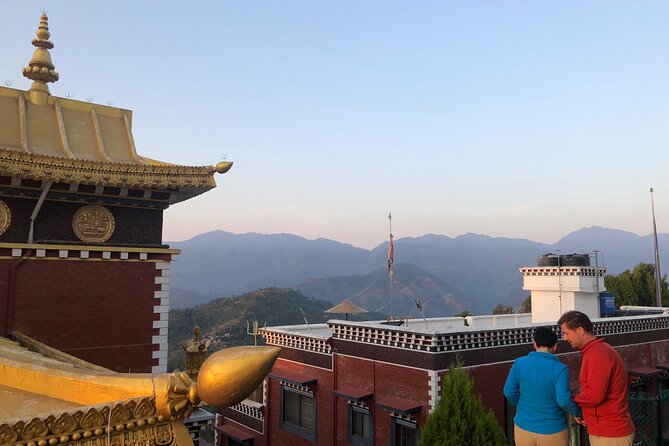
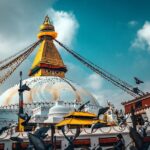
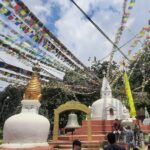
The day starts at Swayambhunath, the hilltop temple complex often called the Monkey Temple. It’s a main Buddhist site with a history reaching back thousands of years, and you get a full hour there—long enough to climb, look around, and absorb the views without feeling rushed.
This is a smart first stop because it gives you altitude and geography. From the hilltop, you can recognize where the city sits, and you start connecting what you’ll see later—dense neighborhoods, river direction, and the way the valley spreads.
One practical note: admission is not included at this stop. So you’ll be paying temple-entry costs on top of the tour price, and it’s best to treat entrance fees as part of the real total cost of the day.
Kathmandu Durbar Square: royal architecture and the moving parts of a living tradition
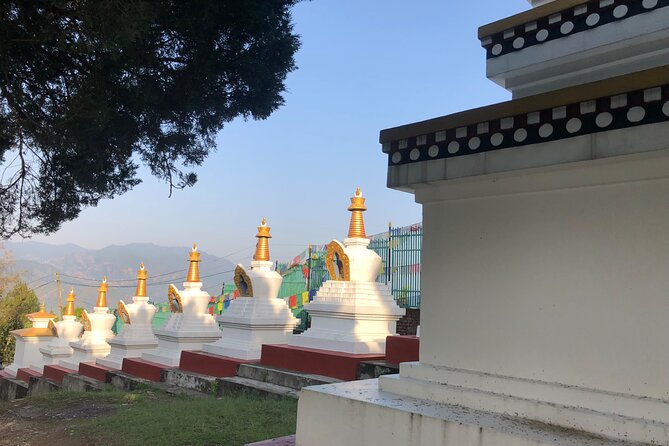
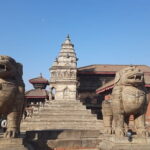
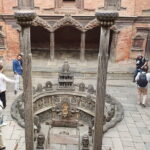
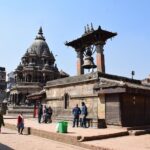
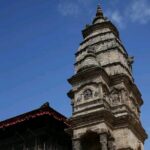
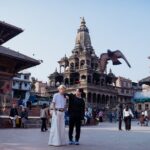
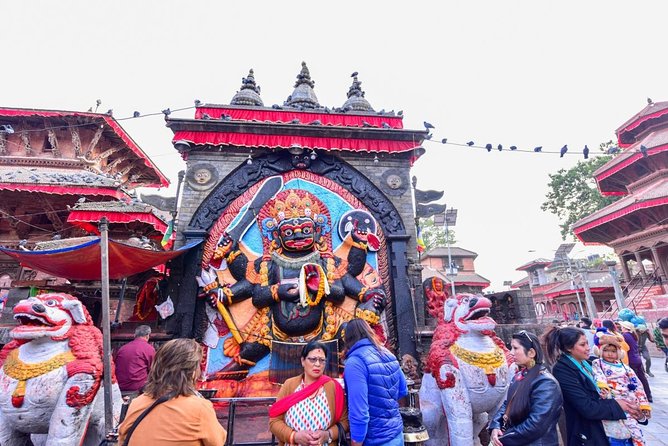
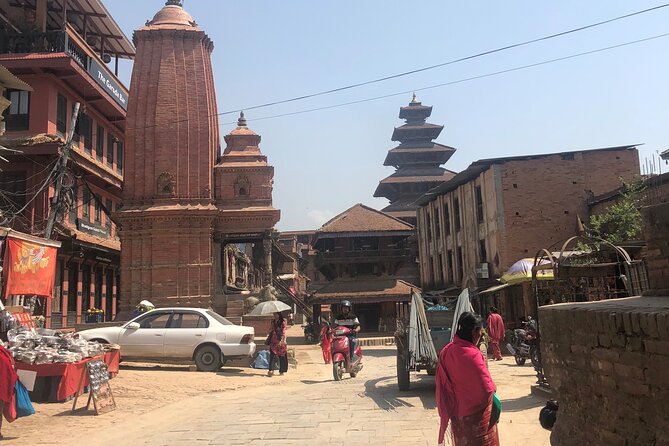
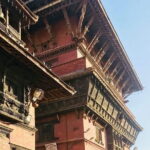
Next up is Kathmandu Durbar Square, a UNESCO site known for ornate historic buildings and royal-era craftsmanship. It’s a great place to understand why Durbar Squares matter: they’re not just museum-like ruins. They function as cultural and religious space, with festivals and daily life woven in.
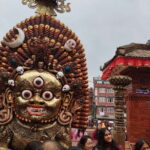
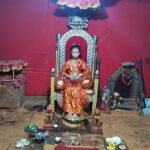
You also get a look at the Kumari, the living goddess. At Kumari Chowk, the tour includes a chance to see the Kumari at her window at certain times, though it’s not something you can force. Still, it’s one of the rare moments in Kathmandu where you see a tradition that is both spiritual and intensely human.
Durbar Square also connects well to the smaller, quick-hit elements in the itinerary. Basantpur Dabali is listed as a very old tourist center with a beautiful Hindu temple, and those short stops help break up the day before you commit to longer temple areas.
If you care about architecture, this is where you’ll notice the details: carved surfaces, courtyards, and that distinct old-city design rhythm that makes Kathmandu feel like a place built by generations, not decades.
Kumari Chowk and Hanuman Dhoka: short stops with big personality
Several stops in this tour are brief, but they’re not pointless. That’s a key difference between a good one-day plan and a checklist.
- Kumari Chowk is included for the living goddess element. Even if you only catch a glimpse, it changes how you view Durbar Square. This is religion as presence, not just a story on a sign.
- Hanuman Dhoka is another quick stop with the Hanuman monkey theme. The itinerary notes real monkeys in the square, which is both charming and a reminder to watch your belongings and move calmly.
These short visits are also useful if you’re traveling with photo energy. You can take a few photos, let your guide explain what matters, and then move on without burning an hour somewhere that isn’t your priority.

The Taleju Bhawani Temple stop: quick dose of Malla-era significance
Between the major “headline” sites, the tour includes a brief stop related to Taleju Bhawani Temple. It’s tied to one of the most powerful goddesses in local belief, and it’s also regarded as the clan goddess of the Malla kings who ruled Nepal from the 12th to the 18th century.
The time listed is short, but what makes this stop worth it is the way it fills in context. When you learn about the Malla connection, it helps you interpret the royal spaces you saw earlier at Durbar Square. You start to see continuity: worship, power, and architecture moving together across centuries.
Also, this stop shows an admission detail of free in the itinerary. So it can be one of the “no extra fee” moments in a day that otherwise includes paid entries.
Pashupatinath Temple and the crematoria: a sacred center you can’t ignore
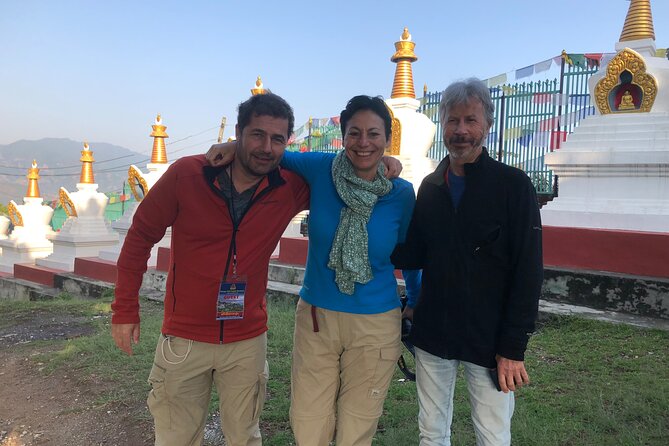
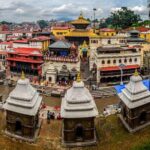
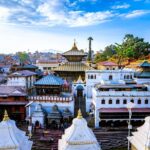
Then comes the big one: Pashupatinath Temple, the most sacred Hindu shrines in the world. The tour lists Pashupatinath as a main stop with about an hour, and it highlights the richly ornamented pagoda and the sacred linga symbol.
Pashupatinath is also emotionally different from the earlier sites. It’s not only about beautiful architecture. It’s about ongoing Hindu practice. Your guide’s explanations are a major part of why this stop lands. With context, you understand that what you’re seeing isn’t performance. It’s daily reverence—sometimes tied to mourning, sometimes to prayer.
The itinerary also includes the crematoria area. It’s listed as constant action and described as reminiscent of India, with more reverence and less hype. That phrasing matters because it points to what you should bring in mentally: respect and patience. If you go in expecting a casual sightseeing scene, you’ll miss what makes it sacred.
Entrance fees for the Pashupatinath area can apply. The itinerary notes that Pashupatinath entrance fees work in the crematoria area. So this is another point where the temple-entry bill can raise your day’s total cost.
Boudhanath Stupa: the shift from Hindu shrine energy to Buddhist calm
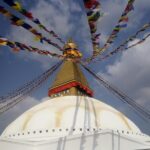
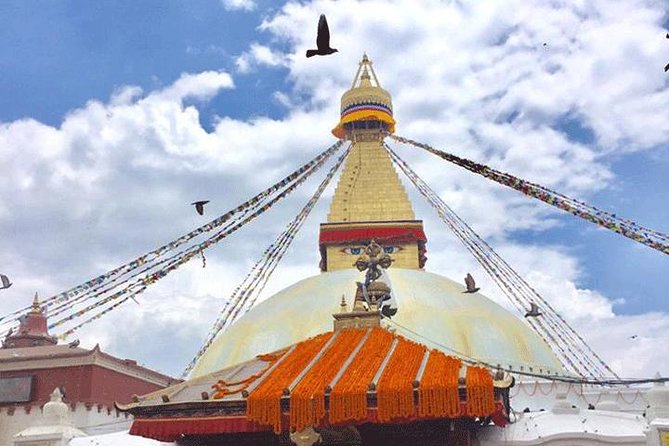
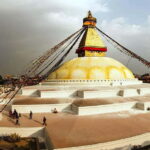
After Pashupatinath, the tour shifts gears to Boudhanath Stupa, one of the valley’s major Buddhist sites. The itinerary describes it as about 2,500 years old and built around the 5th century, with four pairs of eyes watching in the four cardinal directions.
This is a smart balance stop. Your earlier experience includes temples, courtyards, and ritual life linked to living traditions. Boudhanath gives you an open, iconic stupa setting where you can slow down and absorb the architecture and religious atmosphere.
Like other major stops, admission is not included in the itinerary at this point. So you’ll likely pay again here unless you’ve already covered the relevant area through other entries.
If you want one “big symbol” moment to anchor your day, Boudhanath is it. It’s also a good place for a quiet reset after the intensity of Pashupatinath and the crematoria surroundings.
The Garden of Dreams: a pause that keeps the day from feeling nonstop
Near the end of the route, you’ll also visit the Garden of Dreams. This is described as a neo-classical historical garden with paved perimeter paths, built inside Kathmandu city.
It’s not a UNESCO temple, and it’s not a religious shrine like the earlier stops. That’s the point. It gives you breathing room. By now, you’ve walked, climbed, and paid attention to multiple sacred and historic sites. A garden stop helps you catch your breath and process what you’ve seen.
If your legs feel like they’re negotiating for better terms, this is the kind of location where you can sit, look around, and let the day settle.
Earthquake damage in 2015: how it changes what you see and what your guide explains
The tour explicitly notes significant damage at some sites due to the earthquakes in April and May 2015. That means you may see repairs, altered structures, or parts of complexes that look different than in older photos.
This is worth taking seriously, but it also shouldn’t scare you away. Instead, it makes the guide’s job more important. A good guide connects the architecture you’re looking at with the human story behind it—how communities rebuild, what changed physically, and how people continue practicing in the same places.
It’s also one reason to consider the value of paying for a private guide even if you’re traveling on a moderate budget. Entrance fees are one cost. The explanation behind what survived, what was damaged, and why the site matters—those are the parts you can’t easily recreate with a map.
Price and budgeting: where the real cost shows up
The tour price is $60 per person, and it includes hotel pickup and drop-off, bottled water, a private guide, and transport by private vehicle. That’s a solid base price for a day that includes multiple major sites and structured timing.
But here’s the part you should plan for: entrance fees are at your expense. Several stops in the itinerary list admission tickets not included, which is common for these UNESCO and sacred sites.
The tour also gives you a helpful spending expectation for lunch: about $10 USD purchased locally. That’s a realistic number for budgeting.
In addition, entrance costs can add up quickly. One example shared in the feedback puts total entrances around $60 for several sites, with many sites costing roughly $10 to $15 per person and at least one entry lower. Your exact total may vary, but you’ll feel better if you treat entrance fees as a separate budget line rather than a surprise at each door.
So is $60 worth it? For a first-time visitor who wants a smooth day, yes—especially because you’re paying for coordination plus a fluent guide experience. If you’re a low-budget traveler who prefers to self-navigate and already knows your site priorities, you may decide to build a cheaper day yourself. The tour is priced for convenience and context.
What makes the guides the standout part of the day
The highest praise across the feedback centers on the guides. Names like Krishna, Jamuna, Janina, and SuJan show up, and the consistent themes are fluent English, patience, and real care in explaining what you’re seeing.
One detail I really like is pacing. Multiple comments highlight guides who don’t rush you, and that matters with UNESCO sites. When you only stop for a few minutes, you end up staring at stone without understanding it. When you get time plus explanation, you leave with something you can use on the next day of your trip.
You also get help with practical comfort and safety in traffic-heavy Kathmandu. That doesn’t show up on a brochure, but it changes the experience from stressful to straightforward—especially if you’re jet-lagged or new to the city.
Who should book this tour, and who might prefer a different plan
This is a strong fit if you:
- want a first-day introduction to Kathmandu Valley’s UNESCO sites
- care about meaning behind monuments, not just photos
- prefer private guiding rather than joining a large group
- have limited time and want a structured route across Hindu and Buddhist sites
You might rethink if you:
- hate surprise costs and would rather know every fee upfront
- are extremely budget-sensitive and plan to skip entrance-heavy stops
- want a slow, single-site day rather than a packed circuit
There’s also a practical consideration: the route is full. Even with a comfortable pace, you’ll be moving a lot. If you want a lighter day, you could focus on fewer sites and add extra walking time.
Should you book the Kathmandu Heritage Tour?
I’d book it if your goal is orientation plus understanding in one day. The private setup, hotel pickup, and guide quality are the big reasons. When you combine that with major sites like Swayambhunath, Kathmandu Durbar Square, Pashupatinath, and Boudhanath, you’re getting a dense overview that’s hard to replicate on your own.
I’d hold off or plan differently if you’re trying to keep costs ultra-tight. Entrance fees are not included, lunch costs extra, and the day can turn into a series of paid entries across multiple sites.
If you do book, do this: budget separately for entrance fees, wear comfortable walking shoes, and let your guide know your priorities early. The better you align your expectations, the more the day feels like a smooth guided experience instead of a rushed checklist.
FAQ
What sites are included in the Kathmandu Heritage Tour?
You’ll visit Swayambhunath (Monkey Temple), Kathmandu Durbar Square (including Kumari-related viewing), Basantpur Dabali, Taleju Bhawani Temple (Bhaktapur), Kumari Chowk, Hanuman Dhoka, Pashupatinath Temple, the crematoria area at Pashupatinath, Boudhanath Stupa, and the Garden of Dreams.
How long is the tour?
The tour duration is listed as approximately 5 to 8 hours.
Is pickup from my hotel included?
Yes. The tour includes hotel pickup and drop-off in Kathmandu.
Are entrance fees included?
No. Entrance fees are at your expense. The itinerary also notes that admission tickets are not included at multiple stops.
What does the tour price include?
The price includes hotel pickup and drop-off, bottled water, a private tour guide, and transport by private vehicle.
What if I need to change plans?
The tour allows free date and time changes. It also offers free cancellation up to 24 hours in advance for a full refund.