REVIEW · ROME
Private Tour – Ancient Ostia
Book on Viator →Operated by Rome Guides · Bookable on Viator
Ancient Ostia feels like Rome’s off-menu chapter. You’ll see the Roman harbour city many visitors skip, then get help understanding what you’re looking at inside the ruins and museum. It’s the kind of outing that can slot neatly into your day without stealing hours and energy.
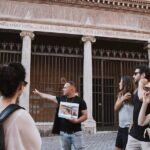
I especially like the private guide setup: you get a real person explaining the layout and the big ideas, instead of just walking through stones. I also love that the route covers everyday life basics, from thermal baths and theatre to houses, villas, and religious spaces, plus a museum stop.
One thing to think about: the site involves walking on uneven ground, so it’s not recommended for travelers with walking disabilities, even though it’s only about 3 hours.
In This Review
- Key highlights to expect
- Why Ancient Ostia Feels Like the Real Rome’s B-side
- Private-Guide Format Built for a 3-Hour Pace
- Parco Archeologico di Ostia Antica: Thermal Baths, Theatre, Homes, and Religious Spaces
- How the Museum Adds Meaning: Sculptures and Sarcophagi
- Listening to Vincenzo and Roberto: Guides Who Make Stones Speak
- Mosaics, Plumbing, and City Planning: What to Watch for on Your Walk
- Price and Value: Is $156.19 Worth It?
- Timing Matters: A 3:30 pm Start and an Easy Finish at the Café
- Should You Book This Private Tour of Ancient Ostia?
- FAQ
- What is the duration of the Ancient Ostia private tour?
- Where does the tour take place?
- What time does the tour start?
- Is admission included in the price?
- Is the tour offered in English?
- Is this a private tour or shared with other groups?
- What’s included besides the guide?
- What is not included?
- Where does the tour meet and where does it end?
- What kind of fitness level is required?
- What is the cancellation policy?
Key highlights to expect
- Ostia Antica’s Roman harbour city ruins: a major port setting with street-level scale
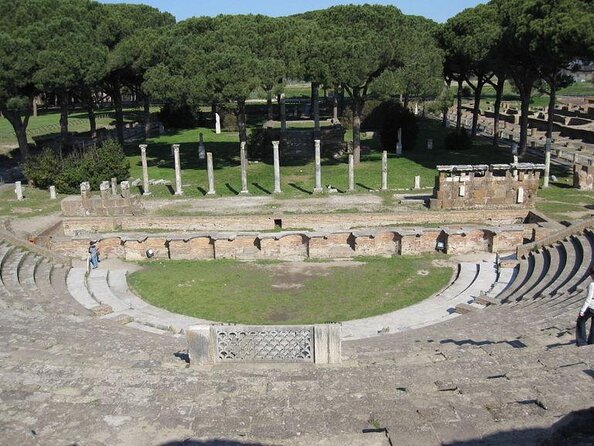
- Thermal baths, theatre, houses, and religious spaces: built for understanding daily life
- Museum time with sculptures and sarcophagi collected with real significance
- A private route in English that can match your pace and interests
- 3:30 pm start for an easier break from central Rome
- Ends at Café degli Scavi inside the archaeological park
Why Ancient Ostia Feels Like the Real Rome’s B-side
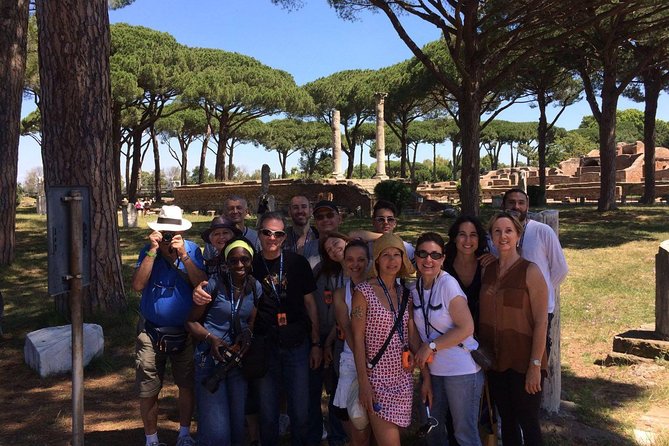
Ancient Ostia is Rome’s big “how it worked” lesson. The ruins are the remains of a Roman harbour and port city, so the atmosphere isn’t just temples and monuments. It’s the commercial engine that fed the capital, with spaces linked to daily routine, leisure, and work.
I like that this tour focuses on meaning, not just signage. You’ll move through key zones—thermal baths, theatre, homes, and religious places—so you can connect buildings to what life might have looked like. And because the visit is short and private, you can actually keep up rather than feeling rushed.
The tone from excellent guides in the feedback also matters. People talk about guides who help you imagine traders, bakers, soldiers, shop keepers, bars, and restauranteurs moving through the city. That’s the difference between seeing ruins and understanding them.
You can also read our reviews of more tours and experiences in Rome.

Private-Guide Format Built for a 3-Hour Pace
This is a private tour/activity, meaning your group goes with the guide and you don’t share with strangers. Expect about 3 hours on site, in English, with tickets included. It’s scheduled to start at 3:30 pm, which makes it a friendly option when you want something substantial but not all-day.
Because it’s private, you’re not stuck in a one-size-fits-all rhythm. If you’re more interested in Roman city planning or you want extra time near mosaics, the guide can steer you. That matters at Ostia Antica, where the site is big and the details can get lost if you’re just trying to “see everything.”
Also: this tour ends inside the archaeological area, in front of the café. So you can finish, cool down, and grab a coffee at the end without backtracking.
Parco Archeologico di Ostia Antica: Thermal Baths, Theatre, Homes, and Religious Spaces
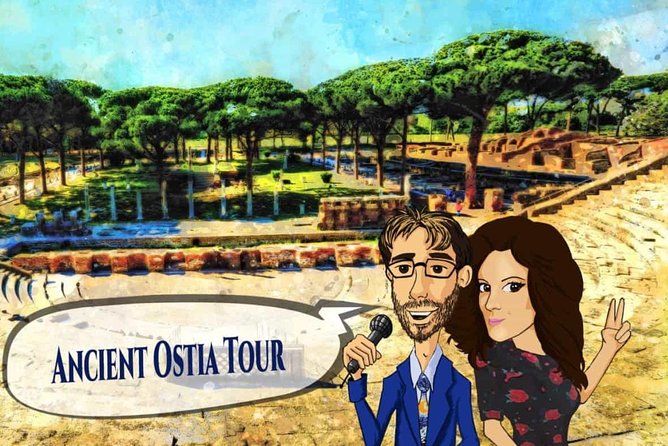
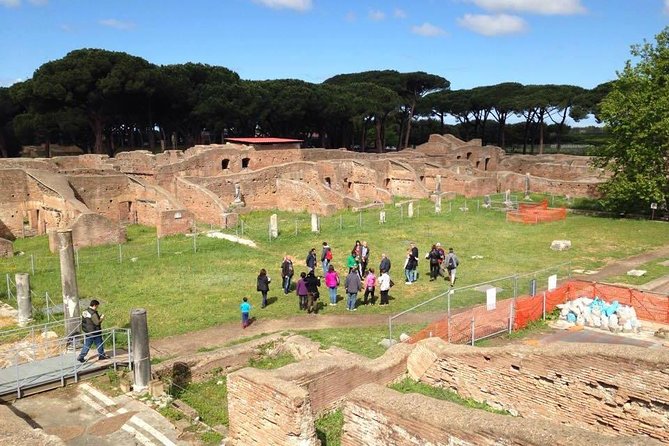
Your main stop is Parco Archeologico di Ostia Antica, the archaeological park. The route is designed to walk you through several “life zones” rather than treating Ostia as a single flat museum.
Here’s what you’ll cover:
- Thermal bath areas: The Romans didn’t treat baths like a quick stop. They were social space, routine space, and a way to understand how people structured their day.
- Theatre: It’s a clue to leisure and public gatherings. When the guide explains the space, it helps you picture events beyond the empty seating.
- Houses and villas: These buildings let you compare private domestic life with the city’s public rhythm.
- Religious places: You’ll see the places where belief and civic identity mixed.
- A walk through the city’s layout: The best part of Ostia isn’t one building. It’s how the whole town fits together—streets, blocks, and the sense of a planned working city.
From the feedback, two themes come through fast. First, the ruins feel huge and well preserved, including mosaics that are both detailed and easy to spot once someone points out why they matter. Second, the guide focus often lands on practical Roman engineering—people specifically mention plumbing and the way buildings functioned.
If you’re the type who likes learning how cities work, this is where the tour pays off. You’ll get stories that help you imagine everyday roles and street-level commerce, not just rulers and dates.
Practical note: this is a moderate-walking experience. Wear shoes you’d trust on uneven surfaces, and plan to slow down if you need to.
How the Museum Adds Meaning: Sculptures and Sarcophagi
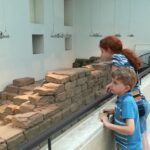
At some point during your visit, you’ll shift from outdoor ruins to the museum, which is described as having a small collection but one with standout importance. Expect to see ancient sculptures and sarcophagi.
This stop is valuable because it gives context that outdoor ruins alone can’t. In a city like Ostia, the pieces people left behind—art and funerary objects—help you understand what mattered culturally and how Romans represented identity, status, and remembrance.
And since the whole tour is about 3 hours, this museum time acts like a reset. It helps you connect the spaces you toured with the objects and meanings you’re learning about.
Listening to Vincenzo and Roberto: Guides Who Make Stones Speak
Two guide names come up in the feedback: Vincenzo and Roberto L. Both are described as friendly, warm, and very good at keeping attention. That sounds like a small thing, but on a site like Ostia, it’s huge. When the guide has momentum, your visit stays lively instead of becoming a long, quiet walk.
What I like in the way they work, based on the descriptions:
- They help you see the city, not just look at it. One review talks about pictures and stories used to bring the place alive.
- They explain details that connect buildings to daily life. People specifically mention the guide making the city feel like it had traders, bakers, soldiers, shop keepers, bars, and restauranteurs.
- They point out what to notice. Mosaics, preserved details, and city planning themes land because the guide tells you what’s worth your attention.
You’ll get a professional guide and local guide support as part of the experience design. For you, that translates into fewer blank moments where you’re left guessing what a structure is or why it’s important.



Mosaics, Plumbing, and City Planning: What to Watch for on Your Walk
Ostia Antica rewards patience. Even with a tight 3-hour schedule, you can still catch big themes if you know where to focus.
Based on the strongest feedback, these are the standout “pay attention here” elements:
- Mosaics: The feedback highlights them as a major strength, and they’re often best understood when the guide connects them to the spaces they decorate.
- Plumbing and practical engineering: People call out plumbing as a highlight. That’s usually where a guide’s explanation turns ruins from pretty to meaningful.
- Multistory building layout: Mentioned in the feedback, this helps you picture how density worked in an ancient port city.
- Street-level planning: Guides often stress how the city was organized, which makes Ostia feel like a real system rather than random ruins.
If you’re touring after you’ve already seen parts of central Rome, this is a smart pairing. You get a different angle: how Romans lived, worked, and moved goods through a port city.
Price and Value: Is $156.19 Worth It?
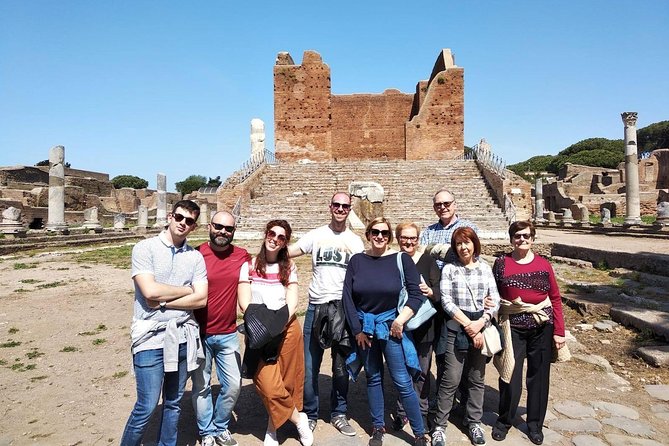
The price is $156.19 per person for a private experience running about 3 hours, with tickets included and a guide provided. The big value lever here is that you’re not paying for just a walk—you’re paying for interpretation inside the site.
This can be good value if:
- You’re traveling as a small group and can split the cost across people.
- You want the experience tailored to your interests, since it’s private and not a big group shuffle.
- You care about context—mosaics, engineering, urban planning—where a guide adds real returns.
A consideration: private transportation isn’t included, so you’ll need your own plan to get to Ostia Antica (Viale dei Romagnoli, 717). If you’re already comfortable with Rome public transport, this is manageable. If not, factor in the time and effort of getting there.
Also, coffee/tea inside the archaeological site isn’t included—but there is a café at the end, and the tour finishes right by it. So you can still make the last leg comfortable without paying for an extra stop.
Timing Matters: A 3:30 pm Start and an Easy Finish at the Café
Starting at 3:30 pm, the tour is built for an afternoon break. That timing helps if you want to avoid a long mid-day slog in Rome and prefer ending your sightseeing with something calmer.
The tour ends inside the archaeological site at Café degli Scavi, right by the meeting point area. That’s useful because it prevents the “what now?” problem. You can refuel on-site, then head back when you’re ready.
If you’re the type who likes a clear endpoint to your day, that matters. You’ll leave with a sense of closure rather than wandering off without a plan.
Should You Book This Private Tour of Ancient Ostia?
Book it if you want Ostia Antica with real guidance and you like the idea of seeing a port city where daily life is built into the ruins. This is especially smart for couples and small groups who want a short, focused outing: thermal baths, theatre, homes, religious places, and the museum all in about 3 hours.
Skip it (or reconsider) if you know you’ll struggle with walking on uneven outdoor ground, since it’s not recommended for travelers with walking disabilities. Also, if you don’t plan well for getting to Ostia Antica on your own, the lack of private transport could add friction.
If your goal is to see something many Rome visitors miss, and to leave with the city’s layout and daily life explained, this private format is exactly the kind of value that makes a trip feel more satisfying than just ticking off sights.
FAQ
What is the duration of the Ancient Ostia private tour?
It runs for about 3 hours.
Where does the tour take place?
The tour takes place at Parco Archeologico di Ostia Antica in Rome.
What time does the tour start?
The start time is 3:30 pm.
Is admission included in the price?
Yes. Tickets are included.
Is the tour offered in English?
Yes, it is offered in English.
Is this a private tour or shared with other groups?
It is a private tour/activity. Only your group participates.
What’s included besides the guide?
Included items are tickets and guidance from a professional guide and a local guide (and a private guide as part of the experience).
What is not included?
Private transportation is not included. Pick-up/drop-off is not included. Coffee and/or tea inside the archaeological site is also not included.
Where does the tour meet and where does it end?
The start is at Ostia Antica, Viale dei Romagnoli, 717, 00119 Roma RM, Italy. The tour ends inside the archaeological site in front of the Café degli Scavi at the same address.
What kind of fitness level is required?
Moderate physical fitness is recommended. It is not recommended for travelers with walking disabilities.
What is the cancellation policy?
You can cancel for a full refund up to 24 hours before the experience starts. Confirmation is received at the time of booking.