REVIEW · KATHMANDU
Full Day Private Tour of Kathmandu – UNESCO World Heritage Sites
Book on Viator →Operated by Shepherd Holidays · Bookable on Viator
Kathmandu can be a lot. This private route helps you see four UNESCO-linked landmarks in one focused day, with a guide to connect the religious symbols to the places you’re standing in. I like that the tour is built around major heritage sites rather than random stops. One thing to plan for: it’s a 6-hour stretch, so it feels like a full-day outing rather than a quick sightseeing loop.
What I really like is how smoothly the day is shaped for first-time context. You’re not just looking at monuments—you’re getting a human explanation of what each site means and how the mix of Hindu and Buddhist traditions shows up in the architecture and rituals. The tour includes a private tour guide, and reviews specifically highlight guides such as Subu and Sumit (with standout English and humor) who explain the historical and religious background in a way you can actually remember.
In This Review
- Key Things I’d Prioritize on This Private UNESCO Heritage Day
- How This Kathmandu UNESCO Loop Fits Into One Focused Day
- Price and Value: What $35 Per Person Really Covers
- Pickup, Timing, and Comfort on a 6-Hour Heritage Day
- Stop 1: Swayambhunath Monkey Temple and Its Famous Spire
- Stop 2: Pashupatinath Temple by the Bagmati River
- Stop 3: Boudhanath Stupa and the Tibetan-Buddhist Look
- Stop 4: Kathmandu Durbar Square and the 17th–18th Century Center
- Lunch, Entrance Fees, and Small Logistics That Affect Your Mood
- Guides Make This Tour Memorable: Subu, Sumit, Ram, and Bijay
- Who This Private Tour Is Best For
- Should You Book This UNESCO Kathmandu Heritage Tour?
- FAQ
- Which UNESCO-linked Kathmandu sites are included?
- How long is the Kathmandu private tour?
- What is included in the $35 per person price?
- Are entrance fees included?
- Do you provide pickup and drop-off?
- Is this tour truly private?
- Is free cancellation available?
Key Things I’d Prioritize on This Private UNESCO Heritage Day
- Four UNESCO-linked stops in a single, manageable itinerary
- A private guide with strong explanations, including Subu and Sumit in past tours
- Comfort basics included: air-conditioned vehicle and bottled water
- Varied religious settings: Hindu temple, Buddhist stupa, and the Durbar Square core
- Time to reset: you’ll have a built-in window for a lunch break option near Boudhanath on many schedules
How This Kathmandu UNESCO Loop Fits Into One Focused Day
This tour is a cultural, historical, and religious combo that moves through Kathmandu in a logical order: Swayambhunath first, then Pashupatinath, then Boudhanath, and finally Kathmandu Durbar Square. The value is that each stop tells a different part of the Nepal story. One site leans Hindu, another leans Buddhist, and the city-center heritage finish brings you back to Kathmandu’s older architectural core.
Swayambhunath gives you a religious headline with a famous name—the monkey temple—and a stupa/spire form that’s instantly recognizable. Pashupatinath shifts the tone to a major Hindu pilgrimage site along the Bagmati River. Boudhanath then introduces Tibetan-influenced Buddhism and the iconic stupa dome details. Kathmandu Durbar Square closes the loop with traditional architecture tied to the 17th and 18th centuries.
If you’re trying to get your bearings fast, this kind of route works well. You get variety without having to plan transportation between distant neighborhoods. The “scattered yet closer glimpse” idea makes sense here: each place feels distinct, but the day is tight enough that you’re not losing hours in-between.
You can also read our reviews of more tours and experiences in Kathmandu.
Price and Value: What $35 Per Person Really Covers
At $35 per person, the best part isn’t just the number—it’s what’s wrapped into the day. The tour includes:
- hotel pickup and drop-off
- bottled water
- private transportation in an air-conditioned vehicle
- a private tour guide
- a mobile ticket
That means you’re paying for the full service: someone handles the route, someone explains what you’re seeing, and you’re not negotiating taxis all day. For Kathmandu, where traffic and distances can chew up time, having private transport is often the difference between a good day and a tired one.
Two cost points to keep in mind:
1) food and drinks aren’t included
2) entrance fees for the main sites aren’t included
That’s not a deal-breaker, but it does mean you should budget a bit extra beyond the $35. Think of the price as covering logistics and interpretation—then you handle the onsite entry and your meals.
Also, there are group discounts, which can matter if you’re traveling with friends or family. And because it’s private, you only share the experience with your group, not strangers.
Pickup, Timing, and Comfort on a 6-Hour Heritage Day
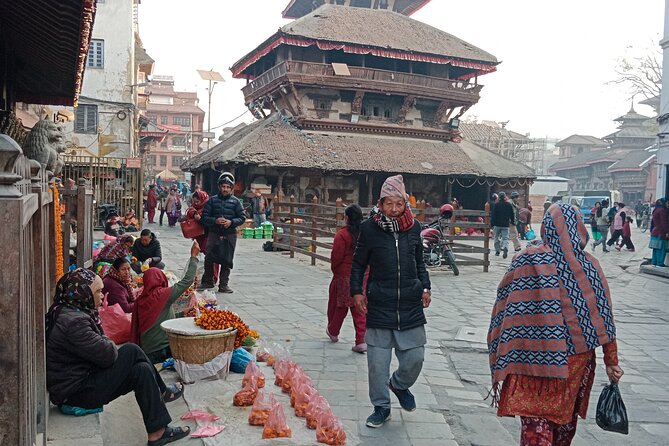
This is listed as about 6 hours total, with pickup and drop-off. In practice, that matters because it sets your pacing. You’re not going to hang out all day at one site; each stop gets about an hour. That can be ideal if your goal is to see the big landmarks and understand what they mean.
Comfort is covered better than you might expect for the price. You’ll have bottled water and an air-conditioned vehicle. That’s a real advantage when Kathmandu feels warm or when you’re walking between places and then climbing back into traffic.
A couple of practical notes based on what’s included and what isn’t:
- Food and drinks are on you, so plan either a lunch stop or snacks.
- Entrance tickets are not included for the main sites, so plan to pay onsite.
- Confirmation is received at booking time, and you’ll have a mobile ticket.
One more nice detail: service animals are allowed. If you need that for your trip, it’s worth knowing ahead of time.
Stop 1: Swayambhunath Monkey Temple and Its Famous Spire
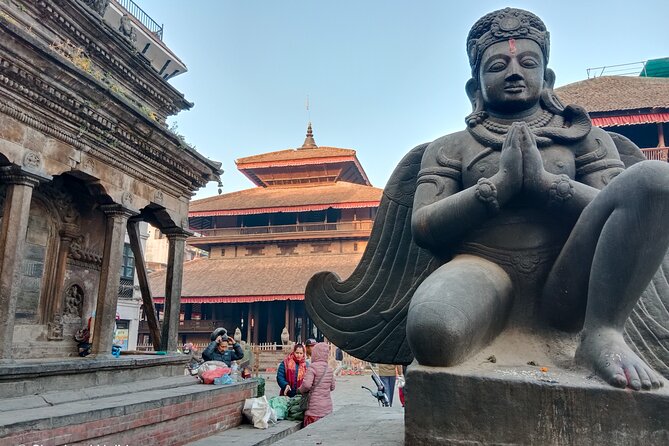
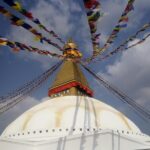
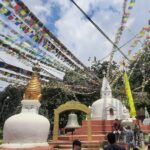
Swayambhunath starts the day with a place that has instant recognition. It’s known worldwide as the monkey temple, and it matters to both Hindu and Buddhist followers. The site’s signature look comes from its lofty conical spire, described as copper with gold plated elements. That kind of craftsmanship is part of why Swayambhunath feels dramatic even before you read the details.
The one-hour timeframe here is enough to understand the big symbolism and get your first set of photos. It’s also a good reset stop in the morning because the site sets a tone for the rest of the day: Hindu and Buddhist connections aren’t separate compartments here. They share space, language, and visual style.
Possible consideration: because it’s the monkey temple, you’ll want to keep small items secured and stay aware of your surroundings. The name tells you that animals are part of the experience. If you’re uncomfortable around them, come prepared to manage your belongings and keep calm if they get curious.
Stop 2: Pashupatinath Temple by the Bagmati River
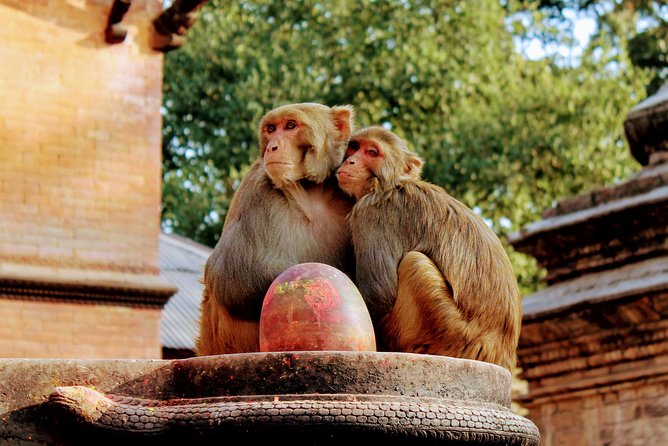
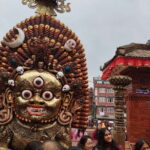
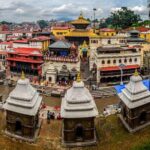
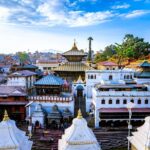
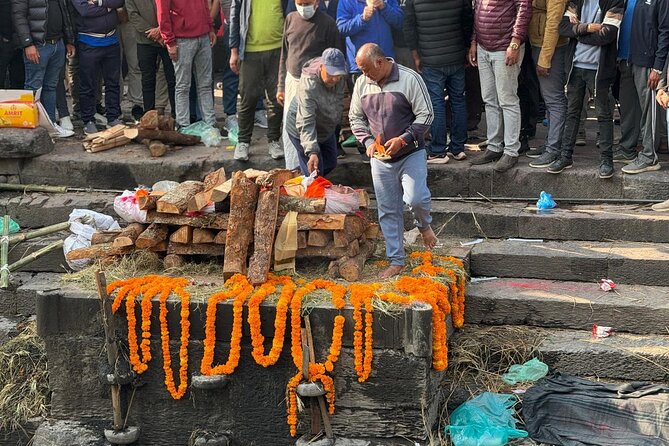
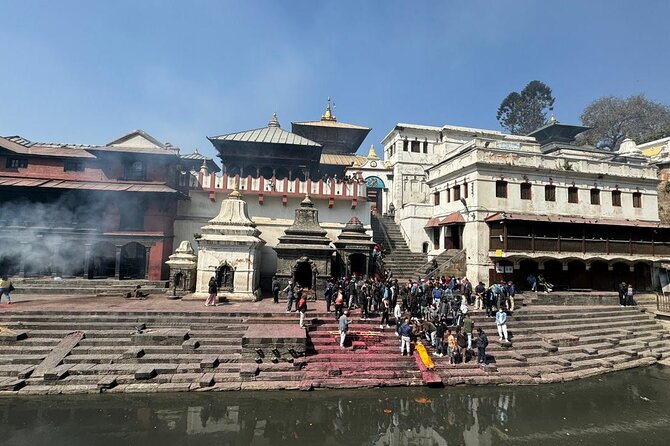
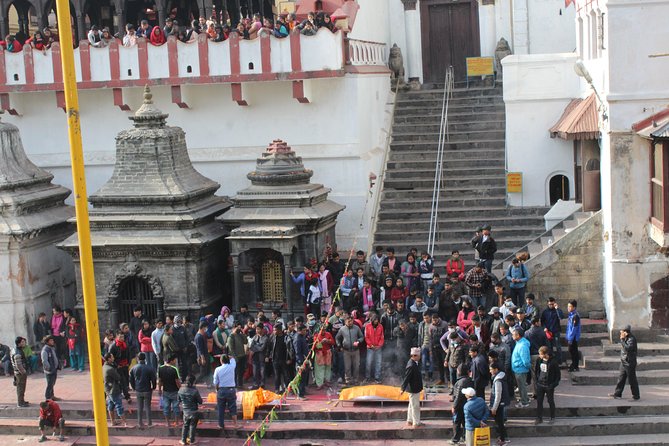
Next is Pashupatinath, one of the holiest Hindu temples dedicated to Lord Shiva. The setting is a major part of the meaning: it sits on the banks of the Bagmati River. That river location is why this site feels more than just architectural. It’s tied to daily religious life and long-standing pilgrimage tradition.
For many visitors, the value of going with a guide is not just learning where the temple is, but learning what you’re seeing when you’re there. At Pashupatinath, the religious background helps you understand the energy of the place. You’ll also see why it’s seen as a symbolically divine Kathmandu landmark rather than a generic temple stop.
The tour keeps this stop to about an hour, which is a good length if you want to take it in without feeling rushed. That said, Hindu temples can be emotionally intense and visually busy, so if you need slower pacing, you might prefer the guide’s explanation to reduce the overwhelm.
A practical tip: wear respectful clothing and stay flexible with your plans. Temples can involve areas where you follow local instructions closely.

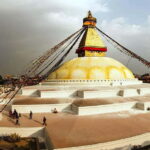
Stop 3: Boudhanath Stupa and the Tibetan-Buddhist Look
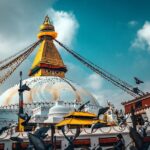
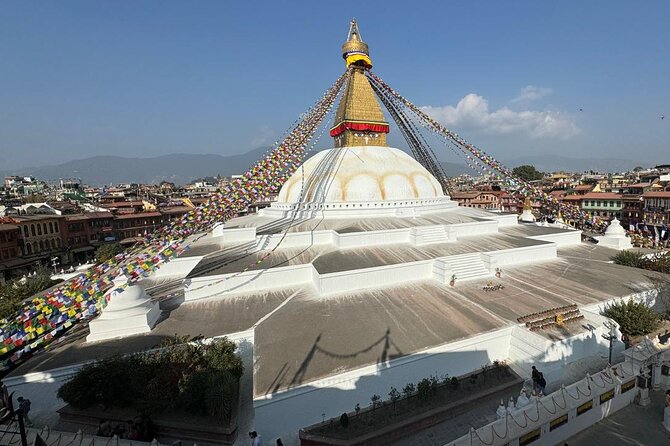
Then comes Boudhanath, centered on one of the largest stupas in South Asia. It’s influenced by Tibetan Buddhism, which shapes the stupa’s visual language and the way the place feels. The dome is described as whitewashed, with the all-seeing eyes of the Buddha painted on it. Those eyes are one of the easiest details to notice, and they also give you a way to remember what you learned: symbolism is built into the object.
Boudhanath is the kind of stop where you can feel the shift from temple architecture to spiritual landscape. This is why it works so well as the third stop. After Swayambhunath and Pashupatinath, you’re ready for a calmer, more symbolic environment.
The schedule gives you about an hour here. That’s enough time to connect the dots on Tibetan influence and notice the stupa’s defining features.
One small “plan smart” note: food isn’t included, and this is often the part of the day when you may want a break. In past experiences, people have appreciated having a lunch break at a rooftop restaurant near Boudhanath. It’s not guaranteed in every setup, but it’s a reasonable expectation to ask the guide about during the day.
Stop 4: Kathmandu Durbar Square and the 17th–18th Century Center
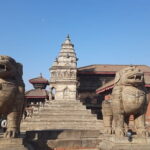
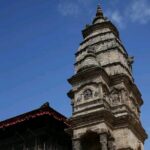
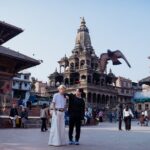
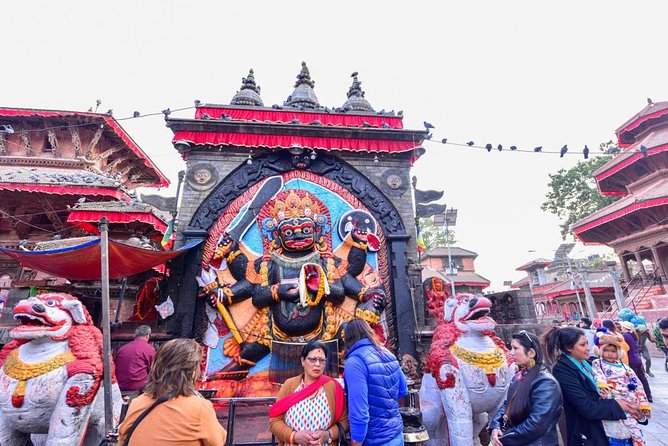
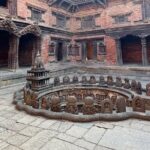
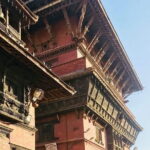
The day finishes at Kathmandu Durbar Square, described as the traditional heart of the city and Kathmandu’s most spectacular legacy of traditional architecture. This part of the itinerary matters because it brings the whole trip home. You’ve spent the day moving through religious landmarks. Now you land in the older civic space where architecture and culture show up together.
Kathmandu Durbar Square dates back to the 17th and 18th centuries. That timeframe gives you a concrete way to imagine what you’re looking at: this isn’t just modern Kathmandu. It’s a preserve of older building styles and craft traditions that shaped the city’s identity.
You’ll get about an hour at the square. That’s enough to appreciate the setting and understand why it’s treated as a core heritage stop.
Possible consideration here is simple: because it’s a central landmark, you may want to manage your expectations about crowds and foot traffic. Your guide’s job is to help you keep moving and still see what matters.
Lunch, Entrance Fees, and Small Logistics That Affect Your Mood
Food and drinks aren’t included, so you should treat lunch as part of your planning. If you want the day to feel smooth, don’t wait until you’re hungry and then try to figure out where to go. Ask your guide at the right moment about lunch options near Boudhanath, since a rooftop restaurant nearby is something that’s come up in real schedules.
Entrance fees to enter the main sites aren’t included either. That’s common for heritage tours, but it can surprise people who expect everything wrapped up. The best approach is to keep a bit of extra cash or payment option handy for tickets once you arrive.
The good news: bottled water is included, and you’ve got private transport. That alone helps you feel less stressed and more able to enjoy each site instead of worrying about basic comfort.
Guides Make This Tour Memorable: Subu, Sumit, Ram, and Bijay
This tour’s biggest strength is the human layer. The stops are famous, sure. But the difference is whether someone explains the meaning behind the monuments while you’re there, not after you’ve already moved on.
Reviews spotlight guides like Subu and Sumit, with special praise for explaining historical importance and religious background clearly. One guide style mentioned is strong communication plus a sense of humor, which matters because religious sites can get heavy fast if you don’t have context.
Drivers also get credit in past experiences, including Ram and Bijay, for keeping things friendly and smooth. That’s not a small point: private tours depend on the day feeling well paced. A driver who understands timing and a guide who manages transitions makes the day feel more like a thoughtful tour and less like you’re rushing between checkboxes.
If you book, come with questions. Ask what a particular design symbol means, how the Hindu and Buddhist traditions overlap at a site, and why each landmark matters to Nepal as a country and not just as a sightseeing list.
Who This Private Tour Is Best For
You’ll likely enjoy this tour if you:
- want a first-timer-friendly overview of Kathmandu’s UNESCO-linked highlights
- like cultural and religious context, not just photos
- prefer private guiding so you can ask questions
- have limited time and want a tight route that still feels varied
It’s also a good choice if you want comfort basics handled: pickup/drop-off, an air-conditioned vehicle, and bottled water.
It may be less ideal if you:
- want a slower pace with long stays at each monument
- hate paying separate entrance fees
- don’t enjoy walking around active religious sites where the atmosphere is part of the experience
Should You Book This UNESCO Kathmandu Heritage Tour?
If your goal is to see Kathmandu’s most recognizable UNESCO-linked landmarks with a guide who explains the religious and architectural meaning, this tour makes a lot of sense. The value is strong because you’re getting private transportation, pickup/drop-off, bottled water, and a private guide for a single fixed day plan at $35 per person.
The two “make-or-break” considerations are straightforward: the day is about six hours, and entrance fees for the main sites are not included. If you can handle a full day of moving between major landmarks and you budget for tickets, you’re set up for a memorable, education-rich tour.
My advice: book it if you want context, not just sightseeing. Skip it if you’re looking for a loose, slow day with lots of downtime. For most visitors who want Kathmandu in one well-run day, this is a smart match.
FAQ
Which UNESCO-linked Kathmandu sites are included?
You’ll visit four major landmarks: Swayambhunath, Pashupatinath, Boudhanath, and Kathmandu Durbar Square.
How long is the Kathmandu private tour?
The tour runs for about 6 hours (approx.).
What is included in the $35 per person price?
The package includes hotel pickup and drop-off, bottled water, private transportation in an air-conditioned vehicle, a private tour guide, and a mobile ticket.
Are entrance fees included?
No. Entrance fees to enter the main sites are not included.
Do you provide pickup and drop-off?
Yes. Hotel pickup and drop-off are included.
Is this tour truly private?
Yes. It’s described as a private tour/activity, with only your group participating.
Is free cancellation available?
Yes. You can cancel for a full refund up to 24 hours in advance of the experience start time.