REVIEW · WASHINGTON DC
Washington, DC: African American Heritage Walking Tour
Book on GetYourGuide →Operated by UTG EXPERIENCE LIMITED · Bookable on GetYourGuide
U Street changes how you see Washington, DC. This African American Heritage Walking Tour uses the old U Street Corridor—once called Black Broadway—to connect music, community, and cultural power in a way that feels street-level. You’ll spend two hours with a local guide, hearing how this stretch shaped Black life and nightlife in the city.
I love the specific cultural touchpoints, especially the Duke Ellington material and the chance to admire a sculpture honoring him. I also like that the tour pairs the walking story with included entry tickets to an African American museum, so you don’t just hear tales—you get a place to ground them.
One drawback to weigh: there have been a few reports of guide no-shows or last-minute issues, so I’d make sure your day-of plan has breathing room if something goes off schedule. And since it runs rain or shine, you’ll want to be ready to be outside.
In This Review
- Key things I think you’ll notice on this tour
- Why the U Street Corridor became Black Broadway
- 2 hours on foot: starting at 1250 U St NW
- Duke Ellington’s birthplace and the sculpture you’ll see
- Black culture, community scale, and the corridor’s nightlife legacy
- The African American museum stop: how the ticket fits in
- Food strategy after the tour: Ben’s and Little Ethiopia
- Price and logistics: is $90 worth it for 2 hours?
- Should you book this U Street Heritage Walk?
- FAQ
- Where does the tour meet?
- How long is the walking tour?
- Is the tour canceled if it rains?
- What’s included in the price?
- Is food or transportation included?
- Is access to Capitol One included?
Key things I think you’ll notice on this tour
- U Street Corridor focus: you stay on the block-by-block story that made Black Broadway famous.
- Local guide storytelling: the best experiences hinge on the guide’s ability to make scenes feel real.
- Duke Ellington stop: you’ll hear about his connection to D.C. and see a dedicated sculpture.
- Community impact: you get context about one of the largest urban African American communities in the U.S.
- African American museum entry included: the tour isn’t only outdoor talk.
- After-tour food potential nearby: the area gives you easy meal options when you’re done.
Why the U Street Corridor became Black Broadway
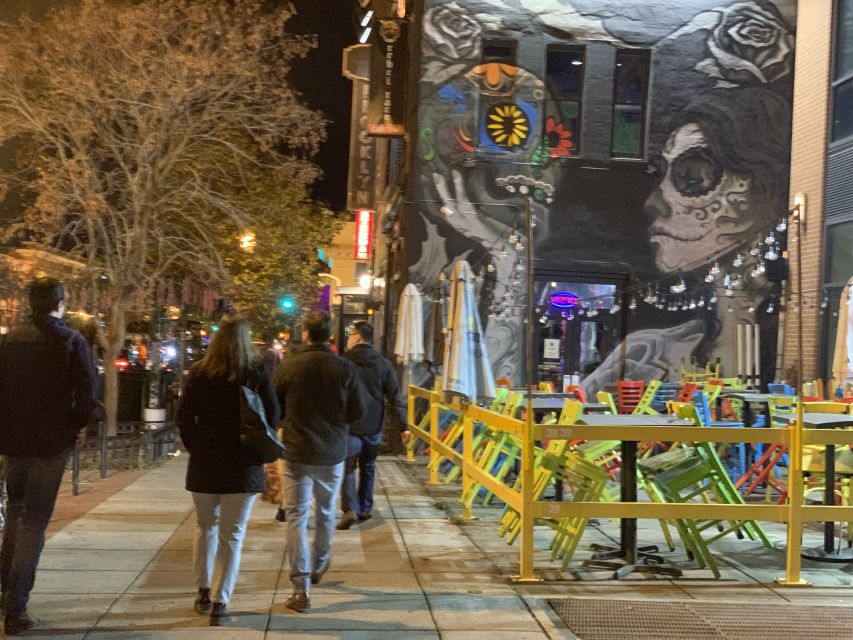
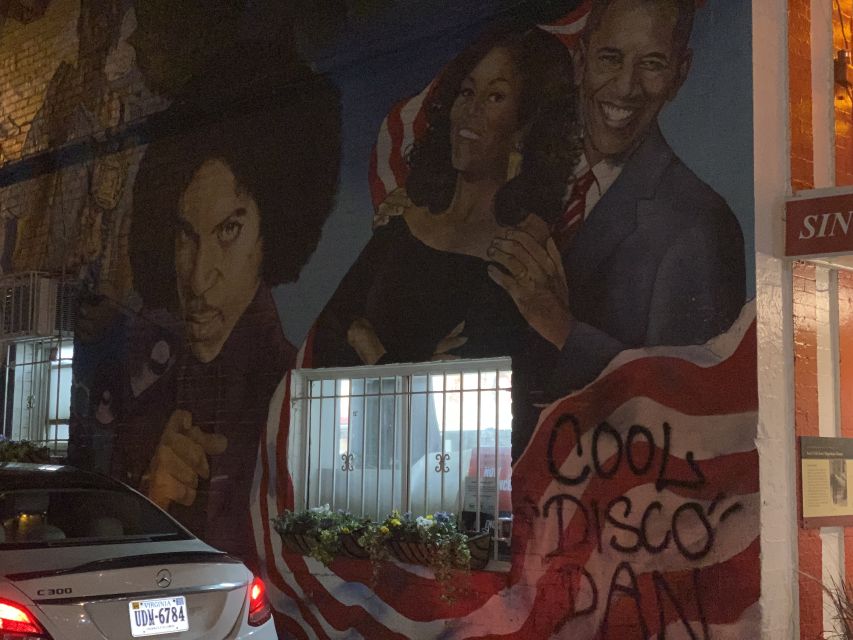
The U Street Corridor is the kind of place where a neighborhood nickname still carries real weight. The tour’s core idea is simple: walk the streets that once functioned as a cultural hub—music venues, local gathering spots, and a center for Black life that drew both residents and visitors. This is one of those areas where history isn’t just in books; it’s in the layout of the blocks and the momentum of the streets.
What makes this tour more useful than a basic walking loop is that it connects three layers of meaning. First, you get names and landmarks, including the Duke Ellington connection and a sculpture dedicated to him. Second, you get community context, like how this area was home to one of the largest urban African American communities in the United States. Third, you get the present-day feel, because the tour intentionally ends with the idea of the nightlife energy still associated with the corridor.
If you care about American history, this is a strong way to practice “place reading.” Instead of learning facts in isolation, you learn why certain things clustered here—music, performance, social life, and institutions—and how those clusters changed over time. Even the way the tour is timed matters: two hours is long enough to feel the neighborhood’s rhythm, but short enough that you’re not stuck indoors late or rushing through.
You can also read our reviews of more tours and experiences in Washington Dc.



2 hours on foot: starting at 1250 U St NW
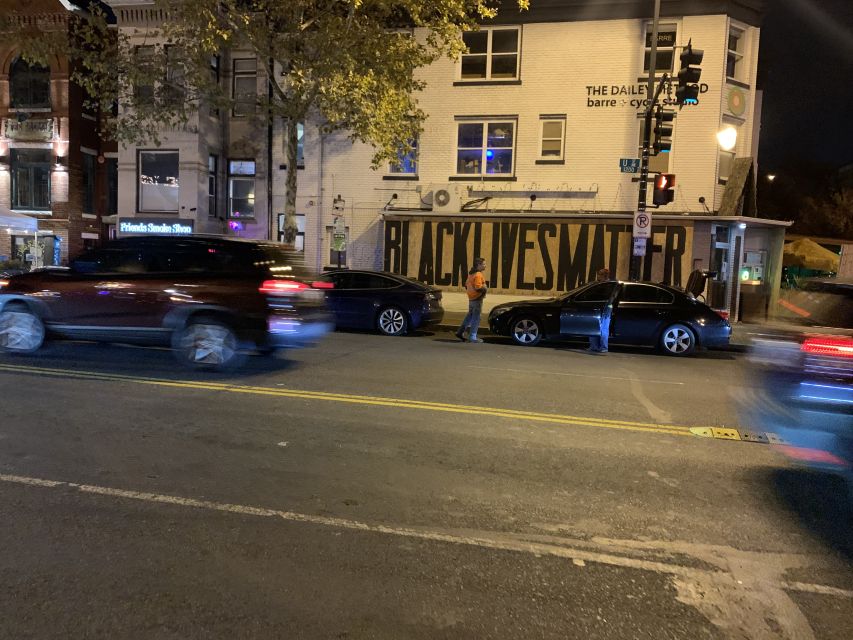
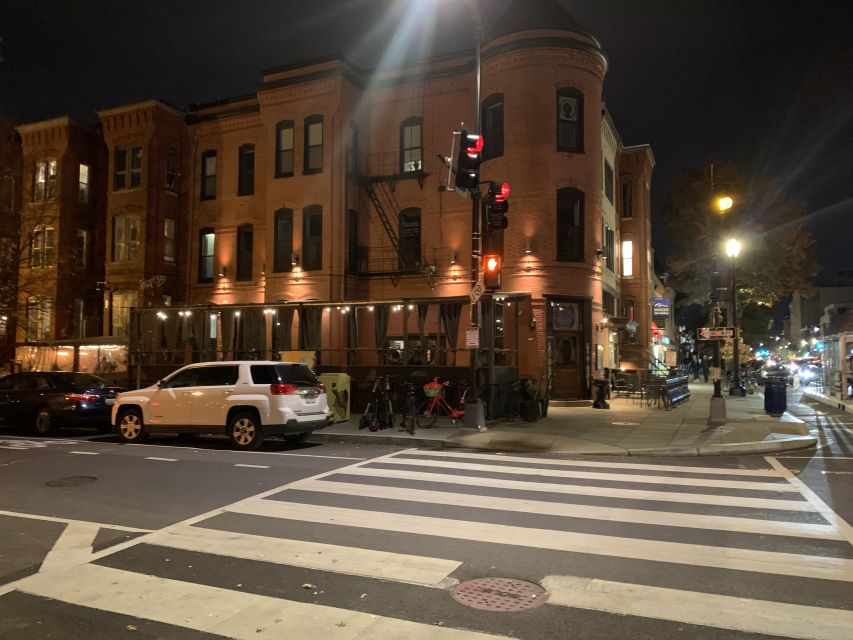
Your time starts at the meeting point: 1250 U St NW, Washington, DC 20009. Plan to arrive 15 minutes early so you can check in and get oriented before the walk begins. That extra buffer helps, especially since the tour moves rain or shine and you’ll want to start together rather than hunting each other down mid-street.
In a tour like this, the first few minutes are more important than they look. Once you’re with the guide, you’re set up to understand what you’re about to see. The tour’s flow is meant to take you from general context—U Street as Black Broadway—into specific stories, so by the time you’re near the major cultural stops, you already know what the guide is pointing at and why it mattered.
Two hours is also a practical choice. It’s enough to cover a focused stretch of the corridor while still leaving you with energy for what comes next—especially meals and nightlife options nearby. The trade-off is that it stays selective. You’ll get a strong thread through the neighborhood, but you won’t get every single detail about every institution on every corner. If you like tours that choose a theme and stick to it, this format fits.
For timing expectations: the tour is conducted in English, and it’s designed to be wheelchair accessible. So the plan is built to work for a range of mobility needs, while still being fundamentally a walking experience.
Duke Ellington’s birthplace and the sculpture you’ll see
The Duke Ellington portion is the kind of stop that changes how you understand a city. The tour doesn’t just name him; it explains the connection to this area—his celebrated place in D.C.’s story and the idea that his birthplace is here. That matters because it turns a famous figure into a real geography lesson: you can stand where the story started, not only where it got celebrated.
Then comes the sculpture, described as towering and meant as a reverent tribute. Even if you’re not the type who studies statues, public monuments like this are useful markers. They tell you what a community chose to preserve in visible form—what it wanted remembered, and what it wanted to teach through the streets.
This is also where having the right guide makes the biggest difference. The strongest feedback highlights guides such as Nur/Nu for making the stories feel alive—less like a lecture, more like a sequence of moments. Another guide praised in feedback is Darron, especially for tailoring the experience, including for a smaller group like a family outing. If your guide brings clarity and energy, this stop becomes the emotional anchor of the whole tour.
One practical consideration: if you’re someone who likes to take lots of photos, plan to slow down at the sculpture and the Ellington-related area. You’ll likely want a moment to just look. Public art is the kind of thing that works best when you give it a minute, not when you treat it like a quick backdrop.
Black culture, community scale, and the corridor’s nightlife legacy
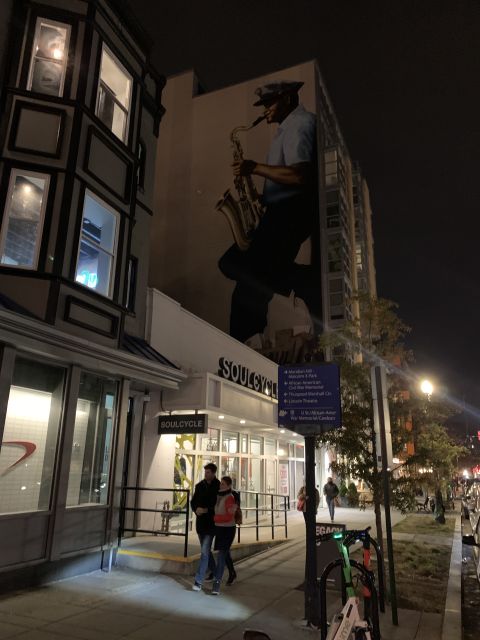
This tour is designed around the idea of U Street as a cultural engine. You’ll hear how the corridor earned the nickname Black Broadway, and how it drew locals and visitors for music and nightlife. That theme comes up repeatedly, so you’re not just learning about a past era—you’re learning how that past produced an atmosphere that continues to shape perceptions of the neighborhood.
A big chunk of the value is the community scale element. The tour points out that this area was once home to one of the largest urban African American communities in the United States. That’s not trivia—it’s context. When you know the scale, it becomes easier to understand why so many cultural and social institutions could thrive here, and why the area carries such a strong identity even today.
As for nightlife: the tour doesn’t turn into a bar crawl, but it does give you a sense of the corridor’s pull and why the nightlife reputation stuck. That’s useful because it helps you read what you’re seeing now—street signs, venues, and the general energy—without making assumptions.
The one caution I’d keep in mind is reliability. A few reports mention situations where a guide didn’t show or a tour was canceled due to not having a guide. That doesn’t mean every outing runs that way, but it does mean you should treat this like an experience with a human component. If you’re taking this as a key part of a tight itinerary, keep some flexibility and have a backup activity plan nearby.
The African American museum stop: how the ticket fits in
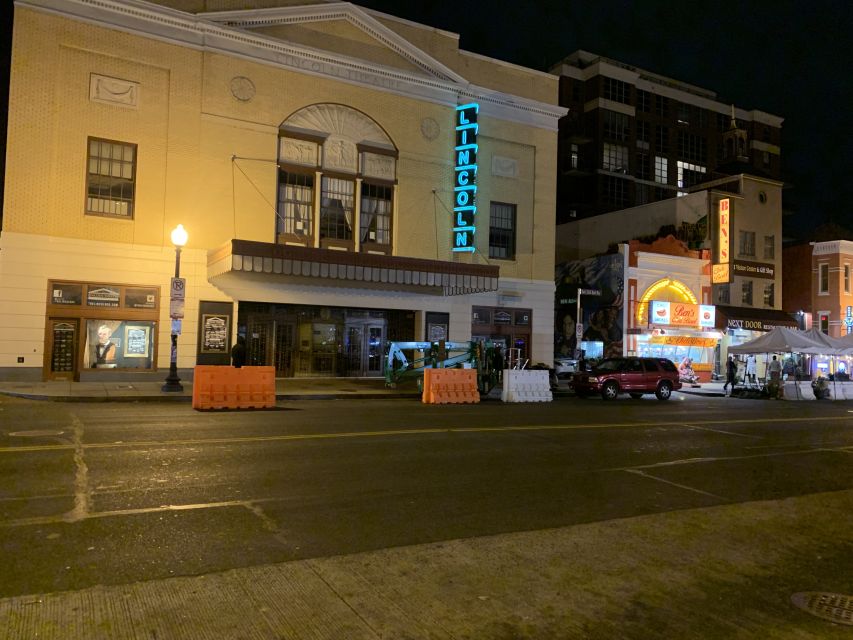
One of the smartest value pieces here is simple: entry tickets to an African American museum are included. That turns the tour from pure street narration into a two-part experience—outdoors first, then a museum visit that can hold your questions and add depth.
What I like about this design is that it saves you from the usual “walking tour guilt” where you end up knowing a ton of facts but having nowhere to verify and expand. With a museum stop built in, you’re able to see artifacts or exhibits (within the museum’s scope) that support what you heard outside. It’s a good way to turn a themed walk into something more complete.
Because the tour is only two hours total, the museum visit is likely to be focused. You shouldn’t expect a long self-guided marathon. Think of it as a concentrated hit: enough time to connect the street stories to a formal setting, and enough time afterward to keep moving with your day.
Also, notice what isn’t included. Food and drinks aren’t part of the tour, and transportation isn’t provided. So the museum stop is your scheduled cultural anchor, and then you’ll be free to handle meals on your own at your pace.






Food strategy after the tour: Ben’s and Little Ethiopia
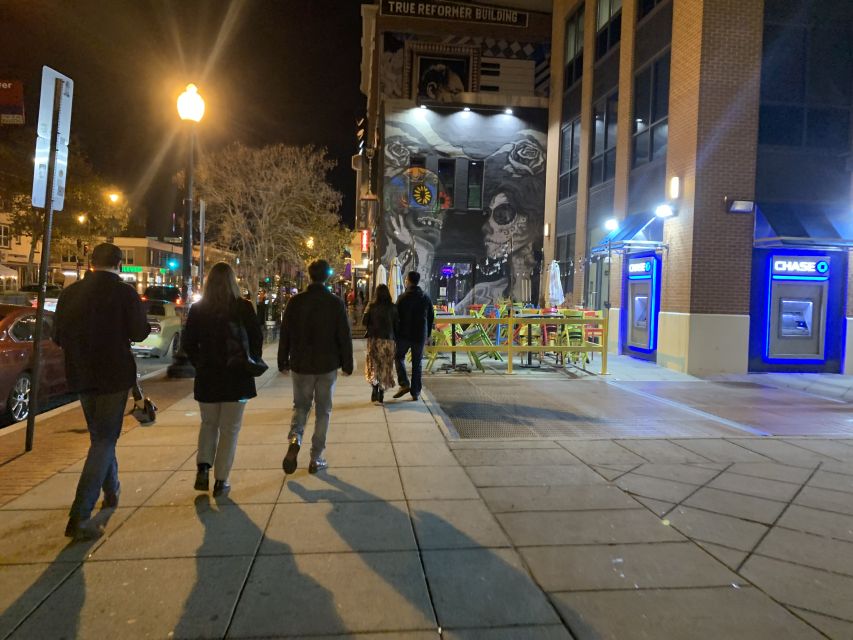
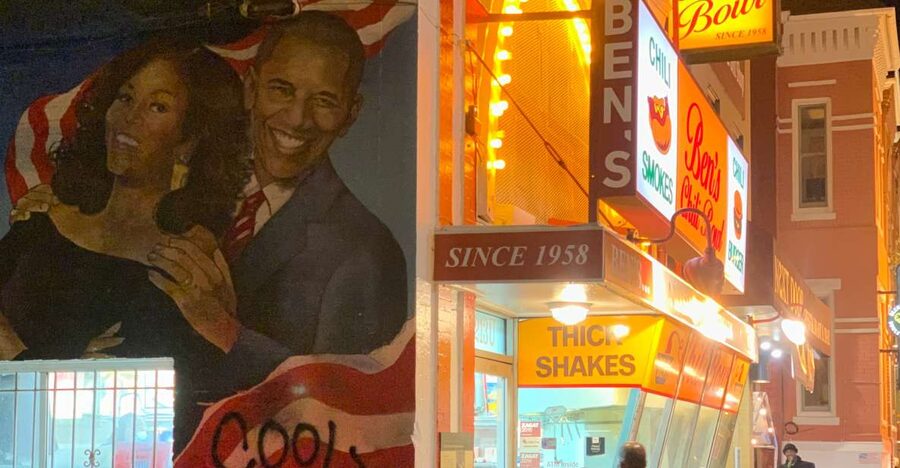
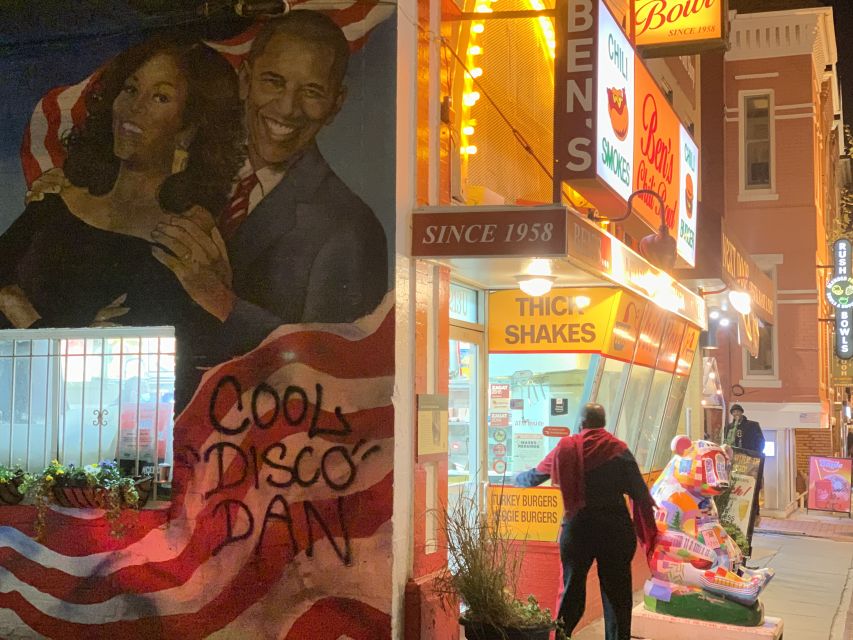
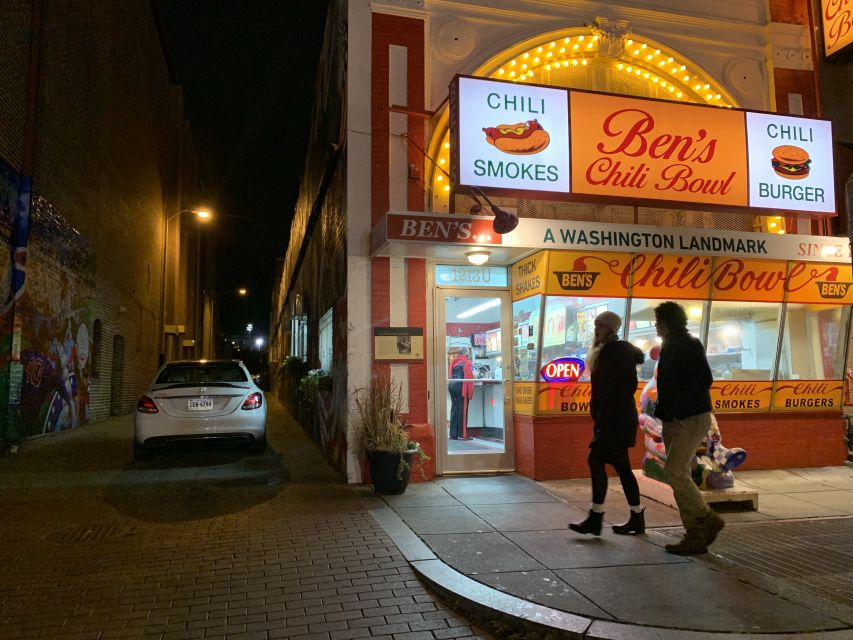
The area around U Street is set up for easy post-tour eating, and the tour’s design practically assumes you’ll want to stay in the neighborhood. Food options described around the corridor are eclectic: soul food, Italian, and Ben’s Chili Bowl, plus the eastern end area often referred to as Little Ethiopia for a concentration of Ethiopian residents.
Here’s how I’d plan it. Since food isn’t included, decide ahead of time whether you want comfort food or something more of an experience. If you’re in the mood for classic DC energy, Ben’s Chili Bowl is an obvious choice. If you want a change of flavor and a meal that feels like a cultural destination, Little Ethiopia is the right turn.
The key benefit for you is timing. After a two-hour tour, you’re ready to eat, but you don’t need to travel across town to find something good. Staying local keeps the day smooth, and it also lets you extend the story in a natural way. Food is part of neighborhood identity, and this corridor has multiple identities living side by side.
One small tip: since the tour runs rain or shine, have a flexible attitude about where you eat. If weather is messy, you’ll appreciate having several options within walking or short distances rather than betting everything on one place.
Price and logistics: is $90 worth it for 2 hours?
At $90 per person for a 2-hour walking tour, the value equation depends on two things: what you’re getting and how well the guide delivers it. Here, you’re not paying only for a stroll. You also get a local guide plus entry tickets to an African American museum.
That inclusion matters. Museum entry can otherwise turn into a separate expense and planning step, especially if you’re trying to fit everything into a limited DC visit window. In other words, this price isn’t just “for talking on a sidewalk.” It’s meant to bundle guided street context with a museum stop.
What about transportation and food? Those aren’t included, so you’ll still need to budget separately for how you get there and how you eat after. If you’re already planning meals nearby, that’s not a problem—it’s just honest budgeting.
The other value variable is execution. Most feedback is positive about guides like Nur/Nu and Darron, with praise for making stories feel real and tailoring the experience, including for smaller groups. But the occasional no-show or cancellation reports are a reminder that your day partly depends on someone being available and on time. If you’re the type who needs everything to run perfectly, I’d build in some slack around the tour so the rest of your day stays intact.
Should you book this U Street Heritage Walk?
Book it if you want a focused, theme-driven walk through one of Washington, DC’s most culturally meaningful corridors. I’d especially recommend it if you like learning history through specific places, and if you want the added payoff of included museum entry instead of only street narration.
Skip it or rethink it if you can’t tolerate any risk of schedule disruption. A small number of issues have been reported when a guide wasn’t available or didn’t show up. If your travel plan is extremely tight, build in backup time and keep a nearby Plan B.
In the right mindset, this tour is a strong way to spend a couple hours doing something more honest than just sightseeing: you’re reading the neighborhood’s past and present at the same time, with Duke Ellington and the Black Broadway story as your anchors.
FAQ
Where does the tour meet?
The meeting point is 1250 U St NW, Washington, DC 20009. Arrive 15 minutes before the activity starts.
How long is the walking tour?
The tour lasts 2 hours.
Is the tour canceled if it rains?
No. The tour takes place rain or shine.
What’s included in the price?
You get a local tour guide and entry tickets to an African American museum.
Is food or transportation included?
No. Food and drinks, and transportation, are not included.
Is access to Capitol One included?
No. Entrance to Capitol One is not included.
If you want, tell me your travel dates and whether you’re more into music history, community history, or food stops—I can suggest a tight before/after plan around the tour.