REVIEW · SINGAPORE
Chinatown Heritage and Local Street Food Small Group Tour
Book on Viator →Operated by Looppee Tour · Bookable on Viator
A Chinatown food tour can feel like a cheat code. This one pairs temples and heritage sights with 7 to 8 local food and drink tastings, and it’s led by guides like Jason (with Carol showing up at the meeting in some bookings). The main trade-off is simple: it’s an active, mostly on-your-feet 2.5-hour walk, and you may face short lines at popular stalls.
You’ll start at Maxwell Station Exit 2, work through Chinatown on foot, and end back near the same spot. The value is in the combination: curated stops that matter (Buddha Tooth Relic Temple, Chinatown Complex, Sago Street, Maxwell Food Centre) plus a guide who connects what you’re eating to what you’re seeing.
In This Review
- Key highlights worth knowing before you go
- How the tour moves: 2 hours 30 minutes, walking with purpose
- First stop: Buddha Tooth Relic Temple and Museum (why it’s on your food route)
- Chinatown Complex: where the tastings start
- Sago Street: the old trade lane behind Chinatown’s food energy
- Chinatown stroll time: shophouses, traditional shops, and time to look
- Sri Mariamman Temple and Jamae Mosque: faith landmarks you’ll actually remember
- Maxwell Food Centre: the main event for street-food fans
- Expect queues: Tian Tian Chicken and Rice is part of the deal
- What the guide actually adds (Jason’s history-to-food storytelling)
- Value check: $52.31 for 2.5 hours of guided eating
- Logistics you’ll feel on the ground: meet point, mobile ticket, and shoes
- What to bring so the day stays comfortable
- Who this tour is best for
- Should you book it?
- FAQ
- How long is the Chinatown Heritage and Local Street Food Small Group Tour?
- Where does the tour start and end?
- What’s included in the tour price?
- Are transport costs included?
- Do you visit any places of worship or museums?
- How many people are in the group?
- Is there a mobile ticket?
- Can the guide accommodate allergies?
- What’s the cancellation window?
Key highlights worth knowing before you go
- Small group (max 10 people) keeps the walk friendly and the Q&A actually happens.
- 7 to 8 tastings and drinks means you’re not left guessing what to order at hawker centres.
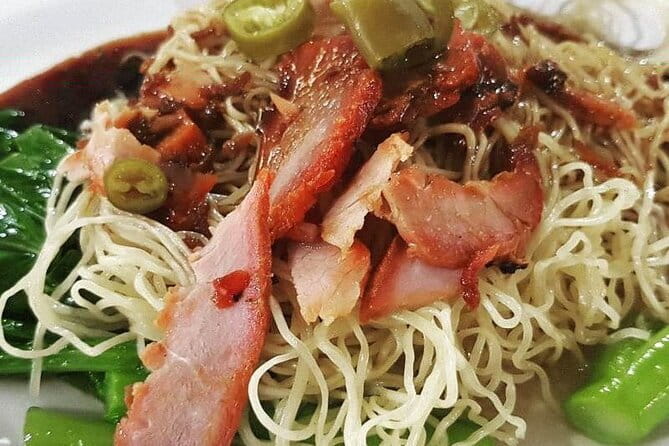
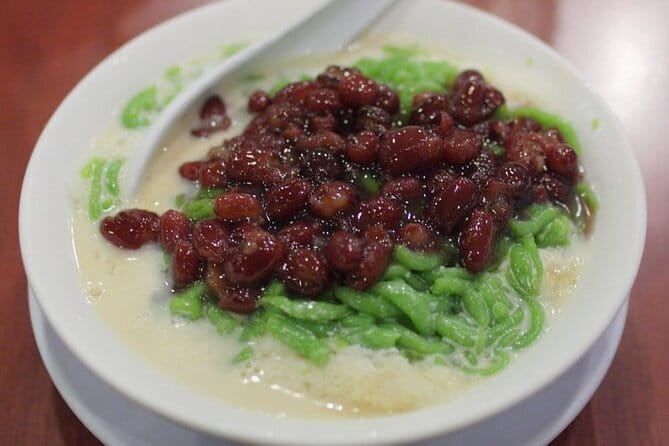
- Maxwell Food Centre is the food anchor, with guests reporting a meal-style spread that can include chicken rice, cake, tea, durian, and kaya breakfast.
- Jason’s storytelling is a big part of the payoff, with Singapore life and history tied to each dish.
- Temples are included (Buddha Tooth Relic Temple, Sri Mariamman Temple, Jamae Mosque), so the day isn’t only about food.
- Allergy-aware guidance is possible; one family reported the guide tailored the tastings for their child’s allergies.
How the tour moves: 2 hours 30 minutes, walking with purpose
This is a tight 2 hours 30 minutes of sightseeing and eating. It’s built around Chinatown’s most workable cluster of sights, so you won’t waste the day hopping across town. You’ll be on foot, so wear shoes that can handle lots of sidewalk time and the occasional queue.
The group size stays small, with a maximum of 10. That matters in hawker centres. Ordering is faster, you can hear the guide, and it’s easier for the guide to adjust if someone needs a different option.
You can also read our reviews of more tours and experiences in Singapore.

First stop: Buddha Tooth Relic Temple and Museum (why it’s on your food route)
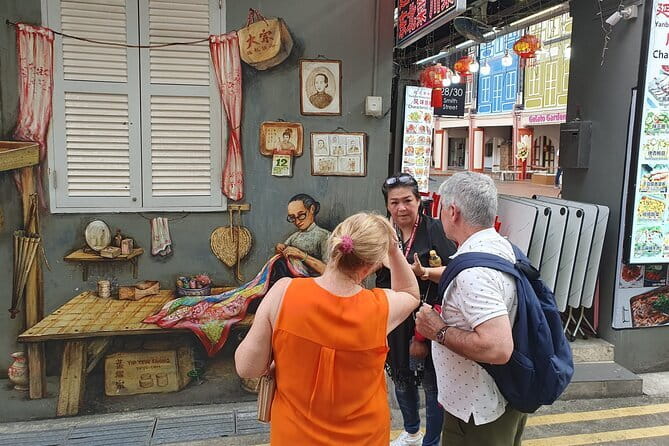
You start with the Buddha Tooth Relic Temple and Museum, located right in the heart of Chinatown. The temple is known for housing a sacred relic believed to be a tooth, and this stop is short—around 5 minutes—with admission listed as free for this part of the visit.
So why put a temple first on a street-food tour? Because Chinatown’s food culture doesn’t sit in a vacuum. Before you start eating, you get a quick reset: you see the kind of spiritual landmark locals build their routines around. It also gives the guide an easy starting point for stories that connect religion, community, and daily life.
Practical note: even when a stop is brief, bring a bit of mental flexibility. Temple visits come with rules and a different pace than hawker centres.
Chinatown Complex: where the tastings start
Next comes Chinatown Complex, described as one of the largest hawker centres in Singapore. This stop runs about 20 minutes and is also listed with free admission.
Think of Chinatown Complex as a “food directory you can eat from.” Hawker centres like this work because there are many stalls in one place, so you can sample widely without wasting time crossing the city. The guide’s job here is huge: instead of you wandering and trying to translate menus while hungry, you get guided tasting.
From what you can expect on a tour like this, the tastings aren’t just random snacks. They’re chosen to represent multiple corners of Singaporean eating—comfort dishes, spicy options, and the kind of desserts and drinks you’d normally save for later.
Sago Street: the old trade lane behind Chinatown’s food energy
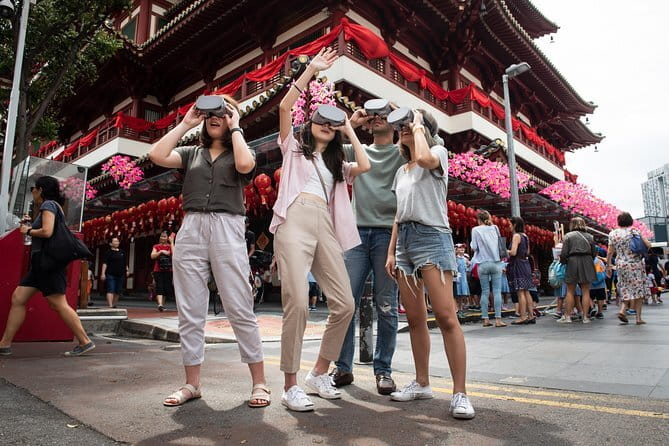
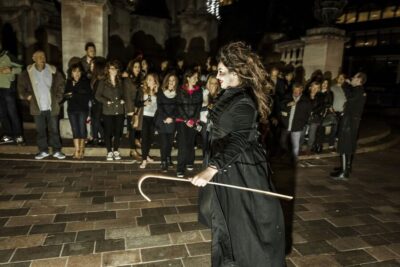
Then you’ll walk to Sago Street, sometimes called the Street of the Dead in historical context. Your time here is about 5 minutes.
This stop is less about food and more about setting the stage. Sago Street’s story connects to how Chinatown formed as an immigrant and trading neighborhood—exactly the kind of history that helps explain why Singapore food tastes the way it does. You’re basically getting a quick “how we got here” before the heavy eating at Maxwell.
If you like photos, this is a good short stretch to slow down for a moment. It’s also a nice break from the intense hawker-centre brightness and smell.
Chinatown stroll time: shophouses, traditional shops, and time to look
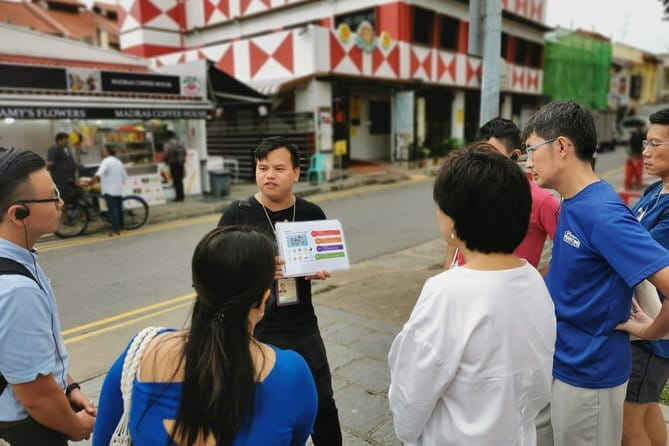
After Sago Street, you’ll get around 1 hour of leisurely walking through Chinatown. This is where you see more of the neighborhood texture: shophouses and traditional shops, with time for the guide to point out details along the way.
This part is often the difference between a tour that feels like a food sprint and one that feels like a real morning or afternoon in the neighborhood. Even if you’re there for food, walking through Chinatown at normal pace helps you understand why Maxwell isn’t just another hawker centre—it’s one of the best places to eat after you’ve taken in the streetscape.

Sri Mariamman Temple and Jamae Mosque: faith landmarks you’ll actually remember
During your Chinatown walking portion, two major cultural stops are included:
- Sri Mariamman Temple, noted as Singapore’s oldest Hindu temple.
- Jamae Mosque (also called Jamae Chulia Mosque), described as one of the oldest mosques in Chinatown.
These stops aren’t timed in the same way as the hawker centre blocks, but they sit naturally between street-food moments. The value is that you get a sense of Chinatown as a layered neighborhood—different communities, same streets, daily life intersecting.
The practical side: dress code and respectful behavior matter at religious sites. Plan your clothing with that in mind, even if the stops aren’t long.
Maxwell Food Centre: the main event for street-food fans
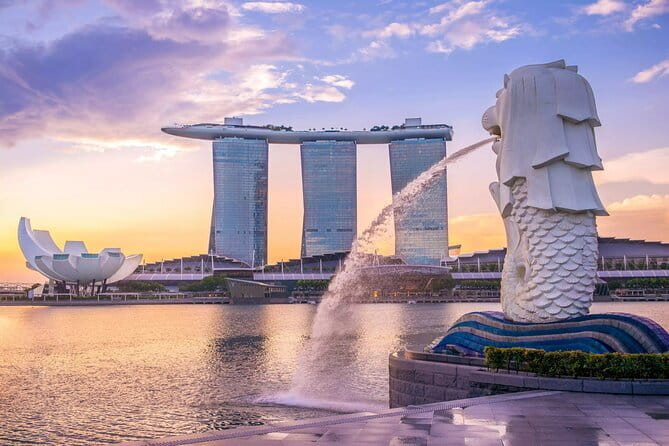
The tour’s biggest food payoff is Maxwell Food Centre, about 1 hour. Maxwell is described as a renowned hawker centre in the heart of Chinatown and a must-visit for authentic local dishes.
This is where the tastings become a full experience rather than a few bites. Multiple guests talk about a meal-style spread at Maxwell, including items like chicken rice (with a mention of Tian Tian Chicken and Rice), cake, tea, durian, and a kaya breakfast. That lines up with the tour’s promise of 7 to 8 local food and drink tastings.
For many people, Maxwell is the moment they stop thinking about ordering and start thinking about enjoying. You’ll be guided to stalls and dishes that make sense together, instead of grabbing whatever looks best from the entrance.
Expect queues: Tian Tian Chicken and Rice is part of the deal
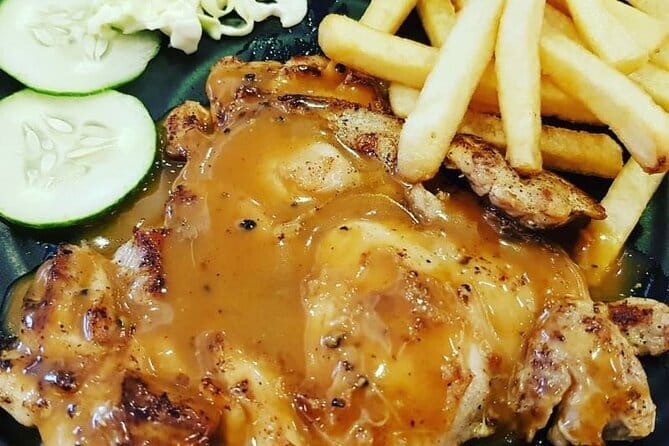
One of the most specific details you can plan around is the mention of queuing for Tian Tian Chicken and Rice at Maxwell. That doesn’t mean the whole tour is spent waiting, but it does mean you should expect at least some line time at one or more popular stalls.
If you’re the type who gets grumpy when there’s a wait, bring the right mindset: hawker queues are often a sign the dish is popular for a reason. Also, because the group is small and the guide is present, you’re not left standing there with no plan.
What the guide actually adds (Jason’s history-to-food storytelling)
The guide experience is one of the most praised parts of this tour. Names that show up in bookings include Jason, and people repeatedly mention that he makes the walk feel lively and meaningful through stories.
Here’s what that tends to look like in practice:
- Each dish comes with context, so you’re not just tasting food—you’re learning why that dish belongs in Chinatown.
- The tour stays interactive, with the guide keeping people involved rather than treating this like a simple checklist.
- The day works as a first introduction to Singapore, because the stories connect food with everyday life.
One review also mentions a family where the guide catered options for a child with allergies. That’s important. It suggests the guide is paying attention, not just reading from a script.
Value check: $52.31 for 2.5 hours of guided eating
At $52.31 per person for about 2 hours 30 minutes, the value is best understood as a combo deal: a guided neighborhood walk plus 7 to 8 tastings at hawker centres.
Transport isn’t included, so budget for how you’ll get to Maxwell Station Exit 2. But once you’re there, you’re not paying extra for each dish individually. You’re also getting built-in selection help, which is a big deal in hawker centres where the menu options can be overwhelming.
Admission is listed as free for at least the temple-and-museum stop. That helps keep costs cleaner than many tours where you add tickets at multiple places.
One more value note: the tour is often booked about 47 days in advance on average. That’s not a guarantee you’ll sell out early, but it’s a hint that this is a popular “do this on your first day” style activity.
Logistics you’ll feel on the ground: meet point, mobile ticket, and shoes
You meet at Maxwell Station Exit 2 and the tour ends back at the same meeting point. It’s near public transportation, which matters in Singapore because moving around is quick but you still don’t want to arrive late.
You’ll use a mobile ticket. That’s handy, especially when you’re juggling other reservations and don’t want another paper thing to manage.
Because the tour includes walking and multiple short stops, aim for moderate physical fitness. This isn’t a marathon, but it is real movement.
What to bring so the day stays comfortable
You don’t need “tour gear,” but a few basics will make the hawker-centre parts easier:
- Comfortable shoes for a long sidewalk day
- Small cashless payment plan in case you want extras beyond the tastings (the tour includes tastings, but you might still want something)
- Water if you tend to get thirsty while walking (no water details are listed, so I’d plan to buy nearby)
Also, if you have dietary restrictions, it’s worth telling the booking team in advance. The tour data includes at least one success story of allergy-aware tailoring, and that’s a sign it can be handled.
Who this tour is best for
This fits you if you want:
- A first-time Chinatown experience that combines food with landmark context
- A small group format where the guide can talk and you can ask questions
- A structured way to sample Singapore food without standing in line at every single stall trying to decide
It’s also a solid choice for families who want a guide to help manage the flow and keep things interesting. The one caution is the walking pace: if you prefer slow museum pacing and minimal standing, you might find parts of the day feel active.
Should you book it?
Book this tour if you want a straightforward way to experience Chinatown through food and landmarks without spending hours researching where to go and what to order. The price makes sense when you factor in the guided tasting format and the time saved in hawker centres. And if you care about stories, the guide experience is repeatedly described as a key reason people feel satisfied.
Skip it or consider another option if you dislike queueing or you want a purely food-focused afternoon with no temple or mosque stops. Also, since transport isn’t included, make sure your day starts near Maxwell Station Exit 2.
If you’re planning a first day in Singapore, this is the kind of tour that gives you bearings fast: you leave knowing where to eat next.
FAQ
How long is the Chinatown Heritage and Local Street Food Small Group Tour?
The tour is about 2 hours 30 minutes.
Where does the tour start and end?
It starts at Maxwell Station Exit 2 and ends back at the meeting point.
What’s included in the tour price?
You get snacks/food and drink tastings (7 to 8) plus a guide.
Are transport costs included?
No. Transport is not included.
Do you visit any places of worship or museums?
Yes. The route includes Buddha Tooth Relic Temple and Museum, Sri Mariamman Temple, and Jamae Mosque (also known as Jamae Chulia Mosque).
How many people are in the group?
The tour has a maximum of 10 travelers.
Is there a mobile ticket?
Yes, the tour uses a mobile ticket.
Can the guide accommodate allergies?
The tour information includes at least one report of the guide tailoring tastings for a child with allergies, so it may be possible to adjust options.
What’s the cancellation window?
You can cancel for a full refund up to 24 hours before the experience’s start time.