REVIEW · SINGAPORE
Singapore Private Food, Culture and Heritage Tour with 9 tastings
Book on Viator →Operated by Woopa Travels Pte Ltd · Bookable on Viator
Food stories start in Singapore street corners. This private tour is built around 9 tastings plus guided stops that connect each bite to the neighborhoods behind it, and I especially like how the guide links food to history and community rather than treating it like a checklist. One note to consider: the tastings are fixed and not customized, so if you have strict dietary needs or you’re expecting huge restaurant portions, you may feel boxed in.
You’ll cover three major areas on foot—Chinatown, Little India, and Kampong Glam—then finish near Marina Bay Sands. The pacing stays manageable for a walking tour (though it is outdoors), and you also get public transport included along with an admission ticket to a River Cruise. Guides are English-speaking locals, and the tour is rain or shine, so pack for Singapore’s weather.
In This Review
- Key things I’d watch for before you book
- What you’re really buying: food stories plus neighborhood history
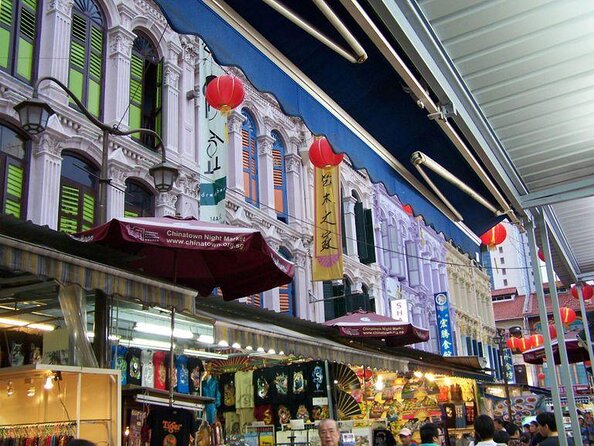
- Chinatown’s street grid: Kreta Ayer, wet markets, and Sago Street lore
- The Chinatown-to-Little-India shift: tasting north vs south Indian traditions
- Kampong Glam and Arab Street: mosques, heritage vibes, and Bugis energy
- Clarke Quay and the Singapore River: why the cruise matters
- Marina Bay Sands finish: a big skyline ending for a small-world day
- 9 tastings, fixed format: how to make set-menu eating feel like your kind of day
- Guides make or break it: what good looks like on this route
- Price and logistics: when $185.75 feels fair
- Who should book this tour, and who should skip it
- Should you book this Singapore private food, culture and heritage tour?
- FAQ
- How long is the Singapore private food, culture and heritage tour?
- What’s included in the 9 tastings?
- Does the tour include a hotel pickup?
- Where does the tour start and where does it end?
- Can the guide customize meals for dietary restrictions?
- How much walking is involved?
- Does the tour run in bad weather?
- Is this a private tour?
- Is free cancellation available?
Key things I’d watch for before you book
- Fixed tastings, not a menu: the food is set, and customization isn’t offered
- Three cultural districts in one day: Chinatown, Little India, and Kampong Glam all get real attention
- Street-history stops with photo moments: temples, heritage centres, and iconic streets keep it varied
- River Cruise ticket included: it helps connect the food story to Singapore’s trade and growth
- Private group feel: it’s only your group, not a mixed crowd shuffle
- Expect guided pacing, not endless eating: some people love the balance; others want more food volume
What you’re really buying: food stories plus neighborhood history
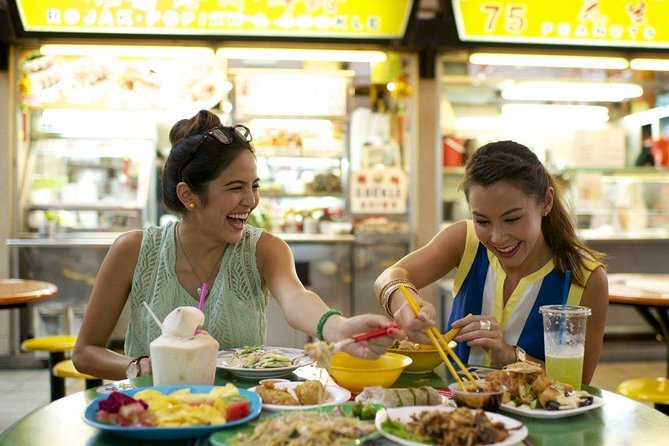
This isn’t a full-on restaurant crawl where you eat your way through Singapore in one sitting. Instead, you’re buying time: a guided walking route through three ethnic quarters, plus a set of 9 to 10 local dishes and drinks that match the story the guide is telling.
At $185.75 per person for about 6 hours, the value hinges on two things. First, you’re getting more than food: you also get transportation support (MRT and bus), a River Cruise admission ticket, and a local guide who connects what you’re eating to where the communities came from. Second, because the tastings are fixed, you’ll get the planned experience even if you don’t love every single item.
This is ideal for your first trip to Singapore—or anytime you want a structured way to understand the city quickly. If you want maximum eating volume and lots of freedom to order your own picks, you might be happier planning hawker-stall meals on your own after you learn the basics.
You can also read our reviews of more tours and experiences in Singapore.

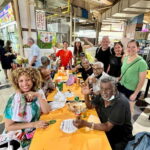
Chinatown’s street grid: Kreta Ayer, wet markets, and Sago Street lore
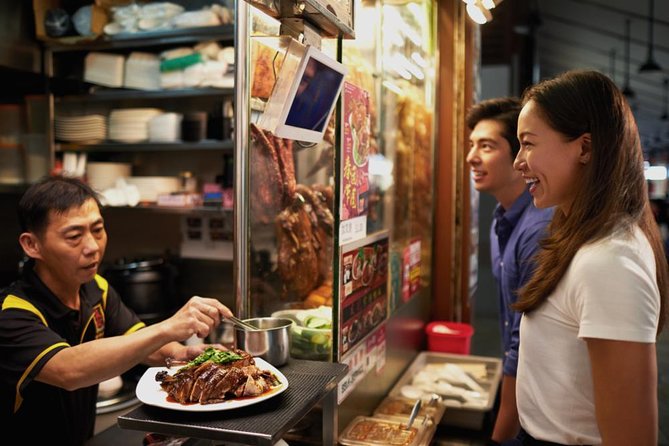
Your day kicks off around Kreta Ayer Square, a name that already tells you the tour is thinking about community, not just food. Kreta Ayer sits in the wider Chinatown area, and the stop is framed around Singapore’s racial diversity—how it shows up in buildings, streets, and daily life. It’s a good warm-up because it sets the tone for how the country “works”: multiple cultures side by side, each leaving marks you can still see.
From there, you move through Chinatown itself, including time around the Chinatown Complex area and a look at the hawker-centre and wet market energy. This is one of those Singapore things that helps you understand why hawker food matters so much: you’re not just tasting dishes, you’re watching how people shop, cook, and socialize in the same general spaces.
Next comes the Chinatown Street Market stop, which is less about a single attraction and more about context—where the market sits, what’s around it, and how visitors should read the area. Then you’ll hit Sago Street, also known as the Street of the Dead, where the history focus shifts to early immigrants and how their lives shaped the street network and trade.
Then the tour turns up the “iconic Singapore” factor with the Buddha Tooth Relic Temple and Museum. You’ll get a photo moment here, but it’s also a reminder that Singapore’s religious landmarks aren’t tucked away—they sit right in the middle of daily movement. After that, you end the Chinatown stretch at the Chinatown Heritage Centre, where you can peek at heritage shophouses that help you picture what these neighborhoods were like before everything got skyscraper-tall.
Best use of your time here: ask your guide what you’re looking at in the architecture. Even one answer can make the streets feel readable, instead of just pretty lanes for photos.
The Chinatown-to-Little-India shift: tasting north vs south Indian traditions
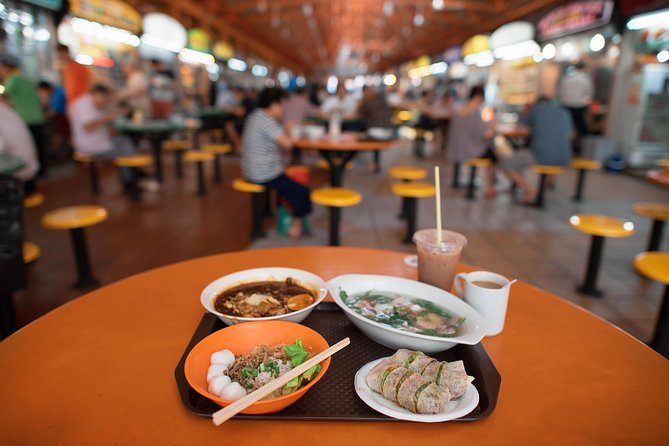
Once you leave Chinatown, you don’t just travel geographically—you switch the “flavor language.” When you reach Little India, the tour frames the area through scent and sight: curries, garlands, and a strong sense of tradition. One standout piece of the plan is the explanation of differences between North and South Indian traditions and cuisine, which is exactly what you want if you’ve only ever tried “generic Indian” outside Asia.
You’ll also spend time at Tekka Centre, which the tour positions as a place to understand “must-try” local food. Tekka is a good fit for the day’s style because it’s not only about one stall; it’s about the broader mix of what locals reach for when they want something satisfying and familiar.
Along the way, there are photo-oriented stops such as House of Tan Teng Niah and the Little India Arcade area. These aren’t the core of the tasting story, but they break the walk into memorable moments. They also give you a chance to slow down and notice details—signage styles, the rhythm of shoppers, and how the streets feel at different times of day.
The tour also includes Campbell Lane as a location and vicinity stop. That might sound small, but it’s the kind of “in-between” pause that helps you stop thinking of districts as blocks on a map. Instead, you start seeing them as living networks where one street feeds another.
Possible drawback to keep in mind: because the food tastings are fixed, the items you get in Little India might lean toward specific regional styles. That can be great if you’re open-minded; it can be less ideal if you’re picky or chasing one particular dish.
Kampong Glam and Arab Street: mosques, heritage vibes, and Bugis energy
Next up is Kampong Glam, the historic Malay quarter with a modern edge. The stop description points out both the Malay cultural side and the modern “Hispter Lane” feel, plus artisan-café energy. That blend matters because it shows how Singapore preserves identity while still changing fast.
You’ll then get pointed info for a Malay Heritage Centre visit after the tour. Even if you don’t add it later, it’s helpful because it tells you the cultural thread continues beyond the walking route. Think of the day as a guided “starter map,” not a one-and-done checklist.
The plan also includes a photo moment at the Sultan Mosque area. This is one of the best kinds of stops for visitors: you get a clear landmark and basic orientation about where it sits and why it matters in the neighborhood’s story.
After that, you move to Arab Street, again framed as a location and vicinity stop. Arab Street works well in a route like this because it feels different from the food-heavy markets in Chinatown and Little India. It’s more about atmosphere: shops, street texture, and the sense that the culture stretches beyond one single attraction.
Then there’s Bugis, with time described as a mix of shopping and casual city life. Bugis can feel like Singapore’s energy meter—people flowing between errands, quick treats, and browsing. The tour keeps this section moving, so it’s a good place to grab your bearings before heading to the river.
Clarke Quay and the Singapore River: why the cruise matters
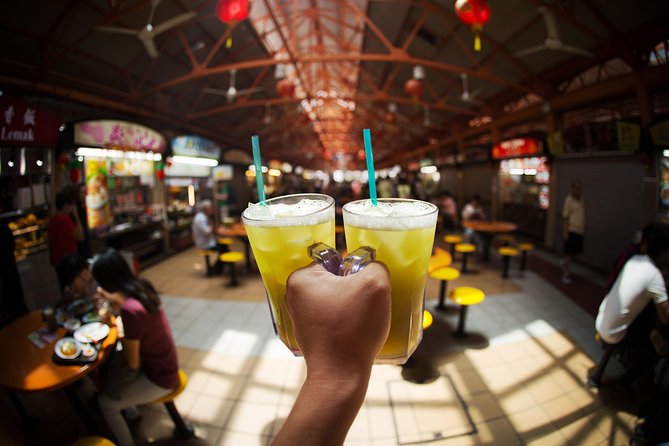
After Kampong Glam and the surrounding streets, the itinerary brings you to Clarke Quay, known as a lively riverside dining and entertainment zone. The idea isn’t to turn the tour into a nightlife evening. It’s to bridge the story: culture and food don’t exist in isolation—they connect to trade, movement, and the city’s growth.
Then you spend time at the Singapore River, including a longer stretch (about 45 minutes on the itinerary). The river is described as an iconic waterway tied to history and trade, which matters because it helps explain the “why” behind Singapore’s food mix. This is the part of the day that shifts from neighborhood identity to city-scale identity.
And here’s the extra included piece that makes this route more than a walking-only tour: you get an admission ticket to a River Cruise (listed as 6hr only). I like this add-on because it gives your legs a break and gives your brain a wider view. Eating in hawker centres tells part of the story. Viewing the city from the river helps you understand how those cuisines and communities became neighbors in the first place.
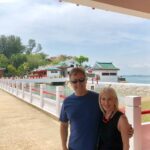
Marina Bay Sands finish: a big skyline ending for a small-world day
The tour ends near Marina Bay Sands (MBS), a location that’s almost impossible to ignore. Ending here is smart for two reasons. It gives you a clear visual finish line after hours of narrow streets and dense textures, and it lets you connect the food-and-culture story to modern Singapore’s global image.
The drawback is that if you’re hoping for one last food stop at the end, the tour is more about closing the loop than adding another tasting. Still, finishing at MBS is convenient because it’s easy to continue your day from there.
9 tastings, fixed format: how to make set-menu eating feel like your kind of day
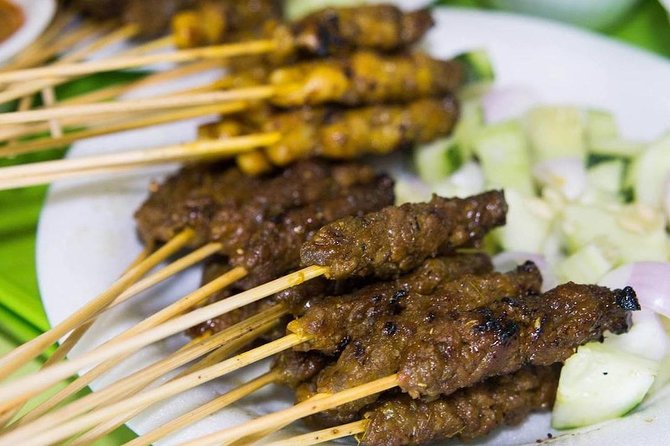
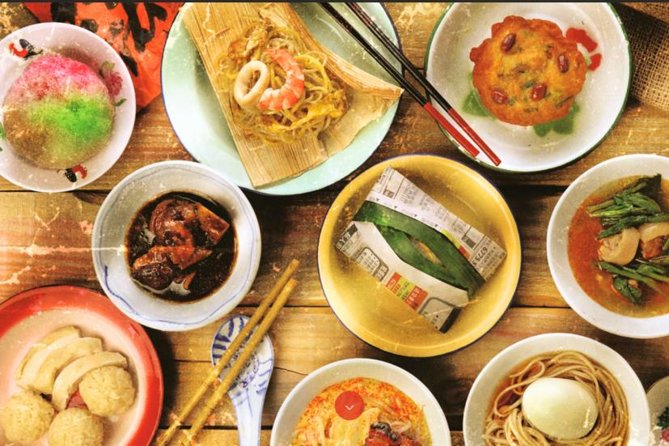
The tour promises 9 to 10 local ethnic dishes and drinks, and that’s a lot of variety across multiple districts. The key is pacing. You’re not meant to treat each stop like a separate restaurant bill. Instead, you snack your way through a guided set list that matches the theme of the neighborhood you’re in.
Because the food is described as fixed and not customized, I’d treat this as a cultural sampling experience first, and a personal taste experiment second. If you love the idea of trying new things you might not order on your own, you’ll probably find the tastings energizing rather than limiting.
A few pieces of real-world feedback from past participants point to two common friction points you should sanity-check. One is that some people felt the experience leaned more heavily on history than on food volume. Another is that a couple of tastings may feel light if you’re expecting drinks and portions without sharing.
You also need to respect the reality of Singapore hawker culture: many items are flavorful and intense, and Singapore heat can turn “I’ll try everything” into “I need water now.” If you’re prone to getting too hot, plan to sip slowly and don’t force finishes.
Practical move: eat what’s served, but don’t rush. This route works best when you let the guide’s explanations set context, then let your taste buds follow.
Guides make or break it: what good looks like on this route
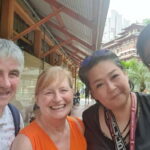
This is a private tour with an English-speaking local guide, and that’s a huge deal on a route like this. In Chinatown, Little India, and Kampong Glam, the streets can look similar to the untrained eye. A great guide turns the same block into a story you can repeat later.
From guide names that have appeared with this tour, you’ll see a real range of styles: people like Ping, Reyney, Leo, Andrew, Walter, Simon, Marcus, Swee Lin, Pam, Justin, Bryan, Cecelia, and Raynee. What they have in common in feedback is clarity, a friendly pace, and a knack for linking food to community stories rather than just listing dishes.
If you get one of the stronger talkers, you’ll likely come away with more than tastes. You’ll learn little city-reading skills: how to spot the meaning behind street names, what heritage architecture is trying to preserve, and how Singapore’s mix of cultures shows up in markets, worship places, and everyday snacks.
One simple thing you can do: at the first stop, ask what your guide thinks you’ll notice most in each district. Then pay attention to that single idea as you move.
Price and logistics: when $185.75 feels fair
So, is this worth $185.75 per person?
Here’s how I’d judge value for this exact tour type. You’re paying for:
- a private local guide and set storytelling route
- 9 to 10 tastings and drinks
- public transport use (MRT and bus)
- hotel pickup if you choose the pickup option
- River Cruise admission ticket
- all taxes and related charges
If you were to replace this with your own plan, you’d spend time mapping district-to-district routes, researching what to eat where, and stacking multiple ticket entries on your own. This tour reduces that mental load. It’s basically buying a tight day where logistics are handled and the food has a cultural reason to exist.
Where the price can feel off is when your expectations are mismatched. If you want heavy eating like a long food crawl, you may find the set tasting format too controlled. If you’re expecting every item to match your exact preferences, the fixed menu can be frustrating.
I also wouldn’t ignore the “private” factor. Some food tours can feel crowded even when advertised as small groups. This one says it’s private—only your group participates—which usually means you can ask questions and move at a human pace.
Who should book this tour, and who should skip it
You’ll likely love this tour if:
- you want a first-time Singapore orientation through food and culture
- you enjoy walking between districts and learning why places look the way they do
- you’re fine with a fixed tasting plan and you want variety over customization
- you want an included River Cruise moment instead of trying to fit it in yourself
You might want to skip or choose something else if:
- you have dietary restrictions or need customization (the tour says it’s not suitable for guests with dietary restrictions)
- you need walking assistance (the tour requires moderate walking outdoors)
- you want restaurant-size meals and lots of drink refills on your own schedule
If you’re healthy, mobile, and curious, this is a strong “culture + food in one day” option.
Should you book this Singapore private food, culture and heritage tour?
I’d book it if you want a structured day that makes Singapore feel understandable fast. The route through Chinatown, Little India, and Kampong Glam gives you a real sense of how different communities shape the city’s food. The tastings are the hook, but the guide’s storytelling is often what turns the day into something you remember.
I’d think twice if you’re chasing maximum food volume or you need the menu tailored to your body. In that case, the fixed tastings and limited customization can feel like a compromise.
If you’re asking me for a simple decision: book it when you want variety, context, and a smooth itinerary. Skip it when you want full control over what you eat and drink.
FAQ
How long is the Singapore private food, culture and heritage tour?
It’s listed at about 6 hours.
What’s included in the 9 tastings?
The tour includes 9 to 10 local ethnic food dishes and drinks, plus a River Cruise admission ticket, public transport (MRT & bus), and an English-speaking local guide.
Does the tour include a hotel pickup?
Hotel pickup is offered when you select the pickup option. Hotel drop-off is not included.
Where does the tour start and where does it end?
The tour starts at Chinatown MRT Exit A151 on New Bridge Rd. It ends in a different location, with the day’s final stop described as Marina Bay Sands.
Can the guide customize meals for dietary restrictions?
No. The tour notes that it is not suitable for guests with dietary restrictions and that food items are fixed, with no customization.
How much walking is involved?
There’s a moderate amount of walking, including outdoors, and it’s not suitable for guests who require walking assistance.
Does the tour run in bad weather?
Yes, it operates rain or shine. You’re advised to bring a poncho or umbrella and water.
Is this a private tour?
Yes. It’s described as private, meaning only your group will participate.
Is free cancellation available?
Yes. You can cancel for a full refund up to 24 hours in advance. If you cancel less than 24 hours before the start time, the amount paid is not refunded.
You Might Also Enjoy
 Private Tour of the Belvedere Palace with an Art Historian: “Pictures of Austrian Identities”. Art & History Tour with Skip-the-line Tickets
 Discover Ancient Lisbon of Tuk Tuk with a local guide
 The Authentic Bilbao Pintxos, Food & Wine Tour with a Local