Ostia Antica is Rome’s harbor world, not just ruins. This small-group trip takes you just outside the city to a former trade center by the Mediterranean, where you can wander through spaces tied to daily life. You’ll cover major highlights like the Baths of Neptune, the Forum of Corporations, and even the necropolis with a guide who points out what to notice.
Two things I really liked: the maximum 6 people group size (it stays calm and personal), and the fact that you start with skip-the-line entry so you lose less time standing around. I also appreciated the guide commentary—Angelo, for example, was praised for steering people to the right spots for the best exposure of the site.
One consideration: the ground can be uneven, and the tour isn’t recommended for people with physical disabilities. Also, train tickets to and from Rome are on you, so plan for that extra cost and time.
In This Review
- Key highlights worth planning for
- Ostia Antica: Rome’s harbor city beyond the postcard ruins
- Train ride and the 10:00 am start that keeps things efficient
- Meet your guide at the entrance and use skip-the-line wisely
- Baths of Neptune and the everyday tech of Roman water
- Forum of Corporations, ancient storefronts, and commerce
- Amphitheatre and theatres: crowds, schedules, and public life
- Necropolis, latrines, and Piazza della Minerva: small details that land
- Small-group size, price, and who should book
- Quick reality check on booking timing
- Should you book this Ostia Antica MAX 6 PEOPLE tour?
- FAQ
- How long is the Ostia Antica tour?
- What is the meeting point for the tour?
- Where does the tour end?
- What time does the tour start?
- Are entrance tickets included?
- Is there skip-the-line access?
- Are train tickets to and from Rome included?
- What’s included in the guided experience?
- How big is the group?
- Is the tour accessible for people with physical disabilities?
- What are the cancellation rules?
Key highlights worth planning for
- Skip-the-line entry at Parco Archeologico di Ostia Antica saves you time at a popular archaeological site
- Small group (up to 6) keeps the tour focused and makes questions easier
- Baths of Neptune show off Roman comfort tech, including hot and cold water systems
- Forum of Corporations helps you understand how trade worked through signage, organization, and layout
- Necropolis and amphitheater reveal how the city handled both death and spectacle
Ostia Antica: Rome’s harbor city beyond the postcard ruins
Ostia Antica is one of those places that changes your perspective. Instead of staying stuck on the big Roman monuments everyone knows, you get a working view of how the empire moved goods and people. Ostia was an ancient harbor city tied to trade and commerce, and the layout makes that feel practical, not theoretical.
What makes this stop satisfying is that it’s not just about looking at stones. You’ll walk through spaces that relate to real routines: bathing, shopping-like activity, public events, and even the systems behind comfort. The site also includes the necropolis, which gives you a quieter side of Roman life than the forums and theaters.
And because it is set outside central Rome, you get a different atmosphere. Expect open ruins, wide sightlines, and the chance to slow down and read the place like a map. I like that the tour helps you see connections between buildings so you do not feel lost.
You can also read our reviews of more tours and experiences in Rome.

Train ride and the 10:00 am start that keeps things efficient
This experience is built around a half-day format of about 2 hours 30 minutes. You meet at Viale dei Romagnoli, 717, 00119 Roma RM, with the tour start time listed as 10:00 am. Train rides are part of the journey, but train tickets are not included, so you’ll want to budget for that and make sure you know your route.
If you are the type who likes their time used well, the timing matters. Instead of waiting around for a late museum slot, you’re out early enough to enjoy the site while the day is still manageable. Also, the tour ends back at the meeting point, which is a nice structure for planning the rest of your day in Rome.
One more practical note: the description says it is near public transportation. That typically means you are not stuck with a complicated transfer puzzle, but still, do your homework on the train segment since tickets are separate.
Meet your guide at the entrance and use skip-the-line wisely
The tour meets you right at the entrance of the archaeological park, then you get skip-the-line entry. For me, this is a big deal at major sites. Even a short delay can eat into a two-and-a-half-hour tour, and Ostia’s value depends on seeing multiple areas—not just one section.
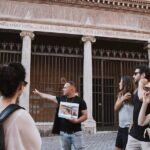
With a small group, you also tend to move more smoothly. You are not being dragged from one photo spot to another. Your guide brings you to the more important features and helps you understand why they matter. In one especially strong review, the guide Angelo was praised for knowing the right locations to get the maximum exposure of the site.
The best part is that you do not have to “figure it out” solo. Roman ruins can be confusing: doors where you want walls, streets where you expect buildings, and layouts that only click when someone explains the purpose. Here, the commentary is doing that job for you while you still have momentum.
Baths of Neptune and the everyday tech of Roman water
One of the standout highlights is the Baths of Neptune. Baths in Roman cities were more than hygiene. They were social hubs and comfort machines, and Ostia’s bath complex makes that clear.
This tour points out how the Romans handled complex water needs. You’ll hear about systems that brought in both hot and cold water—the kind of practical infrastructure that makes Roman engineering feel real, not abstract. When you see the layout and understand the flow of use, it helps you imagine how people moved through the building during a visit.
A guide also helps you avoid the common trap: staring at one wall and moving on. With commentary, you are more likely to notice how the baths relate to the rest of the city’s design. That includes thinking about why this area sat where it did and who would have used it.
If you like places where the everyday side of antiquity comes through, the Baths of Neptune are a major win. Even if you have seen other Roman bath sites, this one is still worth your time because Ostia’s scale and context make the routine feel closer to lived life.
Forum of Corporations, ancient storefronts, and commerce
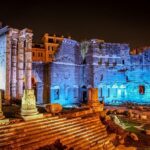
Next, you’ll spend time in the Forum of Corporations (also referenced as the square of the corporations). This is where the tone shifts from personal comfort to public business.
The big idea: Ostia wasn’t only about politics or temples. It was also about trade organization. During your visit, you’ll get a clearer look at how commerce worked through the forum’s role as a meeting place for businesses and specialties. The tour also encourages you to peek at ancient storefront areas and understand them as working spaces, not just architectural backdrops.
This section is valuable because it makes Roman trade feel tangible. You can stand in a forum and see the layout, but without context it’s easy to miss why the buildings matter. With a guide, you’re more likely to connect details to function—who would gather here, what kind of activity it supported, and how the city structured business life.
Also included here is the ancient bakery. It’s a useful contrast. A forum explains the organization; a bakery brings you back down to food supply. That blend helps you build a mental picture of how a harbor city kept moving.



Amphitheatre and theatres: crowds, schedules, and public life
You’ll also look at the Ostia Antica amphitheatre, which once held up to 3,500 onlookers. Even if you can’t fully recreate the noise in your head, the sheer capacity gives you a sense of scale. This is where entertainment and assembly met in a city built around trade rhythms.
Along the way, you’ll cover the ancient theatre of Ostia as well. Together, these performance spaces show you a different side of urban life: Roman cities did not just ship goods; they hosted public events that pulled people together.
What I like about this part of the tour is that the guide’s commentary can help you read how entertainment fit into the daily schedule of a working city. A forum might make you think about transactions, while an amphitheatre makes you think about timing, crowds, and the energy of public life.
One consideration: if you prefer quiet, low-crowd experiences, remember this is an archaeological park that has a lot of fixed viewpoints. The small-group size helps, but you will still be navigating an active site with other visitors outside the tour bubble.
Necropolis, latrines, and Piazza della Minerva: small details that land
Ostia does not shy away from the practical corners of life. The tour includes the Ostia necropolis, plus areas like ancient latrines. If you have ever wondered how historians can reconstruct daily habits from ruins, this is where you start to understand the method.
The necropolis brings a thoughtful shift. Public life and entertainment are part of what you’ll see, but death and burial practices were also central to how communities operated. Even without a long lecture, having a guided route through the necropolis helps you slow down and look at the setting as more than “another section of the site.”
Then comes the ancient latrines. These are the kind of ruins that people often overlook because they sound unglamorous. With a guide and a route that includes them, the latrines become useful because they show Roman hygiene and infrastructure choices. You’ll also learn about the broader theme of how everyday systems worked across the city.
Finally, you’ll visit Piazza della minerva. Piazza spaces are often where the city’s civic identity comes together—movement, gathering, and the feeling of being in an urban hub. Including it rounds out the tour so you see more than just the biggest headline monuments.
Small-group size, price, and who should book
The tour costs $152.97 per person and lasts about 2 hours 30 minutes. For Rome, that is not a budget price, but it is also not trying to sell you a long sightseeing day. You’re paying for three things that matter: skip-the-line entry, a fully guided visit that explains what you’re seeing, and the fact that the group caps at 6 people.
That group limit is a real value driver. It usually means you spend less time waiting, more time moving with purpose, and you have a better chance of getting your specific question answered. This is especially helpful at a site like Ostia where the layout can be confusing if you’re on your own.
This tour makes the most sense if you want:
- an easier, guided way to cover multiple highlights without rushing
- a more off-the-main-route Roman experience outside central crowds
- a hands-on understanding of daily life (water systems, commerce areas, public spaces)
It might be less ideal if you have mobility concerns, since the description warns that uneven surfaces make it not recommended for people with physical disabilities. If you’re comfortable walking on irregular ground and moving between areas, you should be fine—“most travelers can participate” is stated for this experience.
Quick reality check on booking timing
The tour is described as often booked about 91 days in advance, which suggests popular demand for this small group size. If you have fixed dates, check availability early.
Should you book this Ostia Antica MAX 6 PEOPLE tour?
I’d book it if you want the site to make sense without doing heavy homework. With skip-the-line entry, a route that hits the Baths of Neptune, the Forum of Corporations, the amphitheatre, necropolis areas, and practical life details like latrines, you get a lot of context for a short window.
If you are the type who loves archaeology but hates feeling lost, the guide-led approach is the point. The praise for Angelo specifically highlights that you get directed to the best spots for the full experience, not just random highlights.
Skip it only if you are very sensitive to uneven surfaces or you’re on a tight budget and prefer to allocate money toward museum time elsewhere in Rome. Otherwise, this is a strong way to experience Ostia Antica with the right pacing and a small-group feel.
FAQ
How long is the Ostia Antica tour?
It lasts about 2 hours 30 minutes.
What is the meeting point for the tour?
The meeting point is Viale dei Romagnoli, 717, 00119 Roma RM, Italy.
Where does the tour end?
The tour ends back at the meeting point.
What time does the tour start?
The start time is 10:00 am.
Are entrance tickets included?
Yes. Entrance tickets for Ostia Antica are included.
Is there skip-the-line access?
Yes. The tour includes skip-the-line entry to the Ostia Antica archaeological site.
Are train tickets to and from Rome included?
No. Train tickets to and from Rome are not included.
What’s included in the guided experience?
It includes a fully guided visit and coverage of sites including the Ostia necropolis, Piazza della minerva, Baths of Neptune, ancient theatre, square of the corporations, ancient bakery, Ostia forum, and ancient latrines.
How big is the group?
The tour is small group with a maximum of 6 people per booking.
Is the tour accessible for people with physical disabilities?
It is not recommended due to uneven surfaces.
What are the cancellation rules?
You can cancel for free up to 24 hours in advance for a full refund, based on the local start time. If you cancel less than 24 hours before, the amount paid is not refunded.