REVIEW · ROME
The ancient aqueducts of Rome
Book on Viator →Operated by Underground Rome · Bookable on Viator
Rome’s aqueducts still run the story of the city. In this small-group walk through the Parco degli Acquedotti and the Appia Antica edge, you get to see how Romans built, repaired, and reused water infrastructure over centuries. It’s a hands-on way to understand why Rome could grow where it did—by engineering water, not just monuments.
I like two things a lot. First, you’re not stuck with one ruin—you trace multiple aqueducts in a park that packs seven aqueducts into a few hectares, a setup that’s very rare. Second, the guides (many are archaeologists) bring the engineering down to human scale, with practical context and lots of questions answered, like Joseph and Alex, or Ricardo and Giuseppe, or Liviana with her stories of emperors, popes, engineers, slaves, and citizens.
The only real drawback to plan for is simple: this is a walking tour, so bring comfortable shoes and don’t expect luxury pacing. Also, it depends on weather, so if conditions are poor you may be moved to another date or offered a refund.
In This Review
- Key highlights
- A Water-Works Walk You Can Actually See
- Where You Start and How the Route Fits Together
- Parco degli Acquedotti and the Appia Antica Edge
- The Aqueducts as a Timeline: From 144 BC to Later Reuse
- The 144 BC Aqueduct and Later Reuse
- Seeing Water Systems Close Up
- Sixtus V, Pope Felice, and the Felice Aqueduct Over Earlier Arches
- “Water Giants”: Height, Flow, and the Aqueduct That Supplied Rome
- Claudius and Anio Vetus: The Highest Aqueduct in the Whole Setup
- Guides Who Explain the Engineering, Not Just the Dates
- Price and Value: What You Get for About $96
- Practical Tips Before You Go
- Who Should Book This Aqueduct Tour
- Should You Book the Ancient Aqueducts of Rome?
- FAQ
- How long is the tour?
- How much does it cost?
- Where does the tour start and end?
- Is this tour in English?
- Do I get a mobile ticket?
- How large are the groups?
- Is admission included for the park stop?
- Does the tour require good weather?
- Are service animals allowed?
Key highlights
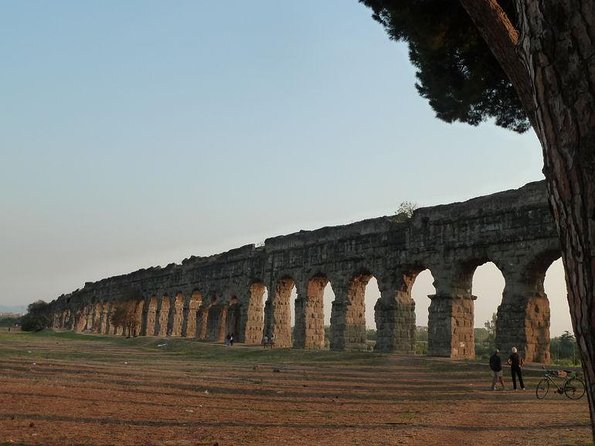
- Seven aqueducts in one park so you can compare designs and eras without hopping across town
- Real water engineering details like reused arches and an underground section that still works
- Up-close views of “water giants” with tall stretches of arches reaching dramatic heights
- Off-the-usual-tourist-track with locals in the park, not tour buses
- Small group size (max 10) for more Q&A time with the guide
- Practical connections to ancient Rome including a chance to spot the Roman road area
A Water-Works Walk You Can Actually See
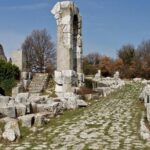
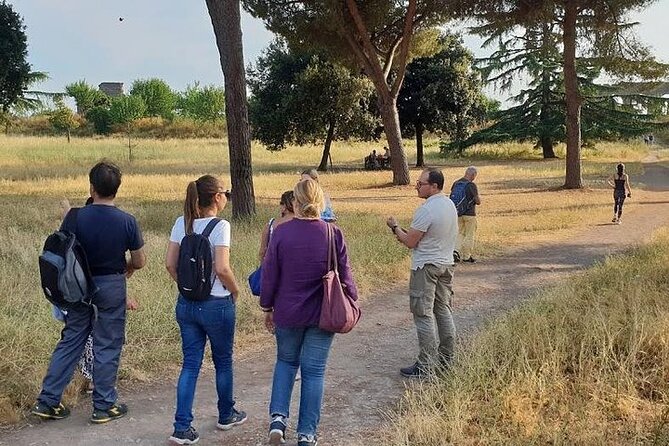
Rome’s aqueducts are famous, but in most places you see a few arches and move on. Here, the setting does something important: it lets you understand the water system as a whole. You walk through the Parco degli Acquedotti area on the Appia Antica side, where the ruins sit in a large open park used by locals—cyclists, joggers, and people just relaxing. That matters. It turns the aqueducts from museum objects into something that still belongs to the city.
One reason I really liked the feel is the focus on water itself. You’re not just staring at stone. You’re learning how Romans controlled distance, elevation, and flow so water could reach Rome’s neighborhoods. And because multiple aqueducts overlap here, you get to see how different builders solved the same problem.
Just keep one expectation in check: this is not a quick “photo stop” tour. It’s about walking the park, listening, and picking up details as you go.
You can also read our reviews of more tours and experiences in Rome.

Where You Start and How the Route Fits Together
The tour meets at Giulio Agricola (00174 Rome) and ends at Lucio Sestio (00174 Rome). That end point choice is a small detail, but it helps you keep the day moving. Instead of backtracking to the same exact place, you finish at another metro area, which makes it easier to roll into dinner plans later.
You’ll also want to plan for a short metro approach. One of the nicest parts is that you’re not trapped in Rome’s thickest tourist lanes. The meeting point is near public transportation, and the walk stays largely within the park environment.
Timing is also pretty straightforward: it’s about 2 hours total. Many people find that the length is just right—enough time to make the aqueducts feel real, not so long that you’re exhausted before you’ve even reached dinner.
Parco degli Acquedotti and the Appia Antica Edge
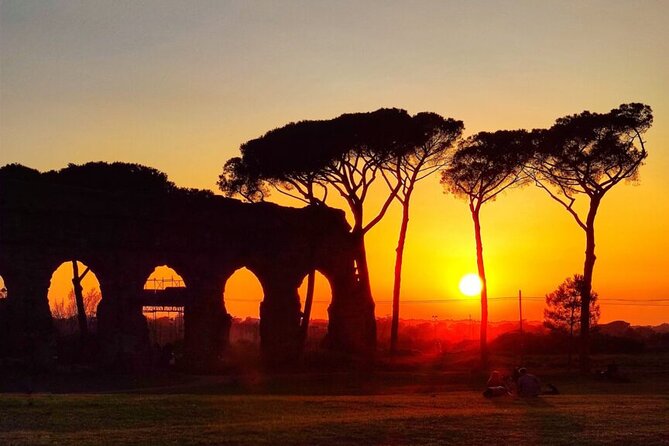
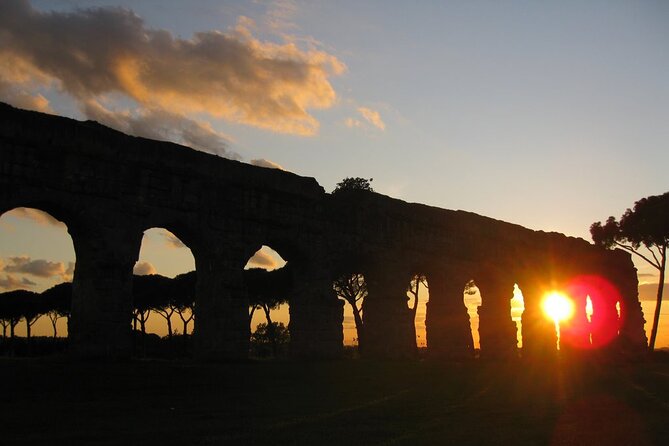
Your first big stop is Parco degli Acquedotti – Parco Archeologico dell’Appia Antica. This park is dedicated to Roman aqueducts, and the best part is how the ruins are grouped. You pass seven aqueducts in a relatively compact space, which means the comparisons happen naturally. You can notice differences in arches, alignment, and how later builders reused earlier structures.
You also get the “local Rome” feel here. Since it’s a park, not a fenced ticket-only site with constant crowds, you can hear the city differently. In reviews, people describe it as quiet and peaceful, with locals using the space. If you’re craving a break from the busy central areas, this is a strong reset button.
What to keep in mind: because you’re outdoors walking between structures, you’re exposed to sun, wind, and whatever weather Rome is serving that day. Even if the route is mostly flat, you should still dress for comfort and not rely on sandals. The tour itself asks for comfortable shoes, and I’d take that seriously.
The Aqueducts as a Timeline: From 144 BC to Later Reuse
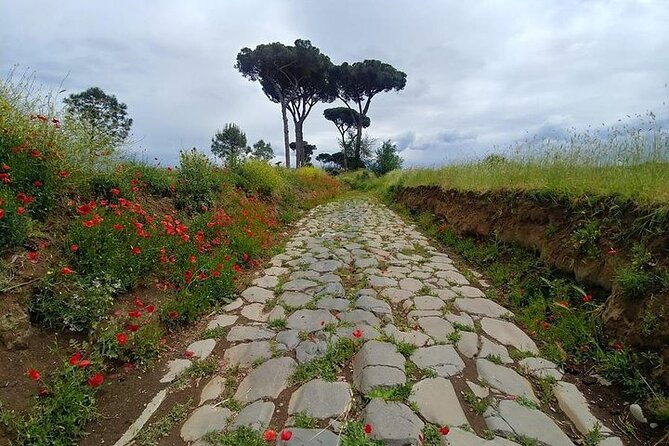
One of the most interesting things about this park is how it turns archaeology into a timeline you can walk. You see aqueducts from different eras and how later systems piggybacked on earlier ones.
The 144 BC Aqueduct and Later Reuse
At one highlight, you’ll learn about an aqueduct built in 144 BC. It wasn’t just “ancient and finished.” It was partially used until recently because it was reused by the Felice aqueduct. That detail changes how you see the ruins. This isn’t dead engineering. It’s engineering that got extended and repurposed because the original structure made sense.
If you like practical history, this is where the tour earns its value: it shows you how infrastructure can survive by evolving rather than being fully replaced.




Seeing Water Systems Close Up
Reviews mention a few people really loved getting a closer look, including moments where guides point out what’s happening with the structures and where water is moving. You may have chances to view sections directly and understand how the canal and arches function in context. Exact access can vary by what’s open at the moment, but the tour is designed to get you near enough to make sense of what you’re seeing.
Sixtus V, Pope Felice, and the Felice Aqueduct Over Earlier Arches
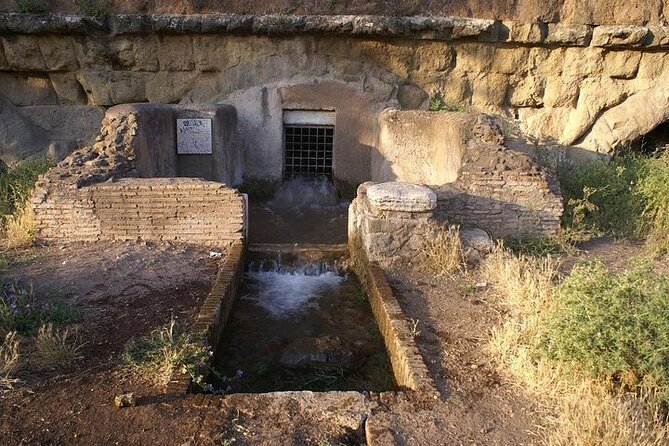
Rome’s aqueduct story isn’t only Roman. Later leaders continued the project of supplying water, and the park shows how that happened.
You’ll encounter the aqueduct built in the 1500s by Sixtus V, also described as Pope Felice. The key point isn’t just the name—it’s the method. This aqueduct reused arches from an earlier structure (the description connects it to the Marcio arches). The idea is simple: if an arch line already carries weight and aligns toward the right direction, it’s cheaper to reuse than start from scratch.
One particularly striking detail you’ll hear about is the underground part of this later aqueduct still working, with water leaking from the canal. That’s the kind of detail that makes the past feel physical, not just educational. It’s a reminder that water systems are living infrastructure, even when the visible parts look like ruins.
“Water Giants”: Height, Flow, and the Aqueduct That Supplied Rome
Another highlight is the aqueduct described as delivering the healthiest water and reaching heights that allowed it to supply the entire city of Rome. The arches can be very high—up to around 30 meters in some stretches, earning the nickname of sorts: a true Water Giant.
Standing near tall arches (and tracing their rhythm) helps you grasp the biggest Roman challenge: gravity. Romans used elevation like a tool. They didn’t need pumps the way modern systems often do. They needed levels, slopes, and stable structures so water could keep moving.
If you’re the type who enjoys seeing the logic behind a famous structure, this is one of the best parts of the tour. It’s not abstract. It’s math you can walk.
Claudius and Anio Vetus: The Highest Aqueduct in the Whole Setup
Then you get the “top of the system” story with Anio vetus, built under Emperor Claudius, along with the Claudian aqueduct. The park’s explanation frames Anio vetus as the highest in absolute terms of the aqueducts that supplied Rome (from the 11 aqueducts mentioned in the tour info).
This is where the guide’s ability to connect details matters. If you’re listening closely, you’ll start to understand the big picture: Rome’s water came from multiple sources, each with its own route, elevation, and role. Seeing the highest one in context makes it easier to picture how the entire supply web worked.
And because you’re in a park setting rather than a crowded street, you can actually slow down enough to notice what your eyes miss when you’re rushing for photos.
Guides Who Explain the Engineering, Not Just the Dates
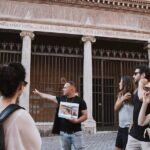
One pattern from the experience: the guiding style gets people excited. Reviews include guides like Joseph and Alex, Ricardo/Riccardo, Giuseppe, Liviana, and Mauricio, and the common thread is how they connect aqueduct engineering to the bigger world—politics, engineering choices, and human stories.
That mix matters because aqueducts can feel cold and technical if you treat them as just ancient pipes. Here, the best guides make them about people: who built the system, who depended on it, and how authority shaped public works. Liviana, for example, is specifically noted for turning emperors, popes, engineers, and everyday citizens into part of the story. That kind of storytelling helps the structures stick in your mind.
You’ll also get practical answering of questions. If you pause and ask something like why one aqueduct reused older arches, or what “height” meant for daily supply, this tour is built for those moments.
Price and Value: What You Get for About $96
At $96.38 per person for around 2 hours, this isn’t the cheapest way to see ruins in Rome. But it’s also not a generic walking tour.
The value comes from a few concrete factors:
- Small group limit (max 10), which usually means more attention and time for questions
- Specialized content focused on aqueduct engineering and reuse across eras
- Rare setting where you can compare multiple aqueducts in one walk rather than hopping between separate sites
- English guidance plus a mobile ticket for easier day-of logistics
Also, the stop in the park is listed with admission ticket free for that segment. That doesn’t mean the tour is “free”—you’re paying for the guided experience and the time—but it does reduce one of the usual Rome cost-adders.
If your Rome days are packed with the big-ticket names, this is a high-payoff alternative: a calmer, more technical, and more unusual monument set.
Practical Tips Before You Go
If you take one piece of advice from all this, make it this: wear good walking shoes. Even if the walking is described as mostly flat, you’re still moving between ruins and standing for explanations.
Bring these basics:
- Sunscreen and water, because the park is outdoors
- A light layer for wind
- A phone with offline maps, since you’ll be near metro stops at the start and end
You should also know the tour depends on weather. The experience is marked as requiring good conditions, and if it’s canceled due to poor weather, you’ll be offered another date or a full refund.
Finally, book it with some lead time if you can. On average, it’s booked about 57 days in advance, which suggests the best slots can fill up.
Who Should Book This Aqueduct Tour
This tour is a great fit if you want Rome that’s less about crowds and more about how the city worked. It’s also ideal if you like infrastructure: bridges, roads, and the invisible systems that kept daily life running.
You’ll likely enjoy it even if you are not a hardcore history person. The guides bring it down to understandable levels, and the park environment makes it feel like an afternoon stroll with answers, not a lecture.
Families can also like it. Reviews mention children running around and exploring in the park setting, which speaks to the open-air, outdoor feel. Just remember: it’s still a guided walk, so young kids need to manage the pace.
If you only want iconic interior attractions or don’t like walking, you might prefer a museum-focused day. But for most people, aqueducts are exactly the kind of Rome experience that feels fresh and different.
Should You Book the Ancient Aqueducts of Rome?
Yes—if you want a quieter, smarter Rome day with real engineering details and a setting that feels like you discovered something on your own. The small group size and the guide talent (people like Joseph, Ricardo, Giuseppe, Liviana, and Mauricio) are a strong reason to book rather than just try to self-tour.
I’d especially recommend it as a break from the usual Colosseum-Pantheon loop, or as a capstone after you’ve already seen the big city monuments. You’ll come away with a much clearer idea of how Rome’s water system powered daily life.
FAQ
How long is the tour?
The tour lasts about 2 hours.
How much does it cost?
It costs $96.38 per person.
Where does the tour start and end?
It starts at Giulio Agricola and ends at Lucio Sestio.
Is this tour in English?
Yes, the tour is offered in English.
Do I get a mobile ticket?
Yes, it uses a mobile ticket.
How large are the groups?
The tour has a maximum of 10 travelers.
Is admission included for the park stop?
The Parco degli Acquedotti stop is listed as admission ticket free.
Does the tour require good weather?
Yes. It requires good weather. If canceled due to poor weather, you’ll be offered a different date or a full refund.
Are service animals allowed?
Yes, service animals are allowed.